




The Djinn: Unseen Forces and the Dangers of Unleashed Power
✨ Discover the mysterious Djinn legends and origins, exploring their unseen powers and the perilous consequences of unleashing these ancient forces. This…
Read article
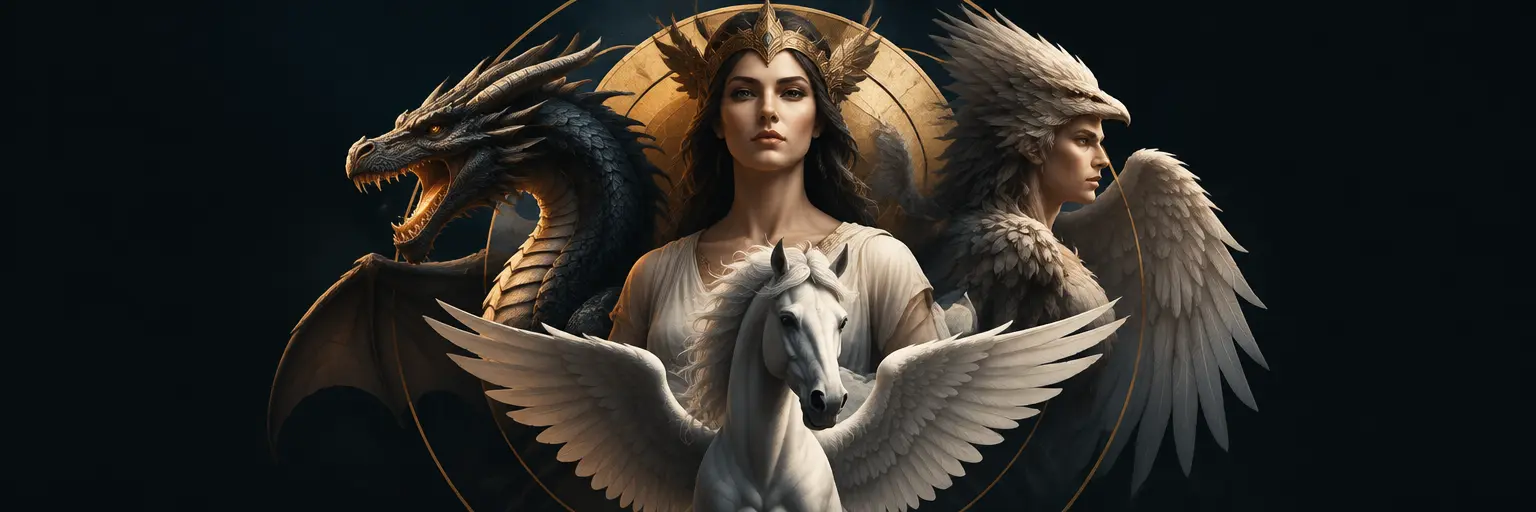
Mythical creatures and beings are the beating heart of global folklore—from fire-breathing dragons and sly serpents to elusive fairies, shape-shifters, and hybrid beasts that blur the line between human and animal. These legendary entities are far more than bedtime stories; they embody cultural fears, moral lessons, and enduring metaphors for society’s greatest hopes and anxieties. Whether you’re chasing the wisdom of ancient guardians, unraveling the mystery of transformative tricksters, or decoding how monsters reflect modern social issues, this collection dives deep into the stories that have shaped civilizations for millennia. Discover the fierce protectors, cursed wanderers, and eerie spirits that continue to haunt our imagination and inspire today’s books, films, and art. Perfect for myth enthusiasts, fantasy writers, and curious minds alike, these timeless beings reveal what it truly means to be human—through the extraordinary. ✨🐉
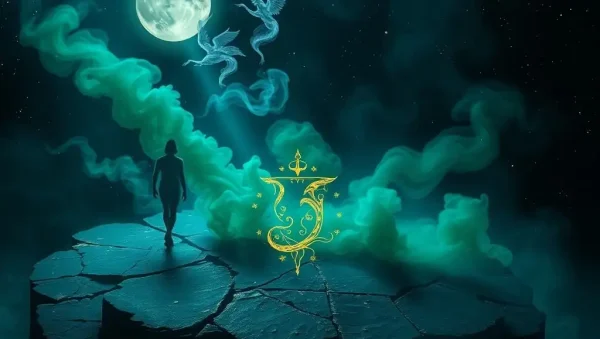
✨ Discover the mysterious Djinn legends and origins, exploring their unseen powers and the perilous consequences of unleashing these ancient forces. This…
Read article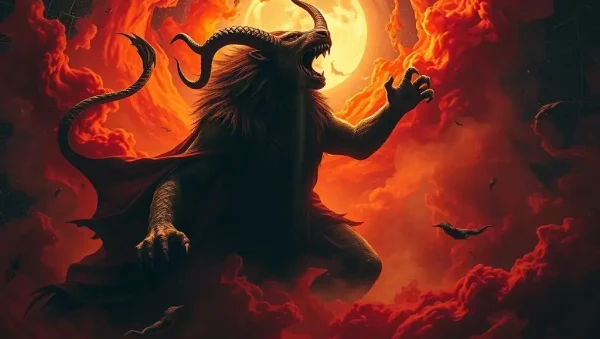
🧪 Dive into the chilling world of chimeric creatures mythology folklore, where mythical terror takes shape through unholy combinations, revealing the dark…
Read article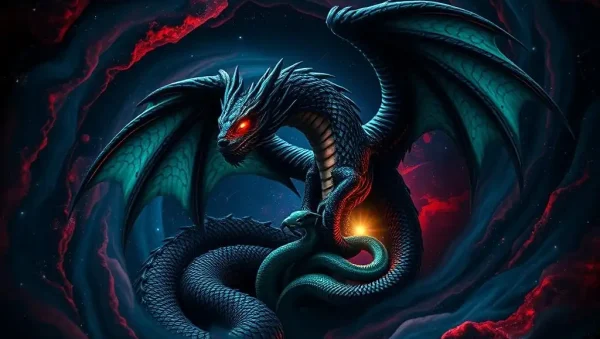
🌌 Discover the captivating world of dragons and serpents within underworld mythology themes, revealing their roles as guardians and symbols of mystery…
Read article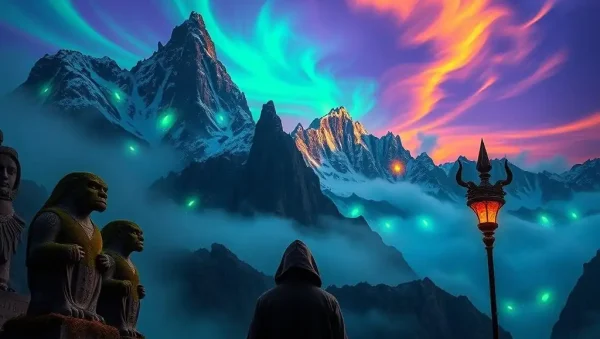
🌄 Discover the Sentinel Mountains, where towering peaks are deeply rooted in sentinel mountains mythical creature folklore. These legendary beings and spirits…
Read article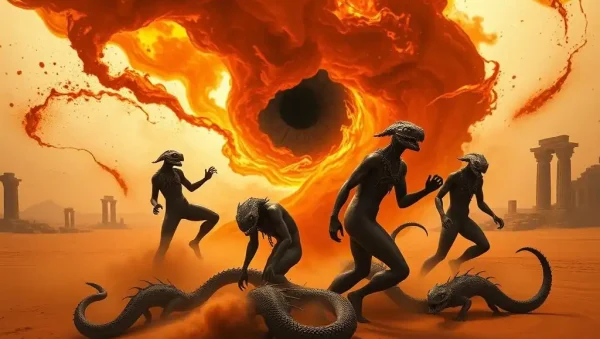
🌵 Discover the chilling world of ancient desert demon folklore stories, where legendary beasts haunt the sands, embodying fears and mysteries from…
Read article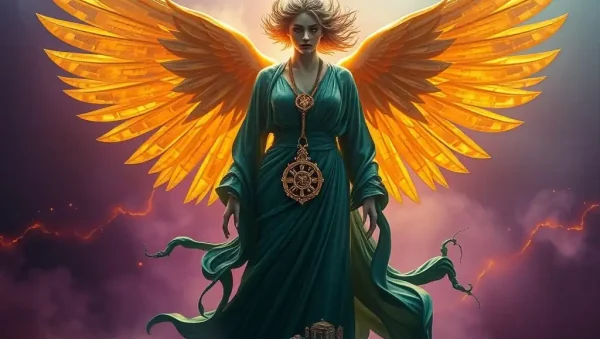
🛡️ Discover the intriguing world of mythological protector spirits cost—unveiling the true price of divine guardianship across cultures and how these legendary…
Read article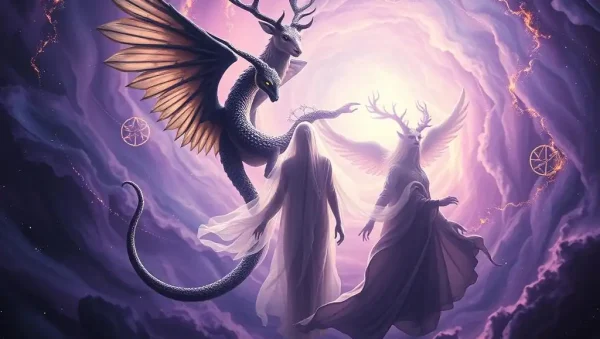
✨ Discover how mythical beings guide afterlife journeys across cultures, serving as guardians and guides for souls. Explore their timeless roles in…
Read article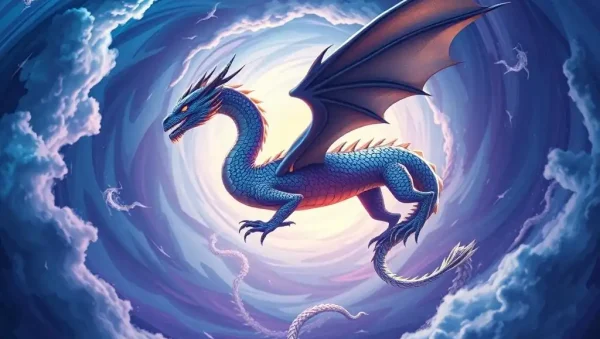
🌬️ Dive into "Whispers on the Wind" to uncover the enchanting air dragons mythology symbolism, revealing how these majestic sky serpents inspire…
Read article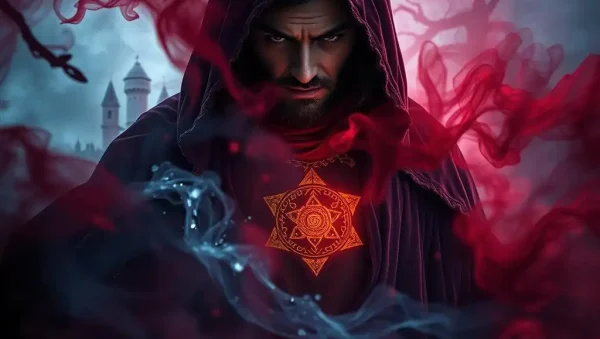
🛡️ Discover powerful ancient techniques and cultural practices to protect yourself from evil spirits. This guide explores folklore wisdom worldwide, empowering you…
Read article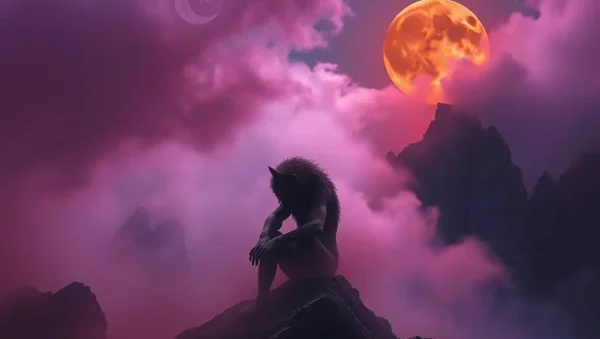
🌙 Discover how werewolf myths worldwide symbolize humanity’s primal fears and cultural values, revealing that these legends extend beyond the full moon,…
Read article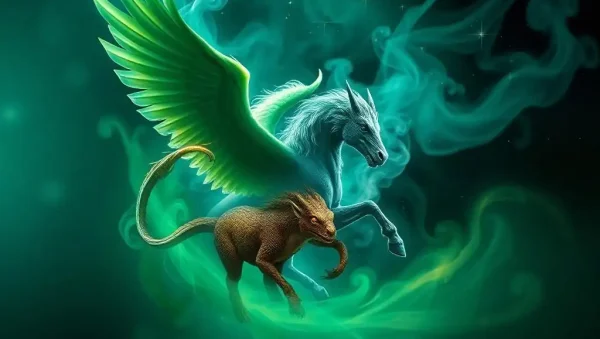
🧚♂️ Discover how mythical shapeshifting allies help across cultures, transforming in form to aid heroes and alter fates—revealing the enduring power of…
Read article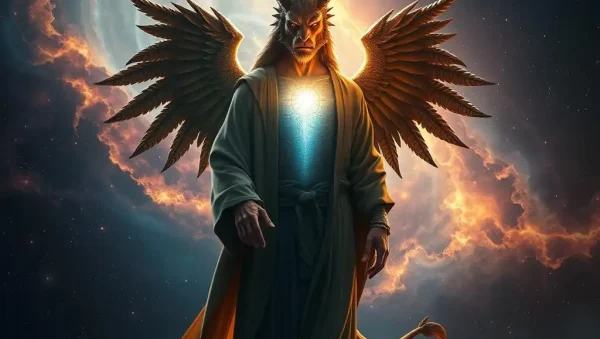
🌟 Discover how hybrid creatures folklore modern pop culture intertwine ancient legends with today's entertainment, showcasing the enduring fascination with mythical hybrids—from…
Read articleWelcome to the ultimate guide on mythical creatures and beings, where ancient folklore meets modern imagination. From fire-breathing dragons to elusive fairies, this category dives deep into the legendary entities that have shaped human storytelling across cultures. Whether you’re a mythology enthusiast, a writer seeking inspiration, or a curious reader, our curated subcategories reveal the origins, symbolism, and enduring relevance of these fantastic beings. Discover how monsters as social metaphors reflect societal fears and how shape-shifters blur the line between human and animal. Let’s embark on a journey through the eerie, the heroic, and the magical.
Dragons and serpents are among the most iconic mythical creatures, appearing in nearly every culture—from the wise, benevolent dragons of East Asia to the hoarding, fire-breathing beasts of European legend. Here, you’ll explore their dual nature: as forces of chaos and as guardians of treasure or wisdom. Learn about the World Serpent Jörmungandr in Norse myth, the feathered serpent Quetzalcoatl in Mesoamerica, and the draconic divine protectors in Chinese cosmology. This subcategory uncovers how serpents symbolize renewal, danger, and cosmic order, offering a rich tapestry of stories that continue to inspire films, games, and literature today.
Legendary companions are the loyal sidekicks, faithful animals, and mystical allies who stand beside heroes in myth and folklore. Think of Argos, Odysseus’s dog, or Fenrir’s wolf kin, but also the heroic horses like Sleipnir or the loyal hounds of Celtic legend. This section examines the bond between human and beast, highlighting how these companions embody traits like courage, fidelity, and intuition. You’ll discover how these creatures often serve as moral guides, test the hero’s character, or provide essential aid in quests. Perfect for readers interested in character development in storytelling, this subcategory reveals the emotional depth behind these mythical allies.
Guardians and protectors are the celestial watchdogs and benevolent spirits that shield humans, sacred places, or entire realms. From the Greek Sphinx who guarded Thebes to the Japanese Komainu lion-dogs at temple gates, these beings are often depicted as powerful, unyielding sentinels. This subcategory explores their roles in ward off evil, enforce justice, or safeguard the afterlife, such as the Egyptian Anubis. You’ll also meet Barong in Balinese mythology, a protector against dark forces. By studying these figures, you gain insight into how ancient cultures conceptualized safety, order, and the boundaries between the sacred and the profane.
Monsters are never just scary; they are mirrors of societal anxieties, moral lessons, and political critiques. This subcategory analyzes how creatures like the vampire represent fears of contagion or the werewolf symbolizes untamed instincts within civilization. Explore the Medusa as a symbol of victimhood and rage, or the Chimera as a warning against hybridity and chaos. By decoding these metaphors, you’ll learn how myths use monstrosity to discuss class, gender, war, and the unknown. This angle is perfect for scholars, students, and creatives looking to understand the psychological and cultural impact of these enduring stories.
Shape-shifters are the tricksters of myth, able to alter their form at will—from Coyote in Native American lore to the Kitsune (fox spirits) in Japan and the Selkies of Celtic legend. This subcategory dives into the fluidity of identity, the power to deceive, and the profound questions about what it means to be human. You’ll explore tales of transformation as punishments, gifts, or survival strategies. Whether it’s the seductive siren or the benevolent were-bear, shape-shifters challenge boundaries between species, genders, and even life and death. Their stories remain deeply relevant in modern fantasy and discussions of identity fluidity.
Fairies and spirits inhabit the liminal spaces between the human world and the supernatural. From the mischievous leprechaun of Irish folklore to the ethereal Alseid nymphs of Greek myth, these beings are both alluring and dangerous. This subcategory explores their origins in nature worship, their roles as guardians of forests, rivers, and homes, and the complex moral codes they impose on humans. Learn about the Banshee whose wail foretells death, the Pixies who lead travelers astray, and the Domovoi household spirits in Slavic tradition. Discover how fairies and spirits have evolved from feared entities to beloved characters in modern fairy tales and fantasy media.
Beasts and monsters represent raw, untamed nature and primal fears—the Minotaur in the labyrinth, the Loch Ness Monster, and the Chupacabra of modern legend. This subcategory catalogs these creatures, often depicted as grotesque, oversized, or hybrid, and examines their roles in myth as obstacles for heroes or embodiments of chaos. You’ll explore the cultural geography of monsters—how specific regions generate specific beasts, like the Jersey Devil in America or the Tikbalang in the Philippines. These stories serve as cautionary tales about unknown territories, hidden dangers, and the limits of human control over the wild.
Hybrid creatures combine human and animal features, or mix multiple animals, to create beings of awe and terror. The Griffin, with the body of a lion and head of an eagle, symbolizes divine power and vigilance, while the Manticore (human head, lion body, scorpion tail) represents cruelty. This subcategory investigates the symbolic logic behind these combinations—why the Sphinx has a human face, why the Centaurs blend horse and man. These hybrids often serve as liminal figures, bridging the civilized and the savage, the earthly and the celestial. Perfect for art historians and mythographers, this section reveals the creative genius of ancient imaginations in forging new mythologies.
A mythical creature typically refers to non-human entities like dragons, griffins, or unicorns, often with animalistic or hybrid forms. A mythological being can include gods, demigods, spirits, and even heroes, who may appear human but possess supernatural powers. However, the terms overlap; many beings like centaurs are considered both. The distinction is fluid and depends on cultural context, but generally, creatures are more animal-like, while beings are more personified.
Dragon myths likely originated from ancient encounters with large reptile fossils, fear of snakes, or symbolic representations of chaos and power. In East Asia, dragons are benevolent rain-bringers and symbols of imperial authority, whereas in Europe they are often malevolent hoarders of treasure. The universality stems from shared human fears of predators and natural disasters, plus the need to explain unexplainable phenomena. Each culture adapted the dragon to fit its values, making it a versatile mythical archetype.
No, shape-shifters are morally ambiguous. In many traditions, like the Selkies who shed their seal skins to become human, they are tragic and sympathetic. Japanese Kitsune can be loyal wives or tricksters; Norse Loki shifts forms for both helpful and harmful deeds. The ability to change form often represents adaptability, deception, or the instability of identity. Their moral value depends on the story’s context and the intention behind the transformation, making them complex characters, not simply villains.
Modern monsters like zombies, vampires, and aliens continue to serve as metaphors for contemporary fears. Zombies reflect consumerism, mass conformity, and pandemic anxieties; vampires symbolize exploitation and fear of the Other; aliens represent invasion and the unknown in a globalized world. By analyzing these creatures, we can understand societal tensions around technology, migration, and environmental crises. The metaphorical framework allows us to discuss taboo subjects indirectly, making monsters a powerful tool for cultural critique in media and literature.
The Griffin is among the most famous, appearing in Greek, Persian, and medieval European art, symbolizing power and protection. Also iconic is the Centaur, half-man half-horse, representing the struggle between civilization and savagery. The Sphinx, with a human head and lion body, is equally well-known due to the Greek myth of Oedipus and the Egyptian statue at Giza. Each hybrid holds a distinct cultural significance, but the Griffin’s widespread presence across continents makes it a top contender for the most universally recognized hybrid.