How to Protect Yourself from Malevolent Spirits
🛡️ Discover powerful ancient techniques and cultural practices to protect yourself from evil spirits. This guide explores folklore wisdom worldwide, empowering you…
Read article
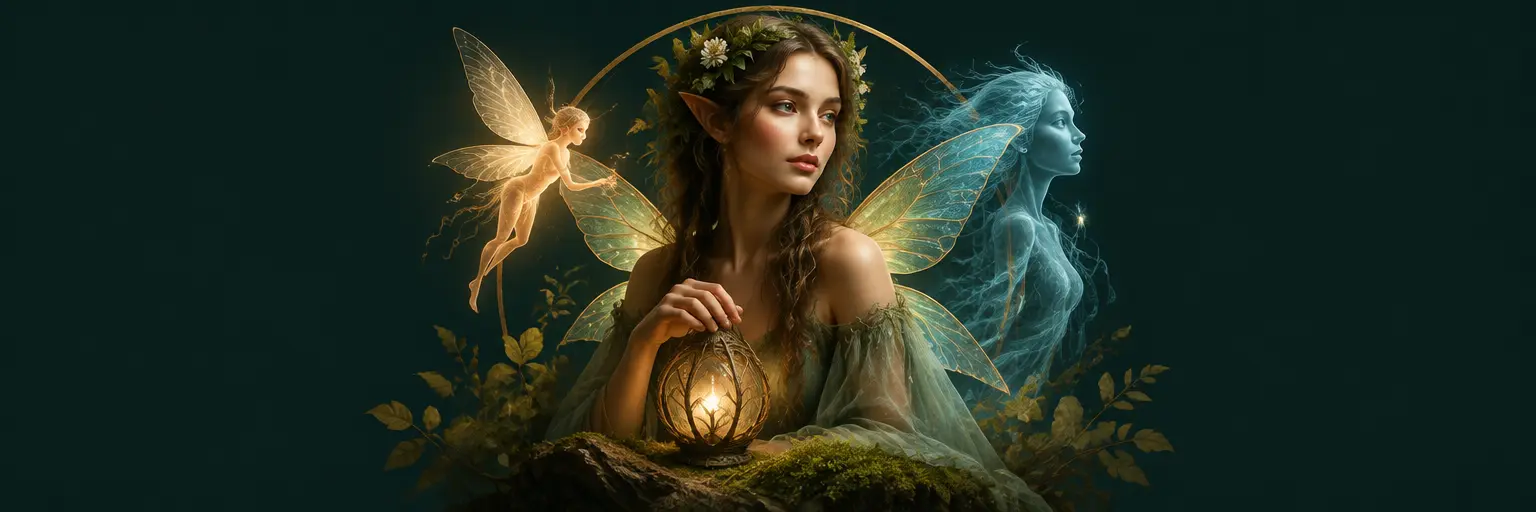
Discover the enchanting realm of Fairies and Spirits, where ancient folklore meets the unseen forces of nature. From mischievous woodland sprites to guardian spirits of hearth and home, these ethereal beings have shaped cultural narratives for centuries. Delve into tales of Celtic sidhe, Slavic rusalki, and Japanese kami, each reflecting humanity’s deep connection to the natural and supernatural worlds. Whether you’re a mythology enthusiast or a curious storyteller, this collection unveils the symbolic roles, rituals, and modern reinterpretations of these mystical entities—perfect for exploring how they continue to inspire art, literature, and belief systems today. Uncover the magic that lingers just beyond the veil, and let these timeless legends spark your imagination.
🛡️ Discover powerful ancient techniques and cultural practices to protect yourself from evil spirits. This guide explores folklore wisdom worldwide, empowering you…
Read article
🌟 Explore the captivating world of fairy child abduction folklore, where tales of fairies stealing human children reveal deep cultural fears and…
Read article
🧙♂️ Discover the intriguing Brownie folklore taboos and beliefs that warn against angering these mischievous spirits, revealing their significance in cultural myths…
Read articleWelcome to the Fairies and Spirits subcategory, a captivating corner of Mythology and Legends dedicated to the ethereal beings that inhabit the world’s folklore. From the mischievous sprites of Celtic woodlands to the protective household spirits of Slavic homes, this collection unravels the stories, beliefs, and cultural significance of these invisible yet powerful entities. Whether you are a folklore enthusiast, a fantasy writer seeking inspiration, or a curious traveler of myth, this page offers a rich tapestry of knowledge about the supernatural forces that have shaped human imagination for centuries.
Dive into the ancient roots of fairy belief, tracing how these beings transformed from feared, capricious forces of nature into the playful, winged creatures of Victorian art. Explore the Tuatha Dé Danann of Irish myth, the Alfar of Norse tradition, and the Yaksha of Hindu lore, each offering a unique lens on how cultures personified the unseen. This section examines the role of oral storytelling, medieval literature, and even the influence of church doctrines in shaping our modern perception of fairies.
You will also discover how fairy lore intersects with natural phenomena, such as mysterious lights (will-o’-the-wisps) and ancient burial mounds. By understanding the historical context, you gain a deeper appreciation for why these stories persist, from Shakespeare’s A Midsummer Night’s Dream to contemporary fairy tales. Expect detailed analyses of regional variations, including the Pixies of Cornwall, the Selkies of Scotland, and the Duende of Iberia, each with their own moral codes and magical abilities.
Discover the vast pantheon of nature spirits, from the Dryads who embody oak trees to the Naiads who preside over freshwater springs. This section explores how ancient communities personified the life-giving and destructive forces of the environment through these entities. Learn about the Kelpies of Scottish lochs, the Kodama of Japanese forests, and the Leshy of Slavic woodlands, each acting as a protector or trickster depending on human behavior. These stories often carried practical messages about respecting nature and living in harmony with the land.
The content also highlights the importance of seasonal rituals and offerings made to appease these spirits, such as leaving milk for the Brownies or avoiding certain streams at dusk. By examining these practices, you gain insight into the ecology of belief—how human survival depended on recognizing the agency of the natural world. Each entry includes mythological context, cultural variations, and modern ecological parallels, making this section both educational and deeply connected to contemporary environmental consciousness.
Uncover the secret lives of household spirits that were believed to dwell alongside humans, offering assistance or causing mischief. From the Brownie of English folklore to the Domovoi of Russian tradition, these entities were central to daily domestic life. This section details the specific duties, dietary preferences, and rituals associated with each spirit, such as leaving a bowl of porridge overnight or greeting the Hob with a warm fire. Understanding these practices reveals the deep psychological need for order and protection within the intimate space of the home.
Explore how these spirits evolved from serious guardians into comic characters in later literature, and how they compare across cultures—like the Tomte of Scandinavia versus the Puck of England. You will also find fascinating anecdotes from historical records, including witch trials and folk remedies, that illustrate the real-world consequences of neglecting these small but mighty beings. Perfect for writers and researchers, this section provides a comprehensive database of household spirit lore, complete with regional names and behavioral traits.
Delve into the realms of ancestral spirits and ghostly guides, beings that bridge the living and the dead. Unlike fairies, these spirits are often tied to specific lineages or places, serving as protectors, messengers, or restless souls seeking resolution. This section covers diverse traditions, from the Day of the Dead altars of Mexico to the Hungry Ghost Festival of China, and the Valkyries of Norse myth who escorted fallen warriors. Learn about the rituals of remembrance, ancestor veneration, and necromantic practices that aimed to communicate with these ethereal entities.
Here, you will find comparative analyses of how different cultures view death and the afterlife through the lens of spirits. The section also examines the psychological and sociological roles these beliefs play, such as reinforcing family bonds and coping with grief. Expect detailed profiles of famous ghostly figures like the Banshee, whose wail foretold death, and the Headless Horseman, a tale that blends history with supernatural warning. Each profile includes cultural origin, physical description, and modern adaptations in media.
Encounter the shapeshifting spirits and tricksters that challenge boundaries and defy expectations. These entities, such as the Puca, the Kitsune, and the Leprechaun, are known for their ability to change form, deceive humans, and teach moral lessons through mischief. This section explores the fluidity of identity in mythical narratives, where beauty can hide danger and animals speak with wisdom. You will learn about the selkie’s dual nature, the tengu’s warrior spirit, and the Anansi spider’s cunning—all representing the unpredictable forces of life.
The content emphasizes the symbolic meaning behind each transformation, such as the fox’s association with intelligence in East Asian lore versus its role as a seductress in European tales. We also discuss the universal theme of the trickster as a culture hero who breaks rules to create new norms. Through these stories, you gain a deeper understanding of how societies processed ambiguity, fear, and innovation. Practical takeaways include how to identify spirit motifs in art, literature, and film, making this section perfect for creative professionals and myth enthusiasts alike.
Fairies are typically depicted as humanoid, often winged beings with magical powers, firmly rooted in European folklore. Spirits is a broader term encompassing any non-physical entity, including nature deities, ghostly ancestors, and household protectors. While all fairies are spirits, not all spirits are fairies—spirits often lack a fixed form or reside in specific locations like trees, rivers, or homes.
No, fairies are notoriously ambiguous. Many, like the Redcap or Boggart, are malevolent and enjoy causing harm. Others, like the Brownie, are helpful if treated with respect but turn vengeful if insulted. The moral nature of fairies often reflects the unpredictability of the natural world—beautiful yet dangerous, generous yet capricious.
Yes, scholars often categorize spirits by their domain: nature spirits (forests, water, air), household spirits (hearth, barn), ancestral spirits (family line), and psychopomps (guides of the dead). Each type has unique lore, rituals, and regional names. This classification helps compare myths across cultures and identify universal themes.
Shapeshifting symbolizes boundary transgression—the ability to move between human, animal, and divine realms. It represents the fluidity of identity, the hidden nature of truth, and the danger of appearances. Trickster spirits use this power to test humans, teach humility, or simply entertain themselves, making them enduring figures in storytelling.
This subcategory offers rich source material for world-building, character development, and plot devices. Use the cultural origins of a fairy or spirit to craft authentic interactions, such as leaving offerings or avoiding certain words. Emphasize the moral complexity and environmental ties to create believable supernatural beings that enhance your narrative’s depth and appeal.