Werewolves Across Cultures: More Than Just a Full Moon
🌙 Discover how werewolf myths worldwide symbolize humanity’s primal fears and cultural values, revealing that these legends extend beyond the full moon,…
Read article
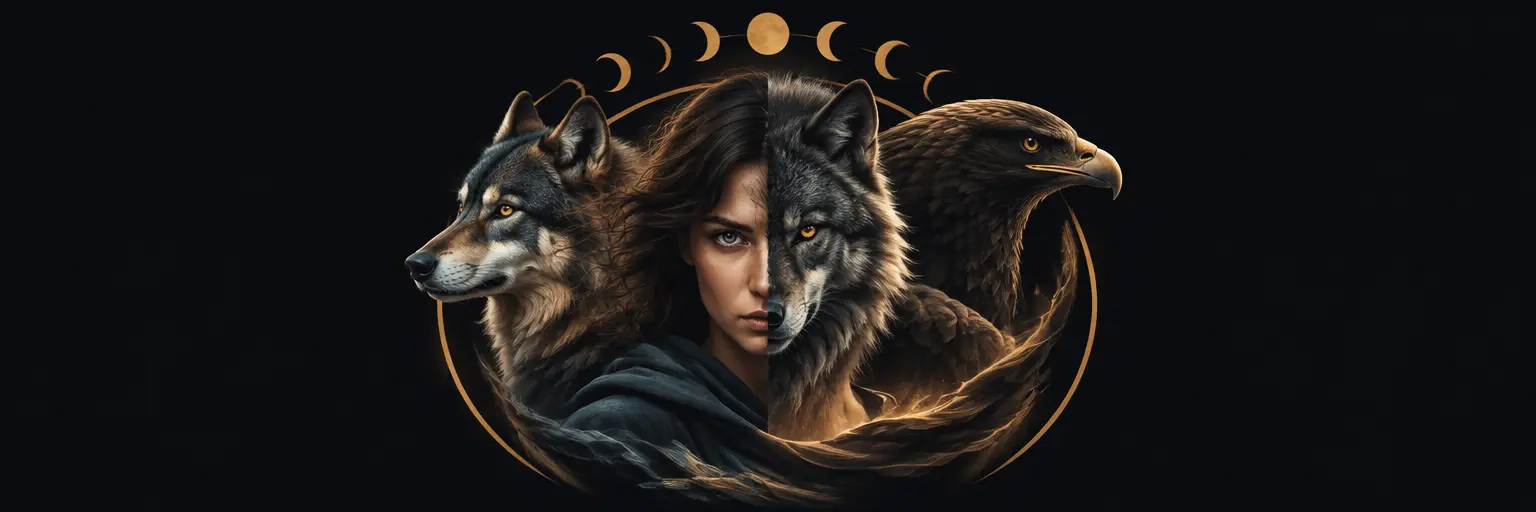
Shape-shifters are among the most fascinating and elusive beings in global mythology, embodying the ultimate power of transformation and deception. From the trickster foxes of East Asian folklore to the skin-walkers of Native American legends, these creatures blur the line between human and animal, mortal and immortal. They remind us that identity is fluid, and appearances can be dangerously misleading. Whether they shift for survival, mischief, or malevolence, their stories have shaped cultural fears and fascination for centuries. Dive into their ancient origins, cultural variations, and modern interpretations to uncover how these enigmatic beings continue to captivate our imagination—and what they reveal about the human psyche’s deepest anxieties and desires.
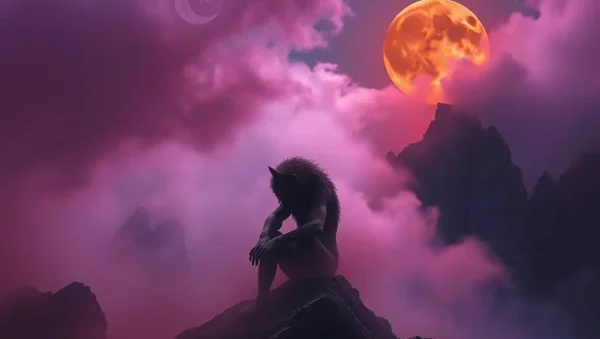
🌙 Discover how werewolf myths worldwide symbolize humanity’s primal fears and cultural values, revealing that these legends extend beyond the full moon,…
Read article
🧚♂️ Discover how mythical shapeshifting allies help across cultures, transforming in form to aid heroes and alter fates—revealing the enduring power of…
Read article
🌍 Explore how environmental influences shape Shifter myths, revealing the deep connection between nature and cultural storytelling. This article uncovers how shifting…
Read articleShape-shifters, beings capable of altering their physical form, are among the most pervasive and fascinating figures in global mythology. From the cunning werewolves of European folklore to the celestial nagas of Asia, these entities blur the line between human, animal, and divine. This subcategory of "Mythical Creatures and Beings" delves into the origins, cultural variations, and symbolic meanings of these transformative beings, offering a rich tapestry of stories that continue to influence modern fantasy, literature, and film.
Werewolves, the most iconic shape-shifters in Western lore, represent the primal struggle between civilization and untamed nature. Unlike voluntary transformations, lycanthropy is often portrayed as a curse—triggered by a bite, a magical salve, or a pact with dark forces. These tales, rooted in medieval European fears of wolves and witchcraft, depict the afflicted as tragic figures who lose control during the full moon, their humanity stripped away to reveal a ravenous beast.
In contrast, therianthropes—humans who intentionally shift into animal forms—appear in shamanic traditions across Siberia, Africa, and the Americas. Here, transformation is a spiritual skill, used for hunting, warfare, or divine communication. For example, Norse berserkers were said to assume the skin of bears, gaining immense strength and ferocity. Readers will discover how these different narratives shape our understanding of identity, control, and the animal within, making werewolves and their kin enduring symbols of inner conflict and primal power.
In Japanese mythology, the kitsune—a shape-shifting fox—is a master of illusion and deceit. These intelligent creatures can take human form, often as beautiful women, to test, tempt, or bless mortals. The kitsune’s nature is dual: they can be benevolent guardians, rewarding kindness with fortune, or mischievous tricksters, leading travelers astray. Their power grows with age, and a fox with nine tails becomes a celestial being of immense wisdom and magical ability, echoing themes of transformation and maturation.
Beyond Japan, fox spirits appear in Chinese (huli jing) and Korean (gumiho) folklore, where they are frequently depicted as seductive and dangerous. Western readers may compare them to the cunning Reynard the Fox of fables, though the magical depth of Asian fox lore is unparalleled. This section explores stories of kitsune marriages, possession, and ancestral bonds, illustrating how these shape-shifters mirror societal anxieties about deception, femininity, and the supernatural. Expect a deep dive into the symbolic role of foxes as boundary-crossers between the mundane and the mystical.
Nagas, half-human, half-cobra beings, are central to Hindu, Buddhist, and Southeast Asian cosmologies. Capable of assuming full human or full serpent form, nagas rule the underworld of waters and treasures. They are both feared for their venomous wrath and revered as protectors of dharma, often guarding sacred texts and temples. In Buddhist tales, a naga king named Mucalinda shelters the Buddha from rain with his hood, showcasing their benevolence toward the enlightened.
Unlike the malevolent dragons of Western myth, nagas embody the fluidity of transformation as a divine gift. Their shifting shape signifies the cyclical nature of time, rebirth, and cosmic balance. In Thailand and Cambodia, nagas are depicted as rainbow-colored bridges between the earthly and celestial realms, reinforcing their role as mediators. This subsection highlights specific legends—such as the Nāga princesses marrying mortal kings—and explains how these shape-shifters influence rituals, architecture, and royal iconography. Readers will gain insight into how cultures across South and Southeast Asia embrace serpents not as monsters, but as wise, multi-faceted entities.
From the Garuda of Hindu mythology to the swan maidens of European fairy tales, avian shape-shifters occupy the skies, representing freedom, prophecy, and the soul’s journey. The Garuda, a majestic eagle-like being, is the eternal foe of nagas and the mount of Lord Vishnu. He can expand to block the sun or shrink to the size of a sparrow, demonstrating absolute mastery over his form. In Norse myth, the god Loki famously transforms into a falcon to scamper between realms, while Celtic legends speak of druids turning into ravens to gain foresight in battle.
Swan maidens—women who shed their feather cloaks to become humans—embrace themes of captivity, longing, and the loss of innocence. These stories, from the Irish "Children of Lir" to German "Die Gänsemagd," often involve a mortal stealing the magical skin to force marriage, only to face dire consequences. This section explores the dual nature of avian shifters: they are messengers of fate yet vulnerable to human desire. For SEO, it emphasizes keywords like "bird transformation myths," "feather magic," and "sky deity lore," making it a rich resource for those seeking airborne legends and their allegorical meanings.
In Navajo (Diné) tradition, skin-walkers (yee naaldlooshii) are malevolent witches who don the hides of animals to shapeshift and inflict harm. Unlike heroic werewolves, these practitioners of "corpse powder" and dark rites are feared as the ultimate betrayers of tribal harmony. Their ability to mimic a person’s voice or sprint like a deer makes them harbingers of illness and death, often used as cautionary tales against straying from spiritual law. This subcategory examines the cultural context and strict taboos surrounding skin-walkers, ensuring respectful and accurate representation.
Comparable dark shifters include the European "sorcerer's apprentice" who turns into a raven, or the African "were-hyena" of Ethiopia. These narratives emphasize that shape-shifting is not inherently good or evil—it reflects the wielder’s heart. This section also touches on modern pop culture portrayals, from Marvel’s Mystique to the Witches of "The Owl House," to show how ancient fears evolve. By understanding the darker side of transformation, readers can appreciate the moral complexity of shape-shifters, making this an essential read for those interested in shadowy folklore, occult practices, and psychological metaphors of hidden selves.
The werewolf is the most globally recognized, especially in European folklore, but the kitsune (fox) and nagas (serpent) are equally widespread in Asian traditions. All three appear in countless myths, suggesting a universal human fascination with boundaries between species and existential states.
No, they encompass a broad moral spectrum. Celtic swan maidens and Norse gods like Odin use shifting for benign or heroic purposes, while skin-walkers and some werewolves are malevolent. Their alignment often depends on the culture’s values and the individual’s intentions, making them complex, neutral forces of nature.
Shamans in Siberia, North America, and Australia believe they can assume animal forms to access spiritual realms, gain wisdom, or heal community members. This voluntary, ritualistic transformation contrasts with cursed or involuntary shifts, highlighting a positive, spiritual use of shape-shifting in indigenous cultures.
Yes, clinical lycanthropy is a rare psychiatric syndrome where patients believe they are transforming into an animal. Additionally, dreams and hallucinations may inspire folklore. These conditions offer a scientific lens to understand why metamorphosis myths arise from the brain’s neural plasticity and cultural storytelling.
They symbolize flexibility, identity crises, and the hidden potential within humans. Characters like Remus Lupin or the T-1000 resonate by exploring fears of losing control or adapting to hostile environments. Shape-shifters also provide plot twists, surprise allies, and metaphors for diversity, making them endlessly appealing to creators and audiences alike.