Gilgamesh & Enkidu: Brotherhood Forged in Battle
🌟 Discover the enduring Gilgamesh-Enkidu friendship legend, a powerful tale of brotherhood forged through trials and battles, highlighting how ancient myths continue…
Read article
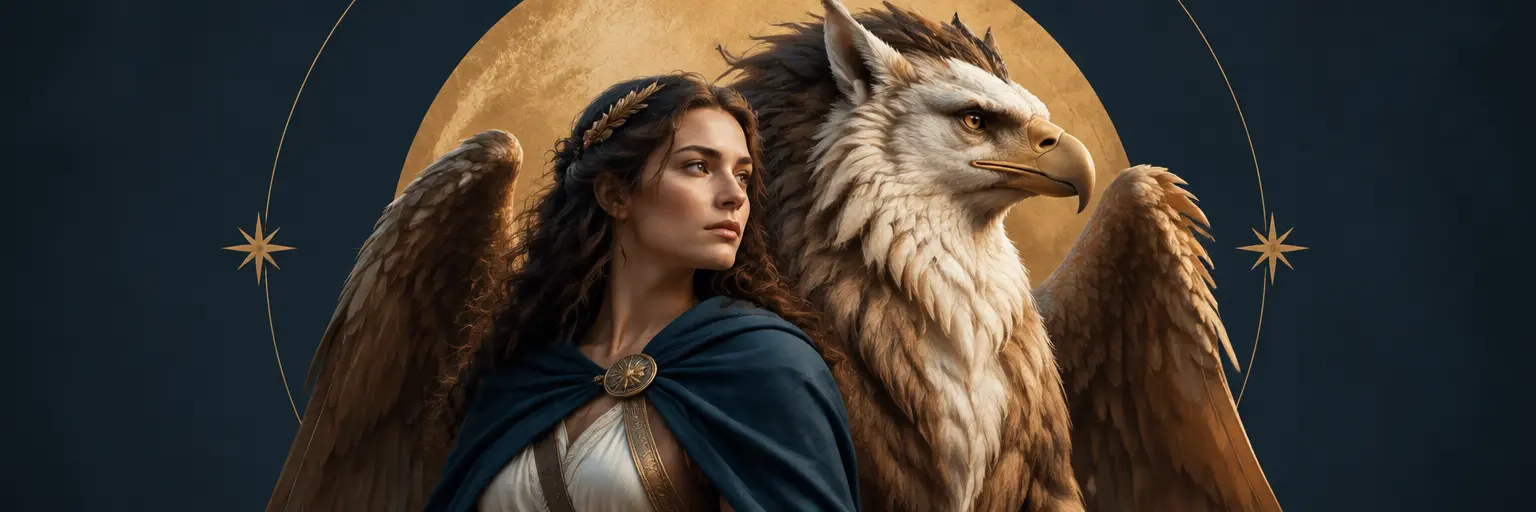
Discover the timeless allure of legendary companions—the loyal beasts, cunning spirits, and divine allies that stand beside heroes in myths worldwide. From the steadfast Cerberus guarding the underworld to the wise Fenrir of Norse lore, these creatures embody courage, sacrifice, and unbreakable bonds. Our exploration delves into how such companions shape epic quests, test mortal resolve, and mirror humanity’s deepest hopes and fears. Whether it’s the soaring Pegasus, the faithful Argos, or the mystical Garuda, these figures transcend mere sidekicks—they are catalysts of transformation and symbols of loyalty that still inspire modern storytelling. Dive into their origins, cultural variations, and lasting legacy to see why these mythical allies remain integral to our collective imagination. ✨🐉🗡️
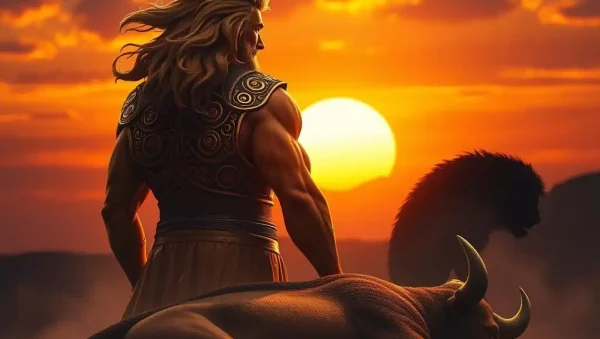
🌟 Discover the enduring Gilgamesh-Enkidu friendship legend, a powerful tale of brotherhood forged through trials and battles, highlighting how ancient myths continue…
Read article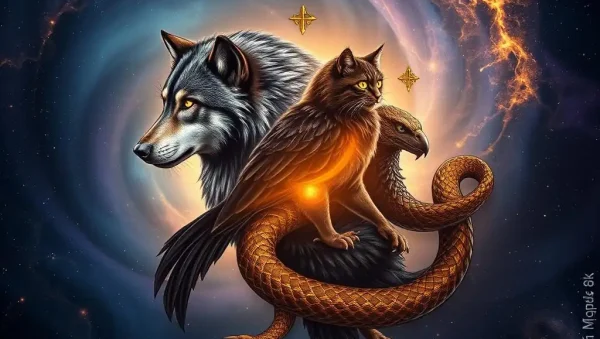
🌍 Discover how animal companions in mythology symbolize wisdom, protection, and transformation across cultures, revealing profound meanings that continue to influence modern…
Read article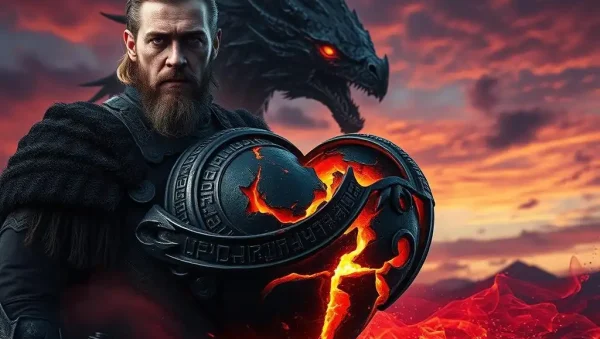
🗝️ Discover the intriguing symbolism behind Sigurd Fafnir’s heart meaning, exploring how Fafnir’s heart symbolizes courage and transformation in the legendary saga,…
Read articleWelcome to the Legendary Companions subcategory within our Mythical Creatures and Beings hub. Here, we explore the faithful allies, wise guides, and powerful sidekicks that appear throughout global mythology—from the loyal hounds of Greek heroes to the celestial steeds of Norse gods. These companions are more than background figures; they embody trust, courage, and the deep bonds between mortals and the divine. Dive into narratives that reveal how legendary companions shape quests, challenge heroes, and mirror human values across cultures.
Legendary companions often take the form of extraordinary dogs, wolves, or hybrid canines. In Greek mythology, Cerberus guards the underworld, while Argos, Odysseus’s faithful hound, recognizes his master after decades apart. Norse lore features Garmr, the blood-stained guardian of Hel. These creatures symbolize unwavering loyalty, protection, and the thin line between life and death. Expect tales of tracking, vigilance, and sacrifice that elevate them from beasts to beloved spiritual allies.
For readers seeking emotional depth, these stories highlight how mundane loyalty becomes legendary when tested by divine trials. Whether it’s the Welsh Cŵn Annwn hunting souls or the Native American wolf guides, each culture uses canine companions to express fidelity and instinctual wisdom. Our content uncovers archaeological evidence and literary sources, showing how these bonds influenced rituals and heroic epics.
From Pegasus to Sleipnir, mythical horses and flying creatures serve as indispensable companions, enabling heroes to transcend earthly limits. Pegasus carries Bellerophon to slay the Chimera, while Odin’s eight-legged Sleipnir traverses realms with unmatched speed. In Hindu myth, Garuda, the eagle-like Vahana of Vishnu, embodies agility and divine service. These companions represent freedom, speed, and the bridge between human and cosmic planes.
Our detailed profiles dissect their origins, physical traits, and symbolic meanings—often tied to storms, dawn, or royal power. We compare the bridles, saddles, and blessings that bind them to their riders, revealing how ancient peoples conceptualized travel beyond mortality. Expect insights into equestrian iconography in art and how these creatures inspired medieval chivalric romances.
Many mythological systems feature talking animals or spirit guides that offer prophecy, wisdom, or magical aid. Athena’s owl, Apollo’s raven, and the Norse Huginn and Muninn (thought and memory) serve as cerebral companions. In Celtic lore, salmon of knowledge and fairy hounds provide cryptic guidance. These companions often test the hero’s intellect, rewarding humility and insight over brute force.
Explore how shamans and seers used such familiars to interpret omens or navigate spirit worlds. We delve into literary adaptations—from Merlin’s owl in Arthurian tales to modern fantasy tropes—showing how these wise companions persist as narrative devices for exposition and moral reflection. Their presence underscores that true companionship includes challenging the protagonist’s assumptions.
Some legendary companions are less organic—enchanted swords, shields, or armor that act with sentience or carry the spirits of fallen warriors. Excalibur’s scabbard, Gram’s curse, and the Norse Dainsleif are prime examples. These objects possess wills, speak to owners, or decide their own fates, blurring the line between tool and friend. They accompany heroes into battle, ensuring victory or doom.
We analyze the psychological role of such companions in epics like Beowulf or the Mahabharata, where weapons embody clan honor or cosmic justice. You’ll learn about forging myths, sacred oaths, and how these objects influenced medieval knighthood ideals. Our comparisons show how sentient gear mirrors human fears of losing control or becoming reliant on external power.
Beyond elite heroes, many cultures revere spirit animals as communal companions for shamans, healers, and ordinary seekers. Siberian, Native American, and Aboriginal Australian traditions use totemic animals—bears, ravens, snakes—as protectors and teachers. These companions aren’t individual sidekicks but lineage-bound allies that appear in dreams or trances, guiding initiation rites and healing practices.
Our subcategory includes field notes on ethnographic research, explaining how these bonds are strengthened through dance, song, and ritual objects. We discuss the “power animal” concept and its modern revival in neo-shamanism, while respecting cultural contexts. Expect comparative tables showing animal traits across continents, plus practical explanations of how ancestral spirits communicate through natural signals.
A legendary companion is defined by its relational role: it actively assists, guides, or protects a hero, god, or mortal through challenges, often forming a bond of mutual respect or loyalty. Unlike background monsters, these beings have agency, personality, and symbolic weight—they are integral to the narrative’s outcome rather than mere obstacles.
No, they can be sentient objects (like magical swords or rings), elemental spirits, or even deceased ancestors manifested as guides. The key is their function as a persistent ally with a distinct will, often acting as a catalyst for character growth or plot progression. Some are also hybrid beings, like centaurs acting as mentors.
Cultures vary: Greek myths often highlight tragic loyalty (e.g., Androclus’s lion), Norse sagas emphasize reciprocal honor, while Eastern traditions may stress karmic bonds. Regardless, the core theme is trust tested through adversity. Many cultures believe these companions mirror the hero’s inner virtues or flaws, serving as externalized consciences.
Yes, some companions are cursed, deceptive, or serve antagonistic forces—like Loki’s monstrous children or the witch’s familiar in European folklore. These dark allies manipulate heroes for sinister ends, illustrating moral warnings about misplaced trust. Their presence enriches myth by showing that companionship isn’t inherently good; it depends on the bond’s ethical foundation.
Draw from their archetypes—loyal guardian, wise advisor, or sentient weapon—and subvert expectations by giving them flaws or conflicting agendas. For RPGs, define clear abilities and emotional hooks. Study mythological sources for authentic traits, but adapt them to contemporary themes like AI companions or environmental spirits to resonate with today’s audiences.