The Djinn: Unseen Forces and the Dangers of Unleashed Power
✨ Discover the mysterious Djinn legends and origins, exploring their unseen powers and the perilous consequences of unleashing these ancient forces. This…
Read article
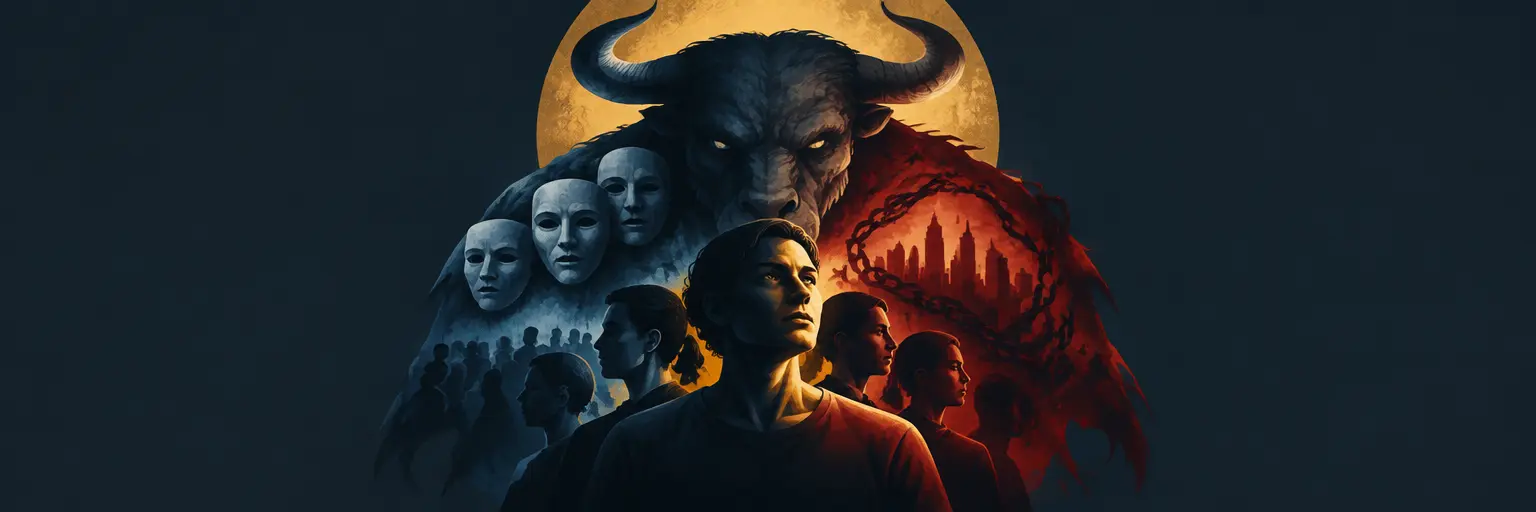
Dive into the shadowy realm where mythical creatures become mirrors of our deepest societal anxieties and aspirations. In this exploration, we decode how monsters are far more than mere villains—they are potent social metaphors that give form to our collective fears, moral boundaries, and cultural taboos. From the dragon hoarding gold as a symbol of greed to the vampire representing aristocratic decay, these legendary beings function as living allegories for everything from xenophobia and disease to unchecked power and ecological dread. By examining these legendary narratives, we uncover how societies have historically used the “other” to define their own norms, turning folklore into a rich psychological and sociological text. This section reveals the hidden truths behind the fangs and claws, showing how every slimy, winged, or ghostly entity carries a coded message about human nature, class struggle, and ethical limits. Unlock the symbolic language of classic myths and see how these ancient warnings still echo in modern movies, literature, and even political rhetoric, proving that the most terrifying monsters are often the ones that look just like us.
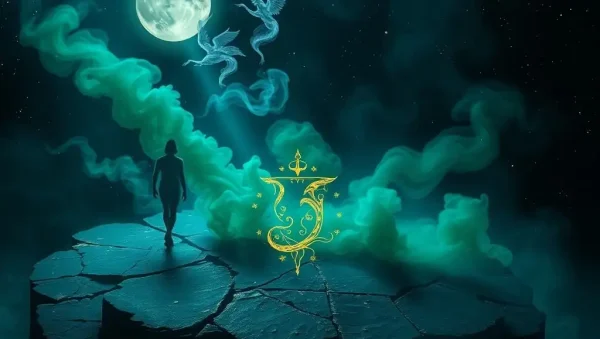
✨ Discover the mysterious Djinn legends and origins, exploring their unseen powers and the perilous consequences of unleashing these ancient forces. This…
Read article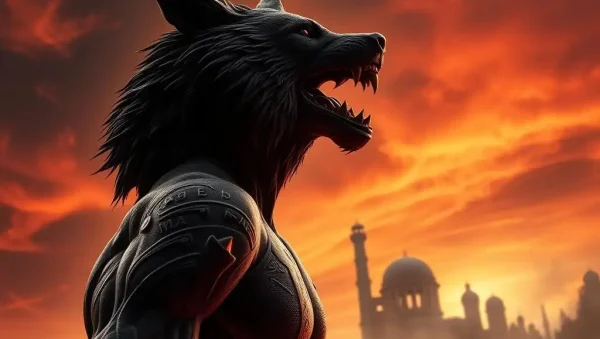
🌙 Werewolves myths societal anxieties reveal deep-seated fears of the beast within and societal transformation, reflecting how different cultures interpret chaos, morality,…
Read article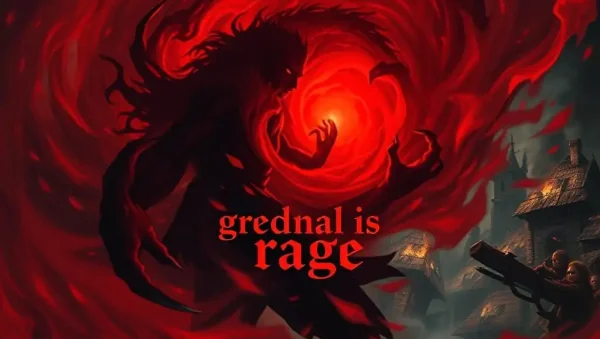
🔥 Explore how Grendel symbolism societal violence reveals the struggles of outcasts and the destructive consequences of societal rejection, illustrating timeless themes…
Read articleMonsters have never been mere bedtime frights. Across cultures and centuries, they embody collective anxieties, moral codes, and societal critiques. In this subcategory of Mythical Creatures and Beings, we decode how vampires, dragons, werewolves, and other legendary beings function as living symbols for everything from class warfare to xenophobia, gender roles, and technological dread. Explore the hidden language of myth and see how your favorite creatures mirror our changing world—often more accurately than history books.
Dragons are not just fire-breathing reptiles; they are the ultimate metaphor for hoarded wealth and natural disasters. In Western lore, from Beowulf to Tolkien, the dragon sits atop a treasure hoard, representing corrupt power, aristocratic greed, or the untamable forces of nature that heroes must conquer to restore order. In Eastern traditions, however, dragons are wise and benevolent, symbolizing imperial authority and cosmic harmony—a stark contrast that reveals cultural attitudes toward authority itself. Expect to learn how dragon narratives validate conquest, landownership, and the moral right to overthrow oppressors.
When you read a dragon tale, ask: who benefits from its death? The hero’s reward is not just gold—it’s the social approval of eliminating a “necessary evil.” This subcategory unpacks how dragons have been used by rulers to justify wars, by industrialists to demonize labor unions, and by environmentalists to personify corporate pollution. By tracing dragon imagery from medieval coin hoards to modern blockbusters, you’ll see how society continuous to project its biggest fears onto the largest mythical canvas.
Few monsters are as socially charged as the vampire. Emerging from Eastern European folklore, the modern vampire—immortal, seductive, and blood-drinking—has become a metaphor for the parasitic upper class. Bram Stoker’s Dracula literally drains the life from common people while occupying a castle, mirroring Victorian anxieties about aristocratic decay and foreign invasion. Later, vampires symbolized forbidden sexuality, from sapphic subtext in “Carmilla” to the AIDS-era allegories in Anne Rice’s novels. Here, expect to dissect how blood becomes stand-in for capital, vitality, and intimacy.
Contemporary vampire stories twist the metaphor again: Twilight reframes vampirism as eternal adolescence and self-control, while shows like What We Do in the Shadows satirize modern workplace hierarchies. The vampire’s need to feed can represent everything from consumerism to emotional narcissism. By examining vampire lore through sociological lenses—class, gender, and queer studies—you’ll understand why these undead aristocrats remain undying in our cultural imagination. They are the perfect vehicle for asking: who is feeding on whom in your own society?
Werewolves embody the fragile boundary between civilization and primal instinct. In folklore, the curse of lycanthropy often punishes those who break social taboos—such as cannibalism, incest, or violence—by literally transforming their body. The full moon serves as a convenient trigger for hidden urges, a metaphor for the unconscious mind that Freud would later formalize. Historically, werewolf trials in medieval Europe were thinly veiled persecution of outcasts, witches, or the mentally ill, demonstrating how societies externalize internal chaos onto a monstrous “other.” Expect to trace this arc from peasant superstitions to modern psychological thrillers.
Modern media uses the werewolf to explore adolescence (puberty as uncontrollable changing), toxic masculinity (rage as a curse), and PTSD (combat veterans returning as “beasts”). Shows like Teen Wolf and Werewolf: The Apocalypse frame lycanthropy as a burden of identity—sometimes embraced, sometimes fought. The metaphor works because everyone has felt a loss of control. This subcategory examines how werewolf narratives ask: when does the civilized mask slip? What happens when society rejects your true form? The answer is often a commentary on social conformity and the price of authenticity.
Though not always “monstrous,” tricksters like Loki, Coyote, and Anansi serve as disruptive forces that expose hypocrisy and rigid hierarchies. Unlike villains, tricksters are neither fully good nor evil—they break rules to reveal their absurdity. In social terms, the trickster is the satirist, the whistleblower, or the court jester who speaks truth to power under the guise of chaos. Cultures from African folklore to Norse mythology use trickster tales to question authority, gender norms, and even the concept of morality itself. Expect to see how these figures dramatize the social contract’s weak points.
The trickster’s monstrous aspect lies in its amorality: it devours what is sacred, laughs at tragedy, and survives by wits alone. This makes them perfect metaphors for subversive movements, from the carnivalesque protests of Medieval Europe to modern internet trolls (who ironically often embody the trickster’s destructive side). By exploring trickster stories, you’ll learn how societies encode acceptable rebellion—letting chaos momentarily reign so that order can be refreshed. In a world with increasing polarization, the trickster reminds us that laughter and disruption can be the first step toward social change.
Hybrid creatures—centaurs, gorgons, minotaurs—are born from mixing forms, and their monstrosity often stems from that fusion. In ancient Greece, the minotaur was a product of forbidden union, symbolizing the dangers of transgressing natural or social boundaries. Today, these hybrids function as metaphors for immigration, cultural mixing, and racial “othering.” The chimera, a lion-goat-snake, represents chaos and menace precisely because it defies categorization. This subcategory reveals how myths encode anxieties about who belongs and who is dangerously “unpure.”
Contemporary media reimagines hybrids sympathetically: the X-Men’s mutants stand for marginalized minorities, while Shape of Water reframes the fish-man as a lover rather than beast. But the underlying metaphor remains: hybridity challenges rigid definitions of citizenship, identity, and morality. By examining ancient hybrid myths alongside modern sci-fi, you’ll see how societies keep constructing “monsters” from those who don’t fit the norm. The question becomes: are you the hero who slays the hybrid, or the monster who bears its difference with dignity?
Monsters are blank canvases that carry cultural baggage without being real. They allow societies to explore taboo topics—fear, desire, rebellion—in a safe, fictional space. Because they are exaggerated and non-human, audiences can project anxieties onto them more easily than onto real people, making them potent tools for commentary.
Absolutely. Dragons are benevolent in East Asia but destructive in the West. Vampires symbolize noble rebellion in some folklore and parasitic elites in others. Meaning is not intrinsic to the creature; it comes from the shared values and fears of the culture telling the story.
Films like Get Out use body horror to critique racism, while Godzilla originally symbolized nuclear annihilation. Modern cinema often uses monsters to dramatize systemic issues—economic inequality, climate change, or surveillance—by giving them physical form and making abstract fear tangible and audible.
No. Monsters can be empowering symbols for outcasts, representing resilience and nonconformity. Queer communities, for example, have reclaimed vampire and werewolf imagery to celebrate difference and rejection of rigid norms. The monster becomes a badge of honor rather than a mark of shame.
Ask three questions: What does the monster fear or desire? Who creates it or controls it? What must be destroyed or preserved for the story to end happily? The answers usually reveal the story’s underlying social assumptions—about power, gender, class, or morality—that the monster exists to validate or challenge.