Exploring Hybrid Creatures in Mythology and Legends
Welcome to the fascinating world of Hybrid Creatures, a subcategory within our broader exploration of Mythical Creatures and Beings. Here, we delve into beings that combine human and animal forms, or blend multiple animals into a single terrifying or majestic entity. From the sphinx of Egypt to the chimera of Greece, these beings represent the boundaries of imagination, cultural symbolism, and the human psyche. This page is your definitive guide to understanding their origins, meanings, and enduring presence in storytelling and art.
🦁 The Iconic Sphinx: Guardian of Secrets
The Sphinx—a creature with a lion’s body and a human head—is one of the most recognized hybrids, famed for its riddles and guardianship. In Egyptian mythology, it was a benevolent protector, while in Greek lore, it became a deadly enigma. Expect to uncover how this hybrid evolved across cultures, its architectural significance at Giza, and its symbolic role as a keeper of knowledge and thresholds. We also explain its connection to solar deities and its later appearance in Renaissance art and modern fantasy literature, making it a perfect starting point for your hybrid journey.
Our content highlights the dual nature of the sphinx: the human intellect atop animal strength. You’ll learn about the Great Sphinx’s erosion debates, the difference between the Egyptian and Greek versions, and how the riddle motif has influenced puzzles in gaming and film. This section is rich with SEO keywords like “sphinx mythology,” “sphinx meaning,” and “riddle of the sphinx,” ensuring you grasp both historical facts and cultural resonance. Whether you’re a student or a curious enthusiast, this deep dive answers why the sphinx remains a timeless hybrid icon.
🐉 The Chimera: A Fire-Breathing Fusion of Lion, Goat, and Serpent
The Chimera is a fearsome hybrid from Greek mythology, typically depicted with a lion’s head, a goat’s body, and a serpent’s tail, often breathing fire. This section dissects its origins in Lycia, where it terrorized the land until the hero Bellerophon slew it with the help of the winged horse Pegasus. You’ll discover how the creature’s name became a scientific term for DNA mixtures and a literary metaphor for impossible combinations. We provide a detailed analysis of the Chimera’s role in Homer’s epics and its later visual adaptations in art and video games.
Expect to explore the symbolic chaos the Chimera represents—a clash of different natures within one being, often interpreted as a metaphor for natural disasters or untamed forces. Our guide uses targeted keywords like “chimera mythology,” “Bellerophon and Chimera,” and “fire-breathing hybrid” to boost your research. We also include a comparison with similar multi-part creatures from other cultures, such as the Hindu Sharabha or the Persian Manticore, giving you a global perspective on this composite monster and its role in teaching lessons about bravery and control.
🧜♀️ Mermaids and Merfolk: The Human-Fish Connection
The Mermaid—half human, half fish—is a hybrid that spans global folklore, from the seductive sirens of Greek myth to the shape-shifting selkies of Celtic tales. This section examines the evolution of these aquatic beings, focusing on their dual allure: beauty and danger. You’ll learn about historical sightings, the impact of Hans Christian Andersen’s “The Little Mermaid,” and the scientific theories (like manatee encounters) that may explain their legend. We also highlight regional variations, such as the Japanese Ningyo and the African Mami Wata, to show how different cultures envision the same hybrid archetype.
Our content emphasizes the symbology of water and femininity tied to merfolk, making it a rich topic for SEO-rich queries like “mermaid mythology,” “merfolk history,” and “sirens vs mermaids.” We delve into their representation in modern media, from Disney’s adaptations to folk horror, and discuss how these hybrid beings have come to symbolize longing, transformation, and the unknown depths of the ocean. This section promises a balanced view of historical documentation and contemporary reimagining, ensuring a comprehensive understanding of why humans have always imagined life beneath the waves.
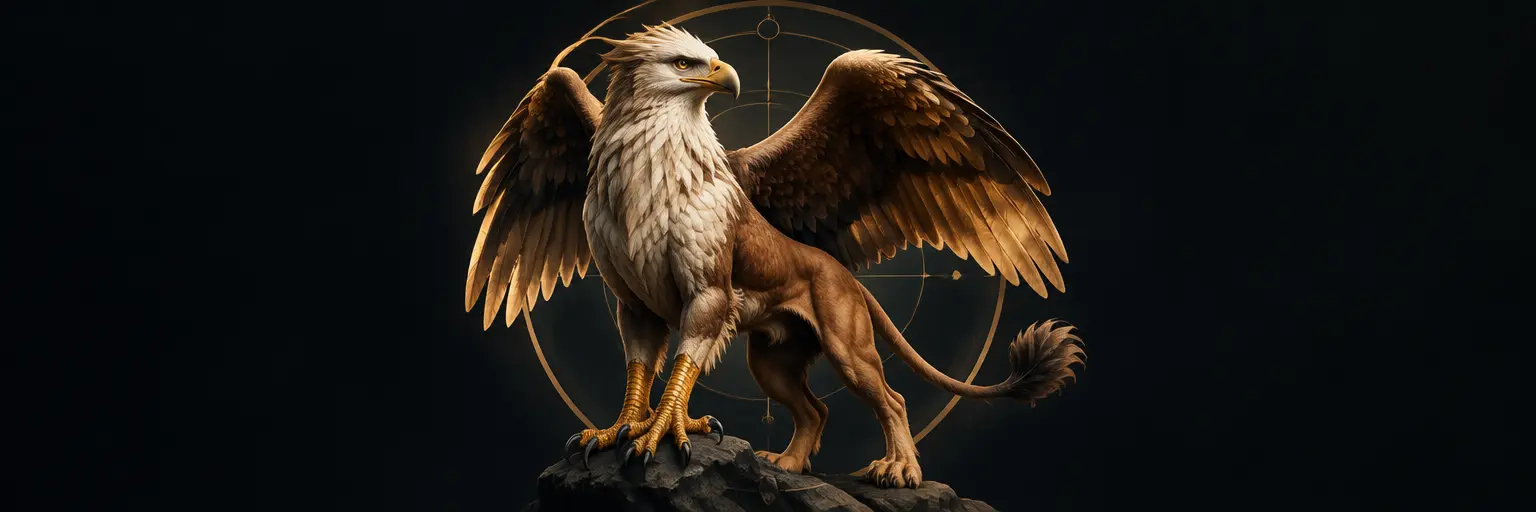
🦅 The Griffin: Eagle and Lion in Majestic Union
The Griffin (or griffon) combines the body of a lion with the head and wings of an eagle, embodying the king of beasts and the king of birds. Originating in ancient Near Eastern and Greek mythology, the griffin was associated with gold hoards, divine power, and watchfulness. This segment explores how it became a symbol of strength and vigilance in heraldry, architecture, and even early Christian art. You’ll uncover its supposed origins in fossilized dinosaur bones that Greek travelers may have discovered in Scythia, as well as its role in Dante’s writings and modern fantasy franchises.
Expect a detailed examination of the griffin’s dual dominion over earth and sky, which made it a perfect guardian figure for temples and palaces. Our guide targets high-value keywords such as “griffin mythology,” “griffin symbolism,” and “mythical bird-lion” to enhance your search visibility. We also compare the griffin to similar hybrids like the hippogriff (half eagle, half horse) and discuss its frequent appearance in heraldic coats of arms and university emblems. This section is a treasure trove for those interested in heraldry, ancient trade routes, and the enduring appeal of composite animals.
🍷 Satyrs and Fauns: Wild Men of the Forest
The Satyr—a creature with a human upper body and the legs, horns, and tail of a goat—represents the untamed, hedonistic side of nature in Greek mythology. This section differentiates between the Greek satyrs, who were companions of Dionysus, and the Roman fauns, who were gentler woodland spirits. You’ll learn about their roles in theatrical satyr plays, their association with music (especially the panpipe), and their later metamorphosis into devilish figures in Christian art. We also explore how modern media, from Disney’s “Hercules” to the “Chronicles of Narnia,” has reinterpreted these hybrids for new audiences.
Our analysis focuses on the duality of civilization versus wilderness, using effective keywords like “satyr mythology,” “faun meaning,” and “goat-man creature.” We trace their origins from ancient pottery to Renaissance paintings, highlighting how artists depicted their unbridled lust and dance. Expect insights into how the satyr’s hybrid form reflects human anxieties about primal instincts and social order. This section is perfect for readers interested in comparative religion, classical literature, and the psychological symbolism of half-beast deities.
🧩 The Naga: Serpent-Human Guardians of the East
The Naga—a hybrid deity with a human head and torso atop a serpent’s lower half—is a profound figure in Hindu, Buddhist, and Jain traditions. Unlike Western hybrids seen as monstrous, the naga is often a protector of treasures, rivers, and wisdom. This section explores its many forms, from multi-headed cobras in temple bas-reliefs to shape-shifting lovers in folklore. You’ll discover the naga’s role in festival celebrations, its connection to rainfall and fertility, and its appearances in epic tales like the Mahabharata, where the naga kingdom of Nagaloka is vividly described.
Our guide covers the cultural dualism of the naga—both benevolent and dangerous—using SEO-rich terms such as “naga mythology,” “serpent hybrid deity,” and “Naga in Buddhism.” We compare these beings to similar snake-human hybrids like the Egyptian Nehebkau and the Aztec Quetzalcoatl, offering a transcontinental view. Expect detailed explanations of iconography, temple architecture, and modern interpretations in anime and video games. This section is essential for those seeking depth on Asian mythological hybrids and their spiritual significance, proving that hybrid creatures are not only monsters but also revered beings.
Frequently Asked Questions
What defines a hybrid creature in mythology?
A hybrid creature combines physical traits from two or more different animals or humans, such as a griffin (lion and eagle). They often symbolize the merging of opposing forces—strength and wisdom, earth and sky. In mythology, hybrids serve as guardians, omens, or embodiments of natural chaos, with their forms conveying cultural values or fears. Their composite nature makes them instantly memorable and ripe for symbolic interpretation.
Are hybrid creatures unique to Greek mythology?
No, hybrid creatures appear in virtually every global culture. Examples include the Egyptian Sphinx, the Hindu Naga, the Japanese Kirin, and the Native American Thunderbird (sometimes humanoid). While Greek hybrids like the chimera and satyr are famous, each culture created its own blends reflecting local animals and beliefs. This universality suggests a shared human fascination with boundary-crossing beings and the liminal space between nature and humanity.
What is the difference between a mermaid and a siren?
In modern usage, a mermaid is a half-human, half-fish being often benign or romantic, while a siren originally was a half-bird, half-woman in Greek myth who lured sailors to death with song. Over time, sirens were conflated with mermaids, especially in medieval bestiaries. Today, the distinction is blurred, but historically, sirens were dangerous avian hybrids, whereas mermaids were aquatic humanoids with varied temperaments.
Why are many hybrid creatures depicted as guardians?
Hybrids often combine the best attributes of their parts—for example, the eagle’s sight with the lion’s courage—making them ideal protectors. In temples and tombs, these beings were believed to ward off evil spirits. Their unnatural forms also inspire awe and fear, deterring intruders. Culturally, guardians like the sphinx or naga also symbolize the threshold between the mundane and divine, enforcing sacred spaces and preserving cosmic order.
How have hybrid creatures influenced modern entertainment?
From movies like “Pan’s Labyrinth” to games like “Final Fantasy,” hybrid creatures remain central to fantasy worldbuilding. They appear in tabletop RPGs (Dungeons & Dragons uses griffins, chimeras, and nagas), anime (Pokémon’s many cross-species designs), and literature like “Percy Jackson.” These modern adaptations keep ancient symbols alive, often reinterpreting them to explore themes of identity, transformation, and bioethics. The enduring appeal lies in their visual impact and narrative flexibility.