The Sentinel Mountains: Peaks Guarded by Mythical Beings and Spirits
🌄 Discover the Sentinel Mountains, where towering peaks are deeply rooted in sentinel mountains mythical creature folklore. These legendary beings and spirits…
Read article
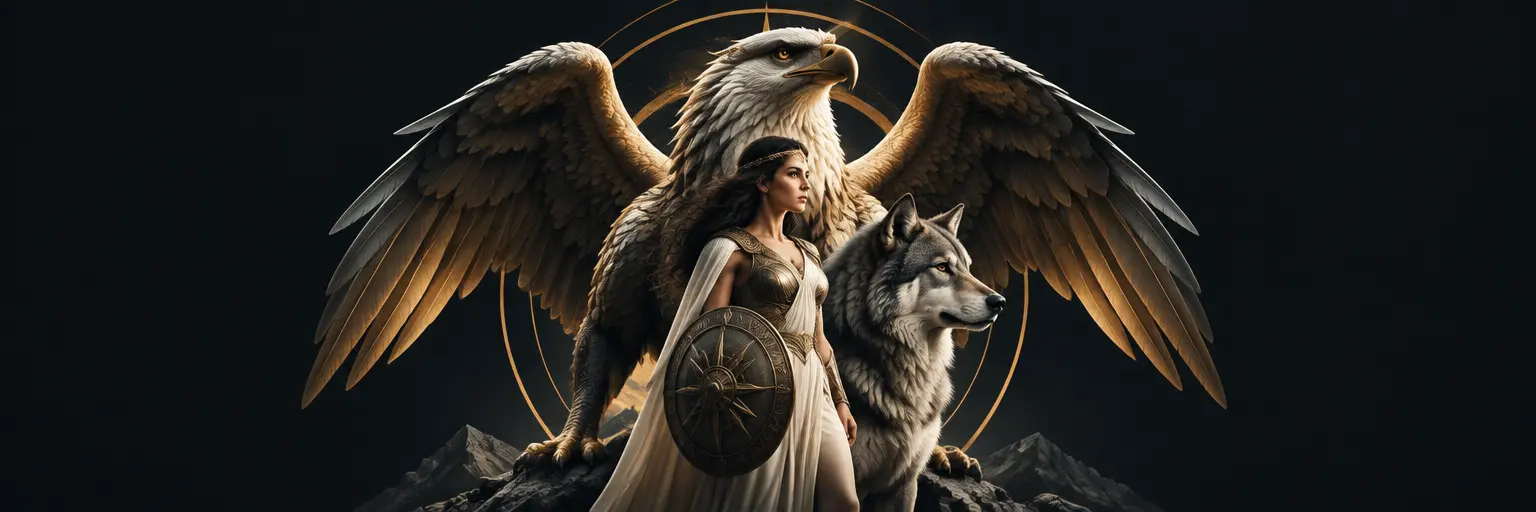
Dive into the timeless allure of mythical guardians and celestial protectors—the fierce, noble, and mystical beings who stand watch over sacred realms, hidden treasures, and the delicate balance between worlds. From the watchful dragons of Eastern lore and the winged griffins of ancient Greece to the valiant angels and spirit animals that shield heroes on their quests, these legendary sentinels embody courage, loyalty, and supernatural power. Explore how cultures across the globe have imagined their ultimate defenders—whether as towering stone giants, benevolent deities, or shapeshifting spirits—and uncover the symbolic meaning behind their unwavering vigilance. Perfect for mythology enthusiasts, fantasy writers, and curious explorers, this collection reveals epic stories of protection, sacrifice, and divine intervention that continue to inspire modern films, games, and literature. Unveil the secrets of these enduring icons and see why humanity has always looked to the heavens—and the shadows—for guardians who never sleep.

🌄 Discover the Sentinel Mountains, where towering peaks are deeply rooted in sentinel mountains mythical creature folklore. These legendary beings and spirits…
Read article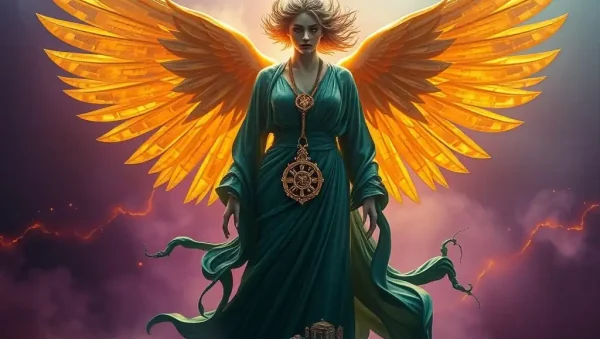
🛡️ Discover the intriguing world of mythological protector spirits cost—unveiling the true price of divine guardianship across cultures and how these legendary…
Read article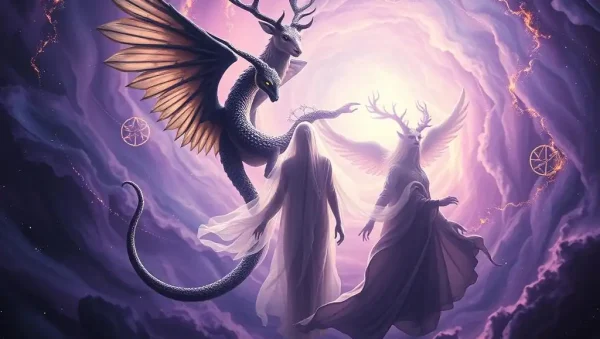
✨ Discover how mythical beings guide afterlife journeys across cultures, serving as guardians and guides for souls. Explore their timeless roles in…
Read article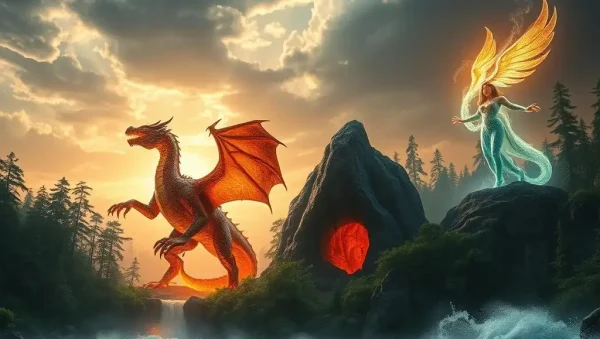
🌿 Discover the mighty elemental guardians of folklore and mythology stories, fierce protectors embodying nature’s untamed power. Their legendary tales inspire awe…
Read articleExplore the fascinating world of Guardians and Protectors within our Mythical Creatures and Beings collection. Here, we delve into the divine and heroic figures tasked with safeguarding sacred spaces, guiding humanity, and defending the natural order. These beings—from fierce celestial sentinels to benevolent household spirits—embody the universal human need for safety, moral direction, and cosmic balance. Uncover their origins, cultural variations, and enduring symbolism in art, literature, and modern media.
This section focuses on heavenly protectors who serve higher powers, guarding the gates of paradise, cosmic realms, or the laws of the universe. You’ll encounter figures like the Seraphim in Judeo-Christian lore, the Devas in Hindu tradition, and the Four Heavenly Kings in Buddhism. These entities are often depicted as radiant, powerful, and awe-inspiring, wielding weapons or sacred symbols to repel evil and maintain cosmic harmony. Their stories reveal how ancient cultures imagined order amidst chaos.
Expect detailed profiles of each divine guardian, including their iconography, associated myths, and regional variations. For instance, learn how the Valkyries of Norse myth chose fallen warriors, acting as protectors of Valhalla, while the Lares in Roman households guarded family lineage. We also explore how these celestial beings have been reinterpreted in fantasy franchises, from angelic hosts in games to cosmic superheroes, showing their lasting appeal as symbols of invincible protection.
Many cultures revered creatures like dragons, griffins, and qilin as living guardians of treasure, temples, and entire kingdoms. Unlike malevolent beasts, these animals are noble sentinels, often possessing intelligence and magical abilities. This section details their physical traits, behavioral codes, and the rituals humans performed to earn their favor. For example, Chinese foo dogs (actually lions) stand at palace entrances to ward off malevolent spirits, while Japanese komainu guard shrines.
Dive into comparative studies: how the sphinx in Egypt and Greece served as a guardian of knowledge and passage, and how the thunderbird in Native American lore protects humans from underwater serpents. You’ll also find modern adaptations—think of the loyal griffins in Harry Potter or the protective dragons in How to Train Your Dragon—that soften their fierce reputations. Discover how these creatures symbolize courage, loyalty, and the sacred trust between nature and civilization.
Not all guardians inhabit grand myths; many dwell in everyday homes. This subcategory covers household spirits like the Roman Penates, Slavic Domovoi, and Scottish Brownies. These beings are believed to protect the hearth, family members, and livestock, often rewarding kindness and punishing neglect. Their stories are rich with moral lessons about hospitality, cleanliness, and respect. We explain how families would leave offerings—milk, bread, or small trinkets—to maintain their goodwill.
Explore the deep connection between these protectors and ancestor veneration, where deceased family members act as invisible guardians. In many African and Asian cultures, ancestral spirits are invoked during crises or major life events. This section also examines the psychological comforting role these beliefs play, offering a sense of continuity and security. Modern parallels include the “guardian angel” concept in contemporary spirituality, as well as house-respecting characters in folklore podcasts and family movies, demonstrating the timeless need for intimate protection.
Here, we focus on beings that protect natural landscapes—rivers, forests, mountains, and oceans. Examples include Undines (water spirits), Sylphs (air spirits), and Salamanders (fire spirits), as well as more localized entities like the Greek Dryads (tree nymphs) and Slavic Leshy (forest guardians). These protectors are often moody and unpredictable, requiring humans to follow ecological taboos. Their myths serve as early environmental ethics, warning against greed and disrespect toward nature.
You’ll learn how elemental guardians vary across geographies—for instance, the water-dwelling Naga in South Asia versus the storm-controlling Raiju in Japan. We also discuss how these beings influence modern environmental movements, with eco-fiction and documentaries drawing on mythological imagery to promote conservation. By understanding these protectors, readers gain insight into how ancient cultures personified natural forces, creating relatable allies or adversaries that taught respect for the planet’s fragile balance.
Some of the most iconic protectors are not supernatural but heroic mortals or demigods who defend entire civilizations. This section celebrates figures like **Hercules**, **Joan of Arc**, **Beowulf**, and **Arjuna**, whose courage and strength shielded their people from monsters, tyrants, and divine wrath. Unlike celestial beings, these heroes often struggle with human flaws, making their protective quests more relatable. Their stories emphasize bravery, sacrifice, and the moral duty to protect the vulnerable.
Examine the cultural functions of these heroes: how they model ideal citizenship, military valor, or religious devotion. For example, **King Arthur** embodies justice and chivalry, while **Gilgamesh** learns humility through his protective quests. We also analyze modern reinterpretations in superhero comics and epic films, where ordinary individuals gain powers to become guardians of cities or worlds. This section bridges mythology and contemporary storytelling, showing that the archetype of the hero-protector remains vital for inspiring resilience and ethical leadership.
In mythology, a guardian often refers to a being assigned a specific duty—such as guarding a gate, a treasure, or a sacred site—and may be bound by rules or oaths. A protector is broader, actively intervening to shield individuals, communities, or natural realms from harm, without necessarily having a fixed location. Many beings, like dragons or angels, can be both, but the nuance lies in scope and agency.
Yes, common symbols include shields, swords, keys, and fire (to purify or repel evil). Animals like lions, eagles, and serpents also symbolize protective strength. Additionally, protective circles, amulets, and sacred geometry—like the pentagram or triskelion—are frequently linked to guardian spirits across cultures. These symbols are often used in rituals, talismans, and architectural decorations.
Household protectors, such as brownies or penates, are intimately tied to family life and domestic spaces, offering practical help and moral guidance. Nature guardians, like dryads or undines, oversee ecosystems and animal populations, often without direct interest in human affairs. While household spirits require regular offerings and respect, nature guardians demand observance of environmental taboos, and their ire is usually triggered by ecological destruction.
Absolutely. Modern characters like Wonder Woman, Doctor Strange, or Groot embody the same archetypal traits as ancient guardians—sacrifice, vigilance, and moral conviction. Their stories adapt mythological motifs to contemporary issues (e.g., climate change, social justice). Even video game characters like Link from Zelda function as protectors, showing that the concept evolves while preserving its core narrative function.
Multiple arms (e.g., Hindu deities like Shiva) symbolize the ability to act in many directions simultaneously, defending against threats from all sides. Multiple eyes (e.g., Argus in Greek myth) signify constant watchfulness and awareness. These physical exaggerations highlight the protector’s omniscient vigilance and readiness to intervene, making their power visually comprehensible to devotees and storytellers alike.