
Nature's Fiercest Protectors: Elemental Guardians of the Untamed Wild

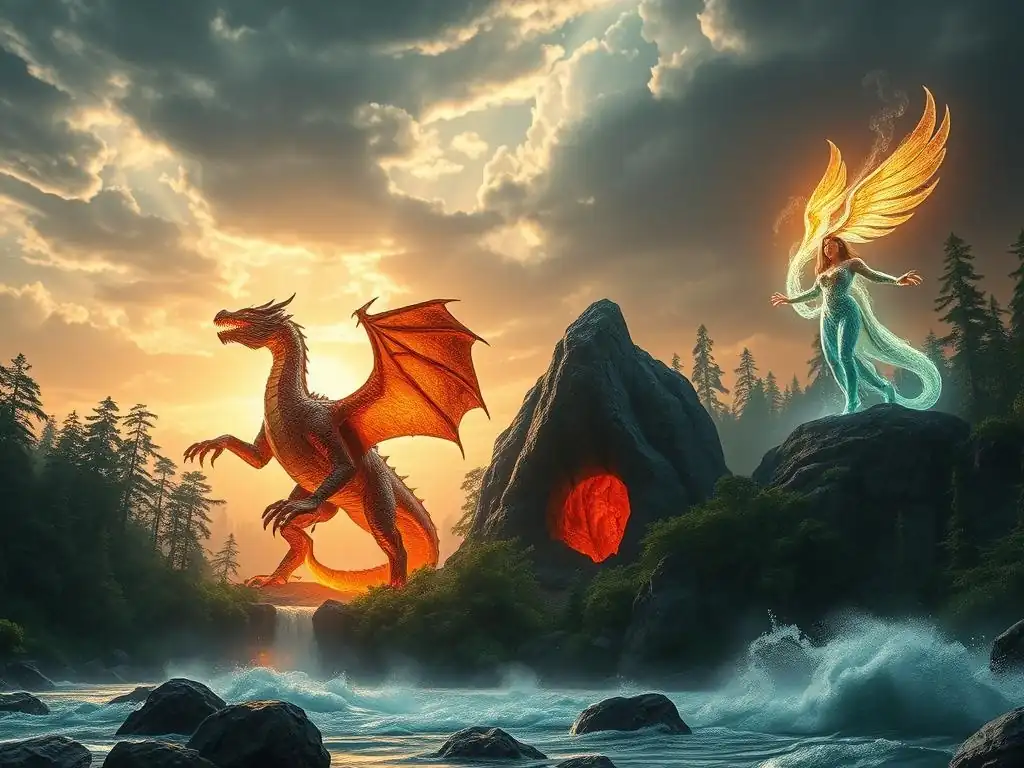
Welcome to Mythology and Legends, where ancient tales come alive.
What if the very forces of nature possessed protectors, beings woven from earth, water, fire, and air? Delve into the captivating world of elemental guardians folklore mythology stories and discover the fierce entities that cultures across the globe believed safeguarded the untamed wild. Prepare to uncover their secrets, their powers, and the enduring legacy they hold in the tapestry of human imagination… are you ready to meet them?
- Elemental Guardians: Protectors of the Natural World
- Introduction to Elemental Guardians in Mythology
- The Classical Elements and Their Guardians
- Other Elemental Guardians
- Elemental Guardians in Different Cultures
- Elemental Guardians: Symbolism and Meaning
- Elemental Guardians in Modern Culture
- Conclusion: The Enduring Power of Elemental Guardians
-
Frequently Asked Questions
- What are Elemental Guardians in folklore and mythology?
- Where do stories of Elemental Guardians originate?
- How are Elemental Guardians typically depicted in mythology stories?
- What role do Elemental Guardians play in their respective folklore?
- How has the concept of Elemental Guardians influenced contemporary society?
- Final Reflection: Echoes of the Wild in Our Modern World
- Unleash Your Inner Guardian: Explore the Power of Nature's Myths!
Elemental Guardians: Protectors of the Natural World
Introduction to Elemental Guardians in Mythology
The Enduring Appeal of Elemental Guardians
Across countless cultures and throughout recorded history, humanity has woven intricate narratives around the forces of nature. From the crashing waves of the ocean to the towering silence of ancient forests, the natural world has been perceived not just as a physical environment but as a realm imbued with spirit and power.
This deep connection gives rise to the concept of elemental guardians – powerful beings intrinsically linked to the fundamental components of the earth, water, fire, and air, often appearing in elemental guardians folklore mythology stories as protectors or embodiments of these forces. Their enduring appeal lies in their personification of nature's raw power and beauty, offering a sense of wonder and a framework for understanding the unpredictable world around us.
These elemental protectors serve various roles in global myths, sometimes acting as benevolent stewards of specific natural locations like springs, mountains, or windswept plains, and at other times embodying the destructive potential of their associated element. The rich tapestry of elemental guardians folklore mythology stories provides insights into how ancient peoples perceived their relationship with the environment, often emphasizing respect, balance, and the consequences of disrupting the natural order.
Whether viewed as divine beings, nature spirits, or mystical creatures, these guardians reflect a universal human attempt to connect with, explain, and sometimes appease the powerful forces that shape our existence.
Defining Elemental Guardians: Protectors of Nature
Elemental guardians are broadly defined as mythical beings or spirits whose essence, power, and domain are directly tied to one or more of the classical elements: earth, water, fire, or air. Unlike deities who might rule over elements as part of a broader pantheon, elemental guardians are often seen as being the element itself or its primary caretaker within a specific locale or across the globe. They are the personifications of natural phenomena, guardians of ecological balance, and sometimes intermediaries between humanity and the wild, untamed aspects of the world.
These protectors of nature vary widely in form and temperament depending on the cultural context and the specific element they represent. An earth guardian might be a stoic, mountain-like entity, while a water guardian could manifest as a fluid, ever-changing spirit of a river or sea.
Their primary function in elemental guardians folklore mythology stories is often protection – safeguarding ancient forests, ensuring the flow of vital waters, maintaining the purity of the air, or preserving the stability of the land. Understanding these beings helps us appreciate the diverse ways different societies have conceptualized the sacredness and power inherent in the natural world.
The Classical Elements and Their Guardians
Earth Elementals: Guardians of the Terrestrial Realm
Earth elementals are among the most grounded and enduring figures in elemental guardians folklore mythology stories. They are intimately connected to the physical substance of the world – the soil, rocks, mountains, and caves. These guardians embody stability, endurance, and the deep, foundational power of the land itself. Their presence is often felt in places of great geological significance, such as ancient stone formations, deep caverns, or the roots of old-growth forests. They are the keepers of the earth's secrets, including hidden minerals, underground rivers, and the slow, inexorable processes that shape the planet.
Beliefs in earth elementals are widespread, appearing in European folklore, Asian myths, and indigenous traditions worldwide. They are often depicted as slow-moving, incredibly strong, and deeply connected to the cycles of growth and decay within the earth. Their role as guardians can involve defending sacred sites from intrusion, causing earthquakes or rockslides when angered, or nurturing the fertility of the soil. The tales of elemental guardians folklore mythology stories surrounding these beings highlight the importance of respecting the land and recognizing its inherent vitality and power.
Earth Guardian Powers: Strength and Stability
Earth guardian powers are fundamentally linked to the physical properties of the earth itself. They possess immense physical strength, capable of moving mountains or shaping stone. Their connection to the land grants them unparalleled stability, making them incredibly difficult to displace or harm within their domain. They can often manipulate earth and stone, creating barriers, opening passages, or causing the ground to tremble.
Beyond physical manipulation, earth guardians also embody stability and endurance. They represent the slow, persistent power of nature, capable of withstanding immense pressure and outlasting fleeting phenomena. Some myths attribute to them the power over minerals and gems, granting them insight into the earth's hidden treasures and sometimes the ability to influence their formation or discovery.
Examples of Earth Elementals: Gnomes and Terra Spirits
One of the most well-known examples of earth elementals in European folklore are the gnomes. Often depicted as small, ancient beings living underground, gnomes are said to be guardians of the earth's treasures, particularly minerals and precious stones. Paracelsus, the Renaissance alchemist, described gnomes as the elementals of earth, living deep within the earth's crust. While sometimes portrayed as reclusive or even mischievous, their core association is with the solidity and richness of the land.
Beyond gnomes, various cultures have spirits specifically tied to the land. Terra spirits or spirits of the land are common in many animistic beliefs, seen as the consciousness or guardian of a specific place – a hill, a valley, or a forest. In Japanese Shintoism, the Kami of mountains (Yama-no-Kami) or specific geographical features can be seen as earth guardians. These examples from elemental guardians folklore mythology stories illustrate the diverse forms earth elementals take, all sharing a fundamental connection to the terrestrial realm.
Water Elementals: Protectors of Aquatic Realms
Water elementals are the fluid, ever-changing spirits and beings that inhabit and protect the world's waters – oceans, rivers, lakes, springs, and even rain. They embody the multifaceted nature of water: its life-giving properties, its cleansing power, and its potential for overwhelming destruction. Unlike the stoic earth elementals, water guardians are often depicted as more dynamic, emotional, and adaptable, reflecting the element they represent.
These protectors are central figures in coastal cultures, riverine societies, and any community whose survival depends on access to water. Their stories in elemental guardians folklore mythology stories often revolve around the source of water, its purity, and the dangers or blessings it can bring. From benevolent spirits ensuring good harvests through rain to vengeful beings causing floods or shipwrecks, water elementals highlight humanity's complex and often precarious relationship with this vital element.
Water Guardian Powers: Healing and Transformation
The powers of water guardians are as diverse as the bodies of water they inhabit. A primary power is control over water itself – summoning rain, creating waves, controlling currents, or shaping ice. Water's association with life gives these elementals powers of healing and nurturing, often linked to sacred springs or rivers believed to have restorative properties. They can cleanse and purify, washing away impurities both physical and spiritual.
Transformation is another key power. Water elementals, like water itself, can change form – from mist to solid ice, from a gentle stream to a raging torrent. This metamorphic quality extends to their influence, sometimes allowing them to change the forms of others or lead individuals through spiritual transformations. Their connection to the deep, mysterious parts of the ocean or hidden springs also links them to intuition and the subconscious.
Examples of Water Elementals: Undines and Sirens
In European alchemical tradition, Undines (or Ondines) are the elemental spirits of water, often depicted as beautiful, human-like beings dwelling in lakes and rivers. They are said to lack souls and seek union with humans to gain one, a concept popularized by figures like Paracelsus. While sometimes portrayed romantically, they are fundamentally tied to the water's essence and its ability to flow and change.
Other notable water guardians or spirits in elemental guardians folklore mythology stories include the Sirens of Greek mythology, though often seen as dangerous temptresses, their power is inextricably linked to the sea and its perils. In Slavic folklore, the Rusalka is a water spirit associated with rivers and lakes, often depicted as the souls of drowned women, capable of luring people to their watery demise but also sometimes associated with fertility.
The Kappa of Japanese folklore is a mischievous, sometimes dangerous, water imp residing in rivers and ponds. These examples showcase the dual nature of water elementals – capable of both nurturing life and causing destruction.
Fire Elementals: Guardians of Flame and Energy
Fire elementals are perhaps the most volatile and awe-inspiring guardians in elemental guardians folklore mythology stories, embodying the transformative and destructive power of flame, heat, and energy. They are linked to volcanoes, lightning strikes, wildfires, and the hearth. These guardians represent passion, purification, destruction, and creation, reflecting fire's ability to both consume and forge anew.
Beliefs in fire elementals are found in cultures that have experienced the power of volcanoes, faced devastating wildfires, or relied on fire for warmth, cooking, and crafting. They are often depicted as energetic, unpredictable, and potentially dangerous beings. Their stories serve as cautionary tales about the respect due to fire's power and its necessity for both survival and destruction, a fundamental paradox explored in many elemental guardians folklore mythology stories.
Fire Guardian Powers: Destruction and Creation
The primary powers of fire guardians revolve around the manipulation of heat and flame. They can ignite fires, control their intensity, and direct their spread. This grants them immense destructive power, capable of razing forests or melting stone. However, fire is also the element of creation and transformation. Fire elementals are associated with forging, smelting, and the alchemical processes that turn raw materials into something new.
They embody energy, passion, and purification. Fire can cleanse, burning away impurities. It provides warmth and light, essential for life. Some myths link fire elementals to inspiration and divine energy, seeing them as sparks of the creative force. Their unpredictability makes them formidable allies or terrifying adversaries, emphasizing the dual nature of the element they guard.
Examples of Fire Elementals: Salamanders and Fire Spirits
In European tradition, the Salamander is the elemental spirit of fire, often depicted as a lizard-like creature that can live in or withstand flames. Paracelsus described salamanders as living within fire, feeding on it. While the mythical salamander shares little with the actual amphibian, its association with fire as its natural habitat firmly places it within the category of fire elementals in elemental guardians folklore mythology stories.
Various cultures have other fire spirits. The Ifrit in Arabian mythology are powerful, often malevolent, elemental spirits of fire, sometimes associated with jinns. In some Native American traditions, spirits are associated with the sacred fire used in rituals, acting as guardians of its purity and power. These examples highlight the diverse manifestations of fire elementals, all linked by their mastery and embodiment of flame.
Air Elementals: Spirits of the Winds and Sky
Air elementals are the intangible, omnipresent guardians of the atmosphere, winds, and sky. They embody freedom, movement, communication, and intellect. Unlike the more grounded or tangible elementals, air guardians are often depicted as formless, invisible, or ethereal beings, reflecting the nature of the element they represent – vital yet unseen, powerful yet yielding.
Beliefs in air elementals are found in cultures that experience significant wind patterns, rely on weather for agriculture, or look to the sky for omens and direction. They are the carriers of messages, the stirrers of storms, and the breath of life. Their stories in elemental guardians folklore mythology stories often speak of journeys, change, and the power of the unseen forces that shape the world from above.
Air Guardian Powers: Invisibility and Swiftness
Air guardian powers are primarily associated with the manipulation of air and wind. They can summon breezes, create gales, or whip up devastating storms. Their connection to the atmosphere grants them abilities related to invisibility and swiftness, moving unseen and traversing vast distances in moments. They are the masters of the sky, controlling weather patterns and guiding airborne phenomena.
They also represent communication and thought. Air is the medium of sound and breath, linking air elementals to spoken words, ideas, and the flow of information. Some myths associate them with inspiration, prophecy, and the ability to perceive things others cannot. Their elusive nature makes them mysterious figures in elemental guardians folklore mythology stories.
Examples of Air Elementals: Sylphs and Zephyrs
In European alchemical tradition, Sylphs are the elemental spirits of air, described by Paracelsus as tall, slender, and graceful beings inhabiting the air. They are often depicted as benevolent or neutral, associated with clouds, winds, and the higher realms. Their ethereal nature makes them difficult to perceive, embodying the unseen yet vital quality of air.
Greek mythology provides the Anemoi, the personifications of the winds, such as Zephyrus (the west wind), Boreas (the north wind), Notus (the south wind), and Eurus (the east wind). While sometimes seen as minor deities or spirits, they function as guardians or controllers of specific atmospheric forces. These examples from elemental guardians folklore mythology stories demonstrate the diverse ways air elementals manifest, from elusive spirits to personified natural forces.
Other Elemental Guardians
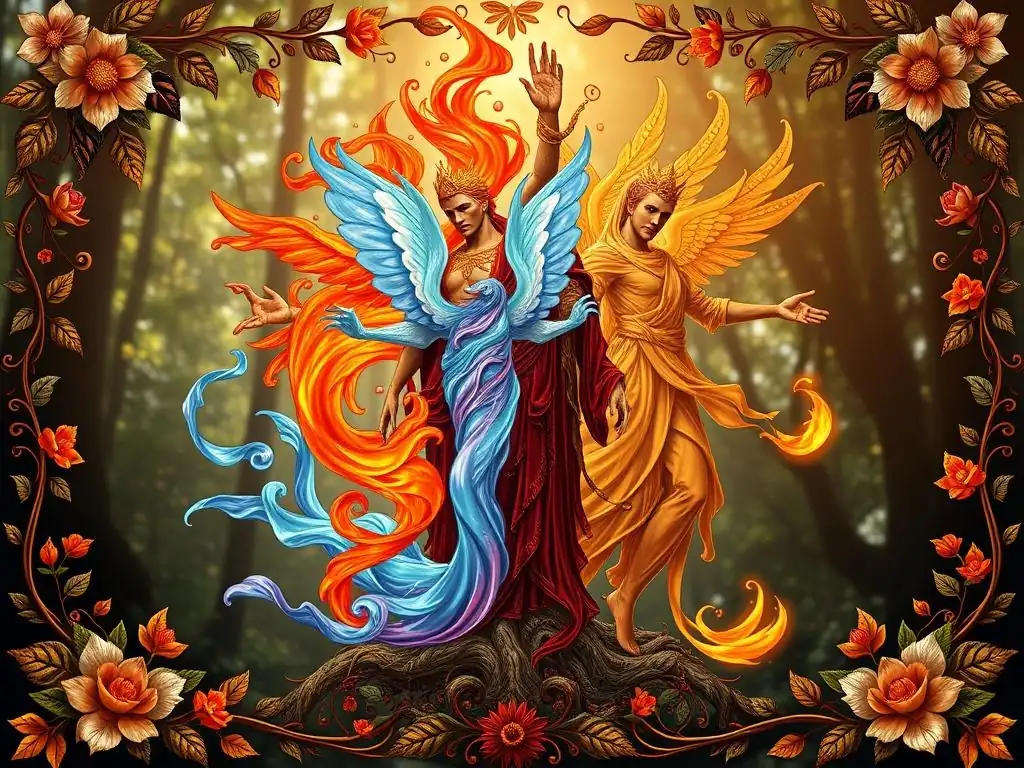
Plant Elementals: Guardians of Forests and Flora
Beyond the classical four, many belief systems recognize elementals tied to other fundamental aspects of nature, such as plant life. Plant elementals are the spirits and guardians of forests, individual trees, sacred groves, and all forms of flora. They embody growth, life cycles, fertility, and the interconnectedness of ecosystems. These guardians are crucial in cultures deeply tied to agriculture, forestry, or the bounty of the plant world.
Their presence in elemental guardians folklore mythology stories highlights the reverence many societies hold for trees and plants, recognizing them as living entities with their own spirits or protectors. They are the keepers of ancient woodlands, the nurturers of crops, and sometimes the source of potent herbal knowledge or magical properties derived from plants. Their role emphasizes the vital role of flora in sustaining life and the need to respect the green world.
Powers of Plant Elementals: Growth and Nurturing
Plant elementals possess powers related to the vitality and processes of plant life. They can influence growth and nurturing, encouraging seeds to sprout, crops to flourish, and forests to thrive. They may control the changing seasons as they relate to plant cycles, bringing forth blossoms in spring or the harvest in autumn.
Some plant guardians are associated with specific trees or plant types, granting them unique abilities derived from those plants, such as healing properties from medicinal herbs or strength from ancient oaks. They can often communicate with plants and animals within their domain, acting as vital links in the forest ecosystem.
Mineral Elementals: Protectors of Gems and Crystals
Mineral elementals are less commonly personified than other types but exist in traditions that recognize the inherent energy and significance of stones, gems, and crystals. These guardians are tied to the earth's geological treasures, residing within mines, caves, and rock formations. They embody permanence, structure, and the hidden energies contained within the earth's crust.
Their role in elemental guardians folklore mythology stories often relates to the discovery, protection, or magical properties of minerals. While perhaps less dynamic than fire or water elementals, they represent the deep, slow processes of geological formation and the enduring power held within the earth's stony heart. Cultures that value mining, craftsmanship involving metals and gems, or the use of crystals for healing or magic often feature beliefs in these guardians.
Mineral Elementals and Craftsmanship
Mineral elementals are particularly linked to craftsmanship involving metals and gems. They are sometimes seen as overseeing the veins of ore or deposits of precious stones, influencing their accessibility or guarding them from those who would exploit them disrespectfully. Dwarves in European folklore, often associated with mining and metalworking, can be seen as figures closely related to mineral elementals, possessing deep knowledge of the earth's materials.
These guardians represent the raw potential held within the earth's minerals, which requires skilled craftsmanship to unlock. Their association highlights the respect due to the materials themselves and the process of transforming them, connecting the natural world's resources with human creativity and labor.
Elemental Guardians in Different Cultures
Elemental Guardians in Celtic Mythology
Celtic mythology is rich with nature spirits and elemental guardians folklore mythology stories deeply tied to the landscape. The Tuatha Dé Danann, while a complex group of divine beings, have strong associations with the land, forests, rivers, and sea of Ireland. Specific figures like the Cailleach, sometimes seen as a divine hag or spirit of winter, embodies the harsh, stony aspects of the land and mountains.
Spirits like the Dryads (or similar tree spirits known by various names) are tied to individual trees, particularly oaks. The Each Uisge or water horse in Scottish folklore is a dangerous water spirit inhabiting lochs and rivers. The concept of the genius loci (spirit of place), prevalent in many ancient European beliefs including those influencing Celtic lands, underscores the idea of powerful, localized elemental protectors tied to specific natural sites like wells, hills, or ancient trees. These examples demonstrate the deep reverence for the natural world embedded in Celtic belief systems.
Elemental Guardians in Shintoism
Shintoism, the indigenous religion of Japan, is fundamentally animistic, with a deep reverence for the natural world and its spirits, known as Kami. While not strictly categorized into classical elements in the Western sense, many Kami function as elemental guardians. For instance, Yama-no-Kami are the Kami of mountains, protecting the forests and wildlife within their domain. Mizu-no-Kami are the Kami of water, residing in springs, rivers, and wells, crucial for agriculture and life.
There are Kami associated with wind (like Fujin) and fire (like Kagu-tsuchi), embodying and controlling these forces. The belief in Kami inhabiting natural objects – ancient trees (Kodama), rocks, waterfalls – means that virtually any significant natural feature can be seen as having its own elemental guardian or spirit. This pervasive sense of nature being alive and inhabited by powerful spirits is a cornerstone of Shinto elemental guardians folklore mythology stories.
Elemental Guardians in Indigenous American Beliefs
Across the diverse cultures of Indigenous peoples of the Americas, beliefs in spirits tied to nature are widespread and central. While specific names and forms vary greatly between tribes and regions, the concept of powerful beings guarding the land, water, sky, and forests is common. For example, many tribes have spirits associated with specific mountains, seen as sacred protectors of the territory. Water spirits inhabit rivers and lakes, sometimes requiring offerings or respect to ensure safe passage or successful fishing.
The spirits of animals, plants, and natural phenomena like thunder or wind are often revered and interacted with. The concept of Mother Earth (or similar figures) as a powerful, nurturing entity underscores the interconnectedness of all life and the importance of respecting the natural world and its various guardians. These rich traditions of elemental guardians folklore mythology stories emphasize living in harmony with nature and recognizing the spiritual essence in every part of the environment.
Elemental Guardians: Symbolism and Meaning
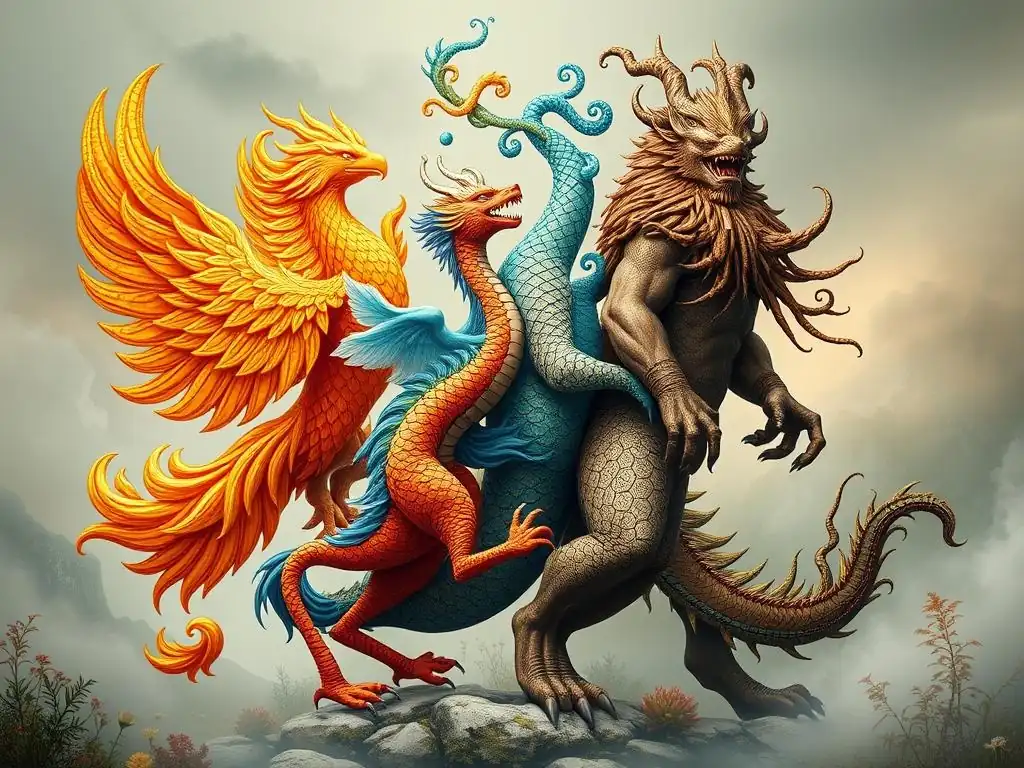
Elemental Guardians as Symbols of Natural Forces
Elemental guardians serve as powerful symbols of the raw, untamed forces of nature. They personify the energy of a wildfire, the relentless flow of a river, the immovable strength of a mountain, or the invisible power of the wind. By giving these forces form and will, humanity creates relatable entities that embody nature's potential for both benevolence and destruction. A fire elemental isn't just fire; it's the spirit of fire, capable of teaching lessons, demanding respect, and reacting to human actions.
This symbolic representation allows for a deeper philosophical and emotional engagement with the natural world. Instead of viewing a storm as a mere meteorological event, it becomes the action of a powerful air or water guardian. This perspective, deeply embedded in elemental guardians folklore mythology stories, fosters a sense of awe and respect for the environment, highlighting its dynamic, living nature rather than seeing it merely as a resource to be exploited.
Elemental Guardians as Protectors of Balance
A crucial aspect of the symbolism of elemental guardians is their role in maintaining natural balance. In many myths, these beings act as stewards of their specific domains, ensuring that the delicate equilibrium of the ecosystem is preserved. An earth guardian might prevent excessive mining, a water guardian might ensure the river doesn't flood uncontrollably unless provoked, and a plant elemental might protect a forest from unnatural harm.
Their actions often reflect the consequences of disrupting this balance. Pollution might anger a water spirit, deforestation could weaken a forest guardian, leading to natural disasters or misfortune. This aspect of elemental guardians folklore mythology stories carries a potent message about ecological responsibility, suggesting that the health of the natural world is intrinsically linked to the actions and respect shown by humanity, and that powerful forces exist to protect that balance.
Elemental Guardians in Modern Culture
Elemental Guardians in Fantasy Literature
The concept of elemental guardians has been enthusiastically embraced and reinterpreted in modern fantasy literature, role-playing games, and popular culture. Writers and creators draw upon the rich traditions of elemental guardians folklore mythology stories to populate their fictional worlds with spirits of earth, water, fire, and air, often giving them complex personalities, motivations, and roles within epic narratives.
In many fantasy series, elemental guardians are depicted as ancient, powerful beings who hold the keys to controlling or understanding the fundamental forces of the universe. They might be allies to heroes, formidable foes, or enigmatic entities whose favor is sought. Their portrayal often reflects their mythological roots, emphasizing their connection to nature's power, their territoriality, and their potential for both aid and destruction. Examples abound in everything from classic fantasy novels to contemporary urban fantasy, demonstrating the concept's enduring versatility.
Environmentalism in Elemental Guardian Folklore
Modern interpretations of elemental guardians folklore mythology stories often resonate strongly with environmental themes. The ancient concept of nature spirits reacting to human disrespect or harm finds a direct parallel in contemporary concerns about ecological damage, climate change, and the loss of biodiversity. Elemental guardians can serve as powerful metaphors for the vulnerability and power of nature in the face of human impact.
Stories featuring elemental guardians today frequently explore themes of conservation, sustainable living, and the consequences of ignoring nature's warnings. The idea that the earth, water, air, and fire have spirits that can be angered or harmed by pollution and destruction is a potent narrative tool for highlighting environmental issues. This modern connection underscores the timeless relevance of elemental guardians as symbols of nature's inherent value and the critical need for humanity to live in harmony with the planet.
Conclusion: The Enduring Power of Elemental Guardians
Remembering Nature's Protectors
Elemental guardians, in their myriad forms and cultural contexts, represent humanity's deep and complex relationship with the natural world. From the ancient gnomes guarding underground treasures to the powerful Kami overseeing Japanese landscapes, these figures in elemental guardians folklore mythology stories embody the fundamental forces that shape our planet and our lives. They remind us that nature is not merely a passive backdrop but a dynamic realm filled with power, mystery, and vital energy.
Remembering nature's protectors is more than just recalling old tales; it is about acknowledging the inherent value and power of the environment itself. The stories of elemental guardians encourage us to look at a mountain not just as rock, but as the domain of a mighty earth spirit; to see a river not just as flowing water, but as the path of a vital, perhaps capricious, water guardian. These narratives, passed down through generations, serve as timeless reminders of the need for respect, balance, and a recognition of the living spirit that permeates the untamed wild.
Frequently Asked Questions
What are Elemental Guardians in folklore and mythology?
Elemental Guardians are mythical beings believed to protect specific aspects of nature, often embodying the power of earth, water, fire, or air. They are powerful entities that serve as caretakers.
Where do stories of Elemental Guardians originate?
Stories of Elemental Guardians are found in diverse cultures around the world. These narratives reflect a deep connection to the natural world and a need to explain natural phenomena.
How are Elemental Guardians typically depicted in mythology stories?
They are typically depicted as powerful beings with abilities related to their element, such as controlling storms or shaping the earth. Their appearance often reflects the element they guard.
What role do Elemental Guardians play in their respective folklore?
They often act as protectors of the balance and can be benevolent or malevolent depending on their treatment. They can reward those who respect nature and punish those who harm it.
How has the concept of Elemental Guardians influenced contemporary society?
The concept has influenced art, literature, and environmentalism, promoting a sense of responsibility towards nature. They've also become popular figures in fantasy and gaming.
Final Reflection: Echoes of the Wild in Our Modern World
The enduring power of elemental guardians in folklore speaks volumes about humanity's deep-seated connection to the natural world; a connection we are increasingly desperate to reclaim in the face of environmental crisis. These mythical protectors, woven into the fabric of countless cultures, aren't just relics of the past; they are potent symbols reminding us of our responsibility to safeguard the planet's delicate balance. Their continued presence in modern storytelling, from fantasy novels to video games, proves their enduring relevance and the persistent human need for narratives that celebrate the power and beauty of nature.
The stories of elemental guardians, passed down through generations, highlight the profound impact nature has had – and continues to have – on shaping human societies and beliefs. They reflect our innate awe and respect for the untamed forces of the earth, wind, fire, and water. These narratives offer a powerful counterpoint to the anthropocentric worldview that has driven much of the environmental damage we see today. The earth laughs in flowers.
– Ralph Waldo Emerson. This simple statement encapsulates the joy and wonder that these guardians represent, a joy we risk losing if we fail to protect the very sources of our inspiration.
Consider the stories you've encountered, the myths that resonate with you. What do the elemental guardians represent to you? Let their enduring legacy inspire you to become a protector of the natural world, in your own way, however small. Embrace the responsibility that comes with inhabiting this planet, and let the echoes of these ancient tales guide you towards a future where the wild thrives, not just in myth, but in reality.
Unleash Your Inner Guardian: Explore the Power of Nature's Myths!
Thanks for joining us on this journey into the heart of nature's mythical protectors! We hope you've gained a deeper appreciation for the power and symbolism woven into these ancient stories. Ready to delve even further?
- Craft your own elemental guardian: Let your imagination run wild! Design a creature combining elements from the myths we explored, giving it unique abilities and a compelling backstory. Share your creation with us in the comments—we'd love to see it!
- Share the wisdom: Spread the wonder of these ancient tales with your friends and family. Discuss your favorite guardian and why they resonate with you.
- Explore related myths: Delve deeper into the rich tapestry of nature mythology. Research other cultures' interpretations of elemental beings and the stories they tell.
What mythical creature, inspired by nature's power, resonates most deeply with you, and why?