Chimeras: Unholy Combinations of Mythical Terror
🧪 Dive into the chilling world of chimeric creatures mythology folklore, where mythical terror takes shape through unholy combinations, revealing the dark…
Read article
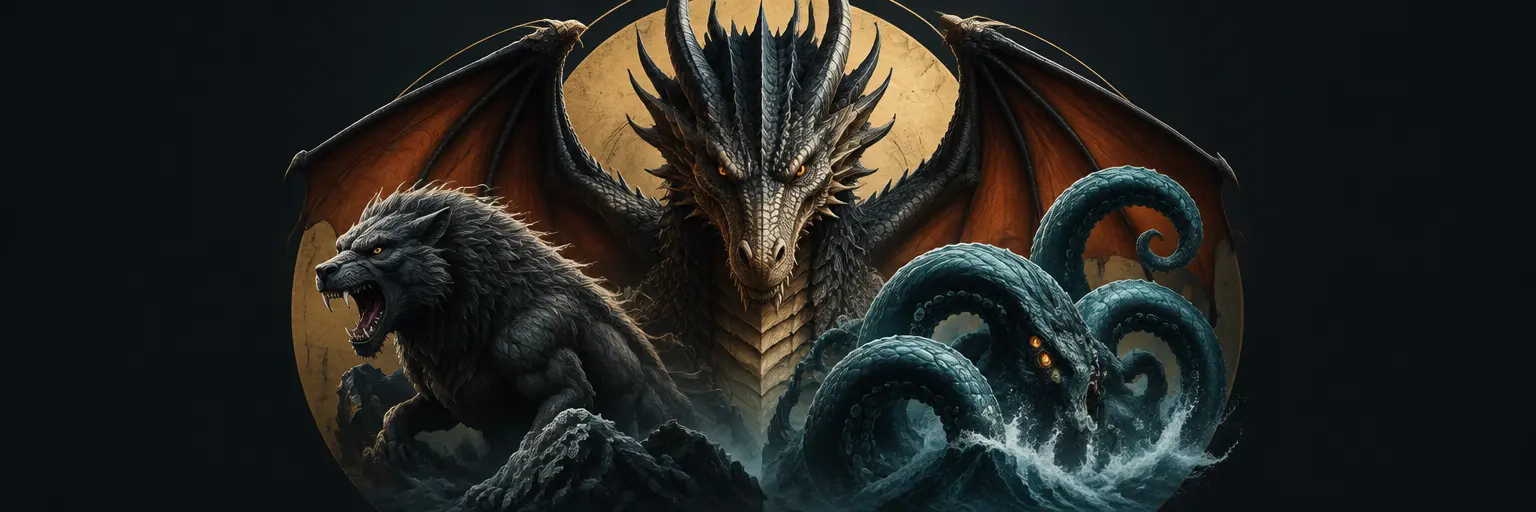
Dive into the shadowy realms of global folklore where Beasts and Monsters roam—from the fire-breathing dragons of European legend to the elusive chupacabra of the Americas. These terrifying yet fascinating creatures are more than just nightmare fuel; they embody humanity’s deepest fears, moral lessons, and the unknown forces of nature. Our curated exploration reveals how these mythical predators have shaped cultural identity, inspired epic sagas, and even influenced modern cinema and literature. Whether you’re a mythology enthusiast or a curious seeker of the supernatural, uncover the origins, symbolism, and enduring legacy of these legendary beings. Prepare to question what lurks beyond the campfire’s glow—and why these age-old stories still captivate our collective imagination today.
🧪 Dive into the chilling world of chimeric creatures mythology folklore, where mythical terror takes shape through unholy combinations, revealing the dark…
Read article
🌵 Discover the chilling world of ancient desert demon folklore stories, where legendary beasts haunt the sands, embodying fears and mysteries from…
Read article
🧠 Discover how the monsters origins fear psychology reveals our deepest anxieties, rooted in ancient myths and cultural narratives. Exploring global legends,…
Read articleWelcome to the Beasts and Monsters subcategory of Mythology and Legends, where we delve into the terrifying, awe-inspiring, and often misunderstood creatures that populate global myths. From the fire-breathing dragons of Europe to the shape-shifting tricksters of Native American lore, these entities are more than just villains—they are symbols of chaos, nature’s fury, and humanity’s deepest fears. Here, you’ll discover detailed profiles, cultural contexts, and the evolution of these legendary beings, all crafted to enrich your understanding of world folklore.
Dragons and serpentine monsters are among the most universal mythical creatures, yet each culture imagines them differently. In this section, we explore the European dragon—a hoarding, fire-breathing adversary of knights—alongside the benevolent Chinese lung, a symbol of wisdom and imperial power. We also examine the Norse Jörmungandr, the world-encircling serpent destined to battle Thor at Ragnarök, and the feathered serpent Quetzalcoatl of Mesoamerica, who brought knowledge to humanity. Expect detailed origin stories, physical descriptions, and the symbolic roles these creatures play in their respective mythologies, helping you see beyond the “monster” label.
For SEO-rich insights, our coverage includes lesser-known serpentine entities like the Basilisk and the Lernaean Hydra, analyzing how their venomous natures and regenerative abilities have been used to explain natural disasters or moral lessons. By comparing these beasts across cultures, you’ll gain a nuanced perspective on why dragons—whether feared or revered—remain central to storytelling, film, and fantasy literature today.
Hybrid creatures—part human, part animal, or a fusion of multiple species—represent the ultimate otherness in mythology. This section focuses on iconic chimeras like the Greek Chimera (lion, goat, serpent), the Sphinx with its riddle and human head, and the Manticore of Persian lore, which combines a lion’s body with a human face and a scorpion’s tail. We also cover the Harpy, a winged storm spirit, and the Centaur, who embodied the dual nature of civilization and wildness. Each profile includes artistic interpretations, ancient sources, and modern reimaginings in movies and games.
Beyond mere cataloging, we analyze the psychological and social functions of these blended beings. Chimeras often served as metaphors for chaos, foreign enemies, or the untamed forces of nature. By studying their varied appearances—from the Anubis jackal-headed god of Egypt to the Garuda eagle-man of Hindu myth—you’ll understand how different societies used hybridity to explore identity, morality, and the boundaries between human and animal. Expect plenty of visual references and cross-cultural comparisons to satisfy both casual readers and dedicated mythologists.
The deep ocean has always been a source of mystery and fear, giving rise to some of the most terrifying beasts in folklore. Here, we dive into the Kraken—a giant cephalopod said to sink ships—and the Leviathan, a biblical sea serpent representing chaos. We also explore the Sirens and Mermaids, whose alluring songs or vengeful nature could doom sailors, alongside the Ichthyocentaurs and the Loch Ness Monster as a modern legend. Each entry delves into maritime folklore, historical sightings, and the scientific explanations that sometimes arise from these tales.
Our analysis highlights how sea monsters were often used to explain real dangers like whirlpools, rogue waves, or unknown creatures such as giant squid. Additionally, we examine regional variations, from the Bunyip of Australian Aboriginal myth to the Pukwudgie of Wampanoag lore, showing how aquatic terrors reflect local environments and survival challenges. This section is perfect for readers interested in nautical legends, cryptozoology, and the enduring power of the ocean’s mystery in storytelling.
Many beasts serve as guardians of sacred spaces, gateways, or the underworld itself. This section profiles creatures like Cerberus, the three-headed dog of Hades, and the Fenrir wolf, destined to break free at Ragnarök. We also include the Anubis jackal deity, the Mothman as a modern harbinger, and the Baku—a Japanese dream-eater who devours nightmares. These beings often embody liminality, standing between life and death, protection and peril. Detailed descriptions include their physical traits, associated rituals, and cultural significance in funerary practices or shamanic traditions.
By examining these guardians and demons, we uncover more than just scary stories—they reflect societal values about order, justice, and the afterlife. For instance, the Egyptian Ammit, who devoured unworthy souls, served as a moral enforcer at the judgment of the dead. Meanwhile, the Komainu lion-dogs of Japanese shrines protect sacred spaces from evil spirits. This section emphasizes how these creatures functioned as spiritual tools, offering comfort or warning, and how their imagery persists in modern horror, gaming, and religious contexts.
The influence of beasts and monsters extends far beyond ancient texts, shaping contemporary literature, film, and digital culture. Here, we trace the journey of creatures like the Werewolf, Vampire, and Golem from folklore to blockbuster franchises, analyzing how their traits have been adapted for modern audiences. We also explore the rise of cryptids—creatures like Bigfoot and the Chupacabra—who blur the line between myth and reported reality. Expect references to popular works like *Game of Thrones*, *Harry Potter*, and *Godzilla*, showing how ancient archetypes remain wildly popular.
Our coverage includes how modern media reinterprets these beasts to address contemporary anxieties, from environmental collapse (e.g., kaiju films) to technological alienation (e.g., AI monsters). Additionally, we discuss the role of internet folklore and urban legends, demonstrating that the creation of new “monsters” is an ongoing human activity. This section is ideal for pop culture enthusiasts, writers seeking inspiration, and anyone curious about the enduring legacy of mythical beasts in our collective imagination.
A beast typically refers to an animal—real or fantastical—that exists within the natural world, often carrying symbolic meaning, like the lion representing courage. A monster, however, usually implies a creature that violates natural laws or causes fear, such as a chimera or a dragon. The line blurs, but monsters often have a malevolent or chaotic essence, while beasts may be neutral or benevolent.
Yes, many! For example, the Kraken likely originated from sightings of giant squid, while the Unicorn may have been based on the Indian rhinoceros. The Manticore possibly stemmed from travelers’ tales of tigers, and the Griffin might have been inspired by dinosaur fossils. Natural phenomena, like volcanoes or tidal waves, also fueled explanations for fiery or sea-dwelling monsters.
Dragons likely emerged from shared human fears of predators, like snakes or large reptiles, as well as natural disasters. Additionally, the discovery of dinosaur fossils may have contributed. Cultural exchanges, such as the Silk Road, also spread dragon motifs, but independent development occurred because humans universally face similar dangers—fire, floods, and wild animals—leading to parallel myth-making.
Absolutely. Many cultures revere monsters as protectors or symbols of balance. For instance, the Chinese dragon brings rain and prosperity, while Fenrir is a force of fate rather than pure villainy. Even Cerberus, though feared, faithfully guarded the underworld. Modern reinterpretations, like the Hulk or Shrek, further humanize monsters, proving their moral ambiguity is central to their narrative power.
Start by understanding a creature’s original cultural context, then adapt its core traits to symbolically represent your theme. For example, a chimera could embody inner conflict, or a siren might represent temptation. Build your beast’s appearance and behavior to enhance plot tension and world-building. Also, consider subverting expectations—make your dragon a guardian or your kraken a tragic figure—to create fresh, compelling narratives.