
The Origins of Monsters: Where Do Our Deepest Fears Come From?

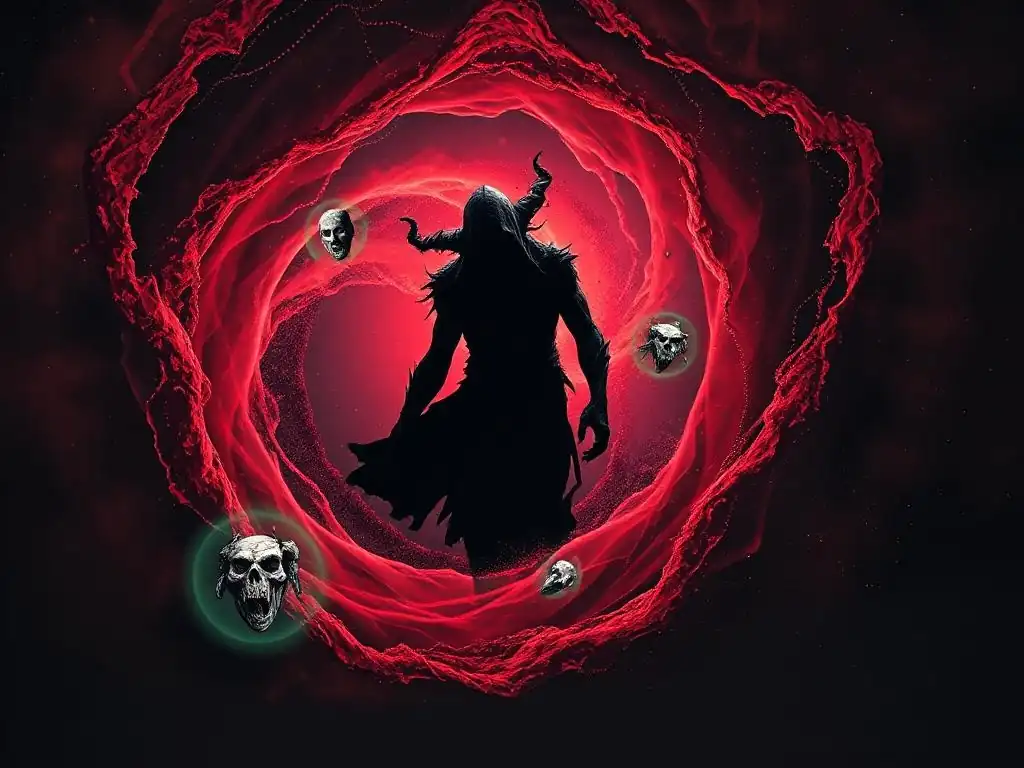
Welcome to Mythology and Legends, a realm where ancient narratives breathe anew. Ever wondered where the chilling figures of our nightmares truly originate? Delve into the captivating world of Monsters, exploring their origins, the fear they inspire, and the underlying psychology that binds us to these terrifying tales. Prepare to confront the shadows – the answers you seek may be closer than you think...
- Introduction: Unveiling the Roots of Monstrous Archetypes in Mythology
- The Psychological Foundation of Monster Creation: Fear and the Human Psyche
-
Cultural Variations in Monster Origins: A Global Perspective
- Ancient Mesopotamian Monsters: Reflecting Cosmic and Societal Fears
- Egyptian Mythology: Gods, Demons, and the Balance of Order and Chaos
- Greek Mythology's Bestiary: Exploring Humanity's Moral and Physical Imperfections
- Norse Mythology: Giants, Serpents, and the Threat to Asgard
- Monsters in Asian Folklore: From Dragons to Yokai – Exploring Cultural Nuances
- The Evolution of Monsters: Adapting to Shifting Societal Fears
- The Monster Within: Exploring the Internalization of Fear and Monstrosity
- Monsters as Metaphors: Symbolism and Deeper Meanings in Monstrous Representations
- Conclusion: The Enduring Relevance of Monster Origins in Understanding Human Fear
-
Frequently Asked Questions
- What is the central argument of the article "The Origins of Monsters: Where Do Our Deepest Fears Come From? "?
- How does the article connect monster origins to psychology?
- Does the article explore how cultural context influences the types of monsters that emerge in different societies?
- According to the article, what role does fear play in the creation and perpetuation of monster myths?
- How does the article suggest that monster myths impact contemporary society?
- Final Reflection: Unmasking the Monsters Within
- Uncover Your Inner Myth: Explore the Roots of Fear!
Introduction: Unveiling the Roots of Monstrous Archetypes in Mythology
For millennia, humanity has populated its stories and nightmares with creatures of terrifying appearance and malevolent intent. These beings, collectively known as monsters, are not merely figments of imagination but profound reflections of our deepest anxieties, cultural values, and understanding of the unknown. Exploring the origins of monsters in mythology and folklore provides a unique lens through which to understand the human psyche and the universal nature of fear. From the ancient beasts guarding the underworld to the shape-shifters lurking in the woods, these monstrous figures serve as powerful archetypes that resonate across cultures and time.
The study of monsters origins fear psychology delves into how these terrifying entities are born from our collective consciousness and individual experiences of dread. It examines the shared patterns in monstrous depictions across disparate cultures, suggesting a common psychological source for our fears. By analyzing the characteristics and behaviors attributed to these creatures, we can uncover the specific anxieties—whether related to nature, society, death, or the self—that gave rise to their enduring presence in human narrative. This journey into the heart of monster creation reveals much about what it means to be human and what terrifies us most.
Exploring the Enduring Power of Monsters in Myth and Legend
Monsters possess an enduring power in myth and legend precisely because they embody the chaotic, the uncontrollable, and the dangerous aspects of existence that challenge our sense of order and security. Think of the Hydra from Greek mythology, a multi-headed serpent whose heads regrow when cut off, symbolizing the overwhelming nature of problems that seem to multiply the more we try to solve them.
Or consider the Wendigo from Algonquian folklore, a creature born of famine and greed, representing the horrifying consequences of selfish consumption and societal breakdown. These figures are more than just scary stories; they are potent symbols that encapsulate complex human experiences and warnings.
The persistence of these monstrous figures across generations highlights their fundamental role in cultural transmission and psychological processing. In ancient societies, tales of monsters often served didactic purposes, warning against venturing into dangerous territories or violating social taboos. For instance, stories of sea monsters like the Kraken in Norse sagas might have reflected the very real perils of ocean travel, acting as cautionary tales for sailors. Simultaneously, these narratives provided a framework for understanding and confronting the unknown, offering a way to externalize and grapple with internal fears, connecting deeply with the study of monsters origins fear psychology.
The Connection Between Psychological Fear and Monstrous Creations
The link between psychological fear and the creation of monsters is profound and foundational. Our innate survival instincts, which trigger fear responses to potential threats, find expression in the characteristics we attribute to monsters: sharp claws, fangs, immense size, supernatural strength, or the ability to appear unexpectedly. These traits often mirror the physical dangers our ancestors faced, such as predators or natural disasters. For example, the fear of snakes, a common human phobia, likely contributed to the prevalence of serpentine monsters like the Midgard Serpent, Jörmungandr, in Norse mythology or the Naga in various Asian traditions.
Beyond immediate physical threats, monsters also personify abstract or societal fears. The fear of disease, for instance, might manifest as creatures that spread plague or corruption, such as certain types of demons or ghouls.
The fear of the "other," of outsiders or those who are different, can be seen in monsters depicted as grotesque, alien beings who threaten the established community. This deep connection underscores that the study of monsters origins fear psychology is not just about ancient myths, but about the fundamental ways our minds process and externalize anxiety, giving shape to the formless dread that lies within us.
The Psychological Foundation of Monster Creation: Fear and the Human Psyche
The human psyche, with its complex interplay of conscious thought, unconscious drives, and emotional responses, serves as the fertile ground from which monsters emerge. Fear, in its myriad forms—from the primal terror of the dark to the existential dread of mortality—is perhaps the most significant catalyst in this creative process. Monsters give form to the formless, providing a tangible entity upon which we can project our anxieties, making the abstract threat seem manageable, if only by giving it a name and a shape. This psychological need to personify fear is a universal aspect of the human experience.
Furthermore, the creation of monsters is deeply intertwined with our psychological defense mechanisms. By externalizing our fears into monstrous entities, we create a narrative where the threat is outside ourselves, something that can potentially be fought, contained, or understood. This process helps individuals and societies cope with overwhelming anxieties that might otherwise be paralyzing. The study of monsters origins fear psychology highlights how these narratives function as a form of collective therapy, allowing communities to process shared traumas and uncertainties through symbolic representation and storytelling.
Archetypes and the Collective Unconscious: Jungian Perspectives on Monsters
From a Jungian perspective, monsters can be understood as powerful archetypes residing within the collective unconscious—universal, archaic patterns and images that derive from the collective experiences of the human race. Carl Jung proposed that these archetypes, such as the Shadow (representing our repressed or unacknowledged aspects), the Anima/Animus (representing unconscious feminine/masculine qualities), and the Trickster, manifest in myths, dreams, and folklore across all cultures. Monsters often embody archetypes like the Shadow, representing the dark, chaotic, or destructive aspects of the human personality or the world itself.
The universal nature of certain monstrous forms—serpents, giants, creatures with exaggerated or distorted human features—suggests they tap into these deep-seated psychological patterns. For instance, the fear of the monstrous feminine, often linked to primal anxieties about nature's unpredictable power or female sexuality, finds expression in figures like the Gorgon Medusa or the Lamia. These archetypal monsters resonate so powerfully because they connect with pre-existing structures within our shared psychological heritage, illustrating a key aspect of monsters origins fear psychology.
The Role of Fear in Shaping Monstrous Attributes: A Psychological Analysis
Fear directly dictates the attributes and behaviors we assign to monsters. The specific nature of the fear often determines the monster's form and abilities. A fear of contamination or disease might lead to monsters that are decaying, infectious, or physically repulsive. The fear of loss of control, whether physical or mental, could manifest as creatures that can possess minds, transform bodies against one's will (like werewolves), or embody uncontrollable natural forces. Consider the Golem of Jewish folklore, born from a fear of helplessness and the desire for protection, given strength and resilience but often depicted as difficult to control.
The psychological analysis of monstrous attributes reveals a direct mapping from human vulnerability to monstrous power. Where humans are fragile, monsters are robust; where humans are ignorant, monsters possess forbidden knowledge; where humans are mortal, some monsters are immortal. This inverse relationship highlights how monsters serve as a projection of our limitations and the terrifying possibilities that lie beyond them. Understanding this process is crucial for comprehending monsters origins fear psychology, showing how our anxieties shape the very fabric of the creatures we invent to scare ourselves.
Social anxieties are particularly fertile ground for the creation of monsters, as these fears often relate to threats to the community, social order, or cultural identity. Monsters frequently embody the perceived dangers posed by outsiders, deviants, or forces that threaten the established norms. The fear of the unknown foreigner might manifest as monsters from distant lands with strange customs and appearances. The fear of internal betrayal or corruption could give rise to shape-shifters or creatures that blend in before revealing their monstrous nature.
Historically, periods of significant social upheaval, plague, or conflict often saw an increase in monstrous folklore or the adaptation of existing monsters to fit new anxieties. The witch trials in early modern Europe, for example, saw individuals accused of consorting with demonic entities and taking on monstrous forms or abilities, reflecting widespread anxieties about religious purity, social control, and unexplained misfortunes like crop failures or illness. This demonstrates how collective anxieties act as a powerful engine driving monsters origins fear psychology within a society.
Cultural Variations in Monster Origins: A Global Perspective
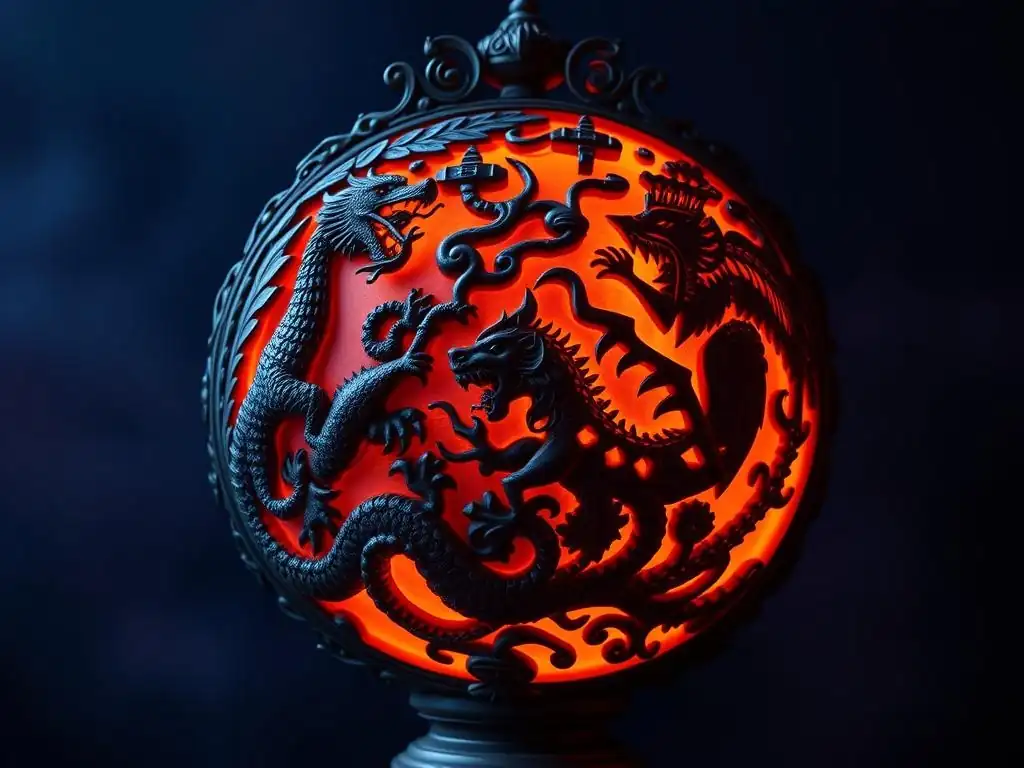
While the psychological roots of monster creation are universal, the specific forms and meanings of monsters vary dramatically across cultures, reflecting unique histories, environments, and societal structures. A global perspective on monster origins reveals how geography, climate, religion, and social organization all contribute to the specific anxieties that shape a culture's monstrous pantheon. What is terrifying in a desert culture might be different from what is feared in a seafaring society, though the underlying principle of confronting the unknown remains constant.
Comparing monsters from different parts of the world allows us to see both universal themes and distinct cultural fingerprints. The fear of death and the afterlife is a common thread, leading to various forms of undead creatures or underworld guardians. However, the specific rituals, beliefs about the soul, and funerary practices of a culture will heavily influence the appearance and behavior of these entities. Exploring these variations enriches our understanding of both human diversity and the fundamental aspects of monsters origins fear psychology that transcend cultural boundaries.
Ancient Mesopotamian Monsters: Reflecting Cosmic and Societal Fears
Ancient Mesopotamia, the cradle of civilization, produced a rich mythology populated by formidable monsters that reflected both cosmic anxieties about the unpredictable forces of nature and societal fears related to order and chaos. The most famous is perhaps Tiamat, the primordial goddess of salt water, depicted as a monstrous serpent or dragon in the Babylonian creation epic, the Enuma Elish. Tiamat embodies the chaotic, untamed forces that threaten the structured world created by the younger gods. Her defeat by Marduk represents the triumph of order over chaos, a central theme in Mesopotamian cosmology.
Other Mesopotamian monsters included protective spirits like the Lamassu (human-headed, winged bulls or lions), but also terrifying demons like the Pazuzu, a winged demon with a monstrous face, associated with wind and plague, particularly threatening to pregnant women and children. These demons represented forces of illness, misfortune, and disorder that lay outside human control, giving concrete form to the anxieties of a society vulnerable to natural disasters and disease. The specific traits of these beings directly tie into the monsters origins fear psychology of this ancient civilization.
Egyptian Mythology: Gods, Demons, and the Balance of Order and Chaos
Egyptian mythology, deeply concerned with order (Ma'at) and chaos (Isfet), featured beings that represented forces that threatened the cosmic balance. While many Egyptian deities had animal forms or aspects, truly monstrous entities often existed at the fringes of the ordered world or the underworld. Apep (or Apophis), the great serpent, is the quintessential Egyptian monster, embodying chaos and darkness. He attempts nightly to devour the sun god Ra as he travels through the underworld, a perpetual threat to the cosmic order and the cycle of life and death.
Other terrifying figures included demons associated with punishment in the afterlife or guardians of the underworld gates, often depicted with composite animal forms like the Ammit, the "Devourer," a creature with the head of a crocodile, the body of a lion, and the hindquarters of a hippopotamus, who consumed the souls of those whose hearts were heavier than the feather of Ma'at. These monsters directly reflected Egyptian fears about the afterlife, divine judgment, and the ever-present possibility of the forces of chaos overwhelming the fragile balance of existence, illustrating distinct aspects of monsters origins fear psychology in this culture.
Greek Mythology's Bestiary: Exploring Humanity's Moral and Physical Imperfections
Greek mythology is arguably one of the most prolific sources of monsters in Western culture, featuring a vast bestiary that often embodied humanity's moral failings, physical limitations, or the terrifying power of nature. Figures like the Minotaur, a creature born from unnatural lust and confined to a labyrinth, represent the consequences of transgression and the fear of being trapped by one's own mistakes or circumstances. The Sirens, with their alluring songs leading sailors to their doom, embody the dangers of temptation and the irresistible, destructive power of certain desires.
Other Greek monsters, such as the Chimera (a fire-breathing hybrid of lion, goat, and serpent) or the Lernaean Hydra, presented physical challenges that required heroic effort and ingenuity to overcome, symbolizing the struggle against overwhelming external threats. Even gods could take on monstrous forms or unleash monstrous beings, highlighting the unpredictable and often terrifying nature of divine power. This rich tapestry of creatures provides fertile ground for examining monsters origins fear psychology, showing how ancient Greeks personified their fears of the unknown, the uncontrollable, and the consequences of human action.
Norse Mythology: Giants, Serpents, and the Threat to Asgard
Norse mythology is characterized by a sense of impending doom (Ragnarök) and a world constantly under threat from powerful, often monstrous forces. The primary antagonists are the Jötnar (giants), not always monstrous in appearance but representing primordial, chaotic forces and the wilderness that stands in opposition to the gods' ordered world. More explicitly monstrous figures include Jörmungandr, the Midgard Serpent, so vast it encircles the world, and Fenrir, the colossal wolf, both children of Loki and symbols of uncontrollable destructive power destined to play a key role in the final battle.
These Norse monsters embody fears related to the forces of nature, the breakdown of order, and the inevitability of fate. The harsh environment of the Norse world, with its long winters and unforgiving seas, is reflected in the scale and power of its monsters. The constant struggle of the gods against these entities mirrors the human struggle for survival and meaning in a perilous world. Studying these figures offers insights into how a culture's environment and worldview shape its monsters origins fear psychology.
Monsters in Asian Folklore: From Dragons to Yokai – Exploring Cultural Nuances
Asian folklore presents an incredibly diverse range of monstrous beings, reflecting the vast cultural and geographical landscape of the continent. Dragons, for example, vary significantly: in East Asia (China, Japan, Korea), dragons are often benevolent or neutral spirits associated with water, rain, and good fortune, unlike the malevolent, hoard-hoarding dragons of European myth. This difference highlights how the same archetypal creature can take on vastly different meanings based on cultural perceptions and values.
Japanese folklore is particularly rich in Yokai—a broad term encompassing ghosts, demons, spirits, and monsters. Yokai often embody specific anxieties related to everyday life, nature, or social transgressions. The Kappa, a water-dwelling creature, might warn children about the dangers of rivers, while the Rokurokubi, a woman whose neck can stretch to incredible lengths, might embody fears related to female independence or hidden aspects of people we know. These creatures provide a nuanced look at monsters origins fear psychology, showing how fears can be tied to specific social contexts, everyday dangers, and even mundane objects or places.
The Evolution of Monsters: Adapting to Shifting Societal Fears
Monsters are not static entities; they evolve and adapt over time, their forms and meanings shifting to reflect the changing fears and anxieties of the societies that create them. As cultures encounter new technologies, social structures, diseases, and existential threats, their monsters transform to embody these new sources of dread. This evolution demonstrates that while the need for monsters might be constant, their specific manifestations are deeply rooted in the historical and contemporary context.
The study of monster evolution provides a fascinating timeline of human fear. The agrarian societies feared beasts that threatened crops or livestock; industrial societies might have feared the monstrous potential of machines or the anonymity of the urban crowd; and modern societies fear pandemics, technological singularity, or the loss of individual identity. Tracking these changes is essential for understanding the dynamic nature of monsters origins fear psychology.
From Ancient Deities to Modern-Day Cryptids: The Shifting Landscape of Fear
The landscape of fear has dramatically shifted from the ancient world to the present day, and so have our monsters. Ancient fears often revolved around natural forces, angry deities, or the chaos outside the community's borders. Monsters like Sphinxes or Gorgons represented divine displeasure or cosmic threats. With the rise of monotheism and changing worldviews, the focus shifted more towards demonic entities representing evil or temptation, as seen in the Abrahamic traditions.
In the modern era, particularly since the Enlightenment and the rise of science, traditional mythical monsters still hold power, but new forms have emerged, often reflecting fears tied to science, technology, and complex global issues. Cryptids like Bigfoot or the Loch Ness Monster, while debated, tap into a modern fascination with the unknown and unexplored corners of a seemingly mapped world. Simultaneously, monsters born from scientific anxieties, like mutated creatures from radiation or artificial intelligences gone rogue, illustrate how contemporary fears shape our monstrous creations, providing new insights into monsters origins fear psychology.
The Influence of Literature and Film on Monster Perceptions
Literature and film have played a crucial role in shaping and disseminating monster perceptions, taking figures from folklore and mythology and reinterpreting them for new audiences and new eras. Bram Stoker's Dracula (1897) solidified the image of the vampire in the Western consciousness, blending folklore with contemporary anxieties about aristocracy, disease, and sexuality. Mary Shelley's Frankenstein (1818) introduced a new kind of monster, one born from scientific hubris and societal rejection, reflecting fears about unchecked progress and the definition of humanity.
The 20th and 21st centuries have seen cinema become a dominant force in monster creation and evolution. The giant monsters of early cinema, like King Kong or Godzilla, often embodied fears of nature's power or the consequences of nuclear technology. Slasher film villains personified fears of random violence and the breakdown of social safety. The influence of these media demonstrates how popular culture actively participates in the process of monsters origins fear psychology, constantly updating the visual and narrative language of fear for contemporary audiences.
How Modern Monsters Reflect Contemporary Anxieties: Zombies and the Fear of Pandemic, Artificial Intelligence and the Fear of Technological Singularity
Contemporary monsters are potent mirrors of current societal anxieties. The pervasive popularity of zombies in recent decades, for instance, is widely interpreted as reflecting fears of global pandemics, the breakdown of social order, and the loss of individual identity in a consuming horde. The zombie apocalypse narrative taps into deep-seated anxieties about contagion, resource scarcity, and the fragility of civilization in the face of an overwhelming, mindless threat.
Another prominent modern monster is the rogue Artificial Intelligence, embodying fears related to rapid technological advancement, loss of control over creations, and the potential for technology to surpass and even enslave humanity. Films and literature featuring AI antagonists like HAL 9000 or Skynet play on anxieties about losing our unique human value in a world dominated by superior intellects of our own making. These examples clearly show how new fears directly fuel the creation and popularity of new monstrous forms, providing compelling case studies for monsters origins fear psychology in the digital age.
The Monster Within: Exploring the Internalization of Fear and Monstrosity
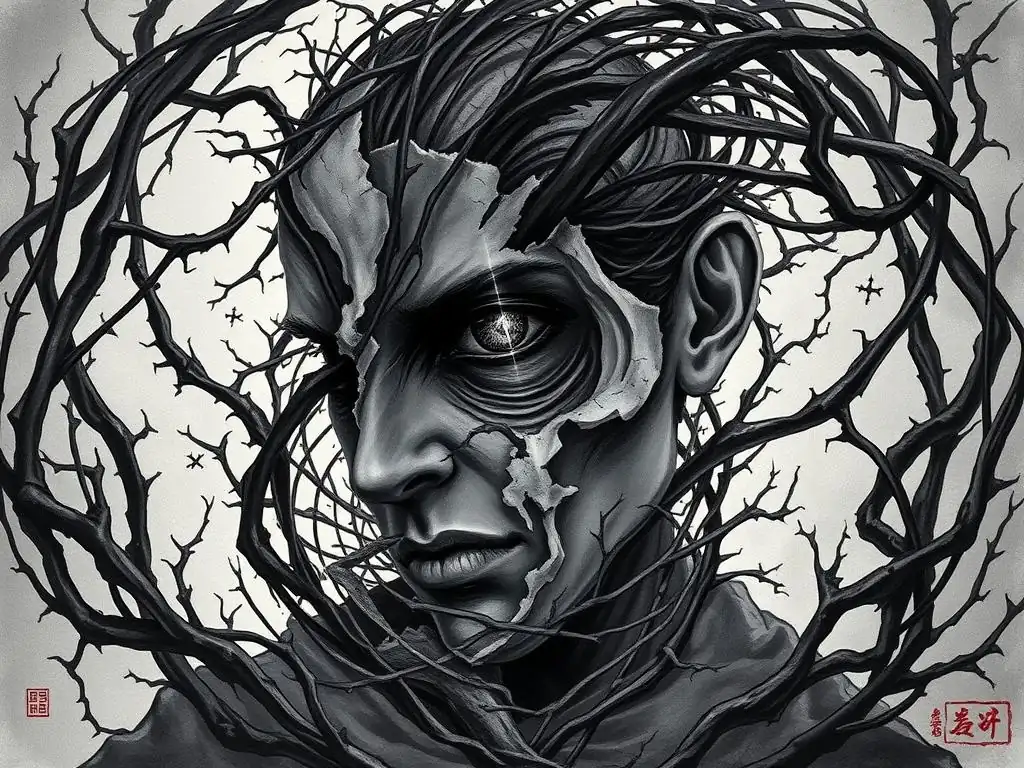
Beyond external threats and societal anxieties, monsters also serve as powerful symbols for internal struggles, fears, and aspects of ourselves that we find terrifying or unacceptable. The concept of "the monster within" explores how we project our own dark impulses, repressed desires, and psychological wounds onto external monstrous figures. This internalization process reveals that sometimes, the most frightening monsters are not lurking in the shadows, but reside within the human heart.
Understanding the monster within is crucial for psychological growth and self-acceptance. By recognizing that the traits we fear in monsters—rage, selfishness, destructive potential—can also exist within us, we can begin to confront and integrate these aspects rather than repressing them. This dimension adds a layer of personal psychology to the broader study of monsters origins fear psychology, highlighting the individual's relationship with their own capacity for darkness.
The Representation of Inner Demons Through External Monsters
External monsters often serve as direct representations of our inner demons—those psychological burdens, traumatic experiences, or negative emotions that haunt us. A monster that feeds on despair might symbolize depression; a creature that whispers doubts could represent anxiety. Figures like the Dybbuk in Jewish folklore, an evil spirit that possesses a living person, can be seen as a metaphor for inner turmoil, mental illness, or the feeling of being controlled by forces outside oneself.
In many narratives, the hero's struggle against a monster is not just a physical battle but a symbolic confrontation with their own inner flaws or past traumas. Overcoming the monster signifies overcoming these internal obstacles and achieving psychological liberation. This use of external monsters to depict internal states is a common narrative device that resonates deeply because it taps into the universal experience of battling one's own negative thoughts and feelings, providing a powerful example of monsters origins fear psychology applied to the individual psyche.
Confronting Our Own "Monsters": Psychological Growth and Acceptance
The process of confronting our own "monsters"—acknowledging and accepting the less desirable or fearful aspects of our personality—is a vital part of psychological growth. Just as heroes in myths must face terrifying beasts, individuals must face their own fears, insecurities, and capacity for harm. This doesn't mean embracing negativity, but rather understanding its source and learning to manage it constructively. Therapy, introspection, and self-reflection are modern ways of engaging in this ancient struggle.
Psychological acceptance involves recognizing that everyone has a "shadow side," and that true wholeness comes not from eliminating these parts, but from integrating them into a complete self. Stories where the monster turns out to be misunderstood, or where the hero finds a way to coexist with a monstrous entity, can be interpreted as metaphors for this process of acceptance. This perspective adds a therapeutic dimension to the understanding of monsters origins fear psychology.
The Shadow Self: How Unacknowledged Traits Manifest as Monstrous Projections
Jung's concept of the Shadow Self is particularly relevant here. The Shadow comprises the parts of ourselves that we repress or deny—qualities, desires, and instincts that are incompatible with our conscious self-image, often because they are perceived as negative or socially unacceptable. These unacknowledged traits do not disappear; they are instead projected onto others or, in the realm of fantasy and myth, onto monstrous figures.
A person who denies their own anger might perceive others (or monsters) as irrationally violent. Someone who fears their own capacity for selfishness might create or be terrified by monsters that are purely rapacious and destructive. These monstrous projections serve as a repository for our disowned selves. Recognizing these projections is a key step in integrating the Shadow and understanding how our personal psychology contributes to the universal phenomenon of monsters origins fear psychology.
Monsters as Metaphors: Symbolism and Deeper Meanings in Monstrous Representations
Beyond their literal interpretations as frightening creatures, monsters function powerfully as metaphors, carrying deep symbolic meanings that comment on society, morality, and the human condition. Their physical forms, abilities, and origins are often encoded with messages about the values, fears, and concerns of the cultures that created them. Analyzing monsters as metaphors unlocks a deeper understanding of the narratives they inhabit and the human experiences they represent.
This symbolic function is perhaps the most enduring aspect of monsters. They are not just scary figures; they are complex symbols that can be interpreted on multiple levels—psychological, social, political, and existential. Understanding these layers is crucial for appreciating the full scope of monsters origins fear psychology and their continued relevance.
Monsters as Symbols of Societal Ills: Vampires and Parasitic Elites, Werewolves and Uncontrolled Rage
Many monsters serve as potent symbols for societal ills and injustices. The classic vampire, for instance, can be interpreted as a metaphor for the parasitic elite—feeding on the life force (or wealth) of the populace, living in opulent isolation, and perpetuating their existence at the expense of others. Stories like Dracula emerged during periods of social change and anxiety about class structures and foreign influence, lending themselves to such interpretations.
Werewolves, creatures that involuntarily transform and lose control, can symbolize uncontrolled rage, the beastly potential within humanity, or even the fear of genetic or psychological conditions that alter identity. Their transformation is often depicted as painful and involuntary, highlighting the terror of losing oneself to primal instincts or external forces. These examples demonstrate how monsters can embody specific social anxieties and critiques, providing a symbolic language for discussing complex issues within the framework of monsters origins fear psychology.
The Monster as "Other": Exploring Themes of Exclusion and Prejudice
A common metaphorical function of monsters is to represent the "Other"—those who are perceived as different, alien, or outside the boundaries of acceptable society. Monsters are often depicted as residing on the fringes, physically or culturally, and their monstrousness is defined in opposition to the norm. This can reflect societal prejudices against different races, religions, cultures, or even those with physical or mental disabilities.
The fear and persecution directed towards monsters in stories can mirror the fear and prejudice directed towards marginalized groups in real life. Sometimes, narratives challenge this by showing the monster as misunderstood or a victim of circumstance, prompting reflection on our own biases and definitions of what is "normal" or "human." This exploration of the monster as "Other" is a powerful way to use monsters to discuss themes of exclusion, tolerance, and the social construction of fear, directly relevant to the study of monsters origins fear psychology.
Monsters as Warnings: Lessons Encoded in Monstrous Tales
Finally, monsters often serve as warnings, embodying the negative consequences of certain actions, beliefs, or environmental interactions. Tales of monsters lurking in forbidden places warn against venturing into dangerous territories or disrespecting nature. Stories about monsters born from human sin or hubris serve as moral cautionary tales. The Golem, mentioned earlier, often becomes uncontrollable, warning against the dangers of playing creator or using power without wisdom.
These encoded lessons are a fundamental part of folklore's purpose—transmitting cultural knowledge, values, and survival strategies across generations. By personifying dangers and negative outcomes in the form of terrifying creatures, these stories make abstract warnings concrete and memorable. The didactic function of monster tales underscores their deep connection to societal fears and the practical application of monsters origins fear psychology in cultural transmission.
Conclusion: The Enduring Relevance of Monster Origins in Understanding Human Fear
The journey into the origins of monsters reveals a fascinating landscape where mythology, psychology, and culture intersect. Monsters are far more than just scary figures; they are complex cultural artifacts that provide profound insights into what it means to be human and what terrifies us most. Their enduring presence in our stories, art, and nightmares speaks to their fundamental role in helping us process the unknown, confront our anxieties, and define ourselves against the forces of chaos and destruction.
Understanding monsters origins fear psychology is an ongoing endeavor, constantly enriched by new discoveries in anthropology, psychology, and the study of folklore. It reminds us that while the forms of our fears may change with the times, the underlying psychological need to give shape to those fears and create narratives around them remains a constant in the human experience.
The Ongoing Dialogue Between Humanity and Its Monsters
The relationship between humanity and its monsters is not a static one; it is an ongoing dialogue that evolves with every generation. As societies face new challenges—climate change, artificial intelligence, global pandemics—new monsters emerge or old ones are reinterpreted to embody these contemporary anxieties. This continuous creation and adaptation of monstrous forms reflect our dynamic relationship with the forces that threaten us, both external and internal.
This dialogue is evident in popular culture, where filmmakers, writers, and artists constantly revisit and reimagine classic monsters, infusing them with new psychological depth and relevance. It is also present in our individual lives, as we confront personal fears that may manifest as internal "monsters" we must battle or integrate. This ongoing interaction highlights the active role of monsters in our psychological and cultural lives, central to the study of monsters origins fear psychology.
Why We Need Monsters: The Cathartic Release of Fear Through Mythology
Paradoxically, humans seem to need monsters. They provide a safe space to explore and experience fear in a controlled environment. By engaging with monster stories, whether through reading, watching films, or playing games, we can experience cathartic release, confronting terrifying possibilities from a position of safety. This allows us to process anxieties without facing real-world consequences.
Furthermore, monsters help us define boundaries—between order and chaos, good and evil, human and inhuman. By identifying what is monstrous, we reaffirm what is not, strengthening our sense of identity and community. The shared experience of fearing the same monster can also be a powerful bonding agent for a culture or group. This function of providing catharsis and defining boundaries is a key reason why monsters continue to be created and cherished, underpinning the core concepts of monsters origins fear psychology.
The Future of Monsters: How New Fears Will Shape Future Creations
The evolution of monsters is far from over. As humanity continues to innovate, explore, and face new global challenges, new fears will inevitably arise, giving birth to new monstrous forms. Will future monsters embody anxieties about genetic engineering, space colonization, or perhaps entirely unforeseen threats? Just as the monsters of the past reflected the fears of their time—beasts of the wild, wrathful gods, the unknown sea—the monsters of the future will serve as terrifying barometers of our own anxieties.
The study of monsters origins fear psychology will continue to be relevant as long as humans experience fear. By examining the monsters we create, we gain invaluable insights into the human condition, our deepest vulnerabilities, and the ever-changing landscape of what we find terrifying. The future of monsters promises to be as rich and revealing as their past, offering a continuous reflection of the fears that shape our world.
Frequently Asked Questions
What is the central argument of the article "The Origins of Monsters: Where Do Our Deepest Fears Come From? "?
The article argues that monsters in mythology are not arbitrary creations but reflect deep-seated human fears and anxieties, often linked to the unknown and uncontrollable aspects of nature and human nature.
How does the article connect monster origins to psychology?
The article suggests that the recurring themes in monster narratives, such as monstrous appetites or shapeshifting abilities, mirror psychological anxieties related to loss of control, identity, and social boundaries.
Does the article explore how cultural context influences the types of monsters that emerge in different societies?
Yes, the article emphasizes that the specific forms and characteristics of monsters are heavily influenced by the cultural beliefs, values, and environmental conditions of the society from which they originate.
According to the article, what role does fear play in the creation and perpetuation of monster myths?
Fear is presented as the primary driving force behind the creation and endurance of monster myths. These myths serve as a way to process and manage anxieties related to death, danger, and the unknown.
How does the article suggest that monster myths impact contemporary society?
The article implies that monster myths continue to influence contemporary society by shaping our understanding of fear, providing narrative frameworks for dealing with anxieties, and informing art, literature, and popular culture.
Final Reflection: Unmasking the Monsters Within
The exploration of monstrous origins isn't just a delve into folklore; it's a crucial examination of the human psyche itself. Our deepest fears, manifested in the creatures of myth and legend, continue to shape our anxieties and anxieties and influence our cultural narratives in profound ways. Understanding where these fears stem from allows us to better understand ourselves and navigate the complexities of the human experience.
The enduring power of monsters lies in their ability to reflect our collective and individual anxieties. They are projections of our insecurities, our societal fears, and our deepest-seated traumas. From the shadowy figures lurking in childhood nightmares to the monstrous villains populating our modern media, these archetypes persist because they tap into something primal and universal. The monster is always a reflection of the culture that creates it.
This simple statement holds immense truth, revealing how our understanding of "monster" evolves alongside our societal shifts and anxieties.
Now, consider your own fears. What monsters haunt your subconscious? What anxieties do they represent? This article has hopefully provided a framework for understanding the origins of these fears, but the true work lies in self-reflection. Take the time to explore your own inner landscape, to identify the roots of your anxieties, and to confront them with courage and understanding. By understanding the monsters within, we can begin to tame them, and ultimately, to live more fulfilling and empowered lives.
Uncover Your Inner Myth: Explore the Roots of Fear!
Thanks for delving into the fascinating world of monsters and their origins! You've gained valuable insight into how our deepest fears shape our myths and legends. Now it's time to put that knowledge to work.
- Craft your own monster: Let your imagination run wild and design a creature embodying a modern fear. What makes it unique? What are its weaknesses? Share your creation in the comments below!
- Explore a related myth: Dive deeper into the mythology of a culture discussed in the article. Research their unique monsters and their societal reflections.
- Share this article with a friend who loves mythology or has an interest in psychology: Spark a conversation about the power of storytelling and our enduring fascination with the monstrous.
What modern-day anxieties might inspire the monsters of future generations? Let's discuss!