Egyptian and Mesopotamian Mythology: Ancient Worlds, Enduring Legacies
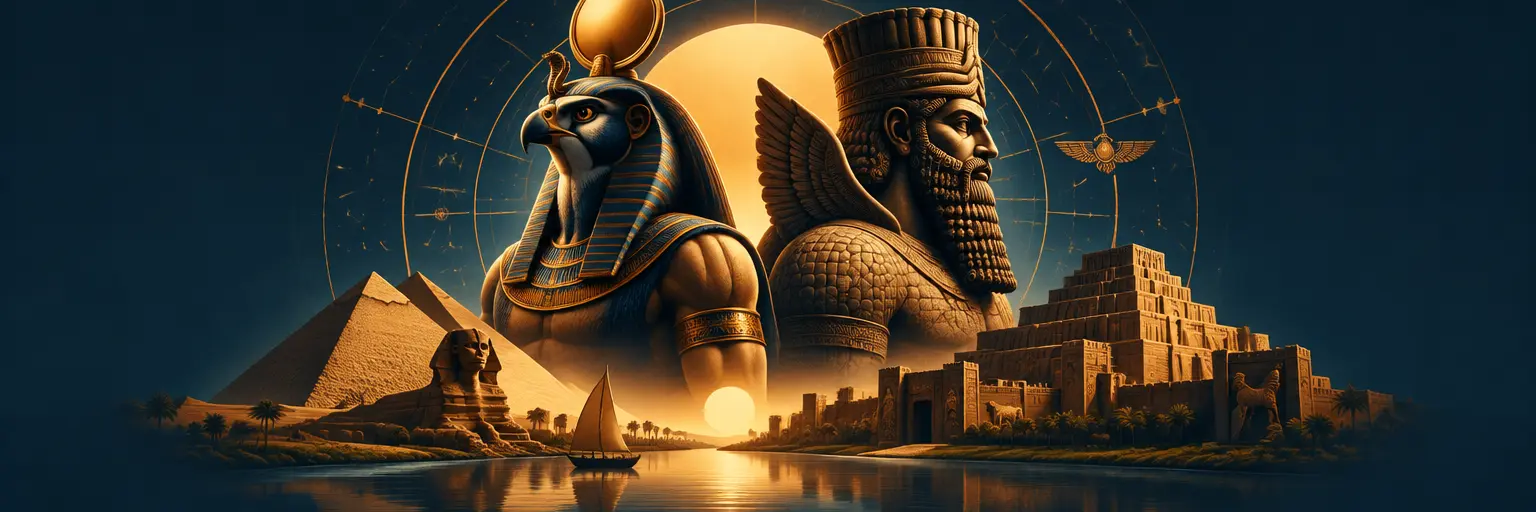
Dive into the cradle of civilization, where the Nile’s floods and the Tigris-Euphrates’ fury gave birth to some of humanity’s most profound myths. This page explores the pantheons, sacred spaces, and underworld journeys of Egypt and Mesopotamia, revealing how these ancient narratives still pulse through modern religion, art, and storytelling. Whether you’re a student, writer, or myth enthusiast, you’ll find rich details on deities, rituals, and the latest archaeological breakthroughs that reshape our understanding of these awe-inspiring cultures.
🏛️ Temple Myths and Architecture
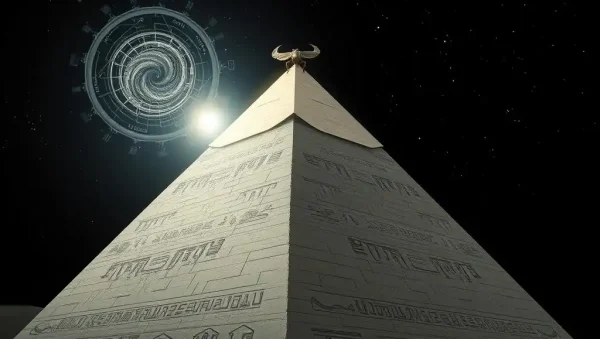
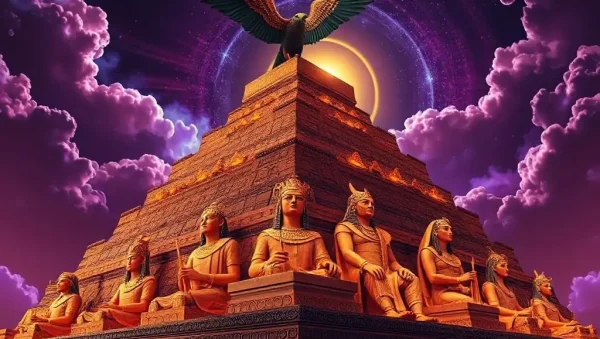
Here, we decode the sacred geometry of Karnak, Luxor, and the ziggurats of Ur. Temples were not just buildings but microcosms of the cosmos—each column, gate, and statue told a story of creation, divine presence, and royal power. Expect to learn how the hypostyle halls mirrored the primordial marsh and how Mesopotamian ziggurats acted as stairways for gods to descend to earth. We also explore the ritual consecration of these spaces, where priests re-enacted the first dawn, ensuring cosmic order (Ma’at in Egypt, Me in Sumer) never faltered.
🔮 Mythological Symbols
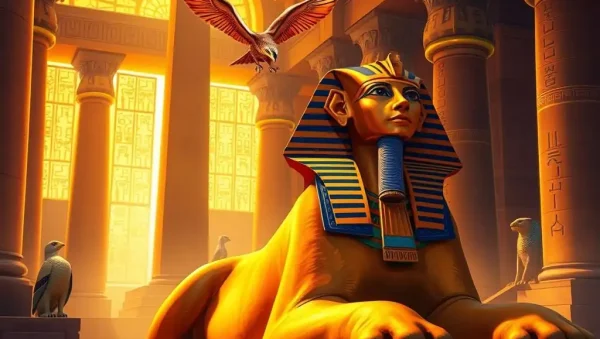
Symbols were the language of the divine—the Ankh (life), the Eye of Horus (protection), the winged disc (divine kingship), and the Mesopotamian Tree of Life guarded by sun gods. This subcategory decodes the iconography found on amulets, cylinder seals, and tomb walls. You’ll discover how the scarabs represented spontaneous rebirth, why the lamassu (winged bull) guarded palace gates against demons, and how symbols like the shezmu press became metaphors for divine judgment. Understanding these signs unlocks the deeper layers of mythic meaning.
⚰️ Afterlife and Underworld
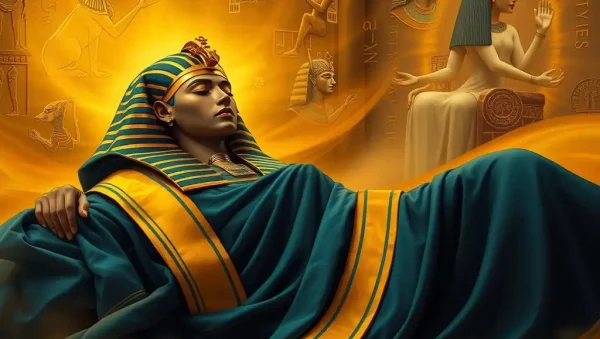
No myths are more vivid than the journeys of the dead. Explore the Egyptian Duat—a perilous landscape of caverns, lakes of fire, and gates guarded by serpent demons—where the deceased faced the Weighing of the Heart against the feather of Ma’at. Meanwhile, the Mesopotamian Kur was a grim, dusty realm where all souls, king or slave, ate clay and drank muddy water. We compare the Book of the Dead’s spells with Ishtar’s Descent into the Underworld, revealing how these cultures viewed death as both a trial and a shadowy continuation of earthly existence.
🔎 Archaeological Discoveries and Lost Texts
From the Rosetta Stone to the Library of Ashurbanipal, archaeological finds have revolutionized our access to these mythologies. This section highlights recent digs, such as the Abydos boat graves and the Uruk Vase, which confirmed creation epics. We also cover fragmentary texts like the Enuma Elish and Memphite Theology, discussing how scholars reconstruct lost verses from clay tablets and papyri. Expect updates on new translations, digital imaging of faded inscriptions, and how these discoveries challenge older interpretations, offering fresh angles on familiar gods and heroes.
👑 Deities and Divine Kings
Meet the rulers of the pantheons: Ra, Osiris, Isis, and Set in Egypt; Anu, Enlil, Inanna, and Marduk in Mesopotamia. But beyond the gods, we examine the concept of divine kingship—how pharaohs were seen as living Horus figures, while Sumerian kings acted as stewards of the gods. This subcategory explores the myths justifying royal power, the sacred marriage rituals, and the tension between mortal rulers and their immortal patrons. You’ll see how political shifts altered mythologies, such as Marduk’s rise to supremacy in Babylon’s creation epic.
🎉 Rituals and Festivals
Myths were performed, not just told. Discover the grand Opet Festival, where Amun’s statue journeyed from Karnak to Luxor to renew the pharaoh’s divine power, and the Mesopotamian Akitu New Year festival, which re-enacted Marduk’s victory over chaos. This subcategory details the processions, sacrifices, hymns, and sacred dances that bound communities to their gods. We also cover personal rituals, such as consecrating amulets, performing daily temple offerings, and the opening of the mouth ceremony, showing how mythic narratives dictated every act of worship, from harvest rites to royal coronations.
🌍 Influence on Later Cultures
The legacy of these myths is staggering. Egyptian hermeticism influenced Gnosticism and alchemy, while Mesopotamian flood stories paralleled the biblical Noah. Greek writers like Herodotus and later Roman artists borrowed heavily from Egyptian iconography, whereas Jewish and Christian texts echo Babylonian law and cosmology. This section traces threads into modern media—from Stargate’s Egyptian motifs to Dune’s messianic structures—and into psychology, where Jungian archetypes of the Great Mother and divine child draw directly from these ancient tales. You’ll see how these myths continue to shape literature, cinema, and even political symbolism today.
Frequently Asked Questions
What is the main difference between Egyptian and Mesopotamian views of the afterlife?
Egyptians believed in a desirable, judgment-based afterlife in the Field of Reeds, contingent on a heart weighed against Ma’at’s feather. Mesopotamians saw the underworld (Kur) as a dismal, dusty prison for all, with no moral judgment—only shades of gloomy existence, though great kings and heroes might receive fame and offerings.
Why are ziggurats and pyramids architecturally different despite similar sacral roles?
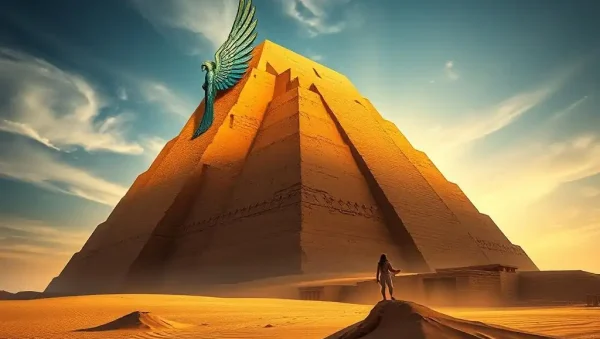
Pyramids served as monumental tombs for pharaohs, designed to protect the body and facilitate the soul’s ascent to the stars. Ziggurats were stepped temples’ bases built in Mesopotamia, not for burial but as artificial mountains where priests could descend to meet gods, reflecting each culture’s distinct geography and cosmology—desert cliffs vs. flat river plains.
Which deities in these mythologies are still recognized today?
Isis became a universal goddess in Greco-Roman times, influencing Christian Marian imagery. Ra’s solar symbolism persists in esoteric orders. Mesopotamian Ishtar evolved into Astarte and later influenced Aphrodite. Marduk’s dragon-fight myth parallels Saint George, while Tammuz’s death-rebirth cycle echoes in Adonis and Easter symbolism.
How did Mesopotamian myths affect the Bible?
Direct parallels exist: the flood narrative in Gilgamesh tablets mirrors Noah’s Ark; the Tower of Babel echoes ziggurat construction; the Babylonian creation epic (Enuma Elish) shares themes with Genesis’s cosmic order from chaos. Legal codes, like Hammurabi’s, predate Mosaic law, and terms like “cherubim” trace back to Mesopotamian guardian creatures.
Are there any lost texts from these mythologies still undiscovered?
Yes, many clay tablets remain unexcavated or in museum basements. For Mesopotamia, large portions of the “Epic of Gilgamesh” were found only in the 19th century, and new fragments appear periodically. In Egypt, lost parts of the “Book of the Dead” and temple archives might lie under sand, promising future revelations about lesser-known gods and rituals.