Marduk vs. Tiamat: The Ritual Reenactment of Creation in the Akitu Festival
🌟 Discover how the Marduk Tiamat Akitu Festival reenacts the epic creation myth, symbolizing cosmic order and divine victory. This ancient ritual…
Read article
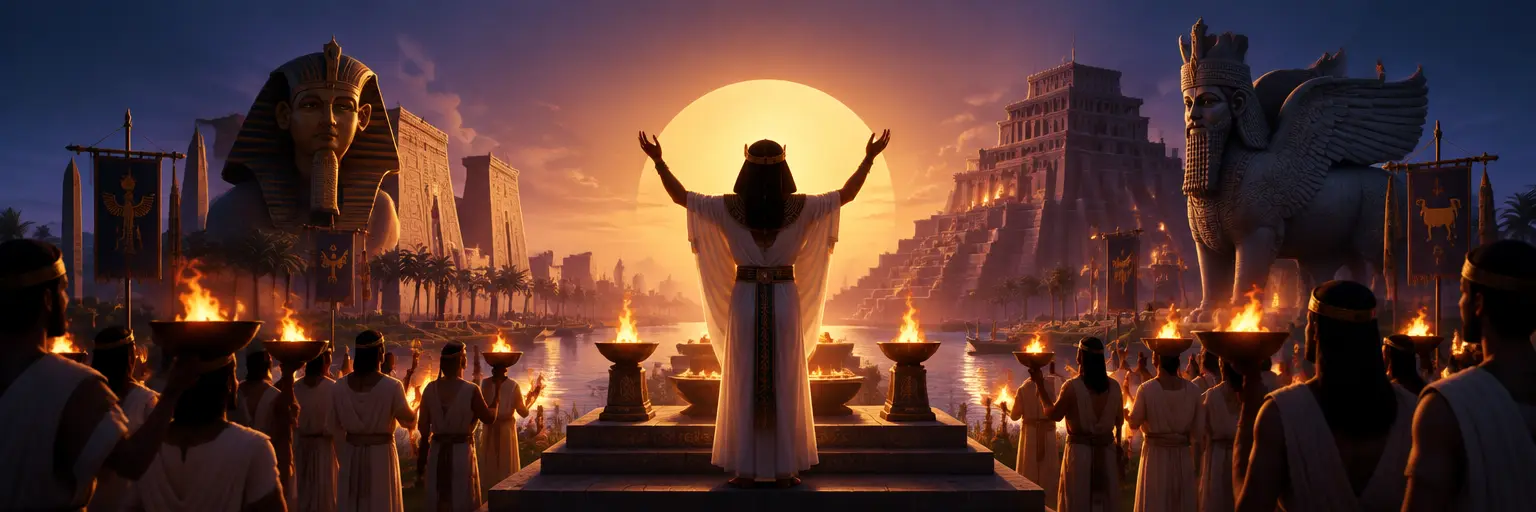
Discover the vibrant heart of ancient civilizations through their most sacred traditions, where rituals and festivals were not mere celebrations but the very lifeline connecting mortals to the divine. From the Nile’s flood-driven ceremonies honoring Osiris and Isis to the Mesopotamian New Year’s Akitu festival that reaffirmed kingship under Marduk, these practices shaped cosmology, politics, and daily life. Explore how hymns, processions, offerings, and dramatic reenactments were meticulously designed to maintain cosmic order (Ma’at) and appease capricious gods, influencing everything from agricultural cycles to royal legitimacy. Learn about the Heb Sed jubilee, the Mysteries of Eleusis, and the sacred marriage rite, alongside lesser-known observances like the Mesopotamian Kispum ancestor rituals. Uncover the symbolism behind temple liturgies, animal sacrifices, and communal feasts, and see how these ancient traditions echo in modern religious festivals and cultural pageantry.
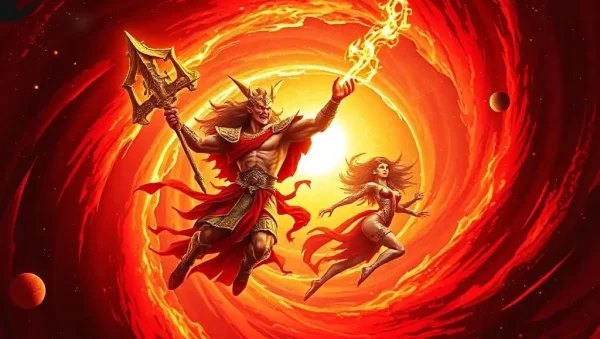
🌟 Discover how the Marduk Tiamat Akitu Festival reenacts the epic creation myth, symbolizing cosmic order and divine victory. This ancient ritual…
Read article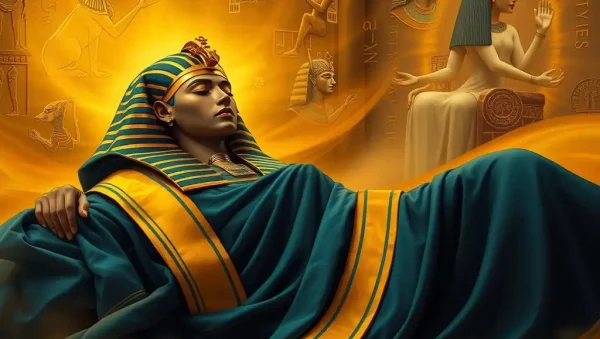
🔍 Discover the ancient mysteries behind Egyptian dream interpretation rituals, revealing how these sacred practices offer profound insights into the subconscious and…
Read article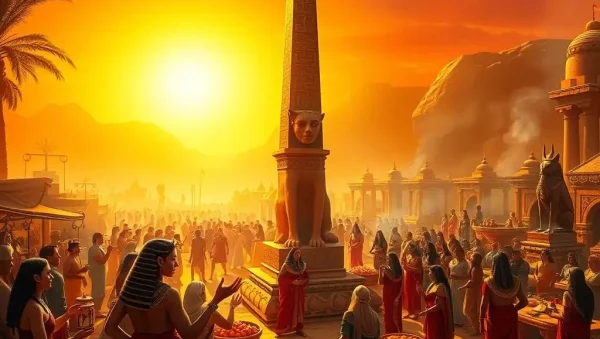
🌟 Discover the vibrant "Bastet's Festival," where ancient Egyptian cat festival rituals honor the feline goddess through lively celebrations, music, and offerings—revealing…
Read article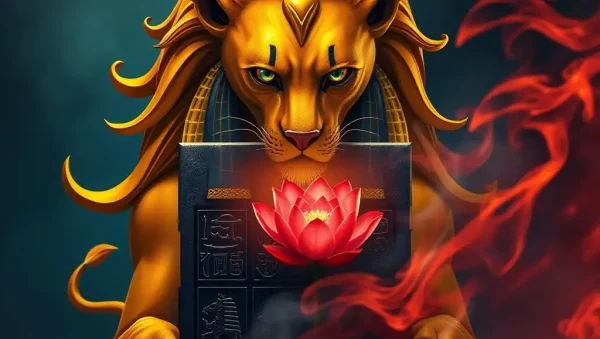
🔥 Discover the powerful Sekhmet goddess rituals of appeasement, ancient practices designed to calm the fierce lioness goddess's wrath. Explore these captivating…
Read articleWelcome to the Rituals and Festivals subcategory within Egyptian and Mesopotamian Mythology, part of the Mythology and Legends resource. Here, we delve into the ceremonial heartbeat of two of history’s most influential cultures—the Nile Valley and the Tigris-Euphrates. These rites were not mere public spectacles; they were cosmic acts that maintained ma'at (order) in Egypt and appeased capricious gods in Mesopotamia. From the grand Opet Festival to the solemn Akitu New Year, this page offers a rich tapestry of sacred calendars, priestly duties, and communal celebrations. Explore how these ancient practices shaped politics, agriculture, and personal devotion, and how their echoes still resonate in modern religious and cultural observances.
The Opet Festival was ancient Egypt’s grandest annual celebration, held in Thebes during the second month of the inundation season. It reenacted the sacred marriage of Amun, his consort Mut, and their son Khonsu. Priests carried the god’s statue from Karnak to Luxor Temple in a gilded barque, accompanied by priests, dancers, and musicians. This procession symbolized the pharaoh’s rejuvenation, as he entered the temple’s Holy of Holies to merge with Amun, thereby reaffirming his divine right to rule.
For visitors and scholars, this festival reveals a complex socio-religious mechanism: it blurred the line between divine and mortal, while also serving as a massive redistribution event. Offerings of food, beer, and cloth were given to priests and the public, reinforcing social cohesion. Understanding Opet helps us appreciate how ritual theater and political legitimacy were inseparable. It also highlights the central role of the Nile’s flood cycles, as the festival was timed to the water’s peak, symbolizing fertility and rebirth for the entire kingdom.
The Akitu festival, celebrated in Babylon and other Mesopotamian cities, was a multi-day New Year’s ritual that reset the cosmic order. It centered on the god Marduk (or Ashur in Assyria) and involved the recitation of the Enuma Elish, the creation epic, where Marduk defeats Tiamat. The king underwent a ritual of humiliation—being stripped of his regalia and struck by a priest—before being reinstated, symbolizing his lowly status before the gods and his renewed mandate to rule. Statues of gods were paraded through the streets, culminating in a sacred marriage rite.
This festival is a prime example of how Mesopotamians perceived time as cyclical and precarious. The Akitu was less about celebration and more about survival—ensuring the gods didn’t abandon the city for another year. Its rituals were political paeans, affirming the king as the intermediary between people and deities. For modern readers, Akitu offers insights into early concepts of kingship, divine justice, and communal anxiety about chaos. It also shows how myth was not just story but script, with exact performances believed to guarantee prosperity.
Egyptian funerary rituals, from mummification to the Opening of the Mouth ceremony, were perhaps the most elaborate rites in antiquity. These practices were not just for the elite but were hoped for by all, as they ensured the ka (life force) could return to the body and achieve transformation into an akh (effective spirit). The Book of the Dead collections provided spells for the deceased, while processions to the tomb included mourners, priests, and oxen pulling the sledge. The heart was weighed against the feather of Ma’at in judgment.
What makes these rituals fascinating is their blend of practical preservation and theatrical performance. Embalmers used natron salt and linens, but the ritual language transformed mere preservation into resurrection. The festival of the Valley, linked to these rites, was a time when families picnicked in necropolises to honor ancestors. This subcategory shows how death was not an end but a threshold, with every step meticulously prescribed. For contemporary readers, these rites illuminate deep-rooted human desires for continuity, memory, and transcendence—themes still vivid in modern funeral customs.
Both Egyptian and Mesopotamian cultures possessed rich rituals for healing and warding off evil, often associated with deities like Sekhmet or the demon-fighting god Pazuzu. In Egypt, priests of Sekhmet performed incantations and used amulets to prevent plagues, while in Mesopotamia, exorcists (āšipu) recited prayers, drew magic circles, and washed patients with water mixed with herbs. These rituals borrowed from myth, such as Isis’s magical revivification of Osiris, to create effective symbolic remedies.
These practices highlight a crucial yet often overlooked aspect: ritual as applied science. While we call them magical, they were systematic, with exact words and ingredients, and often successful due to their psychosomatic effects. They were communal events—families gathered to chant, offer incense, and share in the tension and relief. For the modern seeker of mythology, these rituals demonstrate how vulnerability was managed through collective action. They also reveal the boundaries of priesthood, gender, and social class, as some rites required female priestesses, while others were restricted to male specialists.
Rituals and festivals were profoundly agrarian, tied to planting, harvest, and flooding. Egypt’s Shemu (harvest) included the Feast of the Threshing Floor, where bread and beer were plentiful, and the Festival of the Eating of the Moon. Mesopotamia’s Gatumdug festivals or the Holiday of the First Fruits involved offerings of barley and dates to the temple economy. These were not quiet prayers but raucous gatherings with music, acrobatics, and communal meals, as seen in feast scenes from tomb paintings.
These celebrations mirrored the mythic cycle of dying and rising gods—Osiris’s grain and Tammuz’s annual descent to the underworld. By eating first fruits, participants ingested sacred substance, merging their bodies with the divine life force. For content seekers, these festivals are a wealth of metaphors for resilience and gratitude. They also served as social equalizers, as slaves and nobles drank from the same jugs during certain rites. Understanding them provides a visceral connection to the cyclical anxieties of famine and hope that drove ancient economies and mythmaking alike.
Egyptian festivals often centered on the pharaoh’s divine role and Nile’s inundation, with grand public processions uniting state and religion. Mesopotamian festivals, like Akitu, focused more on cosmic renewal and the king’s humility before gods, often involving temple-only rites and statues moving between temples.
Animals, from bulls to birds, were offerings to nourish gods and rebalance cosmic energy. Their blood symbolized life force, and their meat was shared among priests and devotees after divine consumption, creating a literal communion between humans and deities.
People were observers but also active participants in many festivals. They cheered during processions, offered simple gifts like fruit or incense, and joined in public feasts. Only certain inner rites were exclusive to priests, but the spectacle was designed for mass engagement.
Elements such as processions, purification with water, use of incense, and New Year celebrations have direct parallels in Judaism, Christianity, and Islam. The concept of a sacred calendar and communal fasting or feasting also traces back to these ancient mud-brick temples.
Yes, temple archives from places like Karnak and Uruk list cattle counts, grain deliveries, and priest shifts. Cairo’s Ostraca and Babylonian tablets detail festival labor, payment in beer, and even complaints about poor food, offering a delightfully human view of ancient event planning.