
Sekhmet's Wrath & Appeasement: Rituals to Calm the Lioness Goddess

Welcome to Mythology and Legends!
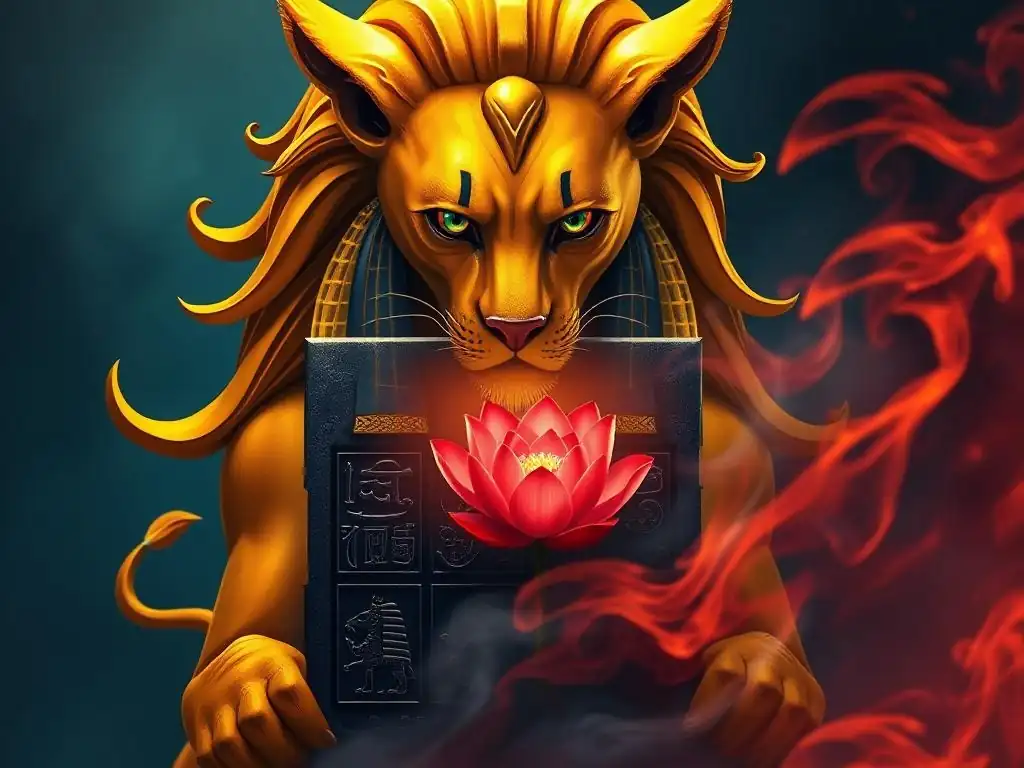
Delve into the captivating world of ancient narratives and cultural folklore. Ever wondered how ancient civilizations sought to appease their powerful deities? In this article, we unravel the mysteries surrounding Sekhmet, the fierce lioness goddess of Egyptian lore, and explore the potent rituals crafted to quell her wrath. Discover the secrets of Sekhmet goddess rituals appeasement and uncover the profound impact these ancient practices had on the lives of those who dared to face her power. Are you ready to journey back in time and witness these extraordinary traditions?
- Understanding Sekhmet: The Lioness Goddess of Ancient Egypt
- The Wrath of Sekhmet: Causes and Consequences
- Appeasing Sekhmet: Ancient Egyptian Rituals and Practices
- Specific Sekhmet Appeasement Rituals: A Detailed Guide
- Practical Guide: Performing a Simple Sekhmet Appeasement Ritual Today
- The Role of Priests and Priestesses in Sekhmet's Cult
- Sekhmet's Influence on Ancient Egyptian Society
- Sekhmet Goddess Rituals for Health and Protection
- Modern Interpretations of Sekhmet Appeasement
-
Frequently Asked Questions
- How central was appeasement to Sekhmet's worship?
- What were some common offerings used in Sekhmet goddess rituals?
- Why was Sekhmet sometimes depicted with a sun disc?
- What consequences did the ancient Egyptians believe would occur if Sekhmet was not appeased?
- Beyond offerings, what other types of rituals were used to appease Sekhmet?
- Final Reflection: Echoes of Sekhmet: Finding Balance in Modern Life
- Unleash Your Inner Priestess: Connect with Sekhmet
Understanding Sekhmet: The Lioness Goddess of Ancient Egypt
Sekhmet's Origins and Divine Roles
Sekhmet, whose name translates to "She Who Is Powerful," emerged in the Egyptian pantheon as a formidable deity, often depicted with the head of a lioness and the body of a woman. Her origins are deeply rooted in the myths surrounding the sun god Ra. According to one prominent myth, Sekhmet was created by Ra from the fire of his eye when he became angry with humanity's rebellion.
Sent to punish mankind, she unleashed a terrifying plague, her bloodlust so great that she threatened to destroy all life on Earth. This origin story immediately establishes her primary role as a powerful, destructive force, an embodiment of divine retribution and the fierce heat of the sun.
Beyond her punitive aspect, Sekhmet held crucial roles related to kingship and protection. She was seen as a protector of the pharaoh, accompanying him in battle and smiting his enemies. Her image was often invoked for strength and victory in warfare.
Moreover, despite her association with destruction, she was also a significant healing goddess. This seemingly contradictory role stemmed from the belief that since she caused pestilence and disease, she also held the power to cure it. Priests and physicians often served in her temples, seeking her aid in medicinal practices and performing Sekhmet goddess rituals for healing and protection.
The Dual Nature of Sekhmet: Destroyer and Healer
Sekhmet embodies a profound paradox within Egyptian theology: the simultaneous capacity for immense destruction and vital healing. As the Eye of Ra, she represented the sun's scorching power, capable of unleashing devastation, pestilence, and death upon those who incurred divine displeasure.
Her rage was depicted as a terrifying force, uncontrollable once unleashed, leading to narratives like the myth where Ra had to trick her into drinking vast quantities of beer dyed red to resemble blood, intoxicating her and ending her rampage against humanity. This aspect highlights her role as a punisher and a force of chaos if not kept in balance.
Conversely, Sekhmet was revered as a powerful healer, particularly associated with bone setting and medicine. Her priests were often skilled physicians, utilizing her perceived power to ward off illness and restore health. Ancient medical papyri sometimes included incantations or references to Sekhmet, invoking her power to cure ailments. This duality reflects a broader Egyptian understanding of cosmic order (Ma'at), where seemingly opposing forces are interconnected. The power to destroy life is also the power to control and restore it, making Sekhmet goddess rituals aimed at appeasement and healing two sides of the same divine coin.
Sekhmet's Association with Warfare, Plague, and Healing
Sekhmet's multifaceted nature firmly linked her to critical aspects of ancient Egyptian life: warfare, plague, and healing. In warfare, she was the fierce patron of the pharaoh and the army. Reliefs in temples often show the pharaoh smiting enemies while invoking Sekhmet's power, depicting her as a protective force ensuring victory. Her aggressive nature made her a natural fit for the battlefield, where her wrath could be directed outwards against foreign adversaries.
However, her most feared association was with plague and disease. As the bringer of pestilence, her anger was believed to manifest as widespread illness and death. Historical periods of major epidemics were often attributed to Sekhmet's wrath, leading to intensified efforts to appease her.
This is where her healing aspect became crucial. Egyptians performed Sekhmet goddess rituals specifically to implore her to withdraw the illness she had sent or to lend her power to the healers attempting to combat it. Temple complexes, particularly those dedicated to Sekhmet, often had areas associated with healing, where the sick would seek divine intervention.
The Wrath of Sekhmet: Causes and Consequences
Divine Displeasure: Understanding Sekhmet's Triggers
Understanding what might provoke Sekhmet's wrath was crucial for ancient Egyptians seeking to maintain divine favor and avoid catastrophe. The primary trigger, as seen in her origin myth, was human disrespect or rebellion against the established order (Ma'at) or the rule of the gods, particularly Ra. Any disruption of cosmic harmony, whether through moral transgressions, political instability, or failure to perform necessary rituals and offerings, could be interpreted as an affront to the divine power she embodied.
Beyond direct rebellion, neglecting the gods, failing to maintain their temples, or showing impiety were also seen as potential causes for Sekhmet's anger. Her wrath was not capricious but a divine response to a perceived imbalance or transgression. The Egyptians believed that maintaining a harmonious relationship with the gods through diligent worship and ethical conduct was the best way to prevent the unleashing of her destructive power. Consequently, Sekhmet goddess rituals of appeasement were not just reactive measures but also proactive efforts to prevent her displeasure.
Sekhmet's Role in Punishing Humanity: Myths and Legends
Myths vividly illustrate Sekhmet's role as a divine punisher. The most famous is the tale of Ra's anger at humanity's plotting against him. He sent his eye, which transformed into Sekhmet, to decimate the rebellious humans. Her effectiveness was terrifying; she killed vast numbers, her thirst for blood insatiable. This myth served as a powerful cautionary tale about the consequences of defying the gods and highlighted Sekhmet's capacity for widespread destruction.
Another legend speaks of Sekhmet's role in specific historical events, where plagues or famines were interpreted as manifestations of her anger. While not always explicitly detailed in surviving texts, the general belief was that she was the primary divine agent for delivering punishment in the form of pestilence. This belief reinforced the necessity of constant vigilance and the performance of Sekhmet goddess rituals for appeasement to mitigate potential divine retribution and ensure the well-being of the populace.
Recognizing the Signs of Sekhmet's Anger: Pestilence, Famine, and Political Upheaval
Ancient Egyptians looked for specific signs that indicated Sekhmet's anger was upon them. The most direct and terrifying sign was the outbreak of widespread disease or plague. A sudden increase in mortality rates, particularly from unknown or rapidly spreading illnesses, was often attributed to the Lioness Goddess unleashing her destructive breath. Historical records mention periods of great plague during which efforts to appease Sekhmet were significantly intensified.
Other signs included famine and drought, as the disruption of the natural order could also be linked to divine displeasure. Crop failures and starvation were devastating events, and seeking Sekhmet's intervention, both to understand the cause and to implore her to restore fertility and abundance, became paramount. Political upheaval, civil unrest, or military defeats could also be interpreted as signs that Sekhmet, the protector of the pharaoh and the state, had withdrawn her favor, indicating a need for intensified Sekhmet goddess rituals aimed at appeasement and restoring cosmic and political stability.
Appeasing Sekhmet: Ancient Egyptian Rituals and Practices
The Importance of Appeasement: Maintaining Cosmic Balance
Appeasing Sekhmet was not merely about avoiding punishment; it was a vital component of maintaining Ma'at, the cosmic order and balance that was fundamental to Egyptian life. Sekhmet represented the volatile, destructive force of the universe – necessary for renewal but dangerous if unchecked. By performing Sekhmet goddess rituals for appeasement, Egyptians sought to transform her potentially destructive energy into protective and healing power. It was an act of channeling divine might, ensuring that the sun's heat nurtured life rather than scorching it.
The state, led by the pharaoh and the priesthood, bore significant responsibility for performing these rituals on behalf of all Egypt. The well-being of the entire country was believed to depend on successfully mitigating Sekhmet's wrath. This collective effort highlighted the interconnectedness of the divine, the ruler, and the people in maintaining harmony. The elaborate nature and frequency of Sekhmet goddess rituals underscore their perceived importance in the daily and cyclical life of ancient Egypt.
Daily Offerings and Prayers to Sekhmet
Daily worship and offerings were foundational to the cult of Sekhmet, as they were for many Egyptian deities. Priests in Sekhmet's temples would perform regular rituals, presenting food, drink, incense, and other valuable items to her statues. These offerings were acts of reverence and sustenance, intended to please the goddess and ensure her continued favor. Specific prayers and hymns were recited, praising her power while also humbly requesting her protection and healing rather than her wrath.
Private individuals also engaged in daily devotion, offering small tokens or saying personal prayers at home altars or local shrines. While the grand temple rituals were the state's responsibility, personal piety reinforced the collective effort to honor the goddess. The consistency of these daily Sekhmet goddess rituals was believed to be key in maintaining a stable relationship with the deity, preventing the buildup of divine anger that could lead to large-scale catastrophe.
Temple Rituals Dedicated to Sekhmet: The Drunkenness Festival and Statue Consecration
Temple rituals for Sekhmet were elaborate affairs, the most famous being the Festival of Drunkenness (Tekh). Celebrated annually, particularly during the New Kingdom period, this festival reenacted the myth of saving humanity from Sekhmet's rampage by getting her drunk on beer. Thousands of Egyptians would gather, and large quantities of beer were consumed, accompanied by music and dancing. The goal was to placate Sekhmet by invoking her benevolent, joyful aspect, hoping that the merriment and intoxication would remind her of the time she was appeased and prevent her from unleashing her fury in the coming year.
Another significant temple practice involved the consecration and veneration of Sekhmet statues. Hundreds, perhaps thousands, of identical Sekhmet statues were commissioned and placed in temples, notably in the mortuary temple of Amenhotep III at Kom el-Hetan. It is speculated that these statues were part of a massive Sekhmet goddess ritual of appeasement, perhaps performed daily or cyclically, where offerings and prayers were directed towards each statue to ensure that Sekhmet's potentially destructive energy was diffused and contained across multiple representations, thus safeguarding Egypt.
Specific Sekhmet Appeasement Rituals: A Detailed Guide
The Ritual of the Scarlet Cloth: Symbolism and Execution
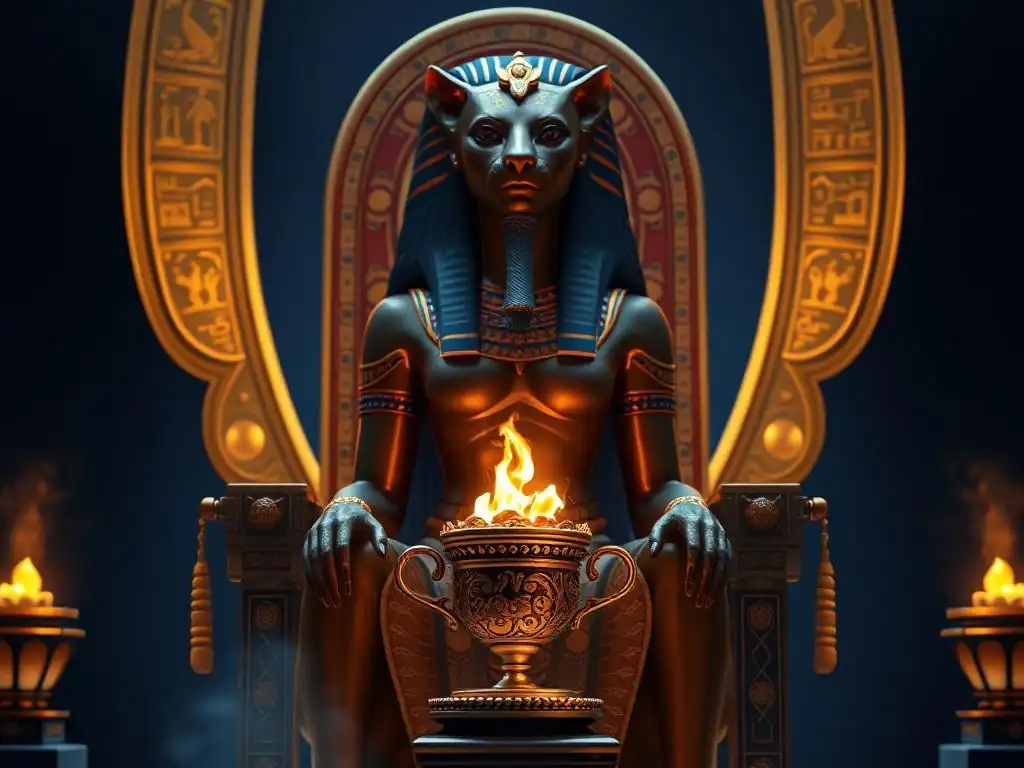
One documented ritual involved the use of a scarlet or red cloth. Red was the color associated with danger, chaos, and Sekhmet's destructive aspect. In certain rituals, a piece of scarlet linen might be inscribed with prayers or negative confessions, representing ill fortune, disease, or the sins of the people. This cloth was then ritually destroyed – perhaps burned or buried – as a symbolic act of removing or neutralizing the negative forces or divine anger it represented.
The execution of this ritual would likely have been performed by priests within the temple precincts. The symbolism was powerful: by handling and then disposing of the red cloth, they were ritually confronting Sekhmet's dangerous energy and transforming it or sending it away, thus performing a specific Sekhmet goddess ritual aimed at appeasement and purification for the community. The precision of the accompanying incantations and actions would have been considered paramount for its effectiveness.
Beer and Music: Offerings to Soothe the Lioness Goddess
As highlighted by the Festival of Drunkenness, beer was a central offering to Sekhmet, specifically strong beer dyed red with pomegranate juice or ochre to resemble blood. Offering vast quantities of this beer was a direct reenactment of the myth where Ra saved humanity by getting Sekhmet intoxicated. The act of drinking the beer caused her to forget her rage and revert to her benevolent form. Thus, beer offerings were a literal and symbolic way to "calm" or "intoxicate" her wrath.
Music also played a crucial role in Sekhmet's appeasement rituals. Sistrums and other musical instruments were played vigorously during festivals and daily worship. The sound was believed to soothe the goddess, distracting her from anger and invoking her more benign aspects. The combination of intoxicating drink and lively music created an atmosphere intended to transform Sekhmet's fierce energy into joyful, protective power, making these elements vital components of Sekhmet goddess rituals aimed at appeasement.
Statues and Amulets: Creating Sacred Objects for Sekhmet
The creation and dedication of statues and amulets were fundamental practices in Sekhmet's cult. Temple statues, often life-sized or larger, served as the primary conduits for interacting with the goddess. Consecrating a statue was a complex ritual that was believed to infuse the inert material with the spirit or Ka of the deity, making it a living representation capable of receiving offerings and prayers. As mentioned, the sheer number of Sekhmet statues dedicated by pharaohs like Amenhotep III suggests a massive, ongoing Sekhmet goddess ritual of appeasement designed to ensure continuous divine favor.
Amulets depicting Sekhmet were also widely used by individuals for personal protection and healing. These small, portable objects, often made of faience or metal, invoked the goddess's power to ward off evil, disease, and injury. Wearing or carrying a Sekhmet amulet was a personal act of seeking her protection and maintaining a connection to her benevolent energy, complementing the larger, public Sekhmet goddess rituals performed in temples.
The Litany of Sekhmet: Reciting Sacred Texts
Reciting specific prayers, hymns, and litanies was an integral part of Sekkmet's appeasement rituals. These sacred texts praised Sekhmet's power, acknowledged her terrifying capabilities, and humbly requested her favor, protection, and healing. The "Litany of Sekhmet" would have been a formal set of invocations used by priests during temple ceremonies. These texts were carefully preserved and transmitted, their precise wording believed to hold power in influencing the divine.
While the exact content of all ancient litanies is not fully known, surviving hymns often describe Sekhmet's terrifying roar, her fiery breath, and her capacity for destruction, juxtaposed with pleas for her to turn her benevolent face towards the supplicant. Reciting these texts was a performative act of acknowledging her dual nature and actively seeking to invoke her healing and protective aspects over her destructive one, forming a core part of any Sekhmet goddess ritual aimed at appeasement.
Practical Guide: Performing a Simple Sekhmet Appeasement Ritual Today
Preparing Your Space for the Ritual
If you wish to perform a simple personal Sekhmet goddess ritual for appeasement or healing today, the first step is preparing a clean, quiet space. This could be a small altar area or simply a clear surface where you can place your offerings and focus without distraction. Ensure the space is physically clean, symbolizing purity and respect for the divine. You might light a simple lamp or candle to represent the presence of the divine light, perhaps a red candle to acknowledge Sekhmet's fiery aspect.
Consider placing a representation of Sekhmet on your altar if you have one – this could be a small statue, an image, or even a symbol like a lioness. The goal is to create a focal point for your intention and devotion. This preparation helps to set the mood and create a sacred atmosphere conducive to connecting with the energy of the goddess.
Gathering the Necessary Offerings: Red Jasper, Strong Beer, and Incense
For a simple modern Sekhmet goddess ritual of appeasement, gather a few key offerings that resonate with her traditional associations:
- Red Jasper: This stone is strongly associated with Sekhmet due to its color and properties related to strength, healing, and protection. A small piece placed on the altar serves as a symbolic offering and representation of her energy.
- Strong Beer: A small amount of strong beer, perhaps with a few drops of red coloring (like pomegranate juice, as was done anciently) to symbolize the blood-like beer that calmed her wrath. This offering directly references the core myth of appeasement. Offer it in a small bowl or cup.
- Incense: Frankincense or myrrh were common offerings in ancient Egypt. Lighting incense purifies the space and carries prayers upwards. Choose an incense that feels appropriate for a powerful deity.
Other possible offerings could include red flowers, a bowl of cool water, or a small piece of red linen. The intention behind the offering is more important than its monetary value.
Performing the Ritual: Step-by-Step Instructions
Here is a basic structure for a simple personal Sekhmet goddess ritual for appeasement:
- Cleanse your space and yourself (wash hands and face).
- Arrange your altar with the Sekhmet representation and offerings.
- Light the candle and incense.
- Sit quietly for a moment, focusing your mind on Sekhmet and your intention (e.g., seeking healing, protection, or simply offering respect).
- Present your offerings:
- Place the red jasper on the altar.
- Pour the beer into the offering bowl.
- Circulate the incense smoke around the altar.
- Recite your prayers or incantations.
- Spend a few moments in silent contemplation or meditation, feeling the energy of the space and the goddess.
- Thank Sekhmet for her presence and power.
- Extinguish the candle (do not blow it out; use a snuffer or your fingers).
- Dispose of the liquid offering respectfully, perhaps pouring it onto the earth outside as a libation.
Reciting the Appropriate Prayers and Incantations: "Homage to Sekhmet, Powerful One..."
While ancient Egyptian incantations can be complex, a sincere and focused prayer in your own words is appropriate for a modern Sekhmet goddess ritual. You can begin by invoking her name and titles, acknowledging her power and dual nature. For example:
Homage to Sekhmet, Powerful One, Eye of Ra, Lady of Flame and Lady of Life. Great of Healing, Terrible in Wrath.
Then, state your intention clearly and respectfully. If seeking appeasement after a difficult period, you might say:
O Sekhmet, if I have caused offense, I offer these gifts as a sign of respect and a request for peace. Turn your benevolent face upon me/us.
If seeking healing:
O Sekhmet, mighty Healer, source of pestilence and cure, I ask for your powerful energy to flow through me/ [name of person], bringing health and restoration. Remove all illness and pain.
If seeking protection:
Sekhmet, Protectress, Lioness who guards the innocent, shield me/ [name of person/place] from all harm, from disease, from negative energy, and from those who wish ill will.
Conclude by expressing gratitude. Authenticity and reverence are key when reciting prayers in any Sekhmet goddess ritual.
The Role of Priests and Priestesses in Sekhmet's Cult
The Hierarchy of Sekhmet's Priesthood
The cult of Sekhmet, like other major Egyptian deities, was served by a structured priesthood. While specific titles and hierarchies varied over Egypt's long history, there was typically a high priest or priestess at the head of the temple, overseeing the cult's activities. Beneath them were various ranks of priests and priestesses, each with specific duties. Some were responsible for the daily care of the goddess's statue, others for administering the temple's estates, and others for performing specific rituals, including the complex Sekhmet goddess rituals for appeasement and healing.
Priestly roles were often hereditary or held by individuals of high social standing. Both men and women served as priests and priestesses of Sekhmet, reflecting the balanced nature of the divine and the importance of female deities in the pantheon. The priesthood was essential in mediating between humanity and the divine, ensuring the correct performance of rituals necessary for maintaining cosmic order and state well-being.
The Responsibilities of Sekhmet's Priests and Priestesses: Ritual Performance and Healing
The primary responsibility of Sekhmet's priesthood was the meticulous performance of temple rituals. This included daily offerings, festival celebrations like the Festival of Drunkenness, and specialized Sekhmet goddess rituals performed during times of crisis, such as plagues or famines. These rituals were complex, involving specific sequences of actions, offerings, music, and recitations, all of which had to be executed perfectly to be effective in appeasing the goddess.
In addition to ritual duties, many priests and priestesses of Sekhmet were renowned as healers and physicians. They operated within the temple complexes, which often served as centers for medical practice. They would invoke Sekhmet's power during treatments, using a combination of practical medical knowledge (herbal remedies, bone setting) and magical or religious practices (amulets, incantations). Their dual role as ritualists and healers underscored Sekhmet's unique position as both the bringer and the remover of disease, making their knowledge of Sekhmet goddess rituals for health and protection invaluable.
The Importance of Knowledge and Training in Sekhmet's Cult
Serving in Sekhmet's cult required extensive knowledge and rigorous training. Priests and priestesses had to be literate, capable of reading and writing hieroglyphs to study the sacred texts, hymns, and ritual instructions. They learned the complex liturgical calendar, the proper procedures for offerings and purifications, and the specific prayers and incantations associated with Sekhmet. This education was often received within the temple school or through apprenticeship with elder priests.
For those specializing in healing, training also included studying medical papyri and learning traditional remedies. The combination of theological, ritualistic, and often medical knowledge made Sekhmet's clergy highly respected figures in ancient Egyptian society. Their expertise in performing the intricate Sekhmet goddess rituals was considered vital for the health, safety, and prosperity of both the individual and the state.
Sekhmet's Influence on Ancient Egyptian Society
Sekhmet as a Protector of the Pharaoh
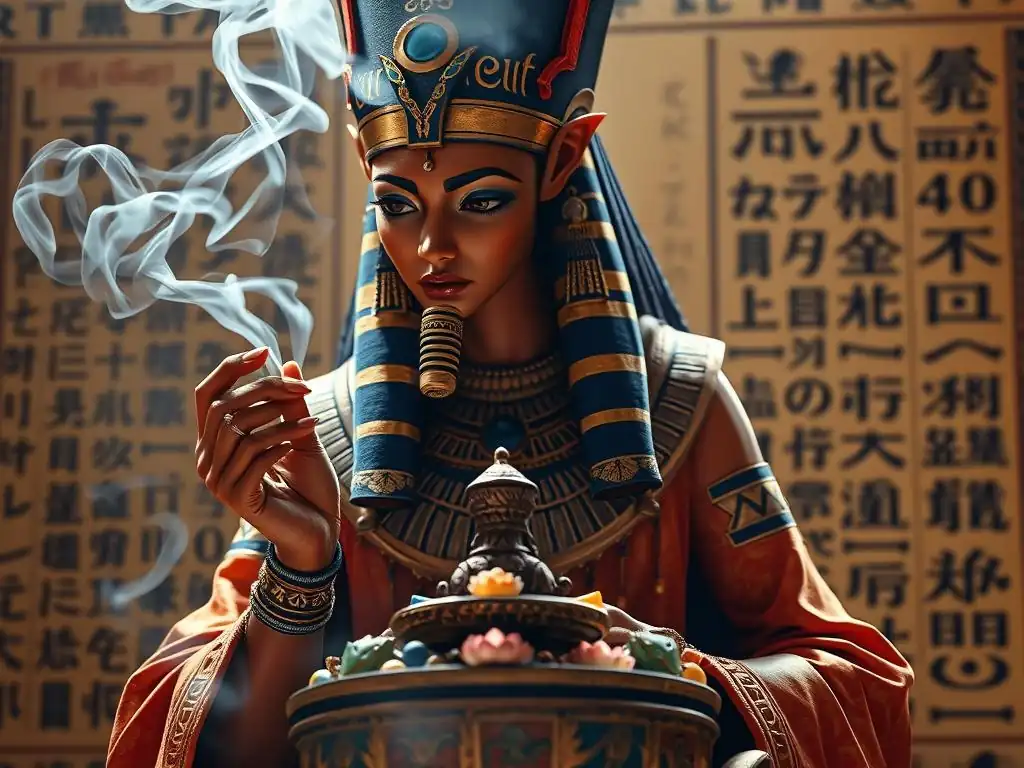
Sekhmet held a significant role as a divine protector of the reigning pharaoh. The pharaoh, as the intermediary between the gods and humanity, was particularly vulnerable to divine displeasure and earthly enemies. Sekhmet's fierce, warlike aspect made her an ideal patron for the king. She was invoked before battles, depicted smiting the pharaoh's foes, and believed to infuse the king with her strength and ferocity.
Temple reliefs and inscriptions frequently show the pharaoh making offerings to Sekhmet or being blessed by her, signifying her support for his rule and military endeavors. This association reinforced the pharaoh's authority and position, portraying him as being under the direct protection of one of Egypt's most powerful deities. The performance of Sekhmet goddess rituals for the pharaoh's well-being was a state priority.
Sekhmet's Role in Public Health and Well-being
Given her association with both plague and healing, Sekhmet played a central, albeit complex, role in matters of public health. During times of epidemic, her temples would have been centers of activity, with people seeking cures and priests performing intensive Sekhmet goddess rituals to halt the spread of disease. The belief that she controlled illness meant that appeasing her was seen as the most direct way to restore public health.
While modern medicine understands disease differently, in the ancient Egyptian worldview, seeking Sekkmet's intervention was a rational response to health crises. Her priests' medical knowledge, combined with ritual practice, offered the best available hope for recovery. The emphasis on Sekhmet goddess rituals for health underscores the deep integration of religious belief and practical concerns in daily life.
The Legacy of Sekhmet: Modern Interpretations and Practices
Sekhmet's powerful image and complex nature continue to resonate today. In modern times, she is often invoked by followers of Kemeticism (revival of ancient Egyptian religion) and practitioners of various spiritual paths. She is seen as a symbol of feminine power, fierce protection, healing, and transformation. Her dual nature is often interpreted as the necessary balance between destruction (clearing away the old or harmful) and creation/healing (making space for the new and healthy).
Contemporary Sekhmet goddess rituals often draw inspiration from ancient practices but are adapted for modern life. Individuals may work with her energy for personal healing, empowerment, or protection. The themes of confronting challenges, transforming anger into positive action, and seeking holistic well-being are central to modern devotion to Sekhmet, continuing her legacy into the present day.
Sekhmet Goddess Rituals for Health and Protection
Invoking Sekhmet's Healing Powers
Sekhmet is perhaps most frequently invoked today for her healing abilities, echoing her ancient role as "Great of Healing." Individuals seeking recovery from illness, physical injury, or even emotional wounds may perform Sekhmet goddess rituals specifically focused on her benevolent aspect. This might involve creating a healing altar with symbols associated with health and Sekhmet (like green or red stones, water, or images of the goddess), offering prayers for recovery, and visualizing Sekhmet's fiery energy burning away illness while her protective energy rebuilds health.
Some modern practitioners incorporate elements like laying on of hands or directing energy towards the affected area while invoking Sekhmet's name. The intention is to channel her potent life force and healing power. Sekhmet goddess rituals for healing often emphasize not just physical cure but also restoring balance and vitality to the whole person, acknowledging her connection to life force itself.
Seeking Sekhmet's Protection from Disease and Harm
Given her role as a fierce protectress and controller of pestilence, Sekhmet is a powerful ally for those seeking protection. Sekhmet goddess rituals for protection might be performed to safeguard oneself, loved ones, or one's home from physical threats, negative energy, or illness. This could involve creating protective amulets or talismans charged with her energy, performing cleansing rituals to ward off harmful influences, or setting intentions for energetic shielding.
Invoking Sekhmet's Lioness aspect is common in protection rituals, calling upon her ferocity to stand guard against threats. Visualizing her as a powerful guardian, roaring away negativity or disease, is a common practice. Wearing a Sekhmet amulet or placing one in the home continues the ancient tradition of seeking her tangible protection through sacred objects.
Using Sekhmet's Energy for Personal Empowerment
Beyond healing and protection, Sekhmet's energy can be invoked for personal empowerment and strength. Her association with power, assertiveness, and overcoming obstacles makes her a potent deity for those seeking to step into their own strength, overcome fear, or assert boundaries. Sekhmet goddess rituals for empowerment might involve meditation, visualization, or journaling focused on embodying Sekhmet's courage and determination.
Working with Sekhmet's fiery energy can also be used to burn away self-doubt, inertia, or negative patterns, making space for growth and transformation. This aspect of her aligns with the idea that destruction can be a necessary precursor to new creation. By respectfully engaging with her potent energy, individuals can harness it to activate their inner power and pursue their goals with the strength of the Lioness.
Modern Interpretations of Sekhmet Appeasement
Adapting Ancient Rituals for Contemporary Practice
Modern practitioners of Sekhmet goddess rituals adapt ancient forms to fit contemporary life and understanding. While the core principles of reverence, offering, and seeking connection remain, the specific execution may differ. For example, instead of a temple filled with thousands of statues, a personal altar serves as the sacred space. Instead of vast quantities of beer for a public festival, a small libation is offered in a private setting.
The emphasis shifts from large-scale state rituals to personal devotion and community gatherings on a smaller scale. Researching historical practices through translated texts and archaeological findings provides a foundation, but intuition and personal connection also guide modern Sekhmet goddess rituals. The goal is to capture the spirit and intention of the ancient practices – honoring the goddess, seeking balance, and asking for her aid – using accessible means.
Ethical Considerations in Working with Sekhmet
Working with a deity as powerful and dualistic as Sekhmet requires careful ethical consideration. Her association with wrath and destruction means approaching her with respect, sincerity, and a clear understanding of one's intentions is paramount. Practitioners emphasize the importance of not invoking her destructive aspect lightly or for harmful purposes. Her power is immense and should be approached with humility.
Modern Sekhmet goddess rituals often include strong elements of personal responsibility and ethical conduct, echoing the ancient Egyptian concept of Ma'at. Seeking Sekhmet's aid is often framed within the context of living a balanced, ethical life. Understanding her myths and acknowledging her full spectrum of power – both benevolent and terrifying – is crucial for working with her respectfully and effectively.
Resources for Further Study of Sekhmet and Her Rituals
For those interested in delving deeper into the history and practice of Sekhmet goddess rituals, numerous resources are available. Academic texts on ancient Egyptian religion, mythology, and history provide valuable insights into her historical cult and practices. Translations of ancient hymns, prayers, and medical papyri offer direct access to the words used by her ancient devotees.
Museum collections featuring Sekhmet statues and artifacts provide a tangible connection to her worship. Additionally, books and online communities dedicated to Kemeticism and Egyptian spirituality offer perspectives on modern interpretations and practices. Consulting these resources can deepen understanding and inform respectful engagement with Sekhmet and her powerful legacy of wrath and appeasement.
Frequently Asked Questions
How central was appeasement to Sekhmet's worship?
Appeasement was absolutely essential to Sekhmet's worship. She was seen as a powerful force of both destruction and healing, so rituals aimed at calming her wrath were paramount.
What were some common offerings used in Sekhmet goddess rituals?
Common offerings included food, beer (specifically red beer), and incense. These were believed to please the goddess and avert her destructive power.
Why was Sekhmet sometimes depicted with a sun disc?
The sun disc symbolized her connection to Ra, the sun god. She was often considered Ra's protector and a manifestation of his fiery power, hence the association with the sun.
What consequences did the ancient Egyptians believe would occur if Sekhmet was not appeased?
If Sekhmet was not appeased, they believed she would unleash plague, war, and other calamities upon the land. Her wrath was seen as a direct threat to the well-being of Egypt.
Beyond offerings, what other types of rituals were used to appease Sekhmet?
Beyond offerings, rituals involved chanting hymns, performing dances, and reciting spells. These were intended to demonstrate reverence and submission to the goddess.
Final Reflection: Echoes of Sekhmet: Finding Balance in Modern Life
The ancient rituals surrounding Sekhmet, the fierce lioness goddess, offer more than just a glimpse into a bygone era; they provide a powerful framework for understanding and managing our own inner turmoil and the challenges of modern life. Her story, one of both destructive power and compassionate healing, resonates deeply with the anxieties and uncertainties we face today. The need to find balance between our own inner "lioness" and the need for peace and harmony remains a constant, timeless struggle.
Sekhmet's legacy extends far beyond the dusty pages of ancient texts. Her image, a powerful blend of ferocity and grace, continues to inspire artists, writers, and spiritual seekers alike. The very act of appeasing her – whether through ritual, meditation, or simply acknowledging our own inner strength and potential for both creation and destruction – speaks to a fundamental human need for control and balance. The gods do not die; they merely change their names.
This sentiment perfectly encapsulates Sekhmet's enduring influence, her essence transforming and adapting to resonate with each new generation.
Consider the lessons of Sekhmet's rituals. They weren't simply about placating a powerful deity; they were about understanding the cyclical nature of life, the importance of self-awareness, and the power of ritual to bring about inner peace. You, too, possess the strength and the capacity for both creation and destruction. How will you harness your inner Sekhmet? How will you find the balance between your fierce power and your compassionate heart? Take a moment to reflect on this, and discover the ancient wisdom that can illuminate your path forward.
Unleash Your Inner Priestess: Connect with Sekhmet
Thanks for diving into the powerful world of Sekhmet! We hope you gained a deeper understanding of this fierce and protective goddess and her complex nature. Now it's time to take your connection further.
Here's how you can continue your journey:
- Craft a personal offering to Sekhmet: Whether it's a simple candle, a piece of vibrant red cloth, or a heartfelt prayer, a dedicated offering can deepen your connection to the goddess. This is your primary action to explore her energy further.
- Share your reflections on Sekhmet's symbolism: Discuss your personal interpretations of her wrath and compassion. What resonated most with you in this article? Let's build a community of exploration around this fascinating deity.
- Research Sekhmet's historical context further: Explore the ancient Egyptian sources and delve into the historical significance of her rituals and iconography. Uncover even more layers of meaning surrounding this compelling goddess.
What personal ritual will you incorporate to honor Sekhmet's strength and compassion in your life?