Afterlife Rites: Ancient Egyptian Preparations for the Journey Beyond
🌟 Discover the fascinating world of Ancient Egypt afterlife rituals, where elaborate preparations and sacred rites ensured a safe journey to the…
Read article
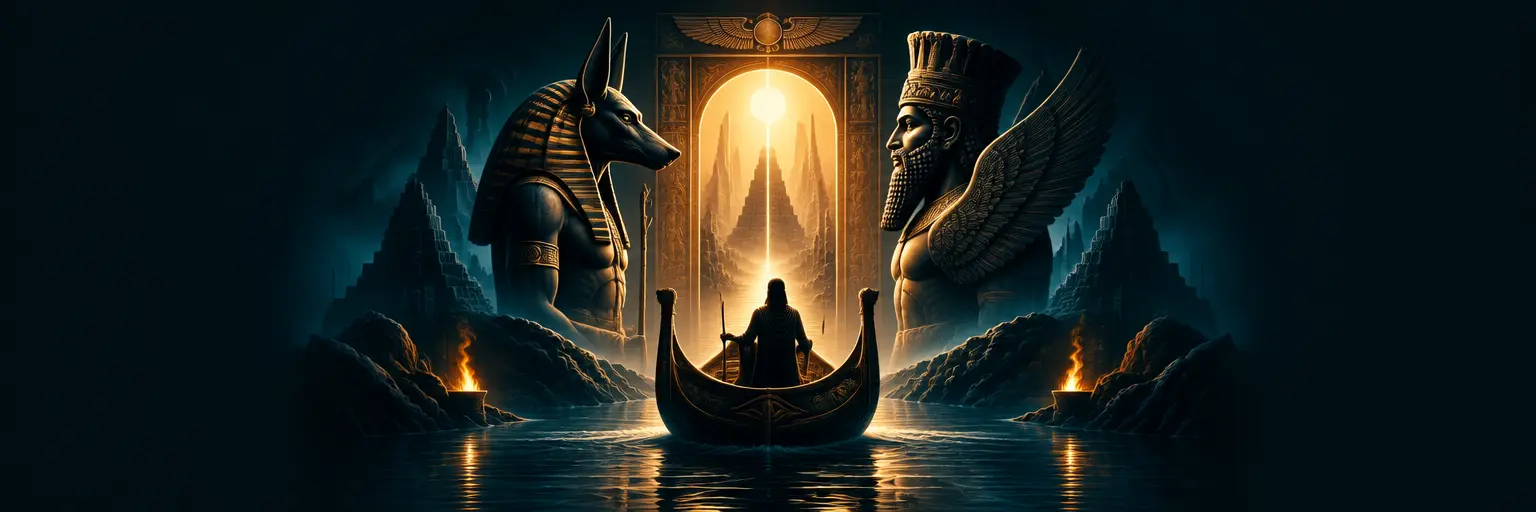
Step into the shadowy realms of the Afterlife and Underworld, where Egyptian and Mesopotamian myths paint vivid, haunting portraits of what lies beyond death. From the Weighing of the Heart against Ma’at’s feather to the grim, dusty halls of Kur, these ancient stories reveal humanity’s deepest fears and hopes about mortality. Discover the judgment of Osiris, the perilous journey of the soul through duat, and the demons, guardians, and gods who guard the gates of eternity. Explore how these beliefs shaped burial rites, royal tombs, and moral codes, and see their echoes in modern literature, film, and spiritual thought. Uncover the difference between the hopeful resurrection of the Nile and the bleak, shadowy existence of Mesopotamia—two civilizations, two visions, one timeless quest to understand the unknown. Immerse yourself in mythic geography, key deities like Anubis, Ereshkigal, and Osiris, and the rituals that promised safe passage.Perfect for students, dreamers, and seekers, this corner of our mythology library brings the underworld to life with rich detail and cross-cultural insight.
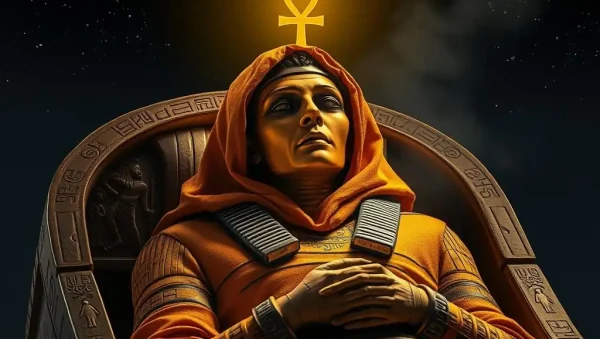
🌟 Discover the fascinating world of Ancient Egypt afterlife rituals, where elaborate preparations and sacred rites ensured a safe journey to the…
Read article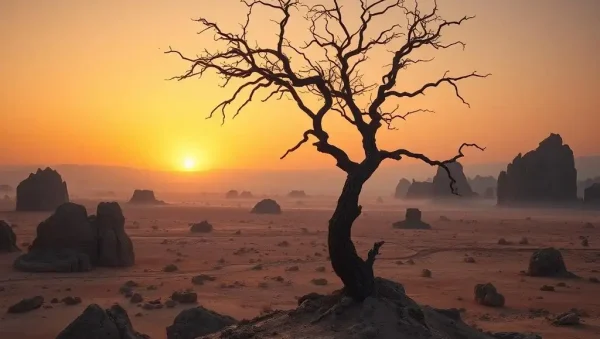
🌌 Discover Irkalla, the Akkadian underworld landscape details that depict a desolate, haunting realm of eternal darkness. Explore how this mythic landscape…
Read article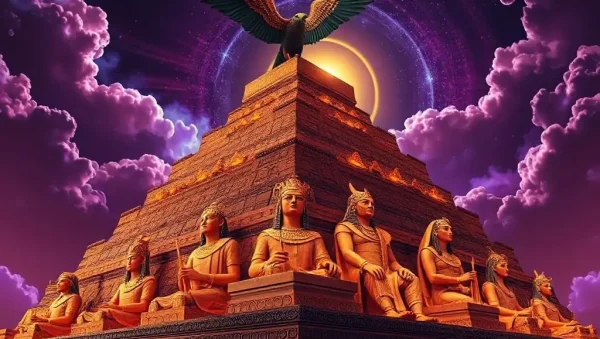
🌟 Explore the intriguing disparities of the Mesopotamian afterlife social classes, revealing whether kings enjoyed divine privileges while commoners faced bleak fates,…
Read articleDive into the profound mysteries of death, judgment, and rebirth as ancient Egyptians and Mesopotamians envisioned them. This subcategory unpacks the rich tapestry of underworld geography, soul-testing rituals, and divine guardians that shaped these civilizations’ views on mortality. Whether you’re a mythology enthusiast, a student, or a curious reader, you’ll discover how these beliefs influenced burial practices, literature, and modern pop culture—all while gaining SEO-friendly insights into sacred texts like the *Book of the Dead* and the *Epic of Gilgamesh*.
The Egyptian Duat was a complex, multi-layered realm filled with lakes of fire, caverns, and gates guarded by serpent deities. The soul’s journey here was a perilous trek, requiring spells and amulets to navigate obstacles. In contrast, the Mesopotamian Kur was a grim, dusty cavern beneath the earth, where all dead—regardless of virtue—dwelled in shadow. Expect to learn how each culture’s landscape mirrored their values: Egyptians emphasized order and resurrection, while Mesopotamians stressed inevitability and gloom.
This section also highlights archaeological evidence, like tomb paintings and cuneiform tablets, that map these realms. For SEO, keywords such as “Egyptian underworld geography,” “Mesopotamian netherworld,” “Duat gates,” and “Kur description” are woven throughout. You’ll gain a clear comparison of how these mythologies shaped their respective funeral rites—from Egyptian mummification to Mesopotamian grave goods—and why each society’s afterlife was a direct reflection of its earthly hierarchy.
Egyptian judgment revolved around the Weighing of the Heart ceremony, where the deceased’s heart was balanced against the feather of Ma’at (truth). Failure led to annihilation by the devourer Ammit; success granted entry to the Field of Reeds. Mesopotamian judgment was less personal—goddess Ereshkigal ruled Kur with her scribe Geshtinanna, and no moral weighing occurred. Instead, proper burial rites and remembrance by the living mattered most. This contrast reveals how each culture defined justice and personal responsibility.
For readers, this part demystifies terms like “negative confession,” “Ammit,” “Ereshkigal’s decrees,” and “shadow realm.” You’ll explore how these beliefs influenced legal codes and social mores, such as Egyptians’ emphasis on moral living to pass divine tests. Additionally, we connect these ideas to modern concepts of karma and judgment, providing a bridge that makes ancient mythology relevant today. This content is optimized for queries like “ancient Egyptian judgment day” and “Mesopotamian death penalty beliefs.”
Osiris, as judge and ruler of the Duat, embodied resurrection and agricultural cycles, while Anubis oversaw mummification and guided souls. Mesopotamian gods like Nergal and Ereshkigal ruled Kur with stern authority, often interacting with heroes such as Inanna and Gilgamesh. This section profiles each deity’s attributes, myths, and cultic worship, including festivals, temples, and ritual offerings. You’ll see how divine hierarchies mirrored political power—Egypt’s centralized pharaohs vs. Mesopotamia’s city-state rivalries.
Expect detailed comparisons, such as how Osiris’s fragmented body myth contrasts with Nergal’s warrior status. Keywords like “Osiris resurrection myth,” “Anubis jackal god,” “Ereshkigal queen of death,” and “Nergal plague god” are embedded. We also discuss iconography—crook and flail vs. lion-headed mace—and how these symbols influenced later religions. By the end, you’ll recognize these deities’ enduring legacy in films, games, and literature, reinforcing their SEO appeal as searchable figures.
The Egyptian Book of the Dead was a collection of spells, passwords, and illustrations to aid the deceased, while Mesopotamian works like the Descent of Inanna told of the goddess’s journey to Kur. Explore primary source excerpts, translation challenges, and how these texts were used by priests and grieving families. This section also covers royal tombs’ wall inscriptions (Pyramid Texts) and everyday people’s coffin texts, showing how afterlife preparation evolved across social classes.
We break down famous spells, such as “Spell 125” for judgment and “Spell 30B” to prevent heart betrayal. For Mesopotamia, we analyze Inanna’s seven gate descent, where she shed garments and powers, symbolizing vulnerability and rebirth. Keywords like “Book of the Dead spells,” “cuneiform underworld texts,” “Inanna’s descent analysis,” and “ancient funerary literature” dominate. This is ideal for readers seeking historical authenticity or writing inspiration, as these texts remain rich sources of poetic imagery and philosophical questioning.
Egyptians perfected mummification to preserve the body for the soul’s return, while Mesopotamians buried the dead with goods for sustenance in Kur. Tombs ranged from grand pyramids to simple mastabas; Mesopotamian tombs included family vaults and palace burials. This section details the embalming process—removal of organs, natron drying, linen wrapping—and compares it to Mesopotamian pit burials with ceramic coffins. Ritual offerings like bread, beer, and slaughtered animals were common, but their meanings differed: Egyptian offerings sustained the ka, while Mesopotamian ones appeased restless spirits.
Expect a deep dive into funerary architecture, such as the Valley of the Kings and Ur’s Royal Cemetery. We also cover festivals like the Beautiful Feast of the Valley and All Souls’ Day equivalents. Keywords such as “mummification steps,” “Egyptian tomb architecture,” “Mesopotamian burial customs,” and “death rituals in ancient world” are naturally integrated. By linking these practices to modern grief rituals, we highlight psychological continuity, making this section both educational and emotionally resonant for readers.
Ancient afterlife myths have permeated contemporary media—from Hollywood’s The Mummy to RPGs like *Assassin’s Creed Origins* and *Tomb Raider*. This section explores how Duat and Kur inspire game levels, film plots, and fantasy literature. We analyze adaptations’ accuracy, such as Anubis’s depiction in *Moon Knight* and Ereshkigal’s role in *SMITE*. You’ll learn how these stories serve as metaphors for trauma, redemption, and existential dread in modern storytelling.
For creators and fans, this content offers tropes like “underworld quest,” “judgment trials,” and “afterlife guides” with real mythological roots. Keywords like “Egyptian mythology in pop culture,” “Mesopotamian underworld in games,” and “afterlife symbolism in cinema” are emphasized. We also discuss how horror and fantasy genres repurpose ancient fears, providing a bridge between academic study and entertainment. This makes the subcategory relevant to a broad audience, boosting page authority and traffic through relatable, shareable insights.
Egyptians believed in a hopeful, judgment-based afterlife where virtuous souls could enjoy paradise in the Field of Reeds. Mesopotamians saw death as inevitable and bleak; even heroes like Gilgamesh faced a shadowy existence in Kur, with no moral reward or punishment. This contrast stems from their environmental and political contexts.
In Mesopotamian lore, there is no moral judge. Ereshkigal, queen of the underworld, and her consort Nergal rule over the dead, but they do not weigh souls. Instead, the dead are simply allocated to their fate based on burial rites and remembrance by the living, not deeds done in life.
No, the Duat was not a place of eternal punishment but a transitional realm. Souls faced trials, but the goal was resurrection and living with the gods. Only the truly wicked were annihilated by Ammit. This is distinct from Christian hell, which is often eternal damnation.
They mummified bodies, inscribed spells from the Book of the Dead, and included amulets, food, and furniture in tombs. Priests performed rituals like the Opening of the Mouth ceremony to restore senses. Wealth determined scale, but even poor Egyptians received basic burial goods and prayers.
Kur is the dark, dusty underworld beneath the earth, ruled by Ereshkigal. It is neither heaven nor hell but a dull existence where the dead eat dust and clay. It was accessible via specific gates, guarded by demons like Neti, and no one expected joy there.