Min: Egypt's Ancient God of Fertility and Kingship
🌿 Discover Min: Egyptian fertility deity and ancient Egyptian god of kingship, whose rituals and symbolism highlight the vital connection between fertility,…
Read article
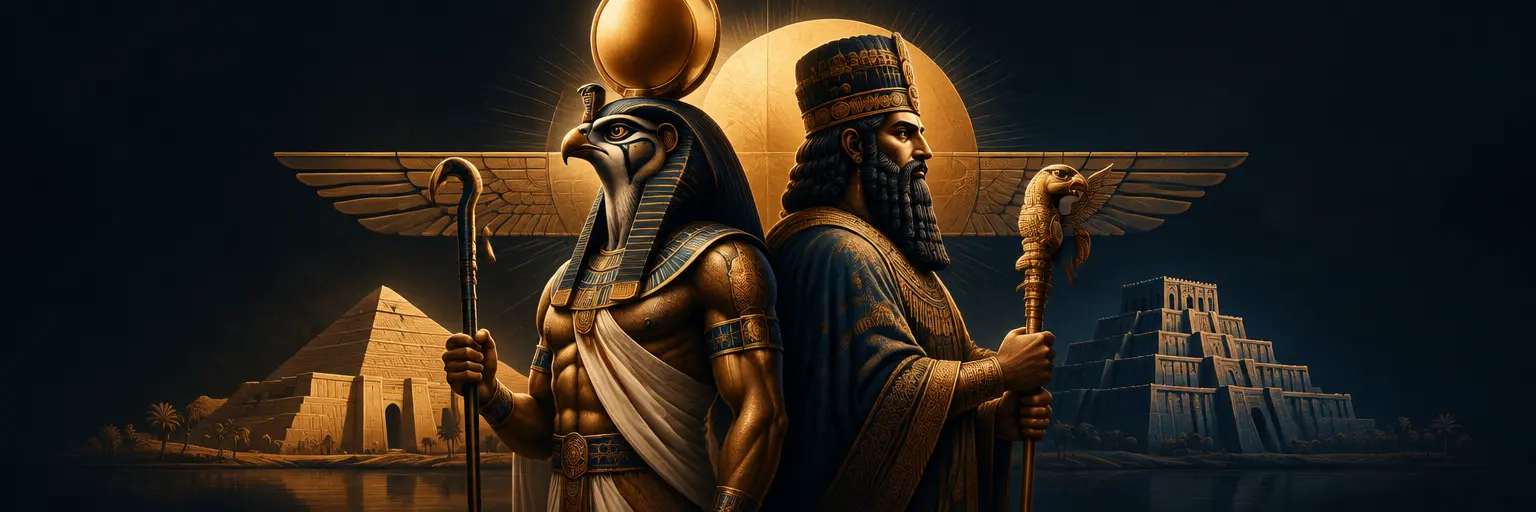
Unlock the divine mysteries of ancient power with our deep dive into deities and divine kings—where mortal rulers are exalted as gods and celestial beings shape the fate of empires. From the sun-soaked banks of the Nile to the fertile crescent of Mesopotamia, this exploration reveals how pharaohs and emperors claimed heavenly mandates, bridging the gap between the human and the divine. Discover the intriguing stories of Ra’s solar barque, Osiris’s resurrection, and Inanna’s descent, alongside legendary kings like Gilgamesh, whose god-like status blurred the line between myth and history. Perfect for enthusiasts of mythology, history, and spiritual symbolism, this content illuminates how divine kingship influenced governance, art, and ritual—echoing in modern leadership and storytelling. Dive into the sacred narratives that defined civilizations, where the throne was a reflection of the heavens and every decree was a whisper from the gods. Whether you’re a student, a curious traveler, or a lover of ancient lore, these insights offer a captivating portal into a world where power was eternal and divine.
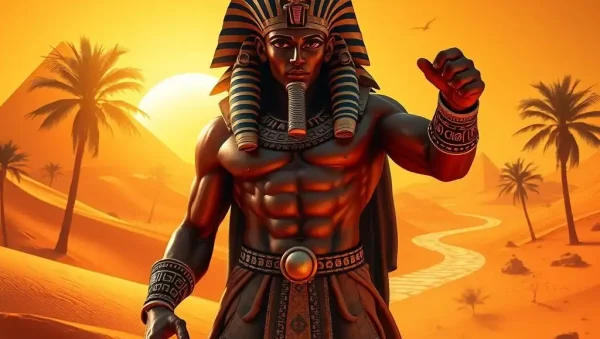
🌿 Discover Min: Egyptian fertility deity and ancient Egyptian god of kingship, whose rituals and symbolism highlight the vital connection between fertility,…
Read article
🌿 Discover the fascinating Mesopotamian dying god myths centered on Dumuzid/Tammuz, exploring how this ancient narrative of the dying god reflects themes…
Read article
🌟 Discover the fascinating origins of Egyptian primordial beings myths, exploring how the Ogdoad—ancient and powerful deities—predate and shape the rich tapestry…
Read article
🗿 Discover the profound significance of Egyptian sacred animal symbolism, where animals like the cat, crocodile, and ibis embody divine powers, illustrating…
Read articleWelcome to the heart of ancient power, where gods walked among mortals and kings claimed celestial thrones. This subcategory delves into the fascinating intersection of religion and rulership, revealing how the Egyptians and Mesopotamians envisioned their pantheons and the sacred rulers who embodied divine will. Here, you will discover creation myths, epic battles, and the rituals that sustained cosmic order, all framed within the rich tapestry of mythology and legends. From Ra’s solar barque to Marduk’s triumph over chaos, prepare to journey through a world where the divine and human were inseparably bound.
Expect to uncover how each civilization structured its divine family tree. In Egypt, you’ll explore the Ennead of Heliopolis, led by Atum-Ra, and the Memphite theology centered on Ptah, where creation emerged from thought and word. Mesopotamian lore, in contrast, presents the tumultuous relationship between Anu (sky), Enlil (air), and Ea (water), culminating in the Babylonian epic Enuma Elish. These narratives defined kingship itself, as rulers mirrored cosmic order on earth.
Dive deeper into the symbolism of primeval waters, cosmic eggs, and divine breath. You’ll learn how these stories weren’t just myth but served as political propaganda, validating a king’s authority by linking his reign to the gods’ original acts of creation. This section provides a foundational lens for understanding all other aspects of divine kingship, from temple rituals to royal succession.
This facet focuses exclusively on how Egyptian pharaohs were considered incarnations of Horus during life and Osiris after death. You’ll examine coronation ceremonies, the sed festival that renewed royal vigor, and the complex afterlife beliefs intertwined with the king’s ka (spirit). The pharaoh’s role as high priest and mediator between gods and people is central here, with every pyramid, obelisk, and temple inscription reinforcing his divine status.
Expect detailed insights into royal iconography—the crook, flail, and double crown—and how these symbols bridged mortal power with divine mandate. We also analyze the political uses of divine kingship, such as Akhenaten’s radical monotheism and Hatshepsut’s claims of divine birth. By the end, you’ll understand why the Nile Valley’s stability was seen as dependent on one person’s sacred body.
Unlike Egypt, Mesopotamia’s kings were rarely fully divine, but they were chosen by the gods. This section explains the concept of divine election—from Sargon of Akkad’s legendary origins to Hammurabi receiving laws from Shamash. You’ll explore the role of the ensi (governor-priest) and lugal (great man), and how temple ziggurats like Etemenanki served as earthly bridges to celestial gods. Kings acted as shepherds, feeding and protecting their people under the watchful eyes of Anu, Enlil, and Marduk.
Here, you’ll also learn about the Akitu festival, a New Year celebration where the king’s power was ritually renewed, sometimes through humiliation and reinstatement. This section contrasts Egyptian permanence with Mesopotamian fragility, showing how omens, dreams, and divine wrath could dethrone even the mightiest ruler. Perfect for understanding the psychological weight of ruling under capricious heavens.
Women played crucial, often underestimated roles in divine kingship. In Egypt, Isis served as mother, wife, and magic-wielder, protecting the pharaoh as she did Horus. Her cult transformed royal succession, with queens often embodying Hathor, Mut, or Sekhmet. In Mesopotamia, Inanna/Ishtar represented love and war, and her sacred marriage ritual (hieros gamos) ensured agricultural fertility and royal legitimacy. This section reveals how goddesses were not passive consorts but active agents of sovereignty.
Expect to explore the priesthood of goddesses, temple prostitution myths, and political marriages that used divine female figures to solidify dynastic claims. From Nefertiti’s elevation to the deification of Queen Puabi in Ur, this facet sheds light on how feminine power shaped the sacred landscape. It’s a refreshing counterpoint to male-dominated narratives, offering a nuanced view of gender and divinity.
Finally, we trace how these deities and divine kings resonate today. From movies like The Mummy and Gods of Egypt to popular novels and video games, the imagery of Ra, Osiris, and Marduk persists. Modern neo-pagan and Kemetic traditions revive ancient rituals, while political discourse still invokes "divine right" and "pharaonic" leadership. You’ll analyze how mythological archetypes—such as the dying-and-rising god or the wise king—continue to shape leadership ideals and spiritual practices across the globe.
This section also examines academic interpretations by historians like Jan Assmann and Thorkild Jacobsen, who contextualize these myths within societal needs. You’ll see how the "myth of the eternal return" influences contemporary leadership narratives, from nationalistic rhetoric to corporate CEO cults. A bridge between ancient texts and modern minds, this facet ensures the relevance of these timeless stories.
Egyptian pharaohs were considered fully divine—living incarnations of Horus and sons of Ra—granting them absolute religious authority. Mesopotamian kings, in contrast, were seen as chosen deputies of the gods, not gods themselves. They ruled by divine favor but could be replaced if they displeased deities, making their power more conditional and subject to omens and priestly interpretation.
In Egypt, Ra (or Amun-Ra) was the supreme solar god, later merged with Atum and other creator deities. In Mesopotamia, Marduk rose to prominence as the national god of Babylon after defeating Tiamat in the Enuma Elish. However, earlier periods favored Enlil of Nippur. Both deities embodied cosmic order, kingship legitimacy, and creation power in their respective cultures.
It structured everything—from taxes to festivals. The king’s health ensured prosperity, so rituals, building projects (like pyramids and ziggurats), and agricultural calendars revolved around his sacred duties. People offered prayers for the ruler’s longevity and participated in state festivals like Opet or Akitu. The royal court was seen as the beating heart of cosmic harmony, impacting law, trade, and warfare.
Yes, though rare. Egypt had Hatshepsut, who claimed divine birth and ruled as king with full titles. Cleopatra VII styled herself as Isis incarnate. In Mesopotamia, Queen Puabi of Ur was buried with royal insignia suggesting sacred status, and Semiramis (Shammuramat) became legendary in Assyrian lore. These women used goddess imagery—especially Isis and Inanna—to legitimize their reign.
Absolutely. In Egypt, Karnak Temple, Luxor Temple, and the pyramids at Giza remain prime destinations for devotees and travelers. In Iraq, the ziggurat of Ur and ruins of Babylon (including the Ishtar Gate) are accessible, though some sites face regional challenges. Many artifacts are in museums like the British Museum or Louvre. Virtual tours and augmented reality apps also let you explore these sacred spaces online.