
Why We Still Paint Myths: The Enduring Appeal of Ancient Stories in Art Today
🎨 Discover why ancient myths continue to captivate us, highlighting the enduring appeal of ancient myths art. These timeless stories inspire modern…
Read article
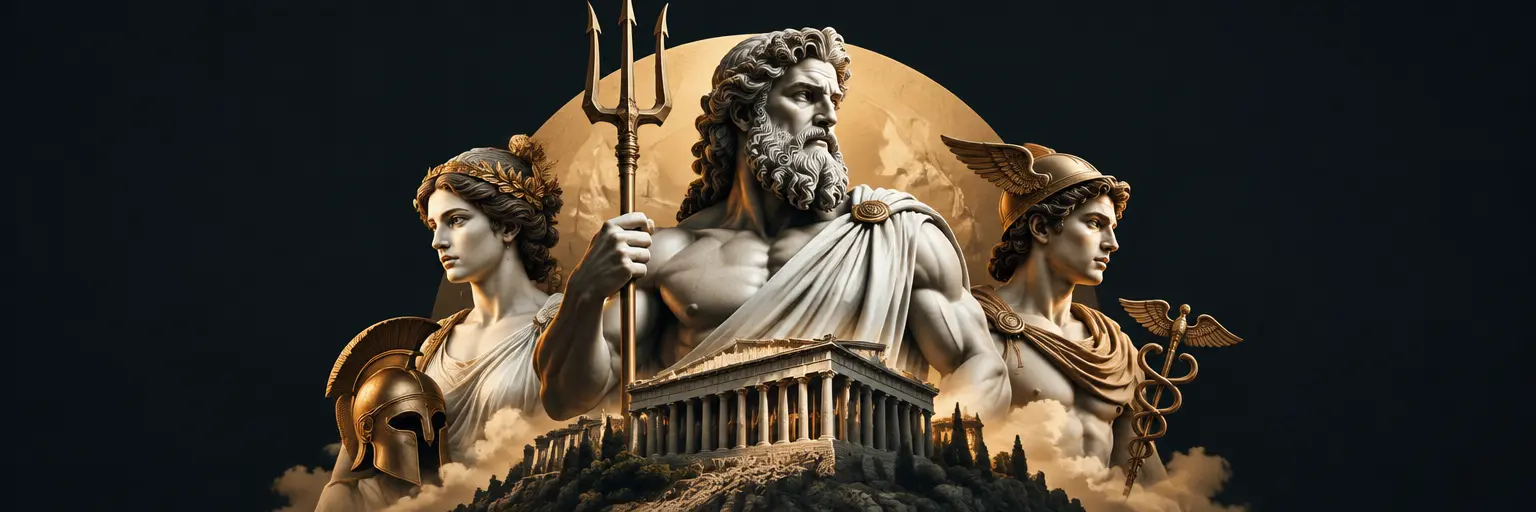
Dive into the timeless world of Greek and Roman Mythology, where gods, heroes, and monsters shape the very fabric of Western storytelling. From the thunderous power of Zeus to the cunning strategy of Minerva, these ancient narratives explore love, betrayal, vengeance, and the eternal quest for glory. Whether you are tracing the origins and evolution of these myths, following the epic journeys of Odysseus and Aeneas, or uncovering the profound cultural impact on modern literature, art, and psychology, this collection brings the divine pantheons and legendary quests to life. Explore the artistic representations and the sacred temple myths and rituals that defined daily life in antiquity, revealing how these powerful legends continue to influence contemporary society, from blockbuster films to philosophical thought.
🎨 Discover why ancient myths continue to captivate us, highlighting the enduring appeal of ancient myths art. These timeless stories inspire modern…
Read article
🧙♀️ Discover how Medusa’s cultural impact analysis reveals her enduring influence on modern pop culture, transforming her from ancient myth to a…
Read article
✨ Discover the intriguing divine power origin stories that explain how gods acquired their extraordinary attributes, revealing the rich tapestry of myths…
Read article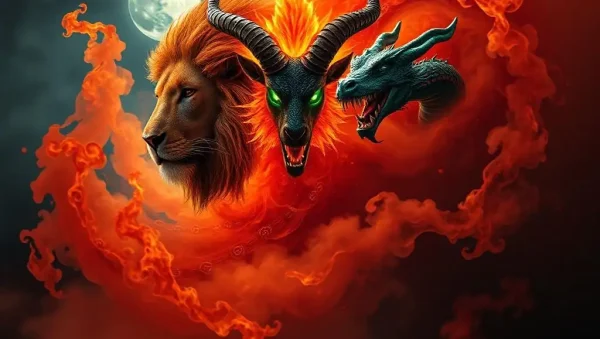
🧅 Discover the Greek Chimera folklore symbolism and meaning as a legendary creature blending nightmares into a single being, illustrating ancient fears…
Read article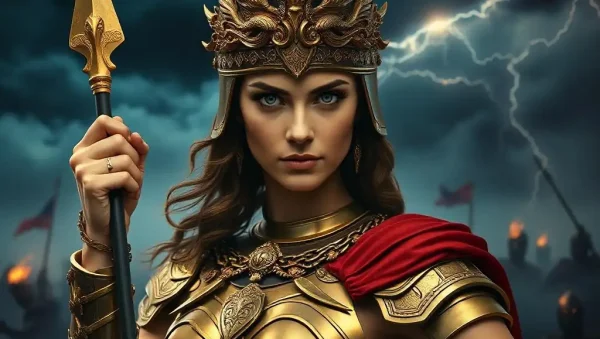
🔱 Discover how Athena’s strategic wisdom guidance embodies the paradox of a goddess of war and wisdom, shaping myth and legend, and…
Read article
🔥 Explore the captivating Prometheus myth evolution timeline, tracing how this ancient tale of rebellion and ingenuity has transformed across cultures and…
Read article
🌟 Discover how ancient oracles predicted future events, shaping divine narratives across cultures. This exploration reveals their profound influence on myths, legends,…
Read article
🦁 Discover the legendary Nemean Lion, whose Greek mythology invincible lion skin symbolized unbeatable strength. This myth explores how ancient tales of…
Read article
🌍 Discover how Greek Roman mythology origins shape modern stories and beliefs, revealing timeless narratives hidden in plain sight. This article explores…
Read article
🎭 Explore how Greek tragedy's timeless themes and storytelling techniques continue to shape modern drama, highlighting the enduring influence of Greek tragedy…
Read article
📝 Dive into the debate surrounding the Trojan War, exploring the elusive Trojan War historical evidence that blurs myth and reality. Discover…
Read article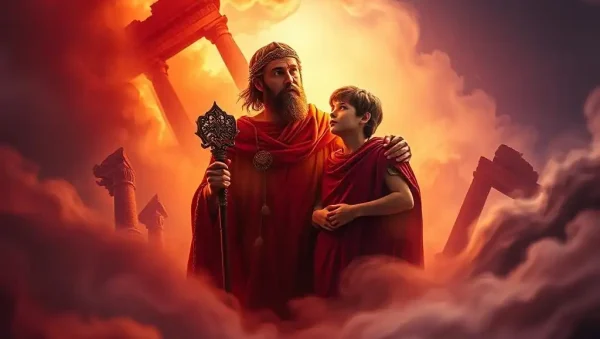
🌟 Explore the Romulus and Remus legend, uncovering ancient founding rituals and sacred sites that reveal how this myth shaped Rome’s origins…
Read articleGreek and Roman mythology forms the bedrock of Western storytelling, offering a rich tapestry of gods, heroes, and epic quests that still echo in modern literature, film, and art. On Mythology and Legends, our dedicated category dives deep into these ancient narratives, revealing how they shaped classical civilizations and continue to influence contemporary culture. From the origins of the pantheon to the rituals of temple worship, this resource is your gateway to understanding the myths that defined an era and the legends that never fade.
Here, you’ll uncover how Greek myths emerged from Minoan and Mycenaean traditions, blending with Near Eastern influences, and how the Romans later adapted these stories to fit their own civic and imperial identity. This section traces the chronological development of deities, creation myths, and the syncretism that merged Zeus with Jupiter and Athena with Minerva, providing a foundational timeline for all other subcategories.
Dive into the grand narratives that define the genre, such as Homer’s Iliad and Odyssey, Virgil’s Aeneid, and Hesiod’s Theogony. This subcategory breaks down the structure, key themes, and symbolic meanings of these masterpieces, highlighting their use of divine intervention, heroic journeys, and fate. Expect detailed plot summaries, character analyses, and scholarly interpretations that illuminate why these epics remain cornerstones of literary study.
Meet the mortal and demi-god champions whose exploits captivated ancient audiences—Hercules, Perseus, Theseus, Achilles, and Aeneas, among others. Each hero entry covers their birth, trials, labors, and tragic flaws, while also exploring how their stories served moral and political purposes. You’ll gain insight into the hero’s journey archetype, comparing Greek heroes to Roman figures who embodied duty and pietas over raw glory.
Explore the twelve Olympians and their Roman counterparts in-depth, including Zeus/Jupiter, Hera/Juno, Poseidon/Neptune, and Athena/Minerva. This section details each deity’s domain, symbols, myths, relationships, and cult centers, offering a comprehensive god-by-god reference. You’ll also discover lesser-known spirits like nymphs, satyrs, and personifications, ensuring a full understanding of the divine hierarchy that governed ancient life.
Beyond the stories, this subcategory examines how Greek and Roman mythology shaped law, politics, philosophy, and daily customs—from the Olympic Games to Augustan propaganda. Learn how myths justified dynastic claims, influenced education, and provided frameworks for understanding natural phenomena. You’ll also trace their survival through the Renaissance and into modern media, including film franchises and video games, proving their enduring relevance.
Discover how mythology fueled ancient pottery, sculpture, frescoes, and architecture, and how these visual forms later inspired Baroque paintings, Neoclassical sculptures, and contemporary digital art. This section offers iconographic guides—identifying gods by attributes like Zeus’s thunderbolt or Poseidon’s trident—plus analyses of famous works from the Parthenon friezes to Botticelli’s Birth of Venus. Expect connections between visual storytelling and oral tradition.
Understand the religious practices that brought myths to life, including festivals like the Panathenaea, sacrificial rites, oracles, and mystery cults. Each temple and sanctuary—Delphi, Olympia, the Capitoline Hill—gets a focused treatment, explaining the myths tied to their foundation and the rituals performed within their walls. This subcategory bridges mythology and archaeology, showing how belief translated into physical spaces and communal actions.
Greek mythology predates Roman, originating around 1200 BCE with more complex, often morally ambiguous gods and heroes. Romans adopted many deities and stories starting around the 6th century BCE but renamed them (e.g., Zeus to Jupiter) and emphasized practical values like duty, discipline, and statehood over the Greeks’ focus on individual glory and fate.
These myths provide universal archetypes—hero’s journeys, hubris, metamorphosis—that appear in modern psychology (e.g., Freud’s Oedipus complex), literature (like Rick Riordan’s books), and films (such as Clash of the Titans). They also offer timeless lessons on power, love, and mortality, making them a shared cultural language across centuries.
The twelve Olympians are Zeus (sky and thunder), Hera (marriage), Poseidon (sea), Demeter (harvest), Athena (wisdom and war), Apollo (sun and music), Artemis (hunt), Ares (war), Aphrodite (love), Hephaestus (fire and forge), Hermes (messenger), and either Hestia (hearth) or Dionysus (wine). Each has unique attributes and myths.
Homer’s Iliad and Odyssey are the foundational Greek epics, covering the Trojan War and Odysseus’s return home. Virgil’s Aeneid is the Roman counterpart, chronicling Aeneas’s journey to Italy and founding of Rome. Hesiod’s Theogony provides a systematic cosmology of the gods’ origins.
Romans often renamed the gods, added Italian local deities, and reframed myths to support imperial ideology. For example, Aeneas became a Trojan hero fleeing to Italy, legitimizing Julius Caesar’s lineage. They also emphasized moral themes like pietas (devotion to gods and state) more than the Greeks did, aligning myths with civic identity.