
Why We Still Paint Myths: The Enduring Appeal of Ancient Stories in Art Today

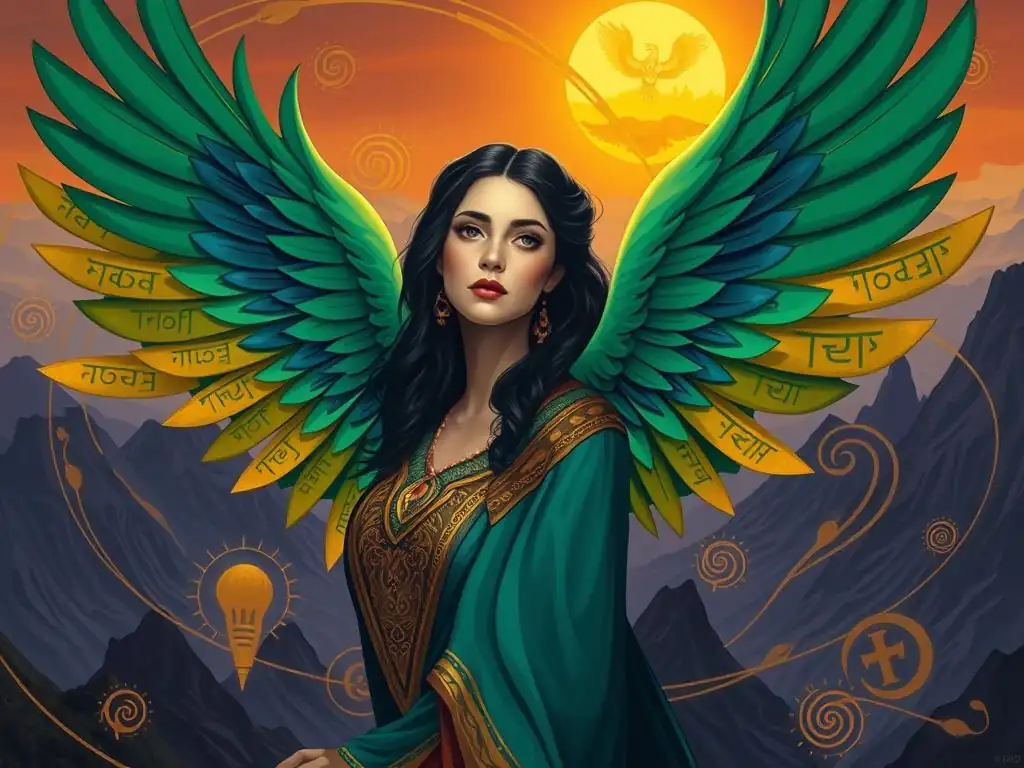
Welcome to Mythology and Legends, where timeless tales come alive. Ever wondered why artists still find inspiration in the whispers of forgotten gods and heroes? Dive in as we explore the enduring Ancient myths art appeal, specifically focusing on the vibrant legacy of Greek and Roman mythology. Prepare to uncover the secrets behind these captivating narratives and discover why they continue to resonate with us today. What makes these ancient stories so eternally compelling? Let's find out...
- Understanding the Persistent Influence of Greek and Roman Mythology
-
Frequently Asked Questions
- Why do artists continue to depict ancient myths in their art today?
- What makes ancient myths so appealing as subject matter for art?
- How does art depicting ancient myths contribute to our understanding of those myths?
- What are some examples of how ancient myths influence contemporary art?
- What is the relationship between the "Ancient myths art appeal" and contemporary society?
- Final Reflection: The Timeless Echo of Myth in Modern Art
- Unleash Your Inner Mythmaker!
Understanding the Persistent Influence of Greek and Roman Mythology
The Power of Archetypes: Why Ancient Characters Resonate Today
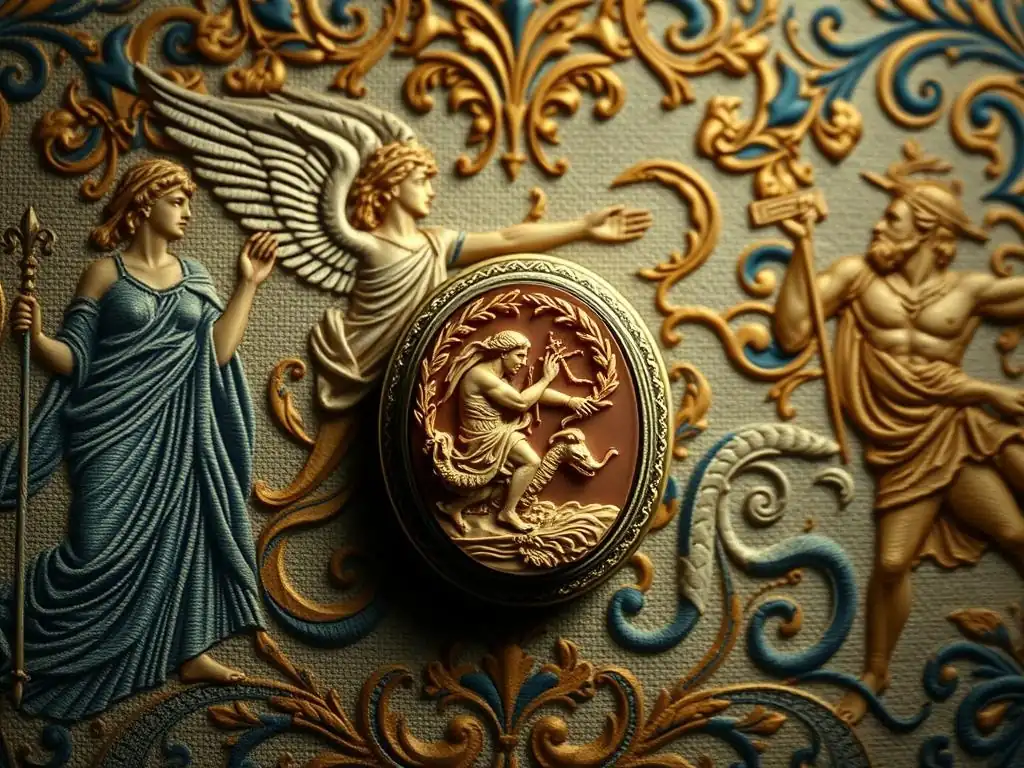
Greek and Roman mythology offers a rich tapestry of characters whose stories continue to resonate deeply with contemporary audiences and artists alike. These figures, such as the valiant hero Heracles, the cunning Odysseus, the wise centaur Chiron, or the powerful goddesses like Athena and Aphrodite, embody archetypes – universal patterns of human behavior, motivations, and relationships that recur across cultures and throughout history.
Carl Jung, the renowned psychologist, explored these archetypes extensively, suggesting they form part of the collective unconscious, making figures like the Hero, the Shadow, the Trickster, or the Divine Mother instantly recognizable and relatable on a fundamental level. Artists are drawn to these figures because they provide a pre-existing language of form and emotion, allowing them to explore complex human experiences through familiar narratives, contributing significantly to the ancient myths art appeal.
The enduring power of these archetypes is evident not just in classical art but also in modern storytelling across various media. The structure of the "Hero's Journey," popularized by Joseph Campbell and directly derived from mythological narratives, forms the backbone of countless successful films, novels, and games today. Characters in contemporary fiction often mirror mythological archetypes, whether intentionally or subconsciously, demonstrating their persistent relevance.
While specific data on audience recognition of mythological figures is complex, informal polls and surveys often show high familiarity with names like Zeus, Hades, and Hera, even among those with limited formal education in classics. This inherent recognition provides artists engaging with ancient myths art appeal a powerful shorthand to connect with viewers, leveraging centuries of cultural understanding embedded within these characters.
The Perils of Hubris: The Myth of Icarus and its Relevance to Modern Ambition
Among the most potent cautionary tales from ancient mythology is the story of Icarus. Tasked with escaping the labyrinth by his father, Daedalus, Icarus was given wings crafted from feathers and wax. His father warned him not to fly too low, lest the sea damp the feathers, nor too high, lest the sun melt the wax.
Ignoring the crucial warning about flying too close to the sun – a classic example of hubris, or excessive pride and self-confidence – Icarus soared higher and higher, captivated by the exhilaration. The wax melted, his wings disintegrated, and he plummeted to his death in the sea below. This dramatic narrative encapsulates the universal human struggle with ambition, boundaries, and the potential consequences of overreaching, making it a perennially relevant subject for artists exploring ancient myths art appeal.
The myth of Icarus speaks directly to the human condition in a world increasingly defined by rapid technological advancement and boundless ambition. It serves as a powerful metaphor for various modern pitfalls: the dangers of unchecked scientific progress without ethical consideration, the speculative bubbles in finance fueled by irrational exuberance, or the relentless pursuit of fame and success at the expense of wisdom and caution.
Artists across centuries, from Pieter Bruegel the Elder to Henri Matisse and beyond, have depicted Icarus's fall, each interpretation reflecting the anxieties and aspirations of their time. The sheer volume of artistic interpretations – numbering in the hundreds across different eras and media – attests to the story's enduring resonance and its capacity to provoke contemplation on the limits of human endeavor and the timeless peril of hubris, solidifying its place within the ancient myths art appeal.
Frequently Asked Questions
Why do artists continue to depict ancient myths in their art today?
Artists find inspiration and timeless themes in ancient myths. These stories offer powerful narratives that resonate across generations and cultures.
What makes ancient myths so appealing as subject matter for art?
Ancient myths provide a rich source of symbolism, archetypes, and dramatic narratives. Their enduring appeal lies in their ability to explore universal human experiences.
How does art depicting ancient myths contribute to our understanding of those myths?
Art provides a visual interpretation of the myths, bringing them to life and offering new perspectives. It can also help us connect with the cultural context from which the myths originated.
What are some examples of how ancient myths influence contemporary art?
Contemporary artists often reinterpret myths to comment on modern issues or explore personal themes. They may use new mediums and techniques to present familiar stories in a fresh light.
What is the relationship between the "Ancient myths art appeal" and contemporary society?
The enduring appeal of ancient myths in art reflects our continued fascination with these stories. They offer insights into human nature, cultural values, and the power of storytelling, all of which remain relevant today.
Final Reflection: The Timeless Echo of Myth in Modern Art
The enduring power of ancient myths in contemporary art isn't merely a nostalgic trend; it's a vital testament to the human condition's unchanging core. These stories, born from the fertile ground of human experience, continue to resonate deeply because they grapple with universal themes of love, loss, ambition, and mortality – themes that transcend time and culture. Their enduring presence in modern artistic expression speaks volumes about our ongoing need to explore these fundamental questions.
The influence of mythology on art is not simply a historical curiosity; it's a living, breathing force shaping our cultural landscape. These ancient narratives provide a rich tapestry of symbols and archetypes that artists continue to reimagine and reinterpret, reflecting the anxieties and aspirations of their own time. Myth is a potent force, not because it tells us what to believe, but because it shows us how to believe.
This quote encapsulates the enduring power of myth to shape our understanding of the world and ourselves, influencing not only artistic expression but also our collective consciousness.
Consider the impact of these ancient stories on your own life. Have you ever felt a connection to a particular myth, a character, or a narrative? I urge you to explore this connection further. Seek out art inspired by ancient myths, engage with the stories themselves, and reflect on how these timeless tales continue to shape our understanding of humanity. By understanding the enduring appeal of ancient myths in art, we gain a deeper appreciation for the human experience and the power of storytelling to connect us across time and cultures.
Unleash Your Inner Mythmaker!
Thanks for exploring the enduring power of myths in modern art! We hope you gained a fresh perspective on how ancient stories continue to inspire and resonate with us today. Ready to dive deeper into this fascinating world?
- Create your own mythical creature: Let your imagination run wild and bring a new mythological being to life through drawing, painting, sculpting, or even writing! Think outside the box – what unique powers and attributes would it possess?
- Share your artistic interpretations: Post your creations on social media and tag #MythologyAndLegends – let's build a vibrant community of myth-inspired artists!
- Explore further: Research the symbolism behind a specific myth that caught your attention and discover its hidden layers of meaning.
What unique mythical creature will you bring to life today?