
The Chimera: Combining Nightmares into One Creature

Welcome, seeker of ancient lore!
Delve into the captivating world of Mythology and Legends, where we unravel the timeless tales that have shaped civilizations. Prepare to be enthralled as we explore the monstrous origins and profound Greek Chimera folklore symbolism meaning. What secrets does this fire-breathing hybrid hold, and how does it continue to resonate in our modern imagination? Journey with us, and unlock the enigma of the Chimera!
The Chimera's Pedigree: Parentage and Lineage in Greek Myth
The monstrous Chimera did not simply appear; it was a creature born from the most terrifying and prolific progenitors of monsters in Greek mythology: Typhon and Echidna. Typhon, a colossal and fearsome giant with a hundred serpent heads, was the last son of Gaea (Earth) and Tartarus (the abyss). He was the ultimate challenge to the Olympian gods, specifically Zeus, for supremacy over the cosmos.
Echidna, often described as a half-woman, half-serpent creature, was known as the "Mother of All Monsters." Together, this formidable pair spawned a terrifying brood that populated the myths with horrors, including the Lernaean Hydra, the Nemean Lion, Cerberus (the three-headed hound guarding the Underworld), and the Sphinx.
The Chimera's place within this monstrous lineage underscores its nature as a primal, chaotic force, deeply rooted in the most ancient and fearsome aspects of Greek cosmology. Its birth from Typhon and Echidna signifies its inherent connection to the forces of disorder and destruction that the heroes and gods of Greek mythology constantly battled.
This lineage is crucial for understanding the Greek Chimera folklore symbolism meaning. Being a direct offspring of Typhon and Echidna places the Chimera firmly within a family tree of chaos and opposition to the established order of the Olympian gods and the human world they protected.
Unlike some isolated monsters, the Chimera is part of a vast network of mythological threats emanating from a single, terrifying source. This shared ancestry with creatures like the Hydra and Cerberus highlights a common theme in Greek myth: the ongoing struggle against primordial, untamed forces.
The Chimera, therefore, doesn't just represent a physical threat; it embodies the very concept of monstrous, uncontrollable nature inherited from its powerful, chaotic parents. This deep-seated connection to the progenitors of fear makes the Chimera a particularly potent figure in ancient Greek folklore, representing a concentrated form of the monstrous potential inherent in the world before the full establishment of divine and human order.
- What is the Chimera and where does it originate?
- What are the typical physical characteristics of the Chimera?
- What is the symbolic meaning attributed to the Chimera in Greek folklore?
- Who is famously known for defeating the Chimera in Greek legends?
- How does the Chimera influence contemporary society, and what is its significance today?
Frequently Asked Questions
What is the Chimera and where does it originate?
The Chimera is a monstrous creature from Greek mythology, described as a hybrid of different animals. It's primarily known from the Iliad and Theogony, texts that established its presence in classical Greek folklore.
What are the typical physical characteristics of the Chimera?
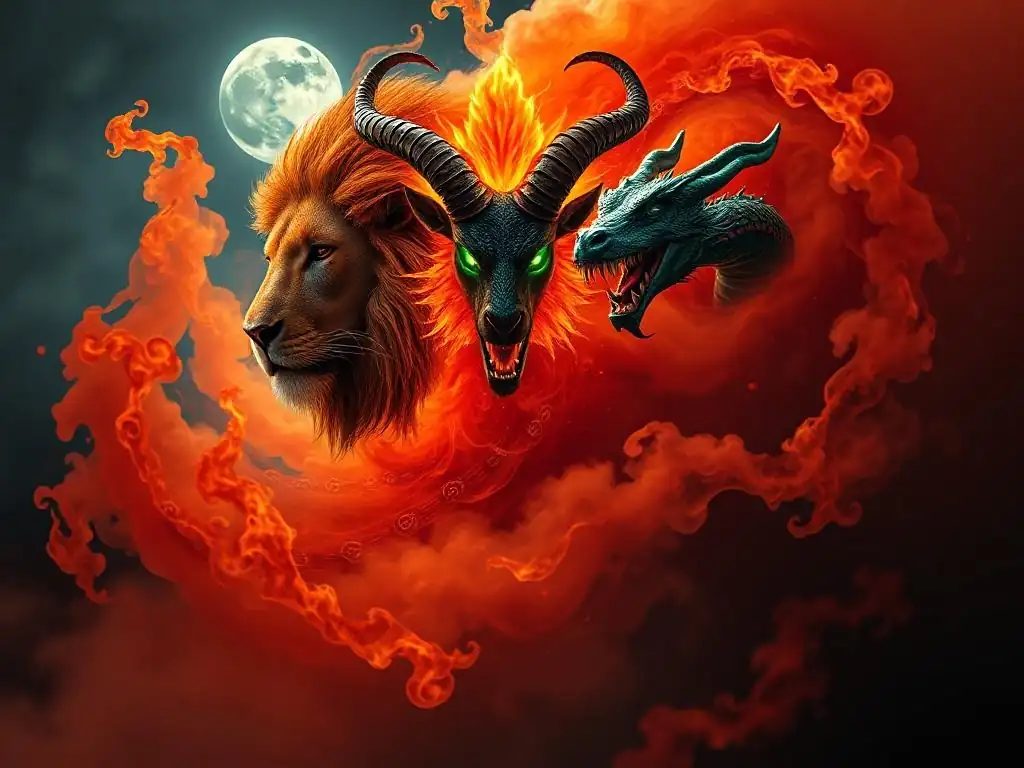
The Chimera is usually depicted as having the head of a lion, the body of a goat, and a serpent for a tail. It's often described as breathing fire, making it a truly terrifying and formidable beast.
What is the symbolic meaning attributed to the Chimera in Greek folklore?
The Chimera often represents chaos, illusion, and the impossible. It symbolizes the combination of disparate elements into a single, destructive force, reflecting the uncontrollable aspects of nature and human nature.
Who is famously known for defeating the Chimera in Greek legends?
The hero Bellerophon, riding the winged horse Pegasus, is credited with slaying the Chimera. This victory is often interpreted as representing the triumph of reason and courage over untamed bestiality and irrationality.
How does the Chimera influence contemporary society, and what is its significance today?
The Chimera continues to inspire art, literature, and even scientific concepts, such as the term "chimera" used in genetics. It represents the enduring power of mythological archetypes and the human fascination with hybridity and the monstrous.
Final Reflection: Unraveling the Chimera's Enduring Power
The enduring image of the Chimera, a creature born of nightmares, continues to resonate in our modern world, a potent symbol of our anxieties about the unknown and the unpredictable. Its multifaceted nature, a terrifying blend of disparate elements, mirrors the complex challenges we face in a rapidly changing society, from technological advancements to environmental concerns. The Chimera's very existence serves as a stark reminder of the potential for chaos and the need for understanding and control in the face of overwhelming forces.
The Chimera's influence extends far beyond the realm of ancient Greek mythology; its symbolism has seeped into our collective consciousness, shaping our understanding of hybridity, fear, and the power of imagination. It serves as a cautionary tale, a warning against unchecked ambition and the dangers of combining disparate forces without careful consideration. The Chimera is not merely a monster; it is a mirror reflecting our deepest fears and our capacity for both creation and destruction.
This quote encapsulates the enduring power of the Chimera to provoke thought and self-reflection. Its continued presence in art, literature, and popular culture underscores its lasting impact on our cultural landscape.
Consider the Chimera's legacy. What aspects of its symbolism resonate most strongly with you? How can understanding the Chimera's complex nature help you navigate the complexities of your own life and the world around you? Embrace the challenge of confronting your own "chimera" – those anxieties and fears that seem overwhelming and monstrous. By acknowledging and understanding these inner demons, you can begin to dismantle them, piece by piece, and forge a stronger, more resilient self. Let the Chimera's enduring power inspire you to confront your own fears and build a future where understanding triumphs over fear.
Unleash Your Inner Mythmaker: Craft Your Own Chimera!
Thanks for diving into the fascinating world of the Chimera! You've now unlocked a deeper understanding of this powerful mythical creature. Ready to take your newfound knowledge further?
- Design your own Chimera: Let your imagination run wild! Sketch out a unique combination of animals, considering their strengths and weaknesses, to create your ultimate mythical beast. Think outside the box – what unusual traits could your Chimera possess?
- Share your creation: Show off your design on social media using #MyChimeraMyth and inspire others to create their own.
- Explore the deeper symbolism: Consider the cultural and psychological aspects of the Chimera—what does your unique design represent?
What unexpected powers would your Chimera possess, and how would its abilities shape its mythical story?