The Myth of Romulus and Remus: Founding Rituals and Sacred Sites
🌟 Explore the Romulus and Remus legend, uncovering ancient founding rituals and sacred sites that reveal how this myth shaped Rome’s origins…
Read article
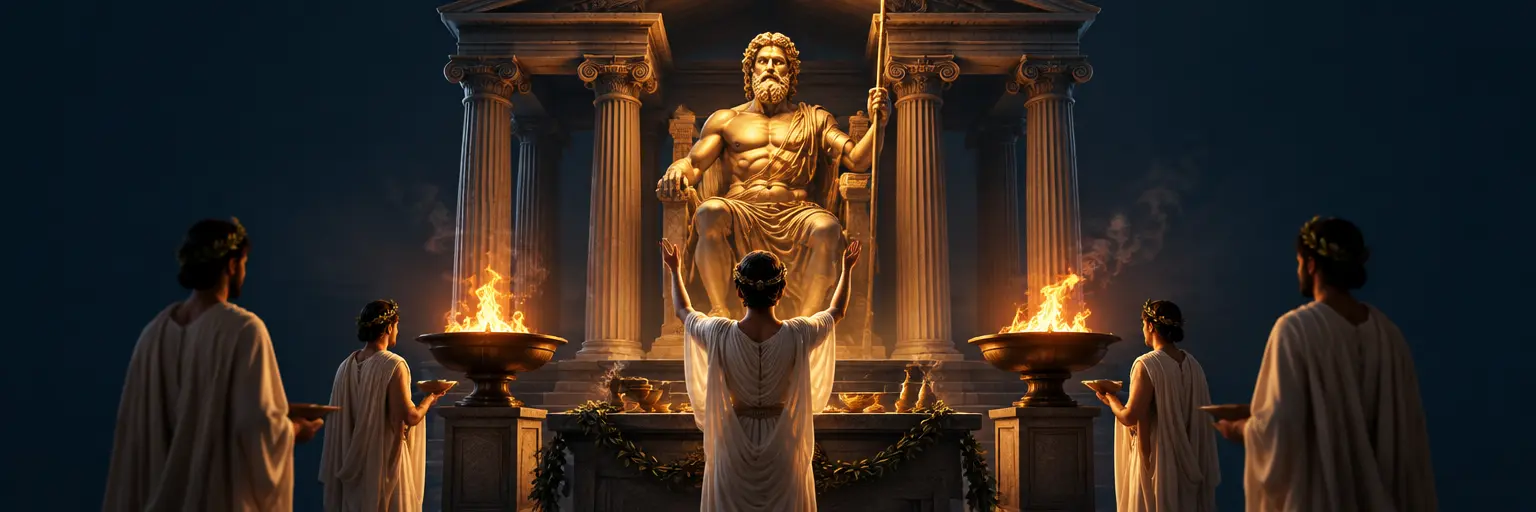
Step into the sacred heart of antiquity, where temple myths and rituals brought the divine into the mortal world. From the oracular whispers at Delphi to the secretive rites of Eleusis, these sacred spaces were more than stone—they were living theaters of belief, where every sacrifice, procession, and prayer wove a narrative of power, devotion, and cosmic order. Uncover how the Greeks and Romans used ritual to appease gods like Zeus, Athena, and Apollo, and how mythological stories—such as Athena’s miraculous birth or Demeter’s mourning—shaped the very architecture, festivals, and priestly hierarchies of their sanctuaries. This exploration reveals not just ancient customs, but the enduring psychological and cultural patterns that still echo in modern religious and civic ceremonies. Perfect for mythology enthusiasts, history buffs, and travelers seeking deeper meaning at iconic ruins, this guide decodes the symbolism behind altars, votive offerings, and purification rites, showing how these practices forged community identity and personal transformation.
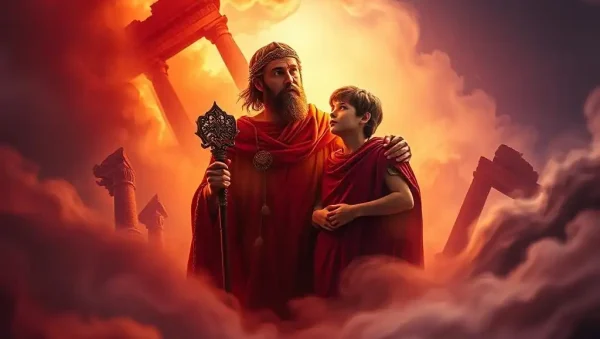
🌟 Explore the Romulus and Remus legend, uncovering ancient founding rituals and sacred sites that reveal how this myth shaped Rome’s origins…
Read article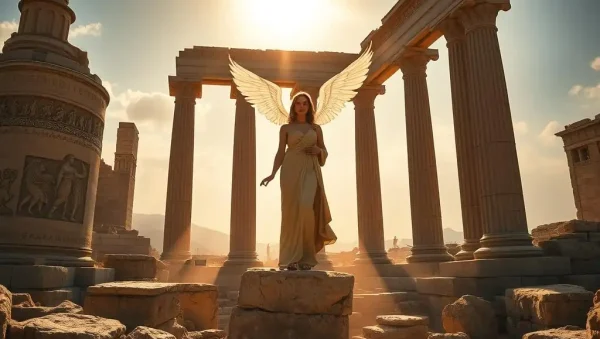
🌿 Discover the fascinating Hera temple Samos myths, revealing ancient stories of a goddess's divine power and influence. This site explores how…
Read article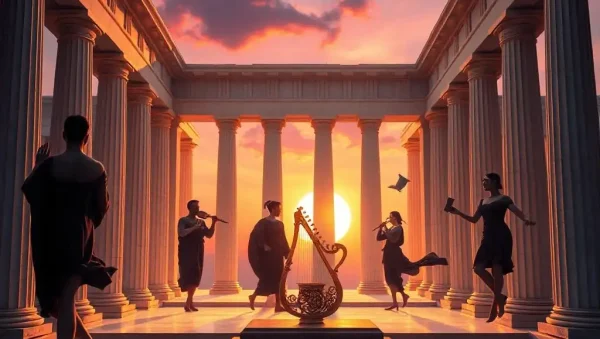
🎶 Discover how ancient Greek temple music and dance played a vital role in sacred rituals, fostering community, honoring deities, and enriching…
Read articleDive into the hallowed halls of ancient Greco-Roman sanctuaries with our deep-dive on Temple Myths and Rituals. This subcategory uncovers the divine narratives and ceremonial practices that shaped worship at iconic sites like Delphi, Olympia, and the Parthenon. From secret initiation rites to oracular pronouncements, discover how myth and ritual intertwined to define daily life, political power, and spiritual identity in classical antiquity—perfect for students, enthusiasts, and writers seeking authentic mythological context.
Oracular temples were the nerve centers of Greco-Roman spirituality, where priests and priestesses channeled divine will through cryptic predictions. At Delphi, the Pythia’s trance-like utterances guided kings and colonists, while Dodona’s sacred oak rustled with Zeus’s whispers. These myths—like Apollo’s slaying of Python—explained why specific sites held power, and rituals involving purification, animal sacrifice, and votive offerings were meticulously performed to secure favorable omens.
Expect to learn how pilgrims prepared for consultation, including fasting, bathing in sacred springs, and presenting laurel wreaths. The myth of Apollo’s arrival at Delphi, for instance, justified the temple’s authority and its rituals of bloodless and burnt offerings. Understanding these practices reveals how the Greeks perceived divine communication as both a privilege and a perilous responsibility, blending fear, hope, and civic duty into every ceremony.
Animal sacrifice was the heartbeat of temple worship, with hecatombs—mass offerings of a hundred cattle—marking grand festivals like the Panathenaea. Myths such as Prometheus’s trick with bones and fat explained why gods received smoke and mortals kept meat, forging a covenant of reciprocal gifts. Ritual slaughter followed strict protocols: the animal had to be flawless, the altar purified, and the blood drained onto sacred ground to nourish chthonic deities.
Our coverage includes the role of the hierophant, the division of meat among citizens, and the prayers sung during the thysia. You’ll also explore how myths of divine cannibalism, like the feast of Tantalus, warned against impious sacrifice. This section clarifies why such rituals cemented social hierarchies and were seen as essential to maintaining cosmic order, not mere superstition.
Unlike public worship, mystery cults offered personal salvation through secret rituals, often associated with fertility myths. The Eleusinian Mysteries, honoring Demeter and Persephone, promised blessed afterlives to initiates who underwent purification, fasting, and dramatic reenactments of the goddess’s grief. Similarly, the Kabeiric rites at Samothrace protected sailors, with initiations held in torch-lit caves and symbolic rebirth passages.
We dissect the myths—like Demeter’s search for Persephone—that supplied the narrative framework for these rites. Rituals included drinking kykeon, handling sacred objects, and swearing oaths of secrecy. You’ll understand how these traditions blurred the line between spectator and participant, using drama, music, and staged terrors to create transformative experiences that rivaled modern immersive theater.
Temple buildings themselves were mythic texts carved in marble. The Parthenon’s frieze depicted the Panathenaic procession, while the pediments of Olympia showed Pelops’s mythical chariot race. Columns, metopes, and altars were positioned to reflect cosmogony—for example, the east entrance of temples faced sunrise, symbolizing Apollo’s victory over chaos. Ritual movements around these structures reenacted founding myths, making architecture an active participant in worship.
Expect analysis of how temples like the Erechtheion housed cult statues of Athena and Poseidon, with legends of their contest shaping its asymmetrical design. Ritual washing of these statues, dressing them in new peplos, and carrying them in processions were myth-driven acts that animated stone. This perspective helps visitors and scholars interpret temple ruins as dynamic storyboards, not just static monuments.
Sacred calendars governed every month with festivals tied to agricultural and martial myths. The Panathenaea celebrated Athena’s birthday with a night-long vigil, a grand procession, and athletic contests—mythically reenacting her birth from Zeus’s head. Conversely, the Anthesteria honored Dionysus with wine libations and ancestor spirits, drawing from myths of his resurrection and the return of the dead. These cycles reinforced the community’s reliance on divine favor for harvests and victories.
Our guides detail ritual specifics: the theoria (sacred delegation), the sacrifice of a pig for Demeter, and the arrhephoroi’s secret basket-carrying rite. You’ll also see how myths of Persephone’s descent mirrored seasonal decay and rebirth, linking temple rituals to ecological rhythms. This section demonstrates that for Greco-Roman believers, myth was not a static story but a living, recurring event performed with precision and passion.
Public rituals, like festivals and sacrifices, were open to all citizens and reinforced civic unity. Mystery rituals were exclusive, requiring initiation, and focused on personal afterlife salvation, often using secret symbols and dramatic reenactments of myths about deities like Demeter and Dionysus.
Animal sacrifices were seen as a contractual exchange: humans offered the best meat and bones to gods, who in turn provided protection, fertility, and victory. Myths like Prometheus’s division explained this covenant, while ritual purity ensured the offering was acceptable.
No. Romans adapted Greek myths and added their own rites, such as the lectisternium (dining gods’ statues) and state-sponsored augury. They emphasized political omens and ancestral cults, blending Greek narrative depth with Roman legalistic precision.
Rituals set the rhythm of work, festivals, and civic duties, with calendars marking days for worship, fasting, or feasting. They also provided social status, as serving as a priest or funding a sacrifice could elevate one’s reputation, intertwining religion with politics.
Yes, some festivals like Athens’s Panathenaic procession are reenacted during cultural events, and theatrical performances revive mystery play fragments. However, most original rites remain lost; scholars reconstruct them from vase paintings, inscriptions, and texts like Pausanias’s travel guide.