From Myth to History: Did the Trojan War Actually Happen?
📝 Dive into the debate surrounding the Trojan War, exploring the elusive Trojan War historical evidence that blurs myth and reality. Discover…
Read article
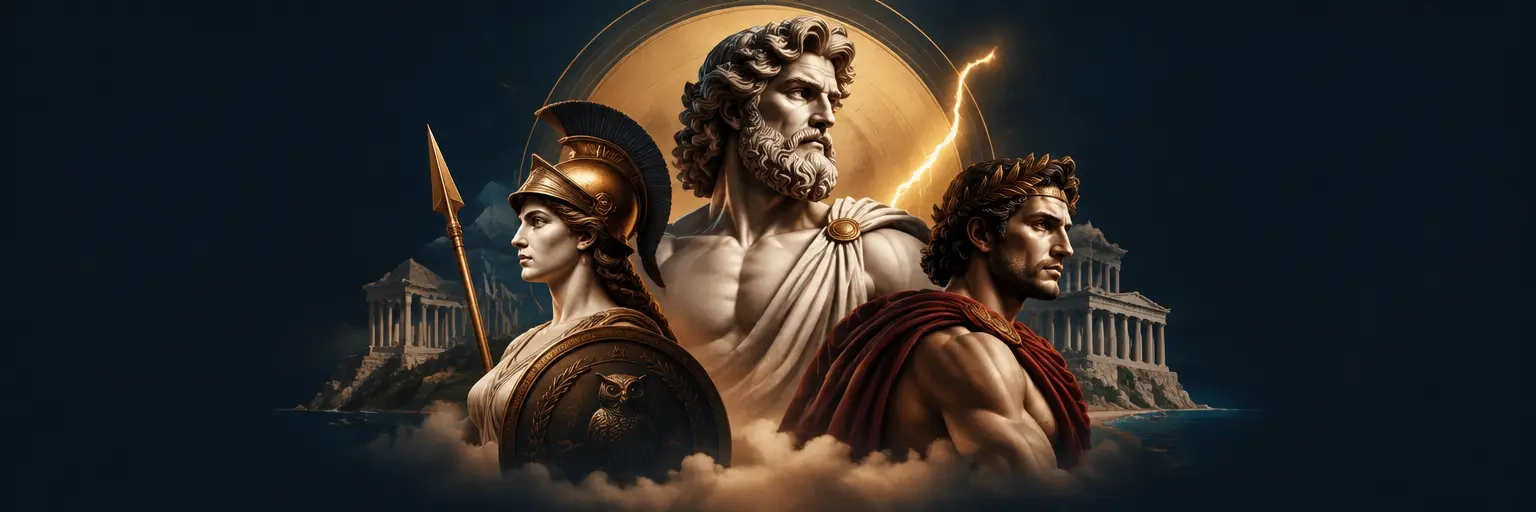
Unleash the power of ancient tales with our deep dive into Mythological Epics, the legendary narratives that shaped Greek and Roman civilization. From the wrath of Achilles to the cunning journey of Odysseus, these sweeping sagas are more than just stories—they are the cornerstones of Western literature and art. Explore the heroic deeds, divine interventions, and tragic flaws that define humanity’s greatest adventures, including the founding flames of the Aeneid and the monster-filled quests of Perseus. Whether you are a student, a history buff, or a lover of timeless folklore, our collection brings these iconic legends to life, revealing their profound influence on modern storytelling, film, and philosophy. Immerse yourself in a world where gods meddle, heroes rise, and fate is always just a prophecy away—perfect for sparking your imagination and enriching your knowledge of classical mythology.
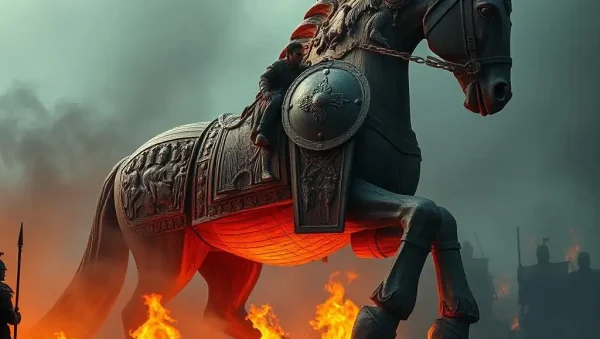
📝 Dive into the debate surrounding the Trojan War, exploring the elusive Trojan War historical evidence that blurs myth and reality. Discover…
Read article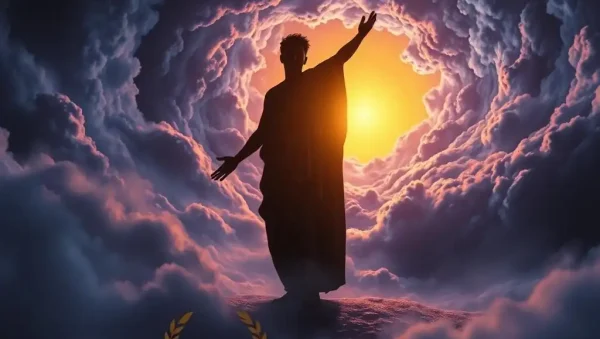
🌟 Explore the Greek afterlife hero’s reward, contrasting a bleak eternity with the glory of heroism. Delve into myths revealing whether the…
Read article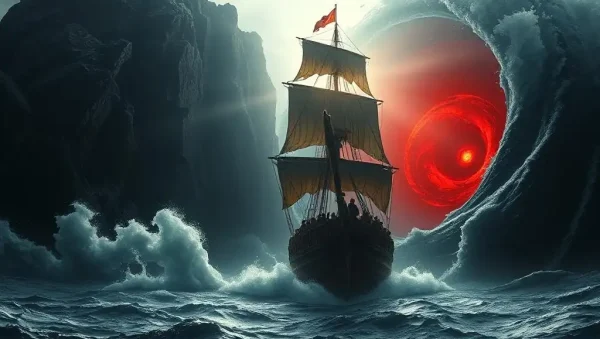
🌊 Dive into the legendary Scylla and Charybdis navigation challenges, where sailors faced an impossible choice between two deadly monsters, symbolizing the…
Read articleWelcome to the Mythological Epics subcategory within our Greek and Roman Mythology section, part of the broader Mythology and Legends resource. Here, we dive deep into the grand, sweeping narratives that defined ancient civilizations—tales of heroes, gods, monsters, and fate that continue to shape literature, art, and modern storytelling. Whether you are a student, a writer, or a curious enthusiast, this page offers a rich tapestry of analysis, summaries, and cultural context, optimized to help you discover both classic and obscure epics. Expect comprehensive breakdowns of works like Homer’s Iliad and Odyssey, Virgil’s Aeneid, and lesser-known gems, all presented with SEO-rich detail and engaging accessibility.
Begin your journey with the cornerstones of Western literature. The Iliad explores the wrath of Achilles during the Trojan War, delving into themes of honor, rage, and mortality, while the Odyssey follows Odysseus’s decade-long voyage home, packed with cunning tricks, divine interventions, and monstrous encounters. Expect detailed character studies, plot summaries, and analyses of epic conventions like the invocation of the muse and in medias res openings. We also examine historical debates—was Troy real? Who composed these poems?—and how these epics influenced later Roman writers and Renaissance artists, making them essential for understanding mythological archetypes.
Our content breaks down each book or canto, offering key quotes and their meanings, plus connections to modern adaptations such as movies, novels, and video games. You’ll find comparison tables between Achilles and Odysseus as hero types, discussions on the role of women like Penelope and Helen, and the cultural importance of hospitality (xenia). For SEO, we target long-tail keywords like “Achilles heel symbolism” and “Odyssey cyclops analysis,” ensuring you get precise, actionable insights whether you’re writing an essay or simply satisfying curiosity.
Shift from Greek to Roman terrain with Virgil’s Aeneid, a masterpiece commissioned to legitimize Augustus’s rule. This epic narrates Aeneas’s flight from burning Troy, his tragic love affair with Dido, and his eventual founding of what would become Rome. Expect a thorough exploration of prophetic visions, divine machinations by Juno and Venus, and the concept of pietas (duty to gods, country, and family) versus personal desire. We analyze how Virgil rewrote Homeric themes to craft a nationalistic yet deeply human story, including its ambiguous ending that raises questions about vengeance and mercy.
Our pages highlight the structural parallels between the Aeneid and Homeric epics, the political allegories embedded in the text, and its later influence on Dante’s Divine Comedy and Renaissance epic poetry. We also cover lesser-known episodes, such as the funeral games of Anchises and the catalog of future Roman heroes in Book VI. For those researching, we provide annotated summaries, character relationship maps, and discussions on gender dynamics, particularly the tragic figure of Dido, whose story has inspired countless operas and paintings. Keywords like “Aeneas character analysis” and “Aeneid book 6 summary” are woven throughout.
Venture beyond the famous trio to discover other epic veins of Greek and Roman mythology. Apollonius of Rhodes’s Argonautica tells the tale of Jason and the Argonauts’ quest for the Golden Fleece, emphasizing romance, adventure, and psychological depth—especially in Medea’s conflicted emotions. Statius’s Thebaid focuses on the brutal war between Oedipus’s sons, Eteocles and Polynices, offering a darker, more violent epic filled with familial curses and divine cruelty. We also explore the Dionysiaca by Nonnus, a massive late-antiquity epic about the god Dionysus’s campaigns in India, filled with exotic imagery and transformation tales.
Expect comparisons between Greek and Roman epic styles, the use of ekphrasis (detailed descriptions of art), and the role of the supernatural in driving plot. We highlight how these works preserved older myths, influenced medieval romance, and even inspired modern fantasy authors like J.R.R. Tolkien. Each section provides clear summaries, key thematic analyses, and historical context, so you can appreciate their unique contributions without needing a classical degree. Target keywords include “Jason and Medea psychological analysis” and “Thebaid themes of civil war.”
Dive into the recurring themes that define mythological epics and make them timeless. Central to every epic is the tension between human free will and fate, often personified by the Fates or divine prophecy. We dissect how heroes like Achilles or Aeneas accept or defy their destinies, and how gods manipulate events—sometimes capriciously, sometimes with purpose. Explore the concept of heroic code, including aristeia (a warrior’s moment of glory), kleos (glory earned through deeds), and nostos (homecoming), and see how these ideals shift from Greek to Roman epics, reflecting each culture’s values.
Additionally, we analyze the role of divine intervention, cataloguing the gods’ appearances and their symbolic meanings, from Athena’s wisdom to Apollo’s plague. Expect detailed examinations of epic similes, extended metaphors, and ritualistic elements like sacrifices and funeral games. Our content also connects these themes to contemporary storytelling—think of superhero films, epic fantasy series, and even political narratives—proving their enduring relevance. For SEO, we use phrases like “fate vs free will in Greek mythology” and “epic hero characteristics list,” making it easy for you to find targeted insights.
Understand how mythological epics transcended antiquity to shape global culture, from the Renaissance to modern cinema. The Iliad inspired Shakespeare’s Troilus and Cressida, the Odyssey influenced James Joyce’s Ulysses, and the Aeneid served as a model for Dante’s journey through Hell. Beyond literature, these epics permeate visual art, opera, and film—think of the 2004 movie Troy, the Coen brothers’ O Brother, Where Art Thou?, and even the Percy Jackson series. We explore how modern retellings reinterpret ancient themes, such as Madeline Miller’s The Song of Achilles, which centers queer love, or Pat Barker’s The Silence of the Girls, which gives voice to enslaved women.
Our legacy sections also cover educational impacts, how these epics are taught in schools, and their role in shaping Western notions of heroism and nationalism. We provide bibliographies, film lists, and art galleries for further exploration. Keywords like “modern adaptations of Greek myths” and “Aeneid influence on Dante” are integrated to attract diverse searchers. By the end, you’ll see how these ancient stories remain a living, breathing part of our collective imagination, continually adapted and reimagined.
Greek epics like the Iliad and Odyssey focus on individual heroism, human emotion, and the capriciousness of the gods, often ending ambiguously. Roman epics, especially Virgil’s Aeneid, are more nationalistic, emphasizing duty, piety, and the founding of a destined empire, with a clear moral and political agenda. Romans also renamed Greek gods, but their epics often had a more somber, civic tone.
Some, like the Trojan War, may have a historical kernel, as archaeological evidence hints at a real city destroyed around 1200 BCE. However, epics are heavily mythologized, blending oral traditions, divine interventions, and symbolic geography. They serve more as cultural narratives than historical records, though scholars continue to debate possible real-world correlates for places and events.
The term “epic” comes from the Greek epos, meaning a long narrative poem. Genre-defining features include a heroic protagonist of great significance, a vast setting (spanning nations or the cosmos), supernatural forces, formal elevated language, and themes of honor, fate, and cultural identity. Epics often begin with an invocation to a muse and start in the middle of action (in medias res).
Start with Homer’s Odyssey—it’s more episodic, adventurous, and accessible than the Iliad, with a relatable hero and many famous tales like the Cyclops and Sirens. Use a modern translation (e.g., Emily Wilson’s) for clarity. After that, try the Iliad for deeper tragedy, then the Aeneid for a Roman perspective. For shorter reads, consider Ovid’s Metamorphoses, which compiles many myths in one epic poem.
Modern works like Tolkien’s Lord of the Rings, George R.R. Martin’s A Song of Ice and Fire, and even Star Wars draw heavily on epic structures: quests, prophecies, heroic journeys, and divine or mystical interventions. Characters like Odysseus inspire cunning protagonists, while Aeneas’s duty mirrors Luke Skywalker’s burden. The epic’s exploration of war, fate, and identity remains a blueprint for world-building and character arcs.