The Chimera: Combining Nightmares into One Creature
🧅 Discover the Greek Chimera folklore symbolism and meaning as a legendary creature blending nightmares into a single being, illustrating ancient fears…
Read article
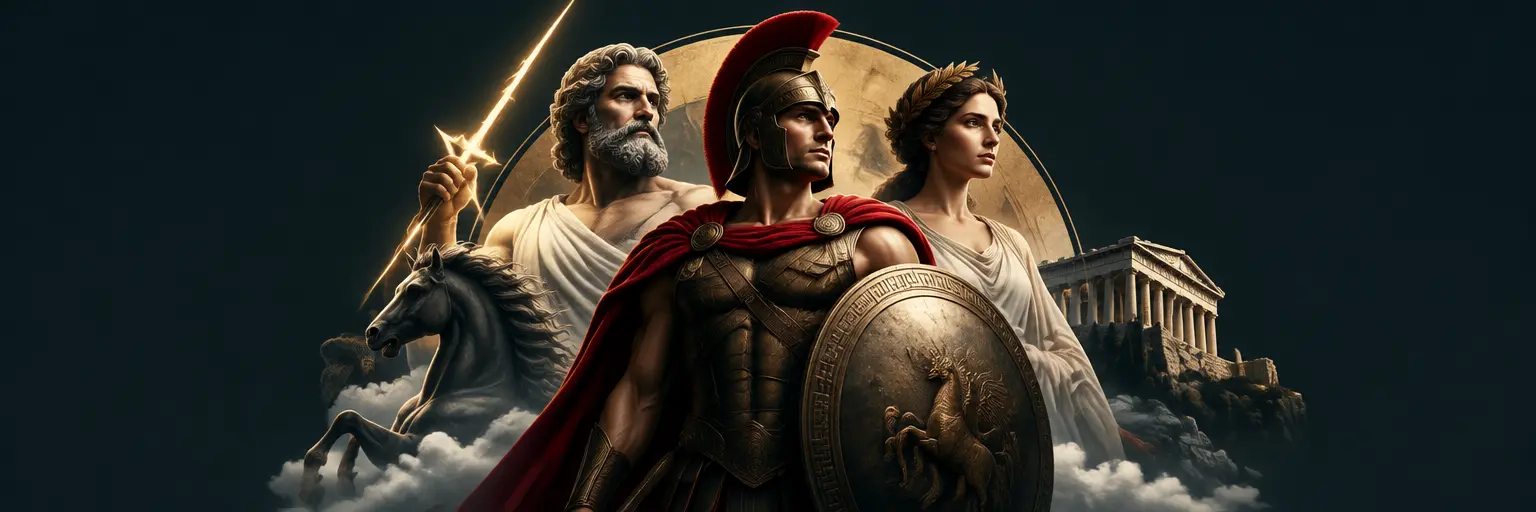
Heroes and Legends in Greek and Roman mythology are more than just figures of the past—they are timeless symbols of courage, tragedy, and human ambition. From the superhuman feats of Heracles to the cunning exploits of Odysseus, these iconic characters embody the struggle between mortal limits and divine will, shaping the moral and cultural foundations of Western thought. Their epic quests, fatal flaws, and ultimate triumphs or downfalls offer profound insights into themes like hubris, destiny, and sacrifice. Whether you’re exploring the labors of a demigod, the journey of a Trojan hero, or the legendary founding of Rome, these narratives continue to inspire modern literature, film, and art, proving that the allure of ancient heroism remains as powerful today as it was millennia ago. Dive into their stories to discover why these legends endure as the ultimate archetypes of strength, wisdom, and resilience.
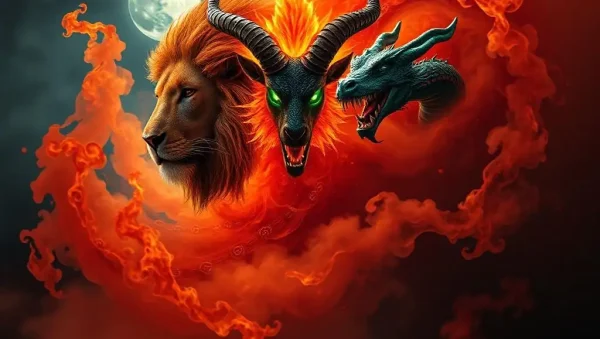
🧅 Discover the Greek Chimera folklore symbolism and meaning as a legendary creature blending nightmares into a single being, illustrating ancient fears…
Read article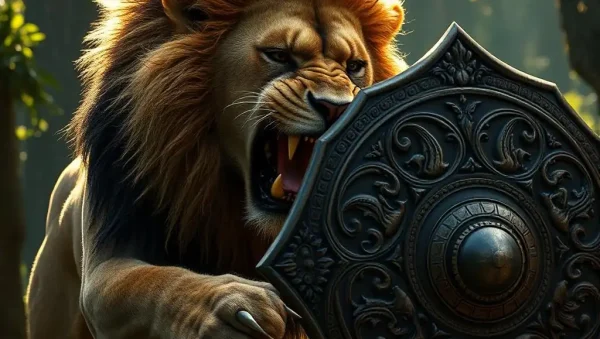
🦁 Discover the legendary Nemean Lion, whose Greek mythology invincible lion skin symbolized unbeatable strength. This myth explores how ancient tales of…
Read article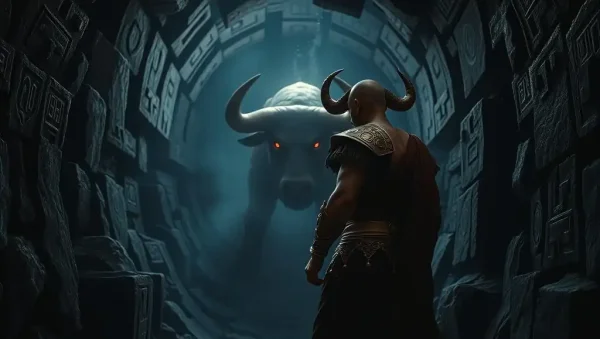
🧩 Discover how Theseus's daring journey through the Minotaur labyrinth embodies the enduring themes of heroism and truth in Greek myth, revealing…
Read article
🌟 Discover how Greek heroes have transcended ancient myths to influence modern pop culture, shaping stories, characters, and values that continue to…
Read articleWelcome to the Heroes and Legends subcategory, a cornerstone of our Greek and Roman Mythology section. Here, we dive deep into the epic narratives of demigods, mortal champions, and mythical adventurers whose exploits shaped the ancient world’s moral and cultural values. From the labors of Heracles to the cunning of Odysseus, these stories are not merely ancient entertainment—they are enduring blueprints for heroism, sacrifice, and the struggle against overwhelming odds. This page is your gateway to understanding how these legends were born, how they evolved across Greek and Roman cultures, and why they continue to inspire modern film, literature, and psychology. Expect rich character studies, plot breakdowns, and thematic analysis designed to boost your knowledge and satisfy your curiosity.
This section introduces you to the most iconic figures—Heracles (Hercules), Perseus, Theseus, and Achilles—whose parentage, trials, and ultimate fates were dictated by the gods. We explore their genealogical links to Zeus and Poseidon, the prophecies that drove their actions, and the twelve labors that defined Heracles’ immortality. You’ll learn how Roman adaptations (Hercules) shifted the hero’s personality from tragic to purely muscular, reflecting changing societal ideals. Key details include their weapons, divine patrons, and the moral lessons each quest encoded, such as cleverness (Perseus) versus brute strength (Theseus).
Beyond the famous names, we uncover less-discussed heroes like Bellerophon, who rode Pegasus, and Atalanta, the only female hero in the canon. Their stories reveal how Greek culture viewed heroic failure (Bellerophon’s hubris) and gender roles (Atalanta’s race). Expect detailed timelines, maps of their travels, and comparisons between Greek originals and Roman reinterpretations. Each hero’s arc—from birth to apotheosis or tragedy—is broken down, making it easy for students, writers, or myth enthusiasts to grasp the core narrative in minutes while still enjoying depth for further study.
Focusing on the greatest collective adventures, this section covers the Trojan War (Iliad and Odyssey), the Seven Against Thebes, and the Argonautic expedition. Here, heroes like Achilles, Ajax, Agamemnon, and Jason operate not alone but in a complex network of alliances, betrayals, and divine interventions. We dissect the causes of the Trojan War—from the Apple of Discord to Helen’s abduction—and the heroics that followed, including Achilles’ rage and Hector’s nobility. For Roman adaptations, we trace how Virgil’s Aeneid recast these Greek heroes to create a founding legend for Rome, emphasizing duty (pietas) over personal glory.
You’ll also find the tragic sagas of Thebes, where Oedipus and his descendants demonstrate the inescapability of fate, and Jason’s voyage with the Argonauts, which highlights the tension between human ambition and divine jealousy. We include character relationship charts, battle strategies, and thematic interpretations—such as how the concept of kleos (immortal fame) motivated every hero. Whether you’re researching for a paper or seeking inspiration for creative writing, this section provides a comprehensive narrative map with cross-references to related myths and historical sites.
Not every hero was a demigod or a king; many were ordinary mortals who achieved extraordinary deeds through wit, bravery, or divine aid. This section highlights figures like Cadmus, who sowed dragon’s teeth; Bellerophon, whose attempt to reach Olympus ended in madness; and Orpheus, whose music softened Hades. We also cover the lesser-known but vital heroes like Diomedes, who wounded Ares, and Philoctetes, whose bow was essential to Troy’s fall. These stories emphasize that heroism in Greek and Roman mythology was not solely about strength but also about resourcefulness, endurance, and moral compromise.
For Roman lore, we introduce figures like Aeneas’ son Ascanius and the legendary founder Romulus, whose tales blend historical myth with political propaganda. You’ll learn how these minor heroes often served as cultural archetypes—the founder, the trickster, the martyr—that Roman poets used to explain customs, rituals, and place names. Detailed summaries of each hero’s journey, including their symbolic animals and sacred cities, are provided. This section is perfect for discovering hidden gems that enrich your understanding of everyday life’s mythological background, from family curses to civic virtues.
This thematic section examines the core virtues and fatal flaws that defined ancient heroes: aretē (excellence), hubris (overweening pride), and sophrosyne (self-restraint). We analyze how Greek heroes often achieved greatness only to be undone by their pride—like Ajax’s madness or Heracles’ murder of his family. Conversely, Roman heroes like Aeneas embodied piety and self-sacrifice, placing the state above personal desire. This section connects these moral lessons to modern leadership, psychology, and popular culture (e.g., superhero films) to show their relevance.
We also explore the concept of heroic transformation—how mortals were deified (Heracles), cursed (Oedipus), or restored through redemption (Odysseus). The role of female figures like Medea and Ariadne is highlighted to show the consequences of aiding heroes, often tragic. By understanding these value systems, readers gain insight into ancient social norms, religious practices (hero cults), and philosophical debates. Expect comparative tables, literary quotes, and real-world examples, making this section ideal for essay writing, classroom discussions, or personal reflection on what heroism means today.
Here we trace how heroes and legends were depicted in vase paintings, sculptures, and epic poetry, and how they were later revived during the Renaissance, Romanticism, and contemporary media. You’ll discover how Heracles’ twelve labors adorned temple metopes and how Roman coins and monuments glorified their legendary founders. This section also covers modern reinterpretations—from Disney’s Hercules to Rick Riordan’s Percy Jackson—analyzing what each adaptation changes and why. The emphasis is on the cultural afterlife of these stories: how they remain a universal language for discussing courage, destiny, and resilience.
For writers and creators, we provide practical insights into narrative structures borrowed from these legends, such as the “hero’s journey” (Joseph Campbell) and archetypal patterns. We also link to primary texts (Homer, Virgil, Ovid) and academic commentaries, ensuring your research is grounded. Whether you’re crafting a screenplay, teaching a class, or simply enjoying a documentary, this section bridges the ancient and the now, proving that heroes and legends are not relics but living tools for understanding the human experience across millennia.
While subjective, most ancient sources rank Heracles (Hercules) highest due to his twelve labors, apotheosis, and widespread cult worship. In Roman tradition, Aeneas is revered as the ideal hero for his piety and founding of Rome. Achilles remains the quintessential warrior, but his pride makes him tragic. Ultimately, “greatest” depends on whether you value strength, endurance, or moral duty.
In Greek thought, flaws like hubris (excessive pride) made heroes relatable and served moral lessons—showing that even the mightiest are subject to fate and the gods. These flaws humanized them, preventing arrogance and reminding audiences of the limits of mortal power. Myths thus functioned as cautionary tales within religious and social contexts.
Yes, significantly. Greek heroes typically sought personal glory (kleos) through individual exploits, while Roman heroes, especially in Virgil’s Aeneid, emphasized duty to family, state, and gods (pietas). Roman heroes were often more sober and collective-minded, reflecting Rome’s civic ideologies. Think Achilles’ rage versus Aeneas’ selflessness.
Heracles completed twelve labors, though earlier myths included ten; two were added later because the original were deemed invalid. They were assigned by King Eurystheus as penance for killing his wife and children in a fit of madness sent by Hera. Each labor was impossible—killing the Nemean Lion, capturing Cerberus—proving his divine strength.
Gods are both helpers and obstacles. They grant powers, tools, and prophecy (e.g., Athena aiding Odysseus), but also punish hubris (e.g., Zeus striking down Salmoneus). Divine favor is fickle—heroes must navigate jealousies and agendas. This interaction highlights the ancient belief that human excellence was possible only with the gods’ backing, yet never free from their interference.