
The Nemean Lion: Facing Invincible Strength

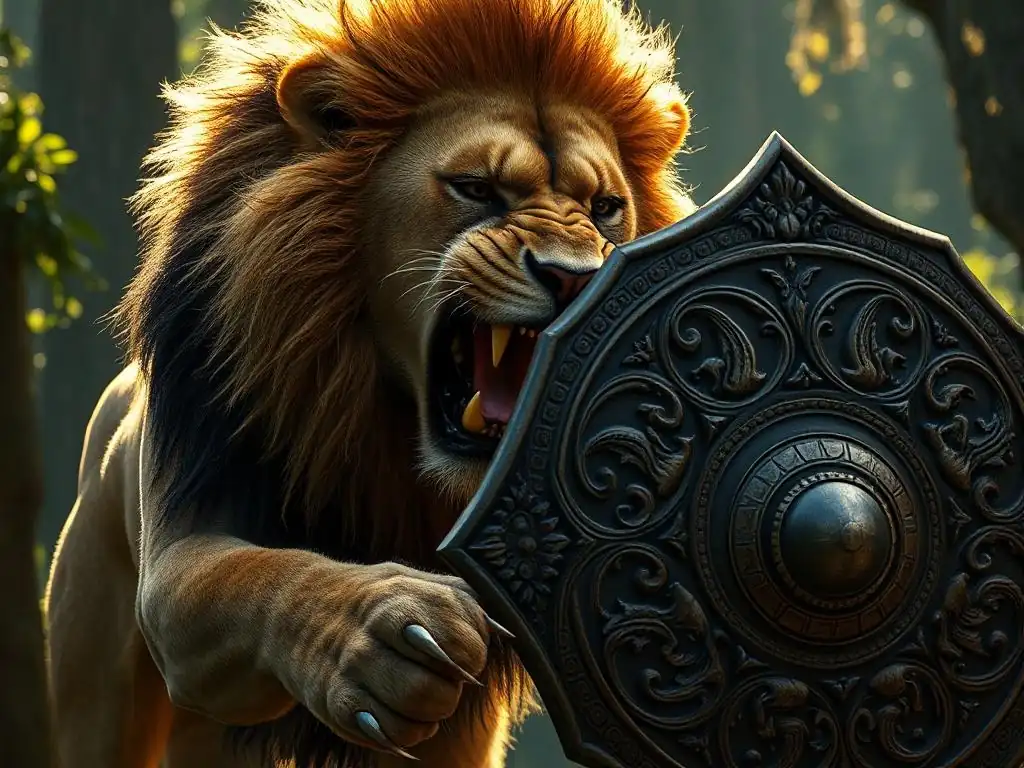
Welcome, seekers of ancient lore! Delve into the captivating world of "Mythology and Legends," where we unravel the enduring power of stories passed down through generations. What if invincibility wasn't a guarantee? Today, we journey to ancient Greece to explore the legend of the Nemean Lion and the secrets behind its supposedly impenetrable hide. Prepare to be amazed as we uncover the truth behind this mythical beast and its connection to a hero's triumph. Are you ready to face the challenge? Read on to discover the secrets of the Greek mythology invincible lion skin.
- The Nemean Lion: Facing Invincible Strength in Greek Mythology
- Introduction to the Nemean Lion: A Beast of Legend
- Hercules' First Labor: Slaying the Unbeatable Lion
- The Impossibility of Traditional Weapons: Why Arrows and Swords Failed
- Hercules' Ingenious Solution: A Test of Strength and Strategy
- The Significance of the Nemean Lion's Skin in Greek Mythology
- The Nemean Games: Honoring Hercules' Victory
- The Nemean Lion in Art and Literature: Representations Across Time
- The Nemean Lion and Other Invincible Creatures in Mythology
- Conclusion: The Enduring Legacy of the Nemean Lion and Hercules' Triumph
-
Frequently Asked Questions
- What made the Nemean Lion's skin so special in Greek mythology?
- How did Heracles (Hercules) eventually overcome the Nemean Lion?
- What significance did the Nemean Lion's skin hold for Heracles after his victory?
- Are there other mythical creatures with similar invulnerable hides in other cultures?
- How does the story of the Nemean Lion resonate in modern interpretations of mythology?
- Final Reflection: Confronting Our Inner Nemean Lions
- Unleash Your Inner Hero: Conquer Your Own Nemean Lion
The Nemean Lion: Facing Invincible Strength in Greek Mythology
Introduction to the Nemean Lion: A Beast of Legend
The realm of Greek mythology is populated by a pantheon of gods, goddesses, heroes, and fearsome monsters. Among the most iconic of these creatures is the Nemean Lion, a formidable beast whose very existence challenged the might of even the greatest heroes.
Dwelling in the region of Nemea, this monstrous feline was not merely a large predator; it possessed a unique and terrifying trait that set it apart: an impenetrable hide that rendered conventional weapons utterly useless. The tale of confronting this creature became the inaugural and arguably most defining challenge in the legendary labors of Hercules, setting the stage for the hero's epic journey and cementing the Nemean Lion's place in folklore.
This article delves into the myth of the Nemean Lion, exploring its origins, its infamous invulnerable skin, and the epic confrontation with Hercules. We will examine why traditional weapons failed against this beast and uncover the ingenious, brute-force strategy Hercules employed to achieve victory. Furthermore, we will discuss the profound significance of the Nemean Lion's skin in Greek mythology, particularly its transformation into a symbol of Hercules' triumph and protection.
The legacy of this myth extends beyond the hero's tale, influencing art, literature, and even inspiring the ancient Nemean Games. Understanding the Nemean Lion is key to appreciating the challenges faced by heroes in Greek mythology and the symbolic weight attached to overcoming seemingly impossible obstacles.
The Origins and Parentage of the Nemean Lion
According to various ancient Greek accounts, the Nemean Lion was no ordinary earthly beast but a creature of divine or monstrous lineage. One prominent tradition attributes its parentage to the monstrous giants Typhon and Echidna, a terrifying couple responsible for birthing many of mythology's most fearsome creatures, including the Lernaean Hydra and Cerberus.
Typhon, a colossal monster with a hundred snake heads, and Echidna, a half-woman, half-serpent entity, were figures of immense chaos and destruction, and their offspring were often scourges upon the land. This lineage immediately elevates the Nemean Lion from a mere animal to a supernatural force, explaining its extraordinary power and resilience.
Another version of the myth suggests the Nemean Lion was born from the moon goddess Selene, who dropped it to earth near Nemea. Alternatively, some tales link its origin to the goddess Hera, queen of the gods and a persistent adversary of Hercules, who allegedly raised the lion to be a trial specifically for him.
Regardless of the specific parentage cited, all myths agree that the Nemean Lion was a creature of supernatural origin, sent or born into the world to wreak havoc. Its lair was often described as a cave with two entrances near the town of Nemea, from which it would emerge to terrorize the local inhabitants, devouring livestock and people alike, leaving the region in a state of perpetual fear and despair.
The Nemean Lion's Invulnerable Hide: A Key Aspect of the Myth
The defining characteristic of the Nemean Lion, and the element that made it so terrifying, was its hide. This skin was widely believed to be impenetrable by any mortal weapon. Arrows would simply bounce off, swords would shatter upon impact, and spears would fail to pierce its thick, resilient surface. This invulnerability meant that traditional hunting methods or combat tactics, effective against even the largest and fiercest earthly animals, were completely useless against the Nemean Lion. It could not be harmed by bronze, iron, or even potentially tougher mythological materials known to heroes of the age.
This aspect of the Nemean Lion's skin is crucial to the myth, as it elevates the challenge Hercules faced from a test of strength and courage against a powerful animal to a puzzle requiring ingenuity and an understanding that conventional means were futile. The requirement to overcome this natural armor forced Hercules to think beyond simply striking the beast down.
The fact that the Greek mythology invincible lion skin could not be pierced by weapons is emphasized in almost every retelling of the myth, highlighting the seemingly impossible nature of the task assigned to Hercules by King Eurystheus. This unique trait of the lion's hide is what makes the first labor so memorable and sets the stage for Hercules' unconventional victory.
Hercules' First Labor: Slaying the Unbeatable Lion
After committing a terrible act in a fit of madness induced by Hera, Hercules sought penance from the Oracle at Delphi. The Oracle instructed him to serve King Eurystheus of Mycenae for twelve years, during which he would perform a series of tasks.
These tasks, known as the Twelve Labors, were designed by Eurystheus (often under Hera's influence) to be impossibly difficult, with the hope that Hercules would perish while attempting them. The very first of these labors was the slaying of the Nemean Lion, a task chosen specifically because the creature was considered unbeatable by any known means, making it a seemingly perfect way to eliminate the powerful hero.
Hercules accepted his fate and set out to Nemea to confront the beast. He was a hero renowned for his incredible strength, but even he understood that this task was different. The reputation of the Nemean Lion's invulnerability preceded it; tales of hunters failing and weapons breaking were widespread.
This first labor served as an immediate test of Hercules' character, requiring not just his legendary physical prowess but also his ability to adapt and strategize when faced with a challenge that defied conventional heroic methods. The success or failure of this initial task would set the tone for the rest of his labors and his path to eventual apotheosis.
The Context of Hercules' Twelve Labors
The Twelve Labors of Hercules represent a pivotal period in the hero's life, serving as a form of penance and a path towards purification and divine recognition. Following the tragic incident where he killed his wife Megara and children in a fit of divinely induced madness, Hercules consulted the Oracle of Delphi.
The Oracle advised him to serve King Eurystheus in Tiryns for twelve years, promising that completion of the tasks assigned would grant him immortality. Eurystheus, a cousin of Hercules and a man of lesser stature, was a tool in the hands of the goddess Hera, who harbored a deep-seated hatred for Hercules due to his parentage (son of Zeus and Alcmene).
Eurystheus, guided by Hera's malice, devised a series of tasks intended to be impossible for any mortal, even one as strong as Hercules. The labors were designed to take Hercules to the farthest reaches of the known world, facing monsters, overcoming natural disasters, and performing feats of immense strength and cunning.
Beginning with the Nemean Lion, each labor escalated in difficulty and danger, pushing Hercules to his absolute limits. These tasks were not just physical challenges but also symbolic battles against chaos and monstrous forces, ultimately solidifying Hercules' reputation as the greatest hero of Greek mythology and paving his way to Olympus.
The Challenge: Confronting the Invincible Nemean Lion
The specific task given to Hercules for his first labor was straightforward in its description but monumental in its difficulty: slay the Nemean Lion and bring its skin back to Eurystheus. The king, residing in the safety of his palace, likely expected this mission to be Hercules' last.
The widespread knowledge of the lion's impenetrable hide meant that killing it with weapons was impossible, and capturing such a powerful and ferocious beast seemed equally unfeasible. The challenge wasn't just about finding and fighting the lion; it was about figuring out how to defeat a creature that could not be harmed by conventional means.
Hercules traveled to Nemea, a region plagued by the lion's terror. He observed the destruction wrought by the beast and understood the fear it instilled in the local population. His initial attempts to engage the lion using his bow and arrows proved futile, as the shafts simply bounced off its hide.
This confirmed the legends and highlighted the unique problem posed by the Nemean Lion's invincible skin. The challenge was clear: find a way to overcome a monster that could not be wounded, using only the resources available to him. This required a shift in strategy from reliance on weapons to something entirely different.
The Impossibility of Traditional Weapons: Why Arrows and Swords Failed
Upon arriving in Nemea and locating the lion's lair, Hercules initially approached the task as he would any other hunt. He drew his bow, renowned for its power, and shot arrows at the beast. To his astonishment, the arrows deflected off the lion's hide as if it were made of solid rock or divine metal.
Not a single arrow could penetrate the skin. He then tried his sword, likely made of bronze, the common metal of the heroic age. Striking the lion with all his might, the blade merely scraped the surface or, in some accounts, shattered upon impact, leaving the lion completely unharmed and likely quite irritated.
The failure of these weapons was not due to a lack of skill or strength on Hercules' part; it was a direct consequence of the Nemean Lion's unique biological (or perhaps supernatural) composition. The myth explicitly states that the lion's skin was 'invulnerable' or 'impenetrable' to mortal weapons. This detail is critical to the story, emphasizing the extraordinary nature of the beast and making Hercules' eventual victory all the more impressive.
It also serves to highlight the limitations of even the most powerful tools and techniques when faced with a truly supernatural obstacle. The inability to wound the lion with any conventional weapon forced Hercules to abandon standard combat methods and devise an entirely new approach.
The Nemean Lion's Resistance to Mortal Weapons in Greek Mythology
The Nemean Lion's legendary resistance to mortal weaponry is a central theme in its myth. Ancient texts and artistic depictions consistently show heroes or hunters attempting to strike the beast with swords, spears, or arrows, only for these implements to prove useless. This trait is often attributed to the lion's divine or monstrous parentage, suggesting its hide was not merely tough but possessed a supernatural quality that repelled conventional force. The effectiveness of weapons made from bronze, iron, or even potentially harder materials like certain mythological metals was nullified against this creature's skin.
This invulnerability presented a significant problem for anyone attempting to kill the lion. It meant that standard hunting techniques, which relied on piercing the animal's hide to inflict fatal wounds, were completely ineffective. The Nemean Lion could essentially shrug off any attack from a distance or close quarters that involved pointed or bladed weapons.
This unique defensive characteristic made the lion not just a physical threat due to its size and strength, but a tactical nightmare, as it rendered obsolete the primary tools of warfare and hunting available to heroes of the age. The challenge lay not in overpowering the lion physically, but in finding a way to bypass its impenetrable defense.
The Futility of Conventional Combat Against the Lion's Skin
Engaging the Nemean Lion in conventional combat was a pointless endeavor, as Hercules quickly discovered. A typical fight against a large predator would involve striking vital areas with weapons to weaken and eventually kill it. However, with the Nemean Lion, every strike, thrust, or shot was rendered ineffective by its resilient hide. Imagine a hunter firing dozens of arrows, only to see them bounce harmlessly off the target, or a warrior hacking with a sword, only for the blade to dull or break without leaving a mark. This scenario was the reality of facing the Nemean Lion.
The futility of conventional combat against the Nemean Lion's skin meant that brute force alone, applied through weaponry, was insufficient. This forced a strategic shift. Hercules could not rely on slicing, stabbing, or shooting. He had to find a method that did not involve penetrating the lion's skin. This realization was a critical turning point in the myth, pushing Hercules towards a solution that leveraged his most famous attribute: his unparalleled physical strength, not through weapons, but through direct, physical engagement. The problem was the skin; the solution had to bypass it entirely.
Hercules' Ingenious Solution: A Test of Strength and Strategy
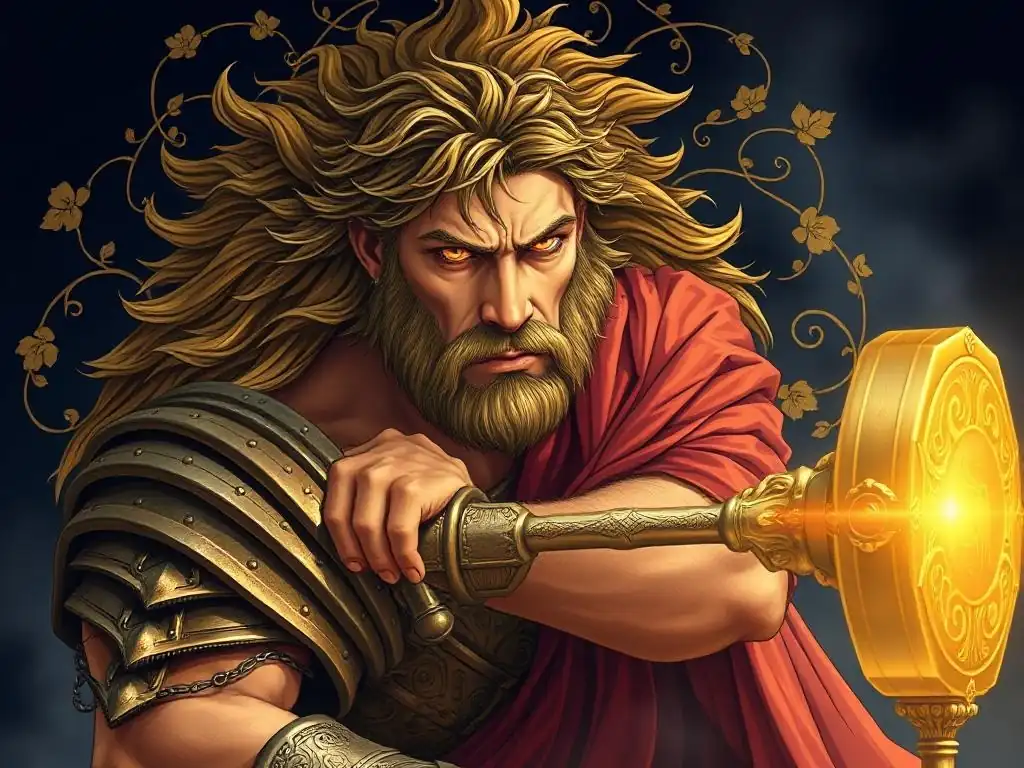
After his weapons proved useless against the Nemean Lion's invincible skin, Hercules found himself in a desperate situation. He chased the lion back to its lair, a cave with two entrances. Realizing the lion might escape through the other opening, Hercules used his immense strength to collapse one of the entrances, trapping the beast inside with him. This was a crucial strategic move, eliminating the possibility of the lion fleeing and forcing a confrontation in an enclosed space where the lion's speed and agility might be somewhat limited.
With the lion cornered and conventional weapons useless, Hercules resorted to the only remaining option: direct physical combat. Stripped of his bow, arrows, sword, and club (which some versions say he broke on the lion), Hercules wrestled the beast bare-handed. This was a brutal, close-quarters struggle against a creature of immense power, teeth, and claws. Hercules, however, possessed strength beyond that of mortals. He grappled with the lion, using his legendary muscles to overpower its resistance.
Hercules' Unique Approach to Defeating the Lion
Hercules' unique approach stemmed directly from the problem presented by the Greek mythology invincible lion skin. Since he couldn't pierce it, he had to find a way to defeat the creature without causing external wounds. His strategy evolved from attempting to kill the beast with weapons to trapping it and then using his sheer physical power to subdue it internally. The decision to block one cave entrance was a tactical stroke, limiting the lion's options and forcing a direct confrontation on Hercules' terms, or at least in a confined space.
The abandonment of weapons was the most striking aspect of his method. It demonstrated an understanding that traditional heroic combat was inappropriate here. Instead, Hercules relied on wrestling and grappling techniques, essentially turning the fight into a contest of raw strength and endurance. This shift in strategy not only highlighted Hercules' adaptability but also served to underscore his unparalleled physical might, as few others in Greek mythology could hope to overpower such a creature in a direct, unarmed struggle.
Using Raw Strength: Overpowering the Nemean Lion's Invincibility
The final act of Hercules' first labor was a brutal display of raw power. Unable to wound the Nemean Lion with weapons, Hercules engaged it in a wrestling match. According to the myths, he cornered the lion in its den and grappled with the beast. Despite the lion's formidable strength and sharp claws, Hercules, with his divine heritage granting him extraordinary might, managed to hold the creature in a vice-like grip.
His method of killing the lion was strangulation. Applying immense pressure to the lion's neck, Hercules gradually choked the life out of the beast. The lion's invincible hide offered no protection against this internal attack – air supply could be cut off regardless of skin toughness.
This victory, achieved through sheer physical force and strategic thinking (trapping the lion), demonstrated that Hercules' power was not merely in his ability to wield weapons effectively but in his fundamental, overwhelming physical capacity. He had found a way to bypass the problem of the Greek mythology invincible lion skin through a method it could not defend against.
The Significance of the Nemean Lion's Skin in Greek Mythology
After successfully strangling the Nemean Lion, Hercules faced another challenge: skinning the beast. Its hide, having resisted all his weapons, also resisted conventional knives. According to the myth, Hercules tried various methods to remove the skin but failed. It was only by divine inspiration, or by observing the lion use its own claws to groom itself, that he realized the only tool sharp enough to cut the Nemean Lion's skin was the lion's own claws. Using one of the lion's incredibly sharp claws, Hercules was finally able to flay the hide from the carcass.
The skin itself became a potent symbol. It represented the successful completion of Hercules' first, seemingly impossible labor. Bringing the skin back to Eurystheus was the physical proof of his triumph. King Eurystheus was reportedly so terrified by the sight of Hercules wearing the lion's skin that he hid in a large bronze jar and thereafter communicated with Hercules only through a herald. The skin was not just a trophy; it was a testament to Hercules' strength, cunning, and victory over an invincible foe.
The Nemean Lion's Pelt: A Symbol of Triumph and Protection
The Nemean Lion's pelt quickly became one of the most recognizable attributes of Hercules in art and literature. Far more than a mere trophy, the Greek mythology invincible lion skin transformed into a powerful symbol of his triumph over the impossible. Having defeated a creature that could not be wounded by weapons, and then mastering the art of skinning its impenetrable hide using its own claws, Hercules demonstrated not only his strength but also his resourcefulness. The skin represented the successful completion of his first, and perhaps most iconic, labor.
Furthermore, the pelt symbolized protection. Being invulnerable to weapons, the lion's hide offered the ultimate defense. By wearing it, Hercules was essentially donning armor that mirrored the very quality of the beast he had defeated. This act visually represented his mastery over the monster and his acquisition of its most fearsome trait. The pelt became synonymous with Hercules' invincibility in battle, shielding him from harm in subsequent adventures and labors. It served as a constant reminder of his first great victory and his growing legend as a hero who could overcome any obstacle.
Hercules' Armor: Wearing the Invincible Skin
Upon successfully skinning the Nemean Lion using its own claws, Hercules decided to wear the pelt. This was not merely for show, though it certainly served as undeniable proof of his victory when he returned to Eurystheus. The Greek mythology invincible lion skin became Hercules' signature attire, serving as a form of armor that was impervious to conventional weapons. Just as arrows and swords had failed to pierce the skin while it was on the lion, they also failed to penetrate it when worn by Hercules.
This use of the lion's skin as armor is a significant detail in the myth. It illustrates Hercules' practicality – turning the spoils of his victory into a functional asset. More importantly, it visually represented his newfound status as a hero capable of overcoming invincibility.
The fearsome beast's hide, once a source of terror and the reason for its invulnerability, now protected the hero who defeated it. Hercules is famously depicted wearing the Nemean Lion's pelt, often with the lion's head serving as a hood, a powerful image that encapsulates his strength, victory, and the protective power of the invincible skin.
The Nemean Games: Honoring Hercules' Victory
The slaying of the Nemean Lion is often cited as the origin of the ancient Nemean Games, one of the four Panhellenic Games of ancient Greece, alongside the more famous Olympic, Pythian, and Isthmian Games. While the exact founding myth varies – some attribute it to Hercules after defeating the lion, others to Adrastus and the Seven Against Thebes – the association with Hercules' first labor is strong and widely accepted in tradition. The games were held every two years at Nemea, near the site of the lion's legendary lair, serving as a significant religious and athletic festival.
The Nemean Games were dedicated to Zeus, the king of the gods and Hercules' divine father. Like the other Panhellenic Games, they featured athletic competitions such as running, wrestling (a fitting event given Hercules' method of killing the lion), boxing, and chariot racing. Victors were crowned with a wreath of wild celery, a symbol sometimes associated with death and mourning, perhaps reflecting the dangerous nature of the lion or a funeral context in other founding myths. The games provided a recurring cultural event that kept the memory of the Nemean Lion and Hercules' triumph alive for centuries.
The Establishment of the Nemean Games
One prominent tradition holds that Hercules himself established the Nemean Games immediately after slaying the Nemean Lion as a tribute to Zeus for his victory. This act would have been a way for Hercules to sanctify his achievement and give thanks for the strength and guidance that allowed him to overcome the seemingly invincible beast. Holding games at the site of the victory served as a permanent commemoration of the event, transforming a place of terror into a venue for athletic prowess and religious observance.
Alternatively, some accounts link the foundation of the games to the funeral of Opheltes, a baby prince killed by a serpent at Nemea. In this version, the Seven Against Thebes established the games in his honor. However, the connection to Hercules and the Nemean Lion remains a powerful and popular origin story.
Regardless of the specific founding ritual, the Nemean Games were undeniably held in the region associated with the lion and became a significant event in the ancient Greek world, attracting athletes and spectators from across the city-states and reinforcing the heroic legacy of the area. Historical evidence indicates the games were certainly established by the late 6th century BCE, hosting events similar to those at Olympia.
The Legacy of the Nemean Lion in Athletic Competitions
The Nemean Games, inspired in part by the defeat of the Nemean Lion, carried forward the legacy of the myth in several ways. The very act of athletic competition, especially wrestling, mirrored Hercules' unarmed combat against the beast. Athletes striving for victory through strength, skill, and endurance echoed Hercules' struggle against an overwhelming foe. The location of the games, in the valley of Nemea, served as a constant geographical reminder of the first labor.
While the games were dedicated to Zeus, the context of their origin in the defeat of a monstrous creature added a layer of heroic narrative. Winning at Nemea was not just an athletic achievement; it was, in a sense, participating in a ritual that celebrated the overcoming of a primal, terrifying force.
The wild celery wreath, while sometimes linked to mourning, could also symbolize the wild, untamed nature of the region and the beast that Hercules subdued. Thus, the Nemean Games perpetuated the story of the Nemean Lion and Hercules' victory, embedding it deeply into the cultural and athletic fabric of ancient Greece for centuries, until their decline in the Roman era.
The Nemean Lion in Art and Literature: Representations Across Time
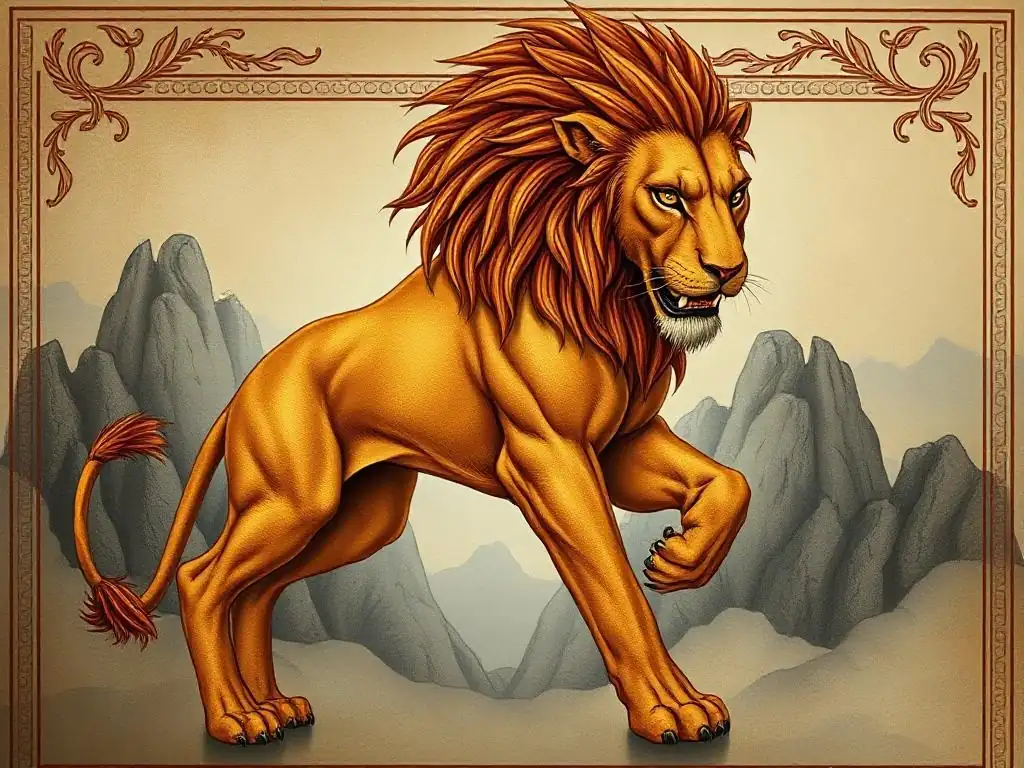
The myth of the Nemean Lion has been a popular subject for artists and writers since antiquity, demonstrating the enduring power of the story. In ancient Greek art, particularly on pottery, the scene of Hercules wrestling the lion is frequently depicted. These vase paintings, dating back as early as the 6th century BCE, show Hercules grappling with the beast, often nude or wearing a simple tunic, highlighting the physical nature of the struggle.
The lion is typically shown as large and muscular, its formidable presence conveyed through powerful lines and forms. These early depictions are crucial visual records of how the myth was understood and portrayed in the period closest to its likely oral tradition.
Sculptural representations also feature the Nemean Lion, often as an attribute of Hercules. Statues of Hercules frequently show him wearing the lion's skin as a cloak or carrying the club he may have used in his initial, failed attempts to defeat the beast.
The most famous example is likely the Farnese Hercules, a massive Roman copy of a Greek original, where the hero leans on his club with the Nemean Lion's skin draped over it, its head visible. This consistent depiction in both two-dimensional and three-dimensional art underscores the importance of the Nemean Lion and its skin to Hercules' iconography and public image in the ancient world.
Depictions of the Nemean Lion in Ancient Art
Ancient Greek vase painting provides a rich source of imagery for the Nemean Lion myth. Black-figure and red-figure pottery from the Archaic and Classical periods (roughly 6th to 4th centuries BCE) often feature Hercules battling the lion. One common scene shows Hercules in a wrestling hold, squeezing the lion around the neck or body, emphasizing the unarmed combat. The lion is usually depicted with powerful musculature and fierce expression. Examples can be found on amphorae, kraters, and other vessel types, suggesting the story was popular for decoration.
Beyond pottery, the Nemean Lion appears in ancient sculpture, mosaics, and coinage. Hercules wearing the lion skin became a standard visual cue for the hero. The skin, often rendered with detailed texture to represent fur, served as both a narrative element (proof of his first labor) and a visual identifier.
Roman art continued this tradition, with numerous statues and sarcophagi depicting Hercules and the lion, sometimes showing the moment of combat and other times showing Hercules triumphant with the pelt. These widespread artistic representations across different media and centuries attest to the central role of the Nemean Lion in Hercules' legendary cycle and its cultural significance.
The Nemean Lion's Enduring Presence in Modern Literature and Culture
The myth of the Nemean Lion continues to resonate in modern literature, film, and popular culture. Authors drawing on Greek mythology often include the Nemean Lion as a key challenge for Hercules, retelling the story with varying degrees of detail and interpretation. Fantasy novels, comics, and video games frequently feature creatures inspired by or directly named the Nemean Lion, often retaining the characteristic of being exceptionally tough or invulnerable.
In broader cultural contexts, the Nemean Lion serves as a metaphor for overcoming a seemingly insurmountable obstacle or a challenge that requires unconventional thinking. The image of Hercules wrestling the lion, or wearing its skin, remains a powerful visual shorthand for strength, heroism, and victory against overwhelming odds. While the specific details of the Greek mythology invincible lion skin and Hercules' method of defeating it might be adapted or simplified, the core narrative of facing an unbeatable foe and finding a unique way to triumph persists, demonstrating the myth's lasting impact on storytelling and symbolism.
The Nemean Lion and Other Invincible Creatures in Mythology
While the Nemean Lion is perhaps the most famous example of a creature with an invulnerable hide in Greek mythology, other mythologies feature beasts or entities with similar forms of resilience or resistance to conventional harm. Comparing the Nemean Lion to these other creatures offers insights into how different cultures conceptualize insurmountable challenges and the heroic qualities needed to overcome them. The common thread is a foe that cannot be defeated by standard methods, forcing heroes to employ cunning, divine aid, or extraordinary physical feats.
For instance, in Greek myth itself, the Lernaean Hydra, another offspring of Typhon and Echidna and the subject of Hercules' second labor, possessed a form of resilience: cutting off one of its heads resulted in two growing back. While not an invulnerable hide, it presented a similar problem of conventional attacks being ineffective or even counterproductive. In Norse mythology, creatures like the Fenris Wolf were bound by magical chains (Gleipnir) made from impossible ingredients, suggesting they were otherwise unstoppable by physical force. These comparisons highlight the archetype of the 'unbeatable' monster found across cultures.
Comparative Analysis of Invulnerable Beasts in World Myths
Examining myths from around the world reveals parallels to the Nemean Lion's invulnerability. Some dragons in various mythologies, while not having entirely impenetrable scales, might have specific weak points (like the spot on Fafnir's back in Norse myth) or require specific, often magical, weapons to be harmed. This contrasts with the Nemean Lion, whose entire hide was impervious to any mortal weapon, forcing a method of attack that bypassed external force entirely.
In some tales, heroes face foes who are resistant to specific elements or types of attack, requiring the hero to discover the unique vulnerability. The Nemean Lion's invincibility was simpler yet more absolute regarding physical penetration. The solution wasn't finding a weak spot on the skin but finding a way to defeat the creature without penetrating the skin at all. This focus on internal defeat (strangulation) or bypassing the external defense (using its own claws) makes the Nemean Lion's myth distinct in its depiction of overcoming invulnerability.
What the Nemean Lion Teaches Us About Heroism and Overcoming the Impossible
The myth of the Nemean Lion offers valuable lessons about heroism and the nature of seemingly impossible challenges. Firstly, it teaches that true strength is not merely physical but also involves adaptability and strategic thinking. Hercules' initial reliance on weapons failed; his success came from recognizing the problem (the invincible skin) and devising a solution that circumvented it. This emphasizes the importance of ingenuity when faced with a situation where conventional methods are useless.
Secondly, the myth underscores the idea that some obstacles require an unconventional or 'impossible' solution. Defeating a creature whose skin cannot be pierced required a method that didn't involve piercing the skin.
Hercules' use of raw, overwhelming force through wrestling and strangulation was a departure from standard combat and highlighted that sometimes, the only way to win is to apply power or strategy in a manner the obstacle is not designed to withstand. The Nemean Lion myth ultimately celebrates the hero's capacity to face the utterly unbeatable and, through a combination of strength and intelligence, find a way to triumph.
Conclusion: The Enduring Legacy of the Nemean Lion and Hercules' Triumph
The tale of the Nemean Lion stands as a cornerstone of Hercules' legendary labors and a powerful narrative within Greek mythology. From its monstrous origins to its infamous invincible hide, the lion represented a formidable challenge that tested the limits of heroism. Hercules' victory, achieved not through conventional weaponry but through sheer strength and strategic thinking, solidified his reputation as a hero capable of overcoming any obstacle, no matter how insurmountable it seemed. The image of the Greek mythology invincible lion skin, worn by Hercules, became an iconic symbol of his triumph and protective power.
The legacy of the Nemean Lion extends far beyond the immediate myth. It is woven into the fabric of ancient Greek culture through the Nemean Games, commemorated in countless works of art, and continues to inspire storytellers and artists today. The struggle against a foe that cannot be harmed by traditional means, and the hero's ingenious solution, provides a timeless archetype for confronting seemingly impossible challenges. The Nemean Lion remains a potent symbol of the obstacles we face and the strength, adaptability, and determination required to overcome them.
The Nemean Lion as a Symbol of Overcoming Obstacles
In its simplest form, the Nemean Lion is a powerful symbol of an insurmountable obstacle. Its invulnerable hide represents the challenges in life or in heroic quests that cannot be defeated by standard means or conventional approaches. It's the problem that doesn't respond to the usual solutions, the wall that cannot be breached by force, the foe immune to standard attacks. The terror it instilled in Nemea reflects the fear and despair that such seemingly unbeatable problems can create.
Hercules' victory over the Nemean Lion transforms the creature into a symbol of overcoming the impossible. His success demonstrates that even the most formidable barriers can be surpassed with the right combination of strength, intelligence, and perseverance. The story teaches that when faced with an obstacle that renders conventional tools useless, one must think creatively and apply one's unique strengths in unexpected ways. The Nemean Lion, therefore, represents not just the impossible challenge itself, but also the potential within the hero (or within ourselves) to find an unconventional path to victory.
Frequently Asked Questions
What made the Nemean Lion's skin so special in Greek mythology?
The Nemean Lion's skin was considered invincible to weapons of the time, making it impervious to swords, spears, and arrows. This unique characteristic posed a significant challenge for anyone attempting to defeat it.
How did Heracles (Hercules) eventually overcome the Nemean Lion?
Heracles, unable to pierce the lion's skin with conventional weapons, used his immense strength to strangle the beast. He then used the lion's own claw to skin the carcass.
What significance did the Nemean Lion's skin hold for Heracles after his victory?
The lion's skin became Heracles' signature attire. It served as protection in battle and a symbol of his great strength and accomplishment.
Are there other mythical creatures with similar invulnerable hides in other cultures?
Yes, various cultures feature creatures with supernatural protection, though the specific methods and weaknesses often differ. Examples include dragons with impenetrable scales and giants with armor-like skin.
How does the story of the Nemean Lion resonate in modern interpretations of mythology?
The story highlights themes of overcoming seemingly impossible challenges and the value of ingenuity and perseverance. It continues to inspire artists, writers, and filmmakers exploring the power of human spirit.
Final Reflection: Confronting Our Inner Nemean Lions
The myth of the Nemean Lion isn't just a fantastical tale; it's a potent metaphor for the seemingly invincible obstacles we face in life. These "invincible" challenges – whether they are personal insecurities, societal pressures, or seemingly insurmountable systemic issues – often feel as formidable as a lion with impenetrable hide. Understanding this ancient narrative allows us to approach our own "Nemean Lions" with a renewed sense of strategy and courage.
The enduring power of the Nemean Lion myth lies in its ability to resonate across millennia. Its impact on our cultural landscape is undeniable, shaping our understanding of heroism, perseverance, and the importance of finding creative solutions to seemingly impossible problems. The very idea of conquering an invincible foe speaks to the human spirit's inherent drive to overcome adversity. As the philosopher Seneca once wrote, Every new beginning comes from some other beginning's end.
This perfectly encapsulates the journey of Heracles, and by extension, our own journeys in facing our personal "Nemean Lions." We must often let go of old ways of thinking and old strategies to find the strength to overcome.
Consider the lessons of Heracles. He didn't defeat the Nemean Lion through brute force alone; he employed cunning and ingenuity. This is a crucial takeaway for us all. What seemingly "invincible" challenges are you facing? What innovative approaches, what unique strengths, can you bring to bear to overcome them? Take a moment to reflect on your own "lion's hide" – what seemingly impenetrable barriers are holding you back? Identify them, strategize, and summon your inner Heracles. The strength to conquer your own Nemean Lion resides within you.
Unleash Your Inner Hero: Conquer Your Own Nemean Lion
Thanks for joining us on this journey into the myth of the Nemean Lion! We hope you gained a deeper understanding of facing seemingly insurmountable challenges and the importance of resourcefulness and perseverance. Now, it's time to apply these ancient lessons to your own life.
- Identify your Nemean Lion: What seemingly invincible obstacle is holding you back? Take some time today to reflect on the biggest challenge in your life right now. Name it. Acknowledge its power.
- Share your insights: What strategies from the myth of Heracles resonated with you most? How could you adapt them to your own situation? Share your thoughts in the comments below – let's inspire each other!
- Brainstorm creative solutions: Think outside the box. What unconventional approaches could you use to tackle your challenge, drawing inspiration from Heracles' cleverness? Write down at least three ideas.
What unique strength do you possess that could help you overcome your own "Nemean Lion"?