Ancestral Callings: Honoring the Dead in Diaspora Traditions
🌍 Discover how diaspora ancestor veneration rituals serve as vital links to cultural heritage, honoring loved ones across borders. These traditions preserve…
Read article
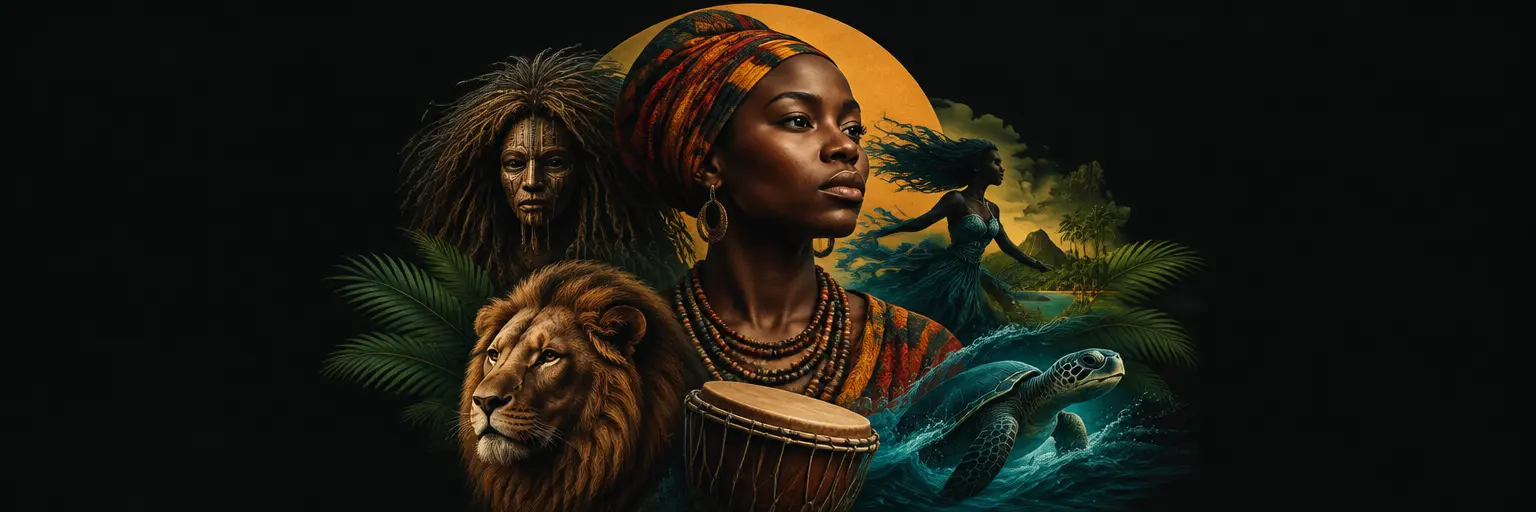
Delve into the vibrant world of African and Caribbean Folklore, where ancient stories pulse with life, blending ancestral wisdom, spirited deities, and the enduring power of oral tradition. From the clever antics of mythological tricksters like Anansi to the profound mysteries of Voodoo and spirituality, this realm offers a rich tapestry of creation myths, diaspora mythologies, and folkloric symbols that transcend time. Explore how these narratives—carried across oceans and generations—shape modern literature and cultural identity, revealing the resilience and imagination of peoples whose stories echo through rituals, music, and contemporary art. Uncover the hidden meanings behind sacred rites, ancestral spirits, and the symbolic language of folklore, all while connecting the dots between ancient origins and their diasporic influences in today’s storytelling. Whether you’re a seeker of myth, a student of culture, or a lover of tales that bridge the mundane and the magical, this rich collection illuminates how these enduring legends continue to inspire, challenge, and enchant—anchoring identity and sparking creativity in a globalized world.
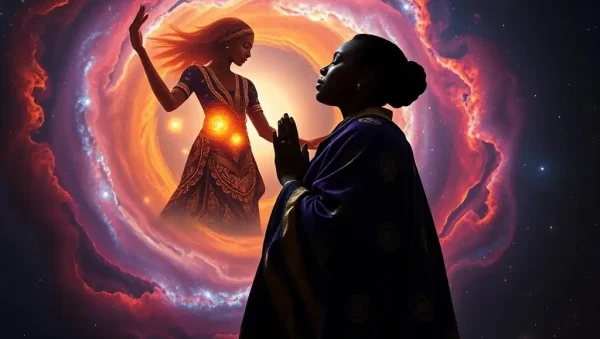
🌍 Discover how diaspora ancestor veneration rituals serve as vital links to cultural heritage, honoring loved ones across borders. These traditions preserve…
Read article
🌟 Dive into the captivating world of Èṣù in Yoruba mythology, where this enigmatic spirit serves as a trickster, messenger, and guardian…
Read article
🌍 Discover the captivating journey of stories across continents, highlighting African folklore migration patterns that have shaped legends from Africa to the…
Read article
🌊 Dive into the mystery of the Ancient river spirit beliefs, where legendary waters are believed to be the life-giving force behind…
Read article
🌌 Unlock the mysteries of ancient dream origins symbolism in "The Secrets of the First Dream," revealing how early myths shaped our…
Read article
🌟 Explore the intricate spiritual hierarchy of Haitian Vodou, focusing on Haitian Vodou Loa spirits that embody divine forces, guiding practitioners through…
Read article
🌍 Discover the captivating world of the Hausa Bori spirit rituals, an integral part of Hausa culture. These sacred ceremonies embody ancestral…
Read article
🌟 Dive into Orisha mythology fiction themes, exploring how the divine and human intertwine in stories of the Orishas. This article reveals…
Read article
🌍 Discover how West African folktales Anansi stories weave a rich tapestry of cultural wisdom, connecting diverse societies and inspiring modern narratives…
Read article
🕸️ Discover how Anansi stories, Ashanti folklore's iconic spider trickster, weave rich cultural lessons and timeless narratives, revealing the deep roots of…
Read article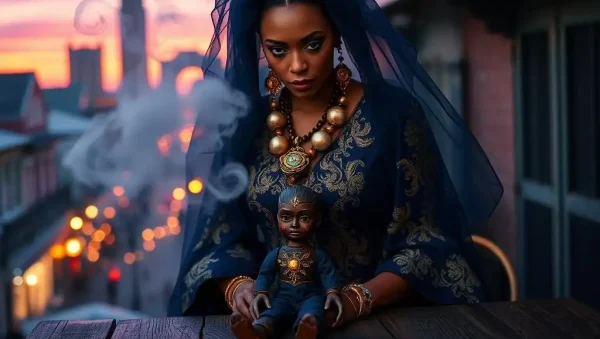
✨ Discover the legendary Marie Laveau Voodoo New Orleans, a powerful figure whose mystical practices and cultural influence continue to shape legends…
Read article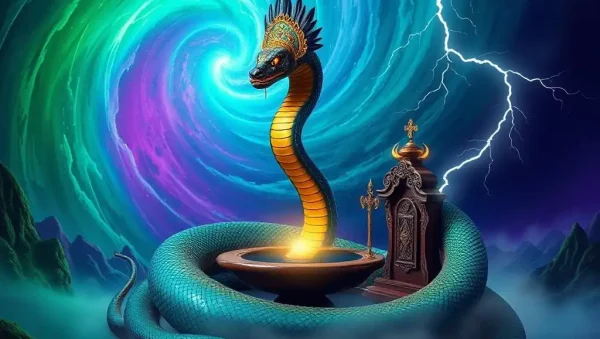
🌟 Discover the profound power of Haitian Vodou Damballah serpent energy, a primal force embodying creation, wisdom, and spiritual harmony. This ancient…
Read articleDive into the vibrant world of African and Caribbean folklore, where ancient myths, spiritual beliefs, and oral traditions intertwine to shape cultural identity across continents. From the savannas of West Africa to the islands of the Caribbean, this category uncovers the stories of ancestral spirits, trickster gods, and creation myths that have survived centuries. Whether you’re a mythology enthusiast, a student of cultural studies, or a curious reader, these subcategories offer deep insights into how folklore influences contemporary literature, spirituality, and diasporic identity. Explore the connections between traditional rituals and modern storytelling, and discover the enduring power of these narratives in shaping worldviews.
This subcategory explores the pantheon of ancestral spirits and deities revered in African and Caribbean traditions. Expect to learn about powerful figures like Yemaya, Shango, and Ogun, whose stories reflect values of justice, fertility, and protection. Understand how ancestors are honored through rituals and how their presence is believed to guide the living, bridging the physical and spiritual worlds.
Readers will also discover how these deities adapted during the transatlantic slave trade, merging with Catholic saints in Santería and Candomblé. This section highlights the resilience of African spiritual systems and their ongoing relevance in modern worship, making it a cornerstone for understanding African diaspora religions.
Delve into the symbols and rituals that carry profound meaning in African and Caribbean cultures. From Adinkra symbols of the Akan people to the veve patterns in Haitian Vodou, each emblem encodes wisdom, proverbs, and historical memory. Expect detailed explanations of how these symbols are used in ceremonies, art, and daily life.
Rituals such as drumming circles, dance, and offerings are dissected to reveal their purpose—connecting communities, honoring ancestors, and invoking divine favor. This subcategory is a treasure trove for those interested in ethnography and the tangible expressions of intangible heritage, showing how ritual practices sustain cultural continuity against colonial erasure.
At the heart of African and Caribbean folklore lies the oral tradition, a dynamic storytelling practice passed down through generations. This section examines the role of griots (West African storytellers) and Anansi tales, emphasizing how these narratives teach morality, history, and survival skills. Expect discussions on the performative aspects, including call-and-response patterns and musical accompaniment.
Readers will learn how oral traditions adapt to new contexts, from plantation slave narratives to contemporary spoken word and podcasts. This subcategory underscores the importance of memory and improvisation, showing how each retelling reshapes the story to fit the audience while preserving core cultural truths—a living archive of collective wisdom.
Trickster figures like Anansi the Spider, Legba, and Brer Rabbit are the rebellious heroes of African and Caribbean folklore. This subcategory explores their cunning, humor, and moral ambiguity, revealing how they outsmart stronger foes and challenge social hierarchies. Expect analyses of famous trickster tales and their symbolic meanings in resisting oppression.
These stories served as covert resistance during slavery, where tricksters embodied the wit needed to survive brutality. Readers will see how tricksters remain relevant in modern media, from animated films to political satire, proving that their subversive energy continues to inspire countercultural narratives and resilience in the face of adversity.
Focusing on how African myths transformed in the African diaspora, this subcategory traces the journey of stories across the Atlantic. From the United States to Brazil and Jamaica, folklore blended with indigenous and European elements, creating unique syncretic traditions. Expect case studies on Hoodoo, Obeah, and Kumina.
Readers will explore the politics of cultural retention and adaptation, seeing how diasporic communities used mythology to forge new identities while honoring African roots. This section also addresses contemporary reclamations, where artists and writers revive forgotten tales, ensuring that the diaspora’s spiritual and narrative heritage remains a vibrant, evolving force.
Uncover the diverse creation stories that explain the origins of the world, humanity, and cosmic order. From the Yoruba belief in Obatala molding humans to the Dogon’s Nommo ancestors, these myths reveal philosophical insights into existence. Expect comparative analysis of how different cultures perceive chaos, order, and divine intervention.
This subcategory also examines how creation myths legitimize social structures and natural phenomena, providing a moral compass for communities. Readers will appreciate the poetic richness of these narratives and how they influence contemporary afrofuturist interpretations, blending ancient cosmologies with speculative fiction to imagine alternative futures rooted in ancestral wisdom.
This subcategory demystifies Vodou (often misspelled as Voodoo), a complex spiritual system from Haiti and West Africa. Expect accurate, respectful explanations of its cosmology, including Lwa (spirits), possession rituals, and the role of priests (Houngan) and priestesses (Mambo). Emphasis is placed on Vodou’s communal and healing aspects, countering Hollywood stereotypes.
Readers will learn how Vodou synthesizes African, Catholic, and indigenous influences, functioning as a framework for psychological and social wellbeing. This section highlights contemporary practices in Haiti and the diaspora, addressing misconceptions and showcasing how spirituality remains a source of empowerment and cultural pride despite historical persecution.
Explore how African and Caribbean folklore shapes modern literature, from Nobel laureates like Toni Morrison and Derek Walcott to emerging voices in speculative fiction. Expect analyses of how authors weave myths into novels, poetry, and plays, using them as metaphors for identity, trauma, and liberation. Case studies include Midnight Robbers in Caribbean carnival and Anansi in Neil Gaiman’s works.
This subcategory also covers afrofuturism, where creators blend folklore with sci-fi and fantasy to reimagine Black futures. Readers will see how contemporary writers reclaim and subvert traditional narratives, ensuring that ancestral stories not only survive but thrive in global literary conversations, making folklore a dynamic force for cultural commentary and innovation.
African folklore originates from the continent’s diverse ethnic groups, with stories rooted in local environments and pre-colonial spiritual systems. Caribbean folklore, however, is a syncretic blend of African, European, and indigenous traditions, shaped by the trauma of slavery and cultural mixing. While both share motifs like tricksters and ancestor veneration, Caribbean versions often emphasize resistance and adaptation, reflecting the historical experiences of displacement and resilience.
Tricksters like Anansi or Legba embody intelligence and cunning over brute force, which was vital for survival in oppressive systems. Their tales taught enslaved communities how to outmaneuver masters, deal with injustice, and maintain hope. Tricksters also challenge rigid social norms, offering a safe space to question authority and celebrate wit, making them enduring symbols of subversion and creativity.
Popular media often misrepresents Vodou as evil or zombie-related, but it’s a rich religion focused on healing, community, and connection to ancestors. Practitioners honor the Lwa—spirits who mediate between humans and a supreme God—through songs, dances, and offerings. Vodou also incorporates Catholic elements due to historical syncretism, but its core remains rooted in African cosmology, emphasizing moral responsibility and spiritual harmony.
Many traditions are open to sincere seekers, but respect and cultural sensitivity are essential. Some initiatory lineages in Santería or Vodou require formal mentoring, while others welcome participation in public ceremonies. It’s crucial to learn from legitimate elders and avoid cultural appropriation. Focus on understanding the historical context and supporting communities that preserve these traditions, rather than solely seeking personal gain.
Examples abound: “American Gods” by Neil Gaiman features Anansi as a character; “Children of Blood and Bone” by Tomi Adeyemi draws on Yoruba mythology; Disney’s “The Princess and the Frog” incorporates New Orleans Voodoo elements. Afro-Caribbean authors like Nalo Hopkinson blend folk tales with sci-fi, while films like “Black Panther” infuse African spirituality into superhero narratives, showcasing how folklore continues to inspire global storytelling.