The Orishas' Pantheon: Exploring Divinity and Humanity in Fiction
🌟 Dive into Orisha mythology fiction themes, exploring how the divine and human intertwine in stories of the Orishas. This article reveals…
Read article
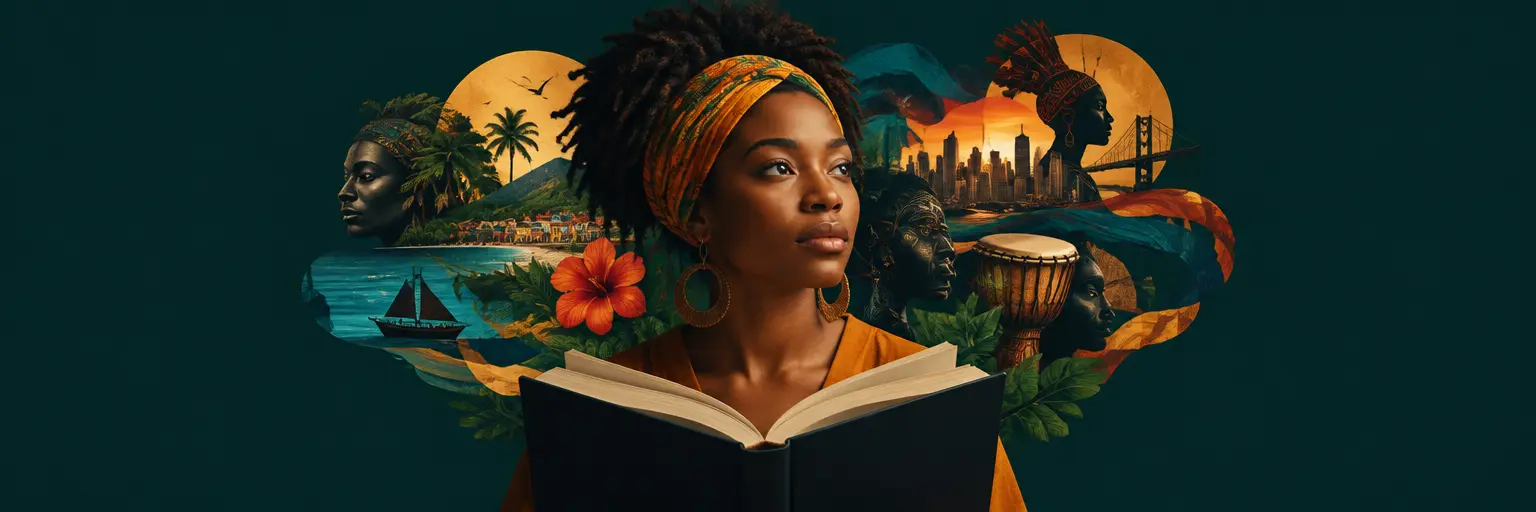
Diasporic influences in contemporary literature weave the rich threads of African and Caribbean folklore into modern storytelling, reimagining ancestral myths for today’s readers. These works blend oral traditions, spiritual beliefs, and colonial histories with fresh, global perspectives, creating narratives that resonate across borders. From the trickster tales of Anansi to the reverence for Orishas and Vodou spirits, authors transform ancient symbols and rituals into powerful metaphors for identity, migration, and resilience. This dynamic fusion not only preserves cultural heritage but also challenges literary norms, offering vivid, transformative voices that redefine contemporary fiction, poetry, and drama. Explore how these modern tales honor the past while boldly shaping the future of storytelling.
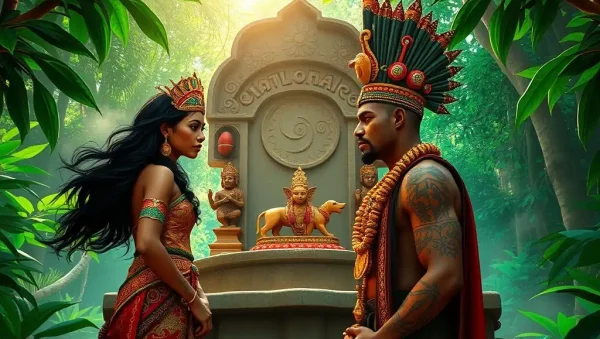
🌟 Dive into Orisha mythology fiction themes, exploring how the divine and human intertwine in stories of the Orishas. This article reveals…
Read article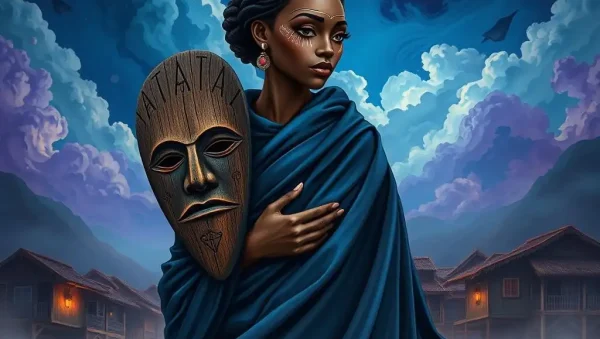
🌍 Explore how Haitian folklore trauma literature transforms deep cultural wounds into powerful narratives of resilience, revealing the enduring spirit of Haiti…
Read article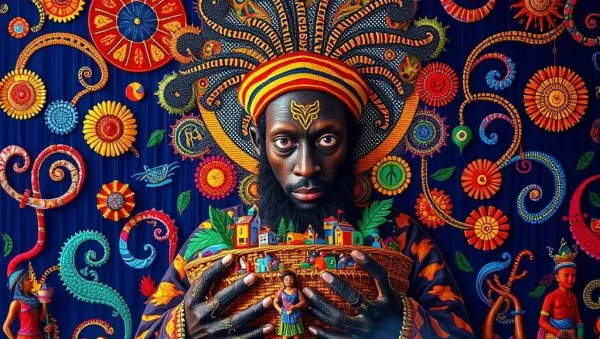
🌍 Discover how Anansi stories have fostered cross-cultural understanding, showcasing their profound cultural impact and highlighting their role in uniting diverse communities…
Read articleExplore how African and Caribbean folklore transcends borders, reshaping today’s literary landscape. This subcategory dives into the vibrant fusion of traditional myths, oral storytelling, and spiritual practices with modern narratives, revealing how diasporic authors reclaim heritage, challenge colonial histories, and craft new identities. Perfect for readers, writers, and cultural enthusiasts seeking to understand the pulse of contemporary global fiction.
Discover how authors like Yaa Gyasi, Marlon James, and Nalo Hopkinson breathe new life into Anansi, Oshun, and Legba, weaving them into plots about migration, identity, and resistance. These retellings aren’t mere fantasy—they serve as powerful metaphors for navigating dual cultural realities, offering a lens to examine belonging and alienation in today’s world.
Expect deep dives into specific novels where trickster gods become guides through urban landscapes, or ancestral spirits anchor protagonists amid displacement. We analyze how these figures shift from folklore to psychological archetypes, making ancient wisdom relevant to contemporary struggles. This section is essential for understanding the symbolic weight of folklore in postcolonial storytelling.
Unpack how griot-style narration, call-and-response patterns, and proverbial wisdom structure modern novels, from “Homegoing” to “The Old Drift.” These techniques create a rhythmic, communal reading experience that honors African storytelling roots while pushing literary boundaries.
Here, we explore how diaspora authors use polyphony—multiple narrators, fragmented timelines, and direct addresses to the reader—to mirror the collective memory of a people dispersed. You’ll learn how oral frameworks build bridges between past and present, making history feel immediate and personal. This facet illuminates why form itself becomes a political act of preservation and innovation.
From Toni Morrison’s “Beloved” to Helen Oyeyemi’s “The Icarus Girl,” spectral presences haunt contemporary works, embodying unresolved trauma and silenced histories. This section investigates how folklore’s ghostly elements—duppies, jumbies, and ancestral visits—serve as tools for confronting intergenerational pain.
Expect analyses of how the unseen shapes narrative tension and character psychology, offering catharsis through reconnection with lost roots. We highlight works where masks and ceremonies function as portals to diasporic memory, enabling characters to heal or confront buried truths. This is a must-read for those interested in the psychological and spiritual dimensions of migration literature.
Examine how authors blend English with Patois, Yoruba, or Haitian Creole, crafting unique linguistic textures that defy monolingual norms. Works like “The Brief Wondrous Life of Oscar Wao” or “A Brief History of Seven Killings” turn dialect into a declaration of cultural authenticity.
This portion details how code-switching in dialogue and narration reflects real diasporic lives, where identity shifts by context. We dissect the politics of language choice—how using untranslated terms or nonstandard grammar asserts sovereignty over one’s narrative. Perfect for linguaphiles and writers aiming to capture authentic voices without exoticizing or flattening diversity.
Delve into speculative fiction that fuses African cosmology with futuristic worlds, from Nnedi Okorafor’s “Who Fears Death” to Rivers Solomon’s “The Deep.” These narratives use myth to critique contemporary issues like climate change, tech surveillance, and racial injustice, offering visionary alternatives to Western dystopias.
Here, we highlight how elements like the Mami Wata or Eshu’s crossroads become frameworks for exploring digital afterlives or ecological collapse. This section demonstrates folklore’s versatility as a toolkit for imagining futures rooted in non-Western ontologies. A thrilling read for fans of Afrofuturism and world-building that challenges the status quo.
Diaspora literature often recontextualizes myths, adapting them to new geographies, languages, and political climates. Unlike direct retellings, it uses folklore as a lens to explore displacement, hybrid identity, and colonial legacies. The focus shifts from preserving tradition to interrogating how traditions evolve under migration, making them dynamic rather than static.
Oral techniques like repetition, direct address, and nonlinear plotting mirror communal memory and the act of passing stories across generations. They create a participatory reading experience that honors African and Caribbean heritage. This approach also challenges Western literary norms, asserting alternative ways of structuring time, voice, and knowledge—crucial for decolonizing literature.
Absolutely. Authors embed enough context for newcomers, but some prior knowledge enriches the experience. We recommend starting with works featuring familiar themes like migration or family secrets. Glossaries or interpretative guides often exist. The emotional and thematic core—belonging, trauma, resilience—is universal, so readers can connect without specialized knowledge.
Recurring motifs include the trickster figure, the griot as narrator, spiritual possession, maroon communities, and the crossroads. Others include masks, drums, and water spirits symbolizing transition. These elements often represent liminal spaces between worlds, allowing authors to explore hybridity, resistance, and the persistence of ancestral memory in modern settings.
Use our analyses as a foundation to identify thematic patterns, structural choices, and critical discussions. For writers, mimic oral cadence in dialogue or introduce folklore as subtext rather than exposition. For researchers, cross-reference cited texts and cultural contexts. We also recommend exploring adjacent subcategories like “Mythological Adaptations” for comparative approaches.