
Anansi's Network: Connecting Cultures Through Shared Tales


Welcome to Mythology and Legends, where we unravel the threads of ancient narratives! Ever wondered how a cunning spider could shape entire cultures? Dive into our latest exploration of Anansi stories and their profound cultural impact, and discover how these seemingly simple tales continue to weave their magic across generations and continents. Prepare to be captivated by the interconnected web of folklore, as we begin to explore the intriguing origins and enduring legacy of Anansi!
- Anansi's Network: Connecting Cultures Through Shared Tales - Exploring the Cultural Impact of Anansi Stories
- African and Caribbean Folklore: Anansi's Enduring Legacy
- Anansi Stories: A Vehicle for Cultural Transmission
- Diasporic Influences in Contemporary Literature: Anansi's Global Journey
- Anansi Stories Cultural Impact: Themes and Interpretations
- Modern Adaptations of Anansi: Keeping the Tradition Alive
- Analyzing the Cultural Impact of Anansi Stories on Diasporic Communities
- Frequently Asked Questions
- Final Reflection: Anansi's Enduring Legacy
- Unlock the Power of Storytelling: Share Anansi's Wisdom!
Anansi, the cunning spider, is one of the most beloved and enduring figures in African and Caribbean folklore. His tales, rich with humor, wit, and profound moral lessons, have traveled across continents and generations, weaving a complex tapestry of cultural connection. Understanding the Anansi stories cultural impact requires delving into their origins, their journey through the diaspora, and their continued relevance in contemporary society. This exploration reveals how the seemingly small spider has played a significant role in preserving heritage, shaping identity, and influencing literature and popular culture across the globe.
The stories of Anansi serve not only as entertainment but also as vital conduits for cultural transmission. They embody the values, beliefs, and historical experiences of the people who tell them. From the West African savannas to the bustling streets of the Caribbean islands and beyond, Anansi's adventures have provided a shared language, a source of resilience, and a testament to the power of storytelling. Examining the multifaceted Anansi stories cultural impact offers a unique perspective on how folklore adapts, survives, and thrives in diverse environments.
African and Caribbean Folklore: Anansi's Enduring Legacy
The figure of Anansi holds a central place within the vibrant traditions of African and Caribbean folklore. Originating in West Africa, primarily among the Akan people of present-day Ghana, Anansi's tales were carried across the Atlantic during the transatlantic slave trade. This journey transformed the spider god into a symbol of survival and cunning for enslaved populations, embedding him deeply into the cultural fabric of the Caribbean and other parts of the Americas. His enduring legacy speaks to the adaptability and resilience of oral traditions in the face of profound historical upheaval.
Anansi's stories are more than simple fables; they are complex narratives that explore human nature, power dynamics, and the quest for wisdom. They served as a vital link to ancestral heritage for people forcibly removed from their homelands, providing comfort, identity, and a means of subtle resistance. The continued telling of Anansi tales today underscores their deep-seated importance and their lasting Anansi stories cultural impact across diverse communities, highlighting their role in preserving a shared, yet adapted, cultural history.
The Origins of Anansi: A West African Spider-God
Anansi's roots are firmly planted in the rich soil of West African mythology, particularly among the Akan people of Ghana. In Akan cosmology, Anansi, often known as Kweku Ananse (meaning "Spider on Wednesday," as Kweku is a name for males born on Wednesday), is a significant figure. He is not merely a character in a story but was sometimes regarded as a god or spirit associated with wisdom and storytelling itself. The tales were traditionally told by skilled storytellers, often during evening gatherings, serving both to entertain and to impart moral lessons and cultural knowledge.
These early West African narratives established many of the core characteristics of Anansi that persist today: his insatiable cleverness, his often-successful schemes to outwit more powerful beings (including the sky god Nyame), and his occasional downfall due to his own greed or arrogance. The stories were integral to the social fabric, teaching about community norms, the consequences of actions, and the complexities of life. The foundational Anansi stories cultural impact began here, as they shaped the worldview and values of the Akan people for centuries before their spread.
Anansi's Role as a Trickster and Culture Hero
Anansi embodies the archetype of the trickster, a figure found in mythologies worldwide, but with unique characteristics in the African context. His trickery is often aimed at gaining advantages, sometimes for himself through deceit and cunning, but at other times inadvertently bringing benefits to humanity. For example, one famous cycle of stories recounts how Anansi managed to acquire all the stories in the world from Nyame, the sky god, through a series of impossible tasks, thus becoming the owner and dispenser of tales.
Beyond his mischievous nature, Anansi also functions as a culture hero. While his methods are often questionable, his actions frequently lead to the establishment of customs, the explanation of natural phenomena, or the acquisition of essential knowledge or resources for humankind. This dual role – simultaneously selfish trickster and inadvertent benefactor – makes Anansi a complex and compelling figure, reflecting the intricate and often contradictory nature of human experience. His actions provide a framework for discussing ethics, power, and survival, contributing significantly to the Anansi stories cultural impact.
Anansi Stories: A Vehicle for Cultural Transmission
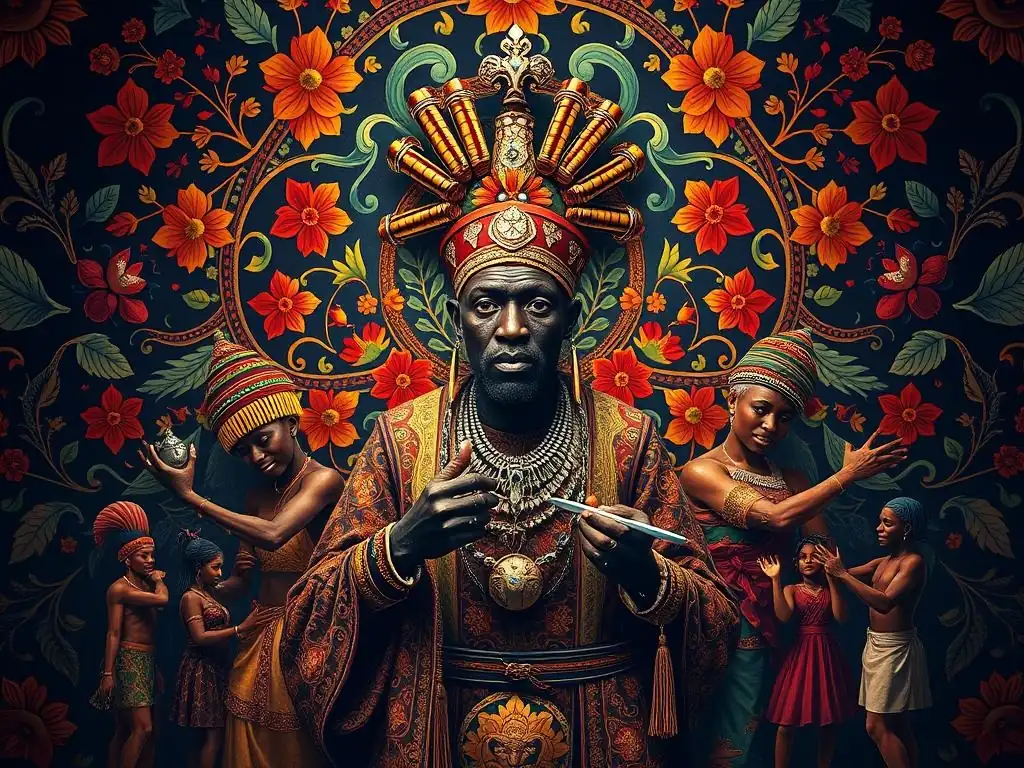
The enduring appeal of Anansi stories lies not just in their entertaining plots but in their profound function as vehicles for cultural transmission. In societies where literacy was not widespread, oral tradition was the primary means of passing down history, values, and knowledge from one generation to the next. Anansi tales were central to this process, embedding cultural lessons within memorable and engaging narratives.
Through Anansi's adventures, listeners learned about the world, understood societal expectations, and processed complex ideas about morality and justice. The stories provided a shared cultural reference point, fostering a sense of community and continuity. The effectiveness of Anansi stories as a vehicle for cultural transmission is a key aspect of their lasting Anansi stories cultural impact, ensuring that the wisdom and worldview of African and Caribbean peoples continued to resonate across time and space.
The Power of Oral Tradition: How Anansi Tales Spread
The spread of Anansi tales from West Africa across vast geographical distances was primarily facilitated by the power of oral tradition. As people migrated or were forcibly dispersed, they carried their stories with them, recounting them in new lands. In the absence of written texts, the human voice became the library, preserving and transmitting cultural heritage. Storytellers, often revered members of the community, were crucial to this process, memorizing vast repertoires of tales and adapting them for their audiences.
The interactive nature of oral storytelling, often involving call-and-response, songs, and dramatic performance, helped to embed the stories in the collective memory. While the core elements of Anansi's character and adventures remained consistent, the tales also evolved, incorporating local elements, languages, and experiences. This adaptability allowed Anansi to remain relevant and resonate with new communities, demonstrating the dynamic nature of folklore and contributing significantly to the broad Anansi stories cultural impact observed today.
Anansi as a Symbol of Resistance and Resilience
For enslaved Africans brought to the Caribbean and the Americas, Anansi took on a particularly powerful significance as a symbol of resistance and resilience. In a brutal system designed to strip away their humanity and culture, the figure of the small, seemingly weak spider who consistently outsmarted larger, more powerful adversaries offered a potent metaphor for survival. Anansi's ability to use wit and cunning to overcome physical strength and authority resonated deeply with the experiences of enslaved people who relied on intelligence and covert action to navigate their oppressive circumstances.
These narratives provided psychological solace and a sense of agency. They offered a space where the powerless could symbolically triumph over the powerful, fostering hope and maintaining a connection to a shared cultural identity. The Anansi stories cultural impact in the context of slavery was profound, transforming the trickster into a powerful symbol of defiance, ingenuity, and the indomitable spirit of those who endured unimaginable hardship. The tales became a coded language, understood within the community, reinforcing solidarity and resistance.
Diasporic Influences in Contemporary Literature: Anansi's Global Journey
Anansi's journey from West African villages to global prominence is intrinsically linked to the African diaspora. As people of African descent settled in new regions, they brought their folklore with them, embedding Anansi into the cultural landscapes of the Caribbean, North and South America, and beyond. This migration and adaptation have had a significant influence on contemporary literature, with Anansi appearing as a character, a thematic inspiration, or a structural element in works by writers from diverse backgrounds.
The presence of Anansi in diasporic literature speaks to the enduring power of folklore to transcend geographical boundaries and historical trauma. Writers utilize Anansi's complex character and the lessons embedded in his tales to explore themes of identity, heritage, resistance, and the blending of cultures. The Anansi stories cultural impact is thus clearly visible in the literary output of the diaspora, where the spider-man continues to weave his narrative web across genres and generations.
Anansi's Migration: From Africa to the Caribbean and Beyond
The primary route of Anansi's migration was the transatlantic slave trade, which forcibly transported millions of West Africans to the Americas and the Caribbean between the 16th and 19th centuries. People from the Gold Coast, where Akan culture was prominent, were among those enslaved and sent to colonies like Jamaica, Suriname, and Guyana. They carried their stories, including those of Anansi, in their memories.
In the Caribbean, Anansi became a ubiquitous figure, adapting to local conditions and languages. While most strongly associated with Jamaica, where his tales are often called 'Nancy stories,' he is also well-known in other islands and mainland territories with significant populations of West African descent. From the Caribbean, further migrations carried Anansi stories to North America and Europe, ensuring his continued presence and evolving Anansi stories cultural impact in even wider circles.
Anansi in Caribbean Folklore: Adaptation and Transformation
Upon arriving in the Caribbean, Anansi stories underwent significant adaptation and transformation. While retaining the core character of the clever trickster spider, the narratives often incorporated elements from other African ethnic groups present in the region, as well as influences from European and Indigenous folklore. The language shifted, with tales often being told in local Creole or patois dialects, adding new layers of humor and cultural specificity.
In the Caribbean context, Anansi's trickery often became even more pronounced as a survival mechanism against oppressive systems. His tales frequently depicted him outsmarting plantation owners or other figures of authority, reinforcing his role as a symbol of resistance. This adaptation solidified Anansi's place as a foundational figure in Caribbean identity and folklore, showcasing the dynamic nature of cultural traditions as they encounter new environments. The specific Anansi stories cultural impact in the Caribbean is distinct, reflecting the unique history and cultural synthesis of the region.
Anansi's Influence on Caribbean Literature
The deep roots of Anansi in Caribbean folklore have had a profound influence on the region's literature. Writers have drawn inspiration from Anansi's character, narrative style, and the themes embedded in his stories. Many authors incorporate Anansi directly as a character or reference him metaphorically to explore issues of heritage, identity, and resistance. The oral storytelling tradition from which Anansi emerges also informs the narrative voice and structure of many Caribbean literary works.
Prominent Caribbean writers have utilized Anansi to connect with their cultural past and critique contemporary society. For example, the Jamaican poet and folklorist Louise Bennett-Coverley, known as "Miss Lou," frequently referenced Anansi in her work, celebrating Jamaican Patois and cultural traditions. More contemporary authors continue to engage with the Anansi figure, demonstrating his ongoing relevance and the lasting Anansi stories cultural impact on literary expression throughout the Caribbean and its diaspora.
Anansi Stories Cultural Impact: Themes and Interpretations
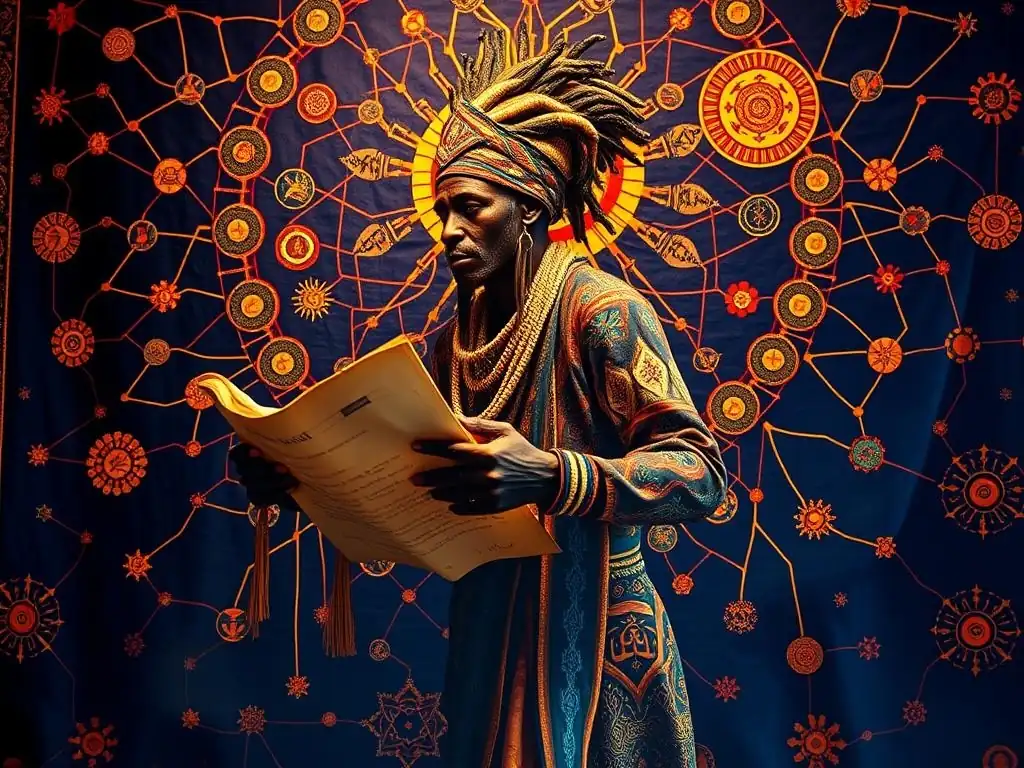
The enduring Anansi stories cultural impact stems from the universal themes they explore and the diverse interpretations they invite. While appearing deceptively simple, Anansi's adventures delve into complex aspects of human nature, societal dynamics, and the moral universe. Analyzing these themes provides insight into the values and perspectives embedded within African and Caribbean cultures and how these narratives continue to resonate with audiences worldwide.
From lessons about the consequences of greed to explorations of the balance between cleverness and wisdom, Anansi tales offer rich material for reflection and discussion. Their ability to entertain while simultaneously educating makes them powerful tools for cultural transmission and moral instruction. The varied interpretations across different communities highlight the adaptability and depth of the Anansi stories cultural impact.
Exploring Themes of Wisdom, Deceit, and Survival in Anansi Narratives
Anansi stories are replete with explorations of key themes such as wisdom, deceit, and survival. Wisdom is often portrayed not as innate knowledge but as something to be acquired, often through struggle or cunning, as seen in the story where Anansi collects all the world's stories. Deceit is Anansi's primary tool, used to outwit animals and humans alike, raising questions about the ethics of his actions and the nature of morality.
Survival is perhaps the most central theme, particularly in the diasporic context. Anansi's ability to survive and even thrive despite his small size and lack of physical strength makes him a powerful symbol for those facing overwhelming odds. His trickery is often a means to ensure his own survival or that of his family. These interconnected themes provide a framework for understanding the challenges and strategies for navigating a complex world, contributing significantly to the Anansi stories cultural impact.
Anansi as a Mirror to Human Nature: Examining Anansi's Flaws and Strengths
Anansi serves as a powerful mirror reflecting the complexities of human nature. His character embodies a blend of admirable strengths and glaring flaws. On one hand, he is incredibly clever, creative, resilient, and resourceful – qualities essential for survival. He demonstrates wit, adaptability, and an unyielding determination to overcome obstacles, often through ingenious, albeit sometimes dishonest, means.
Conversely, Anansi is also depicted as greedy, vain, selfish, lazy, and sometimes cruel. His schemes often backfire due to his own hubris or insatiable desires. These flaws make him relatable and human, preventing him from being a purely heroic figure. By showcasing both the best and worst of human traits, Anansi tales encourage listeners to reflect on their own behavior and the consequences of their actions, deepening the ethical dimension of the Anansi stories cultural impact.
The Enduring Relevance of Anansi Stories in Modern Society
Despite their ancient origins, Anansi stories maintain a remarkable relevance in modern society. The fundamental human dilemmas and social dynamics explored in the tales are timeless. Issues of power, inequality, justice, honesty, and the struggle between the weak and the powerful continue to resonate in contemporary contexts. Anansi's cleverness in navigating a challenging world remains an inspiring, if sometimes cautionary, example.
Furthermore, the stories serve as a vital link to cultural heritage for communities in Africa and the diaspora. They are told in homes, schools, and cultural events, helping to preserve language, traditions, and values. In an increasingly globalized world, Anansi tales offer a unique cultural perspective and provide valuable lessons on critical thinking, problem-solving, and the nuances of human interaction. This continued relevance is a testament to the profound and lasting Anansi stories cultural impact.
Modern Adaptations of Anansi: Keeping the Tradition Alive
The vitality of Anansi stories is evident in their numerous modern adaptations across various media. Far from being confined to oral tradition, Anansi has leaped from the spoken word onto the page, the screen, and even into digital spaces. These adaptations play a crucial role in keeping the tradition alive, introducing Anansi to new audiences, and ensuring that his stories continue to evolve and resonate in the 21st century.
Modern retellings demonstrate the flexibility of the Anansi character and narratives, allowing them to speak to contemporary issues and sensibilities while honoring their historical roots. The proliferation of Anansi in books, television, and other forms of popular culture highlights the significant and ongoing Anansi stories cultural impact, reaching beyond traditional communities to a global audience.
Anansi in Children's Literature: Introducing New Generations to the Spider-Man
Children's literature has become a significant avenue for introducing Anansi to new generations. Numerous authors and illustrators have adapted Anansi tales into engaging and accessible books for young readers. These books often focus on the more lighthearted and educational aspects of Anansi's adventures, emphasizing the moral lessons about cleverness, hard work, and the consequences of greed.
Popular children's book series and individual titles featuring Anansi have helped to cement his place as a beloved character for children in the Caribbean, North America, Europe, and Africa. These adaptations often simplify complex plots while retaining the core spirit of the trickster. By presenting Anansi in colorful and engaging formats, children's literature ensures that the Anansi stories cultural impact continues to shape young minds and connect them to a rich folkloric heritage.
Anansi in Popular Culture: From Comics to Film
Anansi's influence extends well beyond traditional literature into various forms of popular culture. He has appeared in comic books, including a notable character in the Marvel Comics universe known as Anansi, the Spider-God, who is depicted as the god of stories and knowledge. This adaptation, while differing from the traditional figure, reflects the recognition of Anansi's cultural significance and his association with storytelling.
Anansi has also inspired characters and plotlines in television shows, animated series, and films. While direct adaptations of specific tales are less common in mainstream film than literary retellings, the archetype of the clever trickster of African descent often carries echoes of Anansi. These appearances in popular culture, even when loosely based on the original folklore, broaden the recognition of Anansi and contribute to the wider Anansi stories cultural impact on a global scale.
The Future of Anansi Stories: Preserving and Celebrating a Rich Cultural Heritage
The future of Anansi stories looks promising, with ongoing efforts to preserve, document, and celebrate this rich cultural heritage. Academics, cultural institutions, and community groups are actively working to collect, transcribe, and analyze traditional Anansi tales, ensuring their survival for future generations. Digital archives and online resources are making these stories more accessible than ever before.
Furthermore, creative artists continue to reimagine Anansi for contemporary audiences through new books, performances, and multimedia projects. Educational programs in schools and cultural centers utilize Anansi stories to teach children about African and Caribbean history, values, and storytelling traditions. These combined efforts highlight a commitment to maintaining the vibrancy of Anansi folklore and ensuring its continued Anansi stories cultural impact as a source of identity, wisdom, and connection across cultures.
Analyzing the Cultural Impact of Anansi Stories on Diasporic Communities
The cultural impact of Anansi stories on diasporic communities is particularly profound and multifaceted. For people of African descent living outside of Africa, Anansi serves as a crucial link to their ancestral homeland and a symbol of shared identity and resilience. The stories provide a sense of continuity and belonging, connecting individuals across geographical distances and historical divides.
Analyzing this impact reveals how folklore can function as a powerful tool for cultural preservation, education, and empowerment within communities shaped by migration and historical challenges. The Anansi stories cultural impact within the diaspora underscores their role not just as entertainment, but as vital elements of cultural survival and affirmation.
Anansi's Role in Shaping Identity and Cultural Pride
For many individuals in the African diaspora, Anansi stories play a significant role in shaping their identity and fostering cultural pride. Hearing or reading these tales provides a connection to the ingenuity, resilience, and rich cultural heritage of their ancestors. Anansi's triumphs over powerful adversaries offer a narrative of empowerment, particularly resonant for communities that have historically faced oppression.
The shared knowledge of Anansi tales creates a sense of collective identity among people of African and Caribbean descent worldwide. Recounting these stories in family settings or community gatherings reinforces cultural bonds and transmits values across generations. This function in fostering identity and pride is a central component of the Anansi stories cultural impact within diasporic populations.
Anansi as a Tool for Education and Empowerment
Anansi stories are widely used as educational tools, teaching valuable life lessons and fostering critical thinking. The complex plots often require listeners to interpret characters' motivations and anticipate consequences, developing analytical skills. The moral lessons embedded in the tales, whether about the dangers of greed or the value of cleverness, provide a framework for discussing ethics and social behavior.
Beyond moral education, Anansi tales empower listeners by celebrating intelligence and wit as means of overcoming adversity. For communities that have historically been marginalized, stories where the small and clever triumph over the large and powerful can be deeply empowering. Educational initiatives in various countries, including those with significant diasporic populations, often incorporate Anansi stories into curricula to promote cultural literacy, critical thinking, and a sense of empowerment, highlighting a key aspect of the Anansi stories cultural impact.
The Impact of "Anansi and the Pot of Wisdom" on Ghanaian Children's Education
The story of "Anansi and the Pot of Wisdom" offers a specific example of the educational impact of Anansi tales, particularly in regions like Ghana where the stories originate. In this tale, Anansi attempts to hoard all the world's wisdom in a pot but fails, ultimately spilling the wisdom for everyone to share. This narrative teaches valuable lessons about the importance of sharing knowledge and the folly of selfish ambition.
In Ghanaian primary education, traditional stories like this one are often integrated into teaching materials to impart moral values and cultural knowledge. While precise, nationwide statistical data on the quantifiable impact of this specific story on educational outcomes is challenging to isolate, educators widely recognize its value in teaching concepts like generosity, humility, and the collective benefit of shared knowledge. The story serves as a memorable and culturally relevant pedagogical tool, illustrating the practical Anansi stories cultural impact in educational settings by reinforcing community values and promoting a positive attitude towards learning and sharing.
Frequently Asked Questions
What is the origin of Anansi stories?
Anansi stories originated with the Asante people of Ghana in West Africa. They were then spread throughout the African diaspora, particularly to the Caribbean and the Americas, carried by enslaved Africans.
What are some common themes found in Anansi stories?
Anansi stories often feature themes of trickery, wisdom, and survival. Anansi, the spider, uses his cunning to outwit larger and more powerful characters, highlighting the importance of resourcefulness and intelligence.
How did Anansi stories spread beyond their original African context?
The transatlantic slave trade played a significant role in spreading Anansi stories. Enslaved Africans carried these tales with them, using them as a way to preserve their culture and transmit values in their new environments.
What is the "cultural impact" of Anansi stories in the Caribbean?
In the Caribbean, Anansi stories became a vital part of oral tradition and cultural identity. They helped communities to maintain connections to their African heritage and offered a means of resistance against oppression.
How do Anansi stories influence contemporary society?
Anansi's tales continue to inspire writers, artists, and storytellers today. They often explore themes of social justice, resistance to authority, and the power of storytelling itself, making them relevant to modern audiences.
Final Reflection: Anansi's Enduring Legacy
Anansi's tales, far from being relics of the past, remain powerfully relevant today, weaving a vibrant tapestry of shared human experience that transcends geographical boundaries and cultural differences. The enduring power of these stories lies not just in their entertainment value, but in their ability to illuminate universal themes of trickery, resilience, and the enduring search for knowledge and wisdom. These are timeless narratives that resonate deeply with audiences across generations and cultures.
The impact of Anansi stories on the cultural landscape is undeniable; they serve as a powerful testament to the interconnectedness of human societies. They demonstrate how narratives, passed down through oral tradition and now increasingly through modern media, can shape our understanding of the world and our place within it. These stories are not simply entertainment; they are a living legacy, a testament to the enduring power of storytelling to connect us across time and space. Stories are a powerful way to transmit knowledge, values, and beliefs from one generation to the next. They shape our understanding of the world and our place in it.
Consider the threads of Anansi's web, each strand representing a different cultural interpretation or adaptation of his tales. You, the reader, are now invited to explore these threads further. Seek out Anansi stories in your own community, listen to the variations, and reflect on how these ancient narratives continue to shape our modern world. Let Anansi's cunning and wisdom inspire you to connect with others, to share your own stories, and to recognize the rich tapestry of human experience that binds us all together.
Thanks for exploring the rich tapestry of Anansi's tales and the power of cross-cultural storytelling! You've gained a new appreciation for the connections between cultures and the enduring legacy of myth. Now, let's put that knowledge into action:
- Share Anansi's story: Retell a favorite Anansi tale to a friend, family member, or even online! Let's spread the magic of these narratives.
- Discover a new myth: Explore a culture unfamiliar to you and delve into their unique storytelling traditions. You might be surprised by what you find!
- Join the conversation: What other mythological figures or stories resonate with Anansi's themes of trickery, wisdom, and community? Share your thoughts in the comments below!
What cultural story will you share today, and why?