
Duppies, Soucouyants, and Jumbies: Caribbean Folklore's Darker Side

Welcome to Mythology and Legends, where the echoes of ancient tales still resonate. But be warned, not all stories are comforting. Delve into the shadows of the Caribbean, where whispers of Duppies, Soucouyants, and Jumbies linger in the humid air. Dare to unravel the dark tapestry of Caribbean ghost stories, traditions, and beliefs... if you're brave enough to learn their secrets.
- Exploring the Chilling World of Caribbean Ghost Stories
- Duppies: The Mischievous Spirits of the Caribbean
- Soucouyants: Bloodsucking Witches of Caribbean Nightmares
- Jumbies: Guardians of the Forest and Enforcers of Tradition
- Caribbean Ghost Stories Traditions Beliefs: A Cultural Tapestry
- The Significance of Caribbean Folklore in Modern Society
-
Frequently Asked Questions
- What are Duppies and what role do they play in Caribbean ghost stories?
- How does the Soucouyant legend reflect cultural beliefs in the Caribbean?
- What are Jumbies and how do they differ from other Caribbean supernatural beings?
- How have Caribbean ghost stories influenced contemporary society?
- What are some common themes or elements found in Caribbean ghost story traditions?
- Final Reflection: Unmasking the Power of Caribbean Folklore
- Unveil Your Inner Explorer: Dive Deeper into Caribbean Folklore!
Exploring the Chilling World of Caribbean Ghost Stories
Unveiling the Roots of Caribbean Folklore
Caribbean folklore is a rich tapestry woven from the diverse cultural threads brought to the islands over centuries. Its foundation lies primarily in the spiritual traditions of West Africa, carried across the Atlantic by enslaved peoples. These beliefs encountered and intertwined with the existing mythologies of the indigenous Taíno and Kalinago populations, as well as the folklore and superstitions introduced by European colonizers, particularly from Spain, France, and Britain. This complex fusion resulted in unique narratives and spiritual entities that reflect the shared history, struggles, and resilience of the Caribbean people.
The specific forms and names of these entities vary from island to island, but the core concepts often remain consistent. For example, the belief in restless spirits of the dead, malevolent shape-shifters, and nature guardians is widespread throughout the region. The adaptation and blending of these diverse influences created a distinct body of Caribbean ghost stories traditions beliefs, where elements from different continents coexist and interact, forming a vibrant and sometimes terrifying spiritual landscape.
The Enduring Power of Caribbean Myths and Legends
The power of Caribbean myths and legends lies in their ability to explain the inexplicable, enforce social norms, and provide a sense of cultural identity. These stories are not merely entertainment; they serve as moral compasses, cautionary tales, and historical records, passed down through generations via oral tradition. In many communities, the entities like duppies, soucouyants, and jumbies are treated with genuine respect and fear, influencing daily life and interactions with the natural and spiritual worlds.
Despite modernization and external influences, these traditional narratives surrounding Caribbean ghost stories traditions beliefs continue to hold sway. They are embedded in language, art, music, and everyday conversations. The resilience of these stories highlights their deep roots in the collective psyche of the Caribbean people, providing a link to the past and a framework for understanding the present, demonstrating the enduring strength of cultural heritage against the tide of change.
Duppies: The Mischievous Spirits of the Caribbean
Duppy Origins: Tracing the Ancestry of Caribbean Ghosts
Duppies, a term widely used across the Anglophone Caribbean (particularly Jamaica, Barbados, and the Bahamas), are generally understood to be the spirits of the dead. Their origins are deeply rooted in African spiritual concepts, particularly the belief in the active participation of the spirits of ancestors and other departed souls in the world of the living. Unlike some Western ghost concepts, duppies are not always passive or merely haunting locations; they are often described as entities with intentions, capable of interacting directly with people.
The transition from a living person to a duppy is often associated with specific circumstances surrounding death, such as murder, suicide, or improper burial rites. Some beliefs suggest that anyone can become a duppy, while others specify that only those who lived wicked lives or died tragically are prone to becoming restless spirits. This aspect of Caribbean ghost stories traditions beliefs emphasizes the consequences of one's actions, even after death, and the importance of proper spiritual transitions.
Duppy Behavior: Understanding Their Pranks and Malevolence
Duppy behavior ranges from relatively harmless pranks to outright malevolence. At the milder end, they might cause objects to move, doors to slam, or make strange noises to frighten people. These actions are often attributed to restless spirits seeking attention or simply causing mischief. However, duppies are also feared for their capacity to cause illness, misfortune, and even death. Encounters are often described as chilling, involving feelings of being watched, sudden cold spots, or terrifying apparitions.
More dangerous duppies are said to linger at crossroads, burial grounds, or specific locations where they met their demise. They might try to lead travelers astray, possess individuals, or inflict harm through spiritual means. The diverse range of duppy behavior underscores the multifaceted nature of Caribbean ghost stories traditions beliefs, reflecting both the minor annoyances and the significant dangers perceived to emanate from the spirit world.
Protecting Yourself From Duppies: Rituals and Superstitions
Given the fear duppies inspire, various rituals and superstitions have developed over time as methods of protection. One common belief is that duppies cannot cross water, so rivers or seas act as natural barriers. Another widespread practice is to wear clothes inside out when traveling at night, as this is thought to confuse the duppy or render the wearer invisible to them. Sprinkling salt around a home or property is also believed to ward off these spirits, as salt is often seen as having purifying or protective properties in folklore.
Specific plants and herbs are also used for protection. For instance, placing croton leaves or certain types of bush broom by doorways is thought to deter duppies. Avoiding certain places at night, like cemeteries or specific dark paths known to be haunted, is also a practical measure. These protective traditions are integral to Caribbean ghost stories traditions beliefs, offering people a sense of agency and control in navigating a world where the spiritual and physical realms are closely intertwined.
Soucouyants: Bloodsucking Witches of Caribbean Nightmares
Soucouyant Lore: The Transformation and Powers of the Hag
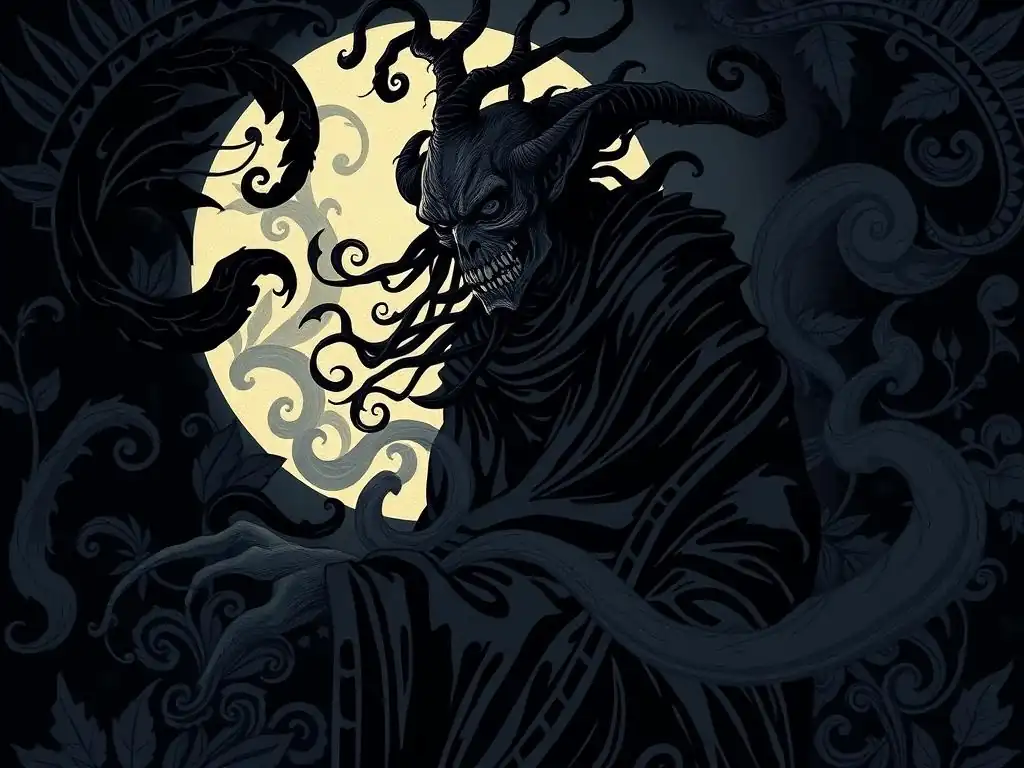
The Soucouyant (also known as Lougarou in Trinidad, or variations across other islands) is one of the most feared figures in Caribbean folklore. She is typically described as an old woman who, by night, sheds her skin and transforms into a fiery ball of light or an amorphous entity. This glowing form then travels through the darkness, seeking out victims whose blood she will drain. The shedding of the skin, often hidden in a mortar, is a crucial part of her transformation and a potential vulnerability.
Her powers extend beyond mere bloodsucking. The Soucouyant is said to be able to fly, enter homes through the smallest cracks or keyholes, and inflict illness or misfortune upon those she targets. The act of draining blood is not just about sustenance; it is also a way she gains power, extending her own life while weakening her victims. This terrifying image of a shape-shifting, vampiric hag is a potent element within Caribbean ghost stories traditions beliefs.
Identifying a Soucouyant: Signs and Warnings
Identifying a Soucouyant can be challenging, as she appears as a normal, often reclusive, old woman by day. However, folklore provides several signs. One key indicator is the presence of a hickey-like mark on the victim's body where the Soucouyant has sucked blood, although sometimes these marks are described as almost invisible. Another sign is unexplained fatigue or illness in a person, particularly after dark.
Perhaps the most definitive way to identify her is to find her shed skin or catch her in her fiery form. Some stories suggest that a person suspected of being a Soucouyant might have unusually tired or red eyes from staying up all night in her supernatural form. The need for specific identification methods highlights the pervasive fear and suspicion surrounding these figures in Caribbean ghost stories traditions beliefs.
Combating the Soucouyant: Methods of Defense and Extermination
Combating a Soucouyant requires specific methods aimed at disrupting her transformation or destroying her shed skin. A common defense involves sprinkling rice, salt, or grains around doorways or at crossroads. The Soucouyant, compelled by a supernatural urge, must stop and count every grain before she can pass, and if dawn arrives before she finishes, she is trapped in her disembodied state, unable to return to her skin.
Another effective method is to find the Soucouyant's hidden skin during the night and sprinkle it with salt. This makes it impossible for her to put the skin back on, leading to her demise when she attempts to re-enter it at dawn. Some tales also mention using garlic or other specific herbs as deterrents. These methods reflect practical, often agricultural-based, responses to supernatural threats within the framework of Caribbean ghost stories traditions beliefs.
Jumbies: Guardians of the Forest and Enforcers of Tradition
Jumbie Types and Characteristics: A Diverse Bestiary of Spirits
The term "Jumbie" (also spelled "Jumby") is a broader term in Caribbean folklore, particularly prevalent in the Eastern Caribbean (like St. Lucia, Dominica, and Guyana), encompassing a wide variety of spirits, entities, and supernatural beings. Unlike duppies, which are typically associated with the human dead, jumbies can be nature spirits, elemental beings, or entities with no direct link to human life. Their characteristics are incredibly diverse, ranging from benevolent guardians to terrifying monsters.
Examples include forest jumbies who protect the wilderness, water jumbies dwelling in rivers or the sea, and specific entities like the Lagahoo (a shape-shifting man-beast) or the Baccoo (a small, mischievous entity kept in a bottle). This vast array reflects the deep connection Caribbean cultures have with their natural environment and the belief that spirits inhabit and influence every aspect of the world, further enriching the tapestry of Caribbean ghost stories traditions beliefs.
Jumbie Encounters: Stories of Fear and Respect
Encounters with jumbies are central to many Caribbean folktales and often serve as cautionary lessons. Stories abound of people getting lost in the forest after disrespecting nature, being led astray by mischievous jumbies, or encountering terrifying figures at night as punishment for misdeeds. These narratives often emphasize the importance of showing respect for the spiritual world and adhering to traditional customs and moral codes.
While some jumbies are inherently dangerous, others are seen as more neutral or even protective, particularly if they are associated with a specific place or family. However, even benevolent jumbies are often treated with caution and respect, as crossing them can lead to misfortune. These encounter stories reinforce the idea that the spiritual realm is powerful and demands careful navigation within Caribbean ghost stories traditions beliefs.
The Role of Jumbies in Maintaining Caribbean Beliefs
Jumbies play a significant role in maintaining social order and reinforcing traditional Caribbean beliefs. Stories about jumbies serve as effective tools for social control, particularly in rural communities. Children are warned not to wander alone at night, disrespect elders, or venture into certain forbidden areas for fear of encountering a jumbie. These narratives provide tangible consequences for breaking societal rules, albeit supernatural ones.
Furthermore, jumbies often embody the consequences of environmental disrespect, punishing those who harm the forest or water sources. This reinforces a traditional ecological ethic. By weaving these moral and practical lessons into compelling and often frightening tales, jumbies ensure the perpetuation of core values and beliefs across generations, cementing their place within the fabric of Caribbean ghost stories traditions beliefs.
Caribbean Ghost Stories Traditions Beliefs: A Cultural Tapestry
The Intertwining of African, European, and Indigenous Beliefs
The unique character of Caribbean ghost stories traditions beliefs is a direct result of the historical interactions between African, European, and Indigenous cultures. African spiritual systems provided the foundational concepts of ancestor veneration, spirit possession, and the active presence of the spirit world. European folklore contributed figures like witches (leading to entities like the Soucouyant, influenced by European witch trials and beliefs) and various types of ghosts or spirits. Indigenous beliefs about nature spirits and the spiritual significance of the land also added layers to this complex mix.
This syncretism is not merely a simple layering but a genuine fusion. For example, the concept of the duppy combines African ideas of restless spirits with European ghost narratives. The Soucouyant blends African beliefs in shape-shifters and soul-eating entities with European witchcraft concepts. This intricate weaving of distinct traditions created something entirely new and specific to the Caribbean context.
The Impact of Slavery and Colonialism on Caribbean Folklore
The brutal realities of slavery and colonialism profoundly shaped Caribbean ghost stories traditions beliefs. The trauma of the Middle Passage, the violence of plantation life, and the power dynamics between enslaved people and their masters are often subtly or overtly reflected in the folklore. Supernatural figures sometimes served as metaphors for oppression or as symbols of resistance.
Stories of spirits seeking revenge for injustices or figures who could evade the control of masters (like the shape-shifting Soucouyant or the elusive Jumbie) offered a psychological escape and a framework for understanding suffering. Conversely, some figures may have been used by the enslaved community themselves to enforce discipline or solidarity. The historical context of bondage and struggle is an undeniable layer in understanding the darker elements within Caribbean ghost stories traditions beliefs.
Contemporary Interpretations of Caribbean Ghost Stories
In contemporary Caribbean society and among the diaspora, traditional ghost stories are interpreted in various ways. For some, they remain deeply held beliefs that influence daily life and interactions with the world. For others, they are cherished cultural narratives, part of their heritage and identity, told for entertainment or to connect with their roots. There's also a growing interest in these stories academically, as scholars explore their historical, social, and psychological significance.
Modern interpretations also see these figures appearing in popular culture, sometimes as terrifying monsters in horror, other times as complex characters representing cultural anxieties or historical legacies. The continued relevance of duppies, soucouyants, and jumbies in contemporary art, literature, and conversation demonstrates the enduring power and adaptability of Caribbean ghost stories traditions beliefs in the modern world.
The Significance of Caribbean Folklore in Modern Society
Preserving Caribbean Heritage Through Storytelling
Oral storytelling has historically been the primary method for preserving Caribbean folklore. Elders passing down tales of duppies, soucouyants, and jumbies to younger generations ensured the survival of these narratives and the cultural knowledge embedded within them. This tradition continues today, albeit alongside new forms of media. Storytelling sessions, whether informal family gatherings or organized cultural events, play a vital role in keeping the legacy of Caribbean ghost stories traditions beliefs alive.
Beyond entertainment, these stories carry lessons about history, morality, community values, and the relationship between humans and the spiritual or natural world. The act of sharing these stories is an act of cultural preservation, connecting contemporary Caribbean people to their ancestors and maintaining a sense of shared identity and heritage in a globalized world.
Duppies, Soucouyants, and Jumbies in Caribbean Literature and Art
Caribbean folklore figures have long been a source of inspiration for the region's artists and writers. From classic literature to contemporary visual arts, duppies, soucouyants, and jumbies appear as powerful symbols and characters. They are used to explore themes of identity, history, trauma, resistance, and the supernatural. Writers often weave these figures into narratives that reflect the unique social and political landscapes of the Caribbean.
For instance, a Soucouyant might symbolize the draining effects of social inequality, or a Jumbie could represent the lingering presence of historical injustices. This integration into formal artistic expression gives these traditional figures new life and broader visibility, showcasing the depth and complexity of Caribbean ghost stories traditions beliefs to a wider audience and demonstrating their continued relevance beyond oral tradition.
The Psychology Behind Believing in Caribbean Ghost Stories
Belief in Caribbean ghost stories traditions beliefs can be understood through various psychological and social lenses. These narratives provide frameworks for explaining phenomena that might otherwise be inexplicable, such as unexplained illnesses, misfortunes, or strange occurrences. In societies where access to scientific explanations or healthcare might be limited, attributing such events to supernatural entities like duppies or soucouyants can offer a form of understanding and coping.
Furthermore, these beliefs reinforce community bonds and social norms. Sharing fear of a common supernatural threat can strengthen group cohesion. The stories also act as psychological deterrents against undesirable behavior, leveraging fear of supernatural punishment to encourage adherence to societal rules. The psychological function of these beliefs highlights their deep integration into the social fabric of Caribbean communities.
Frequently Asked Questions
What are Duppies and what role do they play in Caribbean ghost stories?
Duppies are malevolent spirits of the dead, often believed to be wandering souls seeking to cause mischief or harm. They are a central part of Caribbean ghost story traditions, representing the unresolved or angry dead.
How does the Soucouyant legend reflect cultural beliefs in the Caribbean?
The Soucouyant, a blood-sucking old woman who sheds her skin at night, embodies fears of female power and the dangers of the night. Her story highlights beliefs in shapeshifting and the vulnerability of the living to supernatural forces.
What are Jumbies and how do they differ from other Caribbean supernatural beings?
Jumbies are a broad category of malevolent spirits or demons, often associated with the natural world. Unlike duppies (specific spirits of the dead) or soucouyants (shape-shifting beings), jumbies are more general and can represent various types of supernatural threats.
How have Caribbean ghost stories influenced contemporary society?
These stories, passed down through oral tradition, continue to shape Caribbean identity and are reflected in literature, art, and film. They provide a way to understand cultural anxieties and maintain a connection to the past.
What are some common themes or elements found in Caribbean ghost story traditions?
Common themes include revenge of the wronged, the importance of respecting the dead, and the power of obeah (folk magic). They also often feature remote locations, dark nights, and a strong emphasis on the spiritual connection to the land.
Final Reflection: Unmasking the Power of Caribbean Folklore
The enduring legacy of Caribbean ghost stories isn't just about spooky tales; it's a powerful reflection of cultural resilience, historical trauma, and the enduring human need to grapple with the unknown. These narratives, passed down through generations, offer a unique lens through which to understand the complexities of Caribbean identity and the ongoing struggle for social justice. The very existence of these chilling legends speaks volumes about the experiences and anxieties of the people who created them.
The chilling whispers of duppies, soucouyants, and jumbies continue to resonate within Caribbean communities, shaping cultural norms and influencing artistic expression. These stories are more than just entertainment; they serve as cautionary tales, moral compasses, and potent symbols of resistance against oppression. As the writer Jamaica Kincaid eloquently stated, The stories we tell ourselves are the stories that make us who we are.
These narratives, therefore, are integral to understanding the Caribbean's rich and often turbulent history. They offer a glimpse into the anxieties and hopes of a people forged in the crucible of colonialism and slavery, anxieties and hopes that continue to shape the region today.
Consider the power of these stories. Think about how they have shaped your own understanding of the world, even if you've only encountered them recently. You, the reader, now hold the key to continuing this legacy. Engage with these narratives, share them with others, and explore the deeper meanings embedded within them. By understanding the darker side of Caribbean folklore, we can gain a richer appreciation for the vibrant tapestry of Caribbean culture and the enduring strength of its people. Let the chilling whispers of the past illuminate the path towards a more informed and empathetic future.
Unveil Your Inner Explorer: Dive Deeper into Caribbean Folklore!
Thanks for exploring the darker side of Caribbean folklore with us! We hope you gained a newfound appreciation for the rich and sometimes chilling stories passed down through generations. Ready to take your fascination further?
- Delve into our extensive archive: Explore other captivating tales from the Caribbean and around the world, uncovering the hidden histories and cultural significance of these fascinating myths. This is your chance to become a true folklore expert!
- Share your own spooky stories: Do you have family legends or personal experiences with the supernatural? Let's build a community by sharing our stories in the comments section below!
- Craft your own Caribbean creature: Use what you've learned to design your own mythical being – what powers would it possess? What would its weaknesses be? Let your imagination run wild!
What chilling tale will you uncover next, and which Caribbean creature will capture your imagination the most?