
Ancestral Callings: Honoring the Dead in Diaspora Traditions

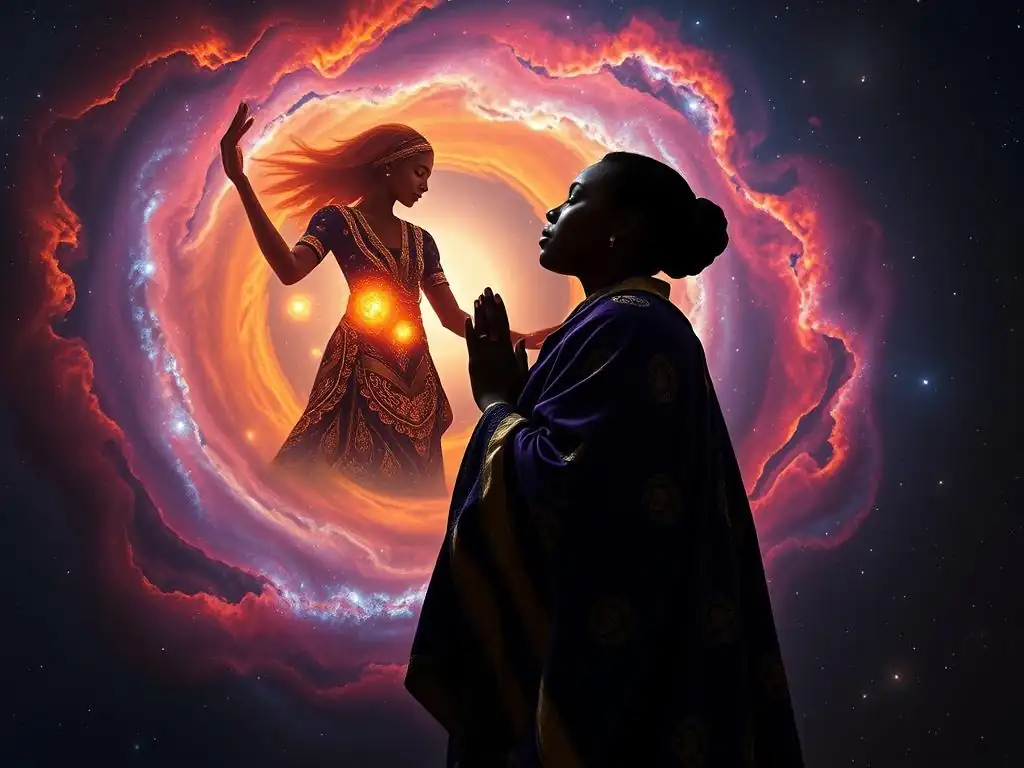
Welcome to Mythology and Legends, where we delve into the captivating world of ancient tales and their enduring legacy. Ever wondered how traditions transcend geographical boundaries, carrying the echoes of the past into the present? Prepare to explore the profound significance of Diaspora ancestor veneration rituals, particularly within African and Caribbean folklore. Unearth the secrets of these powerful practices and discover how they continue to shape identities and connect communities across generations. The journey begins now...
The Significance of Ancestral Connection in Diaspora Communities
For many individuals living in diaspora communities, maintaining a connection to their ancestral homeland and cultural heritage is paramount. This connection often manifests through the veneration of ancestors, a practice deeply embedded in various cultural traditions worldwide, particularly those originating from Africa and the Caribbean. Ancestor veneration in the diaspora serves not merely as a spiritual practice but as a vital link to identity, history, and collective memory in the face of displacement and cultural assimilation pressures. It provides a sense of continuity and belonging, bridging geographical distances and historical ruptures.
The significance of this connection is profound, especially for descendants of enslaved peoples or those who migrated due to political or economic upheaval. In these contexts, ancestral ties represent a source of strength, resilience, and resistance. Honoring ancestors can be seen as an act of reclaiming narratives that were suppressed or erased, preserving cultural practices that were threatened, and asserting identity in environments that often marginalized or denigrated their heritage. The rituals associated with diaspora ancestor veneration rituals reinforce communal bonds and transmit cultural knowledge across generations.
Defining Diaspora: Displacement, Memory, and Cultural Retention
The term "diaspora" refers to a population that has been dispersed from its traditional homeland, often involuntarily, and has settled in various locations around the world. This dispersal is typically characterized by a collective memory of the homeland, a sense of shared identity among the dispersed population, and a commitment to maintaining cultural practices and connections to the ancestral territory. Examples include the African diaspora resulting from the transatlantic slave trade, the Caribbean diaspora spread across North America and Europe, and many others.
Crucially, diaspora is not just about geographical location; it's about the ongoing relationship between the dispersed community and the homeland, mediated through memory, culture, and shared experiences of displacement and adaptation. Cultural retention, including the preservation of religious and spiritual practices like diaspora ancestor veneration rituals, becomes a key strategy for maintaining identity and resisting assimilation in the new environment. These practices evolve, often syncretizing with local traditions, but the core intention of honoring and connecting with ancestors remains central.
The Role of Ritual in Maintaining Ancestral Ties Across Generations
Ritual serves as the primary mechanism through which ancestral ties are maintained and reinforced across generations in diaspora communities. These formalized actions, often involving specific prayers, offerings, songs, and movements, create a structured way to interact with the spiritual realm and honor the deceased. Rituals provide a predictable and meaningful framework for expressing respect, seeking guidance, and acknowledging the continued presence and influence of ancestors in the lives of the living.
Through repeated performance, rituals transmit cultural knowledge, values, and historical narratives from elders to younger generations. A child participating in a libation ceremony or helping to prepare an ancestral altar learns about their family history, their cultural heritage, and the importance of those who came before them. These diaspora ancestor veneration rituals are not static; they adapt to new contexts, incorporating elements from the host culture or evolving in response to changing social dynamics, yet their fundamental role in connecting the past to the present persists.
- The Significance of Ancestral Connection in Diaspora Communities
- Defining Diaspora: Displacement, Memory, and Cultural Retention
- The Role of Ritual in Maintaining Ancestral Ties Across Generations
- How do Diaspora ancestor veneration rituals differ from those practiced in ancestral homelands?
- What are some common elements found in Diaspora ancestor veneration rituals across different cultures?
- Why is Diaspora ancestor veneration important for identity formation and cultural preservation?
- How can Diaspora ancestor veneration rituals be integrated into modern life while respecting ancestral traditions?
- What role does storytelling play in Diaspora ancestor veneration rituals?
African Roots of Diaspora Ancestor Rituals
West African Influences on Diaspora Ancestor Veneration Practices
West Africa is a region with a rich and diverse tapestry of spiritual beliefs, many of which place significant emphasis on the veneration of ancestors. Societies across this vast area, including those of the Yoruba, Igbo, Akan, and Fon peoples, traditionally held strong beliefs in the continued influence and importance of the deceased. Ancestors were often seen as intermediaries between the living and the divine, capable of offering protection, guidance, and blessings. This profound respect for the ancestral realm formed a foundational element carried by enslaved West Africans across the Atlantic.
The specific forms of diaspora ancestor veneration rituals found in the Americas and the Caribbean are heavily influenced by these West African source cultures. Common elements include the belief that ancestors reside in a spirit world but can interact with the living, the practice of making offerings of food, drink, and other items, and the use of drumming, song, and dance to invoke or honor ancestral spirits. While specific names and practices changed, the underlying principles of respect, reciprocity, and reliance on ancestral wisdom persisted.
Examining the Yoruba Concept of "Egungun" and its Diaspora Manifestations
Among the Yoruba people of Nigeria and Benin, the concept of "Egungun" refers to masked figures who embody the spirits of ancestors and return to the community during festivals to offer blessings, resolve disputes, and maintain social order. The Egungun tradition is a vibrant and complex form of ancestor veneration, involving elaborate costumes, drumming, dancing, and specific rituals that facilitate the temporary return of ancestral spirits to the earthly realm. This practice underscores the Yoruba belief that ancestors remain active participants in the lives of the living.
While the full Egungun masquerade tradition did not transplant identically into the diaspora, its core principles of embodying ancestral spirits and their active presence are evident in various diaspora ancestor veneration rituals. In places like Brazil (especially in Candomblé) and Cuba (in Santería), practices exist where initiated individuals may become possessed by ancestral spirits (known by different names like eggun or espíritos), allowing the living to interact directly with their forebears. These manifestations, while adapted, clearly echo the underlying Yoruba belief in the tangible return and influence of ancestors.
Bantu Spiritual Beliefs and their Impact on Diaspora Ancestor Worship
Beyond West Africa, spiritual beliefs from Bantu-speaking regions, particularly Central Africa, also profoundly influenced diaspora ancestor veneration rituals, especially in areas with significant populations from these areas, such as the Congo and Angola. Bantu cosmologies often feature a hierarchy of spiritual beings, with ancestors playing a crucial role as intermediaries between the living and the supreme creator or other deities. The emphasis is often on maintaining balance and harmony with the spirit world, including the realm of the ancestors.
Practices originating from Bantu cultures, such as the veneration of specific ancestral spirits associated with lineage or place, the use of specific objects or altars to represent ancestors, and rituals involving libations and offerings, can be seen in diaspora traditions. For instance, the Palo Monte tradition, which developed among Central African descendants in Cuba and elsewhere, places strong emphasis on working with ancestral spirits and spirits of the dead housed in sacred containers ( nganga). This demonstrates how diverse African spiritual streams converged and adapted to form unique diaspora ancestor veneration rituals.
Caribbean Expressions of Ancestor Veneration
Haitian Vodou: Ancestor Spirits (Lwa) and Ritual Offerings
In Haitian Vodou, ancestor veneration is a cornerstone of spiritual practice. While Vodou is well-known for its pantheon of spirits known as Lwa (who are often syncretized with Catholic saints), many of these Lwa represent archetypal ancestral forces or spirits of the deceased who have achieved a certain spiritual status. However, direct veneration of personal family ancestors is also crucial. The spirits of one's direct lineage are known collectively as the Ginen, representing the ancestral home in Africa and the spiritual source.
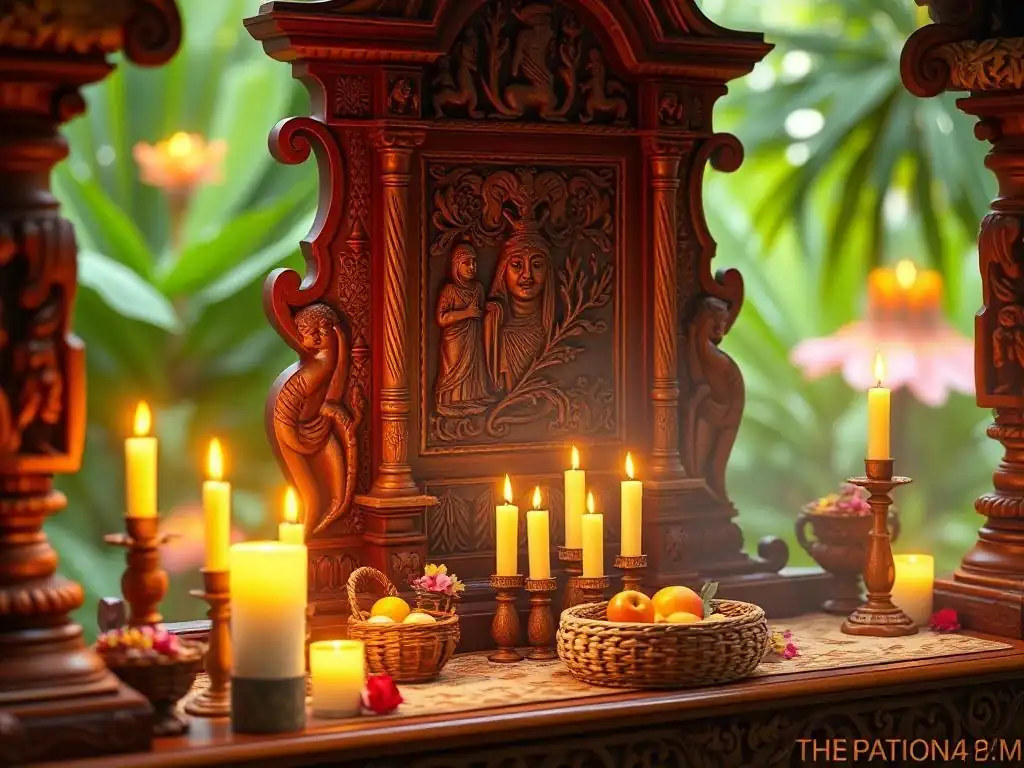
Rituals in Haitian Vodou frequently involve making elaborate offerings to ancestors and Lwa on altars ( poto mitan or specific ancestral altars). These offerings can include specific foods, drinks (like coffee, rum, or water), candles, and personal items. Ceremonies often involve drumming, singing, and dancing, creating an atmosphere conducive to spirit possession, where a Lwa or an ancestral spirit may temporarily inhabit a practitioner's body to communicate with the community. This active engagement with the spirit world is central to diaspora ancestor veneration rituals in Haiti.
Cuban Santería: Honoring the "Eggun" through Ritual and Divination
Cuban Santería, also known as Regla de Ocha, is another prominent Afro-Caribbean religion where diaspora ancestor veneration rituals are fundamental. Before any major ceremony honoring the Orishas (deities of Yoruba origin), practitioners must first pay homage to the Eggun, the spirits of the ancestors and the deceased. The Eggun are considered the foundation upon which the practice rests, as they are the ones who paved the way and passed down the traditions.
Honoring the Eggun involves specific rituals, including setting up an ancestral altar known as a bóveda espirtual (spiritual vault), which typically includes glasses of water, candles, flowers, and photographs or representations of deceased relatives. Daily prayers and offerings are common. Divination practices, such as Ifá or Diloggún (cowrie shell divination), often begin by consulting the Eggun for guidance and permission before addressing the Orishas. These practices underscore the belief that ancestors are always present and influential in the lives of the living, a key aspect of diaspora ancestor veneration rituals.
Jamaican Revivalism: Ancestral Possession and Spiritual Healing
Jamaican Revivalism, a syncretic religion that emerged in the 19th century, blends elements of Protestant Christianity with African spiritual practices, including significant aspects of diaspora ancestor veneration rituals. While it incorporates Christian scripture and concepts, Revivalism places strong emphasis on the activity of spirits, including ancestral spirits, who are believed to communicate with and possess practitioners.
Revivalist ceremonies are known for their intense drumming, singing, dancing, and spirit possession ("trance") sessions. During these sessions, participants may become vehicles for ancestral spirits or other spiritual entities, who may offer messages, guidance, or spiritual healing. Ancestors are often invoked and honored as part of the spiritual hierarchy. The focus on direct spiritual communication and the role of possession in connecting with the spirit world highlights the enduring West and Central African influences on diaspora ancestor veneration rituals in a distinctly Jamaican context.
Diaspora Ancestor Veneration Rituals: A Comparative Analysis
Commonalities in Diaspora Ancestor Rituals: Food Offerings, Drumming, and Spirit Possession
Despite the diverse cultural origins and geographical locations, several common threads run through diaspora ancestor veneration rituals across the Americas and the Caribbean. A near-universal practice is the making of offerings, particularly of food and drink, to nourish and appease the ancestral spirits. Specific items vary by tradition and individual preference, but often include favorite foods of the deceased, water, coffee, rum, or other beverages. These offerings symbolize reciprocity and the continued relationship between the living and the dead.
Another widespread element is the use of rhythm and sound, most notably drumming, singing, and chanting. These sonic elements are believed to create a sacred space, invoke spirits, and facilitate communication between the physical and spiritual realms. The rhythmic intensity can also be instrumental in inducing altered states of consciousness or spirit possession, a phenomenon present in many diaspora traditions like Vodou, Santería, and Revivalism. Possession is seen as a direct way for ancestors or other spirits to interact with the community, offer guidance, or provide healing, making it a powerful component of many diaspora ancestor veneration rituals.
Differences in Diaspora Ancestor Rituals: Influence of Local Context and Syncretism
While commonalities exist, significant differences in diaspora ancestor veneration rituals arise from the unique historical, social, and religious contexts in which they developed. The specific African source cultures that predominated in a given region played a major role; for example, Yoruba influences are stronger in Cuba and Brazil, while Fon and Kongo influences are more pronounced in Haiti. Furthermore, the dominant European colonial powers and their religious institutions (Catholicism, various forms of Protestantism) significantly shaped the syncretic nature of these traditions.
Santería's emphasis on the Orishas alongside Eggun differs from Vodou's focus on Lwa and the Ginen, although both honor ancestors. Revivalism incorporates more overtly Christian elements like biblical scripture alongside African spiritual practices. Local geography, available resources, and interactions with indigenous beliefs (though often less prominent than African and European influences) also contributed to the distinct expressions of diaspora ancestor veneration rituals in different locations.
Adaptation and Evolution of Ancestor Veneration in Diaspora Communities
Diaspora ancestor veneration rituals are not static relics of the past; they are dynamic practices that have continuously adapted and evolved over centuries. This adaptation was initially driven by the need to preserve cultural practices under oppressive conditions, often leading to syncretism with the dominant religions of the host societies as a form of camouflage or integration. For instance, African spirits were often associated with Catholic saints, allowing practitioners to continue venerating their deities and ancestors under the guise of acceptable worship.
In contemporary times, evolution continues as diaspora communities navigate globalization, migration to new locations, and changing social norms. Rituals may be modified to fit urban environments, incorporate modern technology (e.g., online communities discussing practices), or be performed in less public settings due to ongoing stigma or misunderstanding. Younger generations may adapt practices to resonate with their experiences while still honoring the core principles of diaspora ancestor veneration rituals, ensuring their survival and relevance.
The Contemporary Relevance of Diaspora Ancestor Veneration
Ancestor Veneration as a Form of Cultural Resistance
In many diaspora contexts, particularly those born from slavery and colonialism, the practice of diaspora ancestor veneration rituals can be understood as a powerful form of cultural resistance. By maintaining spiritual practices rooted in African traditions, descendants of enslaved peoples asserted their humanity, their connection to a rich heritage, and their refusal to be defined solely by the oppressive systems they endured. Honoring ancestors who survived the Middle Passage and the brutalities of plantation life becomes an act of acknowledging their strength and resilience.
These rituals provide a space where marginalized communities can affirm their identity, language (often incorporating elements of African languages or creoles), music, and worldview, independent of the dominant culture. The spiritual authority derived from ancestral connection offers an alternative source of power and validation outside of colonial or post-colonial structures. Thus, diaspora ancestor veneration rituals are not just religious acts; they are socio-political statements about identity, history, and the enduring spirit of a people.
Reclaiming Identity and Heritage through Ancestral Rituals
For individuals in the diaspora, particularly those who may feel disconnected from their roots due to historical trauma or geographical distance, engaging in diaspora ancestor veneration rituals can be a profound way to reclaim lost or fragmented identity and heritage. Learning about and participating in these practices connects them directly to the beliefs, values, and experiences of their forebears, fostering a deeper understanding of who they are and where they come from.
This process of reclamation is particularly important for younger generations who may be growing up in environments far removed from their ancestral homelands. Participating in rituals, learning the songs, understanding the significance of offerings, and hearing the stories associated with ancestors provides a tangible link to a history that might not be taught in schools or reflected in mainstream culture. It empowers individuals by grounding them in a rich and meaningful lineage through diaspora ancestor veneration rituals.
Engaging in diaspora ancestor veneration rituals offers significant psychological and social benefits for practitioners. Psychologically, the belief in the continued presence and support of ancestors can provide comfort, strength, and a sense of not being alone in facing life's challenges. Seeking guidance from ancestors through prayer or divination can help individuals navigate difficult decisions and find clarity. The rituals themselves can be therapeutic, offering a structured way to process grief, honor memory, and feel connected.
Socially, these practices reinforce community bonds. Rituals are often performed collectively, bringing families and spiritual communities together. This shared participation strengthens social networks, provides mutual support, and transmits cultural knowledge intergenerationally. Community elders often play a central role, passing down knowledge and leading ceremonies, thereby reinforcing social cohesion and respect for lineage. The shared experience of diaspora ancestor veneration rituals fosters a sense of collective identity and belonging.
Honoring the Dead: Practical Examples of Diaspora Rituals
Setting Up an Ancestral Altar: A Step-by-Step Guide
Setting up an ancestral altar is a common practice across many diaspora traditions, serving as a focal point for connecting with the deceased. While specific items vary, a basic altar often includes:
- A dedicated space: Choose a clean, quiet area in your home.
- A surface: A small table, shelf, or even a designated corner on the floor.
- A white cloth: To cover the surface, symbolizing purity and respect.
- Water: Glasses or bowls of fresh water are essential, often seen as nourishing spirits or providing a portal.
- Candles: White candles are common, lit to illuminate the path for spirits and symbolize their presence.
- Offerings: Food (like fruit, bread, or cooked meals), drink (coffee, rum, water), tobacco, or other items the ancestors enjoyed in life.
- Representations: Photographs, personal items of the deceased, or symbolic objects (like stones, shells, or statues).
- Flowers: Fresh flowers add beauty and life to the space.
Maintain the altar by keeping it clean, replenishing water and perishable offerings regularly, and lighting candles when praying or seeking connection. This altar serves as a tangible space for diaspora ancestor veneration rituals.
Libation Rituals: Connecting with Ancestors through Offerings
Libation is another widespread ritual practice involving the pouring of liquid offerings onto the ground or into a designated receptacle while invoking ancestors and spirits. This act is deeply rooted in many African cultures and carried into diaspora ancestor veneration rituals. The liquid, often water, rum, or another culturally significant drink, is poured as a symbolic act of sharing with and nourishing the spirits.
During a libation, the practitioner typically calls out the names of specific ancestors, acknowledges their contributions, and states their intentions (e.g., seeking guidance, offering thanks, asking for blessings). The act of pouring connects the living with the earth, which is often seen as the resting place or pathway for the spirits. It is a simple yet profound way to maintain communication and show respect, reinforcing the continuous bond across the veil between the living and the dead within diaspora ancestor veneration rituals.
Storytelling and Remembrance: Keeping Ancestral Narratives Alive
Beyond formal rituals with altars and offerings, the simple acts of storytelling and remembrance are crucial components of diaspora ancestor veneration. Sharing stories about the lives, struggles, achievements, and wisdom of ancestors keeps their memory alive and transmits their legacy to younger generations. This oral tradition is particularly vital in communities where written historical records may be scarce or biased.
Gatherings for holidays, family reunions, or significant life events often provide opportunities for elders to share these narratives. Looking through old photographs, discussing family history, and recounting anecdotes are informal yet powerful ways of honoring ancestors. These practices ensure that the knowledge, values, and experiences of those who came before continue to influence and inform the lives of the living, reinforcing the cultural fabric woven through diaspora ancestor veneration rituals.
Challenges and Controversies Surrounding Diaspora Ancestor Veneration
Misconceptions and Stereotypes about Diaspora Ancestor Worship
Diaspora ancestor veneration rituals have historically faced significant misunderstanding and negative stereotyping, largely due to colonial biases and lack of accurate information. These practices are often mischaracterized as "witchcraft," "superstition," or even "devil worship" by those outside the tradition, particularly within contexts influenced by Abrahamic religions that may view veneration of anyone other than God as idolatry. Such misconceptions can lead to fear, discrimination, and the marginalization of practitioners.
These stereotypes ignore the deep spiritual significance, ethical frameworks, and communal aspects of ancestor veneration. They fail to recognize it as a legitimate and complex religious practice focused on respect, lineage, and maintaining connection with the spiritual world, rather than malicious intent. Addressing these misconceptions requires education and open dialogue to foster greater understanding and respect for diaspora ancestor veneration rituals.
As interest in African and Afro-Caribbean spiritualities grows, navigating issues of cultural appropriation and ensuring respectful engagement becomes increasingly important. Elements of diaspora ancestor veneration rituals, such as altar setups, use of specific symbols, or even the concept of ancestor veneration itself, can sometimes be taken out of context or adopted superficially by individuals outside the cultural lineage without understanding their deep meaning or historical context.
Respectful engagement involves approaching these traditions with humility, seeking knowledge from within the community, and understanding that certain practices may be closed to non-initiates or those outside the specific lineage. It means recognizing the historical trauma associated with the suppression of these practices and supporting the communities who have preserved them. Engaging respectfully with diaspora ancestor veneration rituals requires acknowledging their sacredness and avoiding commodification or trivialization.
The Future of Diaspora Ancestor Veneration in a Globalized World
The future of diaspora ancestor veneration rituals in a rapidly globalizing world presents both opportunities and challenges. Increased connectivity allows for easier communication and sharing of knowledge among diaspora communities worldwide, potentially strengthening practices and fostering a sense of global community among practitioners. Technology can also facilitate the transmission of rituals and stories to younger generations who may live far from traditional centers.
However, globalization also brings challenges, including the potential for further cultural appropriation, the influence of secularism, and the difficulty of maintaining traditional practices in fast-paced, modern environments. The ongoing work of elders and cultural leaders in adapting traditions while preserving their core integrity is crucial. Ensuring the respectful transmission of knowledge and the recognition of the value of these practices will be key to the continued vitality of diaspora ancestor veneration rituals.
Preserving and Promoting Diaspora Ancestral Heritage
Community Initiatives and Educational Programs
Preserving and promoting diaspora ancestor veneration rituals requires dedicated efforts from within the communities themselves. Community-led initiatives, such as cultural centers, spiritual houses, and lineage groups, play a vital role in organizing ceremonies, teaching younger generations, and providing a space for collective practice. These initiatives often serve as repositories of traditional knowledge and provide support for practitioners.
Educational programs, both formal and informal, are also essential. This can include workshops on setting up altars, classes on the history and philosophy of specific traditions, or programs that teach the songs and rhythms associated with rituals. By actively teaching and sharing these practices, communities ensure that the knowledge and importance of diaspora ancestor veneration rituals are not lost but are passed down and adapted for the future.
Utilizing Technology to Connect with Ancestral Roots
In the 21st century, technology offers new avenues for connecting with ancestral roots and promoting diaspora ancestor veneration rituals. Online forums, social media groups, and dedicated websites allow practitioners from different geographical locations to connect, share information, and find support. Digital archives can help preserve historical documents, photographs, and oral histories related to ancestral lineages and spiritual practices.
Video conferencing can enable participation in ceremonies or learning sessions across distances. While not a replacement for in-person communal practice, technology can supplement traditional methods, making knowledge more accessible and fostering a sense of connection among a dispersed diaspora. Utilizing these tools effectively can help bridge geographical gaps and strengthen the global network of individuals engaged in diaspora ancestor veneration rituals.
The Importance of Intergenerational Transmission of Knowledge
The continued vitality of diaspora ancestor veneration rituals hinges significantly on the successful transmission of knowledge from older to younger generations. Elders hold invaluable wisdom regarding the nuances of rituals, the stories of specific ancestors, and the ethical principles underpinning the practices. Creating intentional spaces and opportunities for this intergenerational exchange is paramount.
This transmission occurs through direct participation in rituals, storytelling sessions, apprenticeships within spiritual houses, and informal teaching moments within families. Encouraging youth to ask questions, engage with their elders, and take an active role in ceremonies fosters a sense of ownership and continuity. Without this dedicated effort, the intricate details and profound meanings of diaspora ancestor veneration rituals risk being diluted or lost over time.
Conclusion: The Enduring Power of Ancestral Connection in the Diaspora
Frequently Asked Questions
How do Diaspora ancestor veneration rituals differ from those practiced in ancestral homelands?
Diaspora rituals often adapt and reinterpret ancestral practices due to geographic separation and cultural assimilation. These adaptations may involve incorporating new symbols or modifying existing ceremonies.
What are some common elements found in Diaspora ancestor veneration rituals across different cultures?
Despite cultural differences, many share core elements: offering food and drink, reciting prayers or stories, and maintaining a connection to lineage through memory and oral tradition.
Why is Diaspora ancestor veneration important for identity formation and cultural preservation?
It provides a tangible link to heritage, fostering a sense of belonging and continuity for individuals and communities who are displaced from their ancestral lands. This helps maintain cultural identity across generations.
How can Diaspora ancestor veneration rituals be integrated into modern life while respecting ancestral traditions?
It involves finding meaningful ways to honor ancestors within contemporary contexts, such as incorporating rituals into family gatherings, creating memorial spaces, or using digital platforms to share stories and connect with descendants.
What role does storytelling play in Diaspora ancestor veneration rituals?
Storytelling is crucial for transmitting knowledge, values, and cultural memory across generations. It ensures that the ancestors' legacies are remembered and their stories continue to inspire the living.
Final Reflection: Echoes Across Generations, A Legacy of Remembrance
The enduring power of ancestral veneration in diaspora communities resonates deeply with contemporary anxieties about belonging and identity. In a world increasingly defined by global migration and cultural hybridity, the practices explored in this article offer a potent antidote to feelings of displacement and rootlessness. These rituals are not merely historical relics; they are living, breathing connections to a past that continues to shape our present and future.
The act of remembering, of honoring those who came before, provides a powerful sense of continuity and belonging, especially for those navigating the complexities of life far from their ancestral homelands. This connection transcends geographical boundaries, forging a spiritual lineage that strengthens individual identity and fosters a sense of collective responsibility. The dead are never truly gone as long as they are remembered.
This simple truth underscores the profound significance of these traditions, offering solace and strength in the face of adversity and reminding us of the enduring power of shared heritage.
Consider the ways in which you honor your ancestors, both near and far. Perhaps it's through storytelling, the preservation of family recipes, or the active participation in cultural traditions. Embrace these practices, for they are not simply rituals, but powerful acts of love, remembrance, and the creation of a lasting legacy. Let the echoes of your ancestors' lives inspire you to build a future worthy of their sacrifices and dreams, a future where the threads of heritage are woven into the fabric of a vibrant and meaningful life.
Unleash Your Ancestral Legacy: Connect with Your Roots
Thanks for exploring the rich tapestry of ancestral remembrance in diaspora traditions! We hope you gained a deeper understanding of the powerful connections that bind us across generations and continents. Now it's time to take action and honor your heritage.
- Craft a personalized ancestral tribute: Whether it's a small ritual, a written reflection, or a piece of art inspired by your family history, let your creativity guide you in honoring your ancestors. This is the heart of connecting with your lineage.
- Share your family's unique traditions: Tell us about your family's customs for remembering ancestors. What stories have been passed down? What are the significant rituals or practices? Share your insights in the comments below!
- Explore further: Delve deeper into the specific traditions mentioned in the article that resonated with you. Research online, speak with family elders, or visit cultural centers for a richer understanding.
What unique ancestral tradition or story would you like to share with our community, and how might it inspire others to connect with their own heritage?