
Marie Laveau: The Voodoo Queen of New Orleans and Her Influence
Welcome to Mythology and Legends, where ancient stories come to life.
Dare to delve into the enigmatic world of Marie Laveau, the Voodoo Queen of New Orleans? Unravel the myths and truths surrounding her powerful legacy, and discover how her influence continues to resonate within African and Caribbean folklore – and beyond. Prepare to be captivated by the tale of a woman whose name is synonymous with magic, mystery, and the vibrant soul of the Crescent City. The secrets await...
- Introduction to Marie Laveau and New Orleans Voodoo
- Marie Laveau's Rise to Power as the Voodoo Queen
- The Core Practices and Beliefs of Laveau's Voodoo
- Marie Laveau's Daughters and Successors: Continuing the Tradition
- The Legend and Folklore Surrounding Marie Laveau
- Marie Laveau's Impact on New Orleans Culture and Spirituality
- Understanding Voodoo: Separating Fact from Fiction
- The Lasting Legacy of Marie Laveau: A Reflection
- Conclusion: Honoring the Voodoo Queen of New Orleans.
-
Frequently Asked Questions
- What made Marie Laveau such a significant figure in New Orleans history?
- How did Marie Laveau’s Voodoo practice differ from traditional African Voodoo?
- What kind of influence did Marie Laveau wield in New Orleans society?
- Is there a definitive historical record of Marie Laveau's life, or is it mostly based on legends?
- How does the legacy of Marie Laveau continue to impact New Orleans culture today?
- Final Reflection: The Enduring Legacy of Marie Laveau
- Unveil the Secrets of Marie Laveau: Dive Deeper into New Orleans Voodoo!
Introduction to Marie Laveau and New Orleans Voodoo
The Historical Context of Slavery and Religious Syncretism in New Orleans
New Orleans in the 18th and 19th centuries was a melting pot of cultures, heavily shaped by its history under French and Spanish colonial rule before becoming part of the United States in 1803. This period was defined by the brutal institution of slavery, which brought large populations of enslaved people from various parts of West and Central Africa, particularly the Kingdom of Kongo and areas that practiced Vodun traditions.
Unlike some other American colonies, New Orleans had a more fluid, though still deeply unequal, social structure that included a significant population of free people of color ( gens de couleur libres). This unique demographic landscape, combined with the dominant Roman Catholicism of the colonizers, created fertile ground for religious syncretism.
Enslaved individuals and free people of color found ways to preserve and adapt their ancestral spiritual practices by blending them with elements of Catholicism, creating a distinct New Orleans Voodoo tradition.
This syncretic process was not merely a superficial overlay but a complex integration of beliefs, rituals, and iconography. African deities and spirits (known as loa or lwa) were often associated with Catholic saints, allowing practitioners to maintain their veneration under the guise of acceptable worship. For example, the Kongo spirit of healing and fertility, La Sirène, might be linked to the Virgin Mary, or the spirit of crossroads, Papa Legba, to Saint Peter.
This blending provided a vital means of cultural resistance and survival for enslaved people, offering a sense of community, spiritual solace, and empowerment in the face of immense hardship. The vibrant, yet often clandestine, practice of Voodoo became an integral part of the spiritual and social fabric of early New Orleans, providing a foundation upon which figures like Marie Laveau would later build their influence.
Who Was Marie Laveau? A Biographical Overview Based on Historical Records
Marie Catherine Laveau was born in the French Quarter of New Orleans on September 10, 1801, a free woman of color. Her mother, Marguerite Henry Darcantel, was also a free woman of color, and her father, Charles Laveaux, was a white Creole planter. Historical records, including census data and church documents, confirm her birth date and parentage.
Details about her early life are somewhat sparse, but it is known she married Jacques Paris, a free man of color from Saint-Domingue (now Haiti), in 1819. He reportedly died or disappeared shortly after, around 1820. Marie Laveau then entered a long-term relationship with Christophe Dominick Duminy de Glapion, a white Creole man, with whom she had numerous children over several decades.
While many accounts of Marie Laveau's life are intertwined with legend, historical documents portray her as a prominent businesswoman and community figure. She was primarily known as a hairdresser, a profession that gave her access to the homes and private lives of wealthy white families in New Orleans. This access was crucial, allowing her to gather information and build a network that extended across social classes. Beyond her hairdressing work, she was also involved in real estate, purchasing property in the French Quarter.
Her public persona as a Voodoo practitioner developed later, becoming the defining aspect of her historical and legendary image. She lived a long life, dying on June 15, 1881, and was buried in the Laveau-Glapion family crypt in St. Louis Cemetery No. 1, which remains a significant site associated with her legacy.
Marie Laveau: A Blending of African, Catholic, and Native American Influences
The unique expression of Marie Laveau's Voodoo in New Orleans is a prime example of profound cultural and religious syncretism, drawing deeply from African spiritual traditions, Roman Catholicism, and, to some extent, Native American beliefs prevalent in the region. From African roots, particularly Fon, Kongo, and Yoruba influences brought by enslaved people, came the concept of a supreme creator god (often associated with the Catholic God), the veneration of spirits or deities ( loa), ancestor worship, and the use of drumming, dance, and spirit possession in rituals.
The Catholic influence is evident in the use of Catholic saints' names for loa, the incorporation of Catholic prayers and rituals like the sign of the cross, the use of holy water, and the veneration of Mary and Jesus.
Marie Laveau herself was a devout Catholic, attending Mass regularly at St. Louis Cathedral, and this dual practice was common among New Orleans Voodoo adherents.
Furthermore, elements of Native American herbalism and connection to the local landscape likely contributed to the practices. Indigenous peoples in the Louisiana territory had their own healing traditions and knowledge of local plants. While less documented than the African and Catholic influences, the use of specific herbs and roots in Voodoo remedies and rituals suggests some level of exchange or adaptation within the New Orleans environment.
Marie Laveau's expertise in herbalism, widely acknowledged in historical accounts, could have integrated knowledge from multiple sources available in the diverse community. This complex layering of spiritual traditions created the distinctive flavor of Marie Laveau's Voodoo in New Orleans, a system that was deeply rooted in the experiences and resilience of its practitioners, offering spiritual, social, and even practical support.
Marie Laveau's Rise to Power as the Voodoo Queen
Laveau's Early Life and Family History in New Orleans
Marie Catherine Laveau's beginnings were in a New Orleans that was undergoing significant demographic and political shifts. Born a free woman of color in 1801, she inherited a unique position within the city's complex social hierarchy. Her maternal lineage traced back through generations of free people of color, a status that afforded certain, albeit limited, freedoms and opportunities compared to the enslaved population.
Her father, Charles Laveaux, a white man of French descent, further complicated her place in a society rigidly structured by race, though his recognition of her and her mother provided some level of status and perhaps limited financial support. Her marriage to Jacques Paris in 1819 connected her briefly to the influx of free people of color arriving from the Haitian Revolution, a group that brought with them strong African spiritual traditions.
Following the disappearance or death of Jacques Paris, Marie Laveau formed a partnership with Christophe Dominick Duminy de Glapion, a relationship that lasted until his death in the 1850s. Together, they had numerous children, many of whom did not survive to adulthood, a common tragedy in that era. This personal experience with loss and survival likely informed her spiritual practices and her role as a comforter and healer within the community.
Her family life, while not extensively detailed in historical records beyond census counts, placed her firmly within the network of free people of color and connected her indirectly to the white elite through Glapion and her own profession. This foundational period established her social standing and provided the initial connections she would later leverage to build her influence as the most famous practitioner of Marie Laveau Voodoo in New Orleans.
Establishing Her Influence: Herbalism, Midwifery, and Community Support
Marie Laveau's ascent to prominence was built on a foundation of practical skills and deep community engagement, long before she was widely known as the "Voodoo Queen." She was a skilled hairdresser, a profession that served the wealthy white women of New Orleans. This provided her with a unique vantage point into the private lives and concerns of the city's elite, offering insights she could later use.
More critically, she was also known for her expertise in herbalism and traditional healing. Drawing upon African, Caribbean, and possibly Native American knowledge of local plants and remedies, she provided medical care and comfort to people across racial and social lines, particularly within the free and enslaved communities who had limited access to formal healthcare.
Beyond herbal healing, Marie Laveau was also believed to have served as a midwife. In a time of high infant and maternal mortality, midwives held crucial roles in communities. Her presence at births and her knowledge of traditional medicine would have solidified her reputation as a caregiver and a trusted figure.
Furthermore, she was known for her acts of charity, visiting prisoners, providing aid to the poor and sick, and reportedly even using her influence to help enslaved people and those facing legal troubles. This multifaceted approach – combining practical skills, healing knowledge, and charitable work – earned her widespread respect and loyalty. Her network of clients and beneficiaries, spanning from enslaved field hands to wealthy plantation mistresses, provided an unparalleled base of support and information, essential components of her growing influence and the mystique surrounding Marie Laveau Voodoo in New Orleans.
Marie Laveau's Public Performances and Ceremonies in Congo Square
While much of Marie Laveau's influence was built through private consultations and community work, her public profile was significantly elevated by the ceremonies held in Congo Square. Located on the edge of the French Quarter, Congo Square was a designated area where enslaved and free people of color were traditionally allowed to gather on Sundays. These gatherings were vital for preserving African cultural traditions, featuring drumming, dancing, and market activities.
Over time, Congo Square became a known, though often sensationalized by outsiders, site for public Voodoo rituals. Marie Laveau is historically associated with leading some of the most prominent of these ceremonies, particularly large gatherings held around St. John's Eve (June 23rd), a date with historical ties to both European solstice celebrations and African spiritual practices.
These public performances were elaborate affairs, often involving drumming, singing, dancing, and the invocation of spirits. While historical accounts from the time are often colored by prejudice and exaggeration, they describe large crowds gathering to witness Marie Laveau preside over these events.
These ceremonies served multiple purposes: they were powerful expressions of cultural identity and spiritual devotion for the participants, demonstrations of Marie Laveau's spiritual authority, and spectacles that both fascinated and frightened the wider New Orleans population. By leading these highly visible rituals, Marie Laveau solidified her reputation as the preeminent Voodoo Queen of New Orleans, a figure of immense spiritual power and community leadership, capable of commanding respect and attention in a segregated society.
The Core Practices and Beliefs of Laveau's Voodoo
The Importance of Loa and Ancestral Veneration in New Orleans Voodoo
At the heart of Marie Laveau's Voodoo, as with other Voudou traditions, lies the veneration of the loa (or lwa), spiritual entities that serve as intermediaries between humanity and the distant, unknowable supreme creator god. These loa are powerful spirits associated with various aspects of life – love, death, justice, healing, crossroads, and more. Practitioners seek to communicate with and gain favor from the loa through rituals, offerings, prayers, and sometimes spirit possession, asking for guidance, protection, or assistance with earthly matters.
In New Orleans Voodoo, these loa were often syncretized with Catholic saints, creating a unique pantheon where, for example, Papa Legba, the opener of gates, might be associated with Saint Peter, or Erzulie Freda, the spirit of love and beauty, with the Virgin Mary. This blending allowed for worship to continue under the watchful, often disapproving, eyes of the dominant Catholic society.
Equally central to the practice is the veneration of ancestors. Respect for and communication with the spirits of deceased family members and community elders are fundamental. Ancestors are seen as guides and protectors, holding wisdom and influence in the spiritual realm that can benefit the living.
Altars are often set up in homes, dedicated to specific loa and departed ancestors, adorned with candles, food offerings, personal mementos, and images of saints. Rituals involving drumming, chanting, and calling out the names of ancestors are performed to honor them and seek their intercession. This dual focus on both the powerful loa and the intimate connection with ancestral spirits provided practitioners of Marie Laveau Voodoo in New Orleans with a comprehensive spiritual framework for navigating the challenges of their lives.
Marie Laveau's Herbal Remedies and Traditional Healing Practices
Marie Laveau was renowned throughout New Orleans for her extensive knowledge of herbalism and traditional healing, a skill set that significantly contributed to her influence and reputation. Drawing upon a blend of African, Caribbean, and local botanical knowledge, she prepared and dispensed a wide array of poultices, teas, baths, and other remedies made from roots, leaves, barks, and other natural ingredients.
These remedies were sought after by people from all walks of life, including both the poor who couldn't afford formal medical care and members of the wealthy elite who trusted her knowledge more than that of conventional doctors of the time, whose practices were often rudimentary and ineffective against common ailments like yellow fever and cholera that plagued the city.
Her healing practice was not purely pharmacological; it was deeply intertwined with spiritual beliefs and rituals. A healing remedy might be accompanied by specific prayers, incantations, or the creation of protective amulets ( gris-gris). The belief in the spiritual causes of illness was common, and Marie Laveau's approach addressed both the physical symptoms and the perceived spiritual imbalance.
She was known to treat a variety of conditions, from common colds and fevers to more serious illnesses, as well as providing assistance with issues like fertility, childbirth (as a likely midwife), and emotional distress. Her success in these areas, coupled with her compassionate approach to the sick and suffering, solidified her image not just as a spiritual leader but as a vital community healer, making her services indispensable to many families in New Orleans.
Gris-Gris and Amulets: Protection and Spiritual Empowerment
A prominent element within Marie Laveau's Voodoo practice was the creation and use of gris-gris (pronounced "gree-gree"), small bags or packets containing various symbolic ingredients intended for specific purposes. These powerful amulets were central to the practice of influencing outcomes, offering protection, attracting love or luck, or warding off negative energy or ill will.
A typical gris-gris bag might contain a combination of herbs, roots, stones, bones, graveyard dirt, coins, pieces of cloth, or other personal items, each chosen for its specific symbolic meaning and spiritual properties. The preparation of a gris-gris was often a ritualistic act, involving prayers or incantations to imbue the object with spiritual power.
Marie Laveau was particularly famous for her mastery in creating and distributing gris-gris bags and other charms. Clients would seek her out for personalized amulets tailored to their specific needs, whether it was protection during travel, success in business, influence in legal matters, or attracting a lover. These items were not merely passive objects; they were believed to be active agents of spiritual energy, requiring faith and sometimes specific actions from the owner to be effective.
The widespread use of gris-gris underscores the pragmatic aspect of New Orleans Voodoo – its focus on addressing the practical concerns and desires of everyday life through spiritual means. Marie Laveau's reputation as a powerful maker of effective gris-gris further cemented her status as the leading figure in Marie Laveau Voodoo in New Orleans.
Marie Laveau's Daughters and Successors: Continuing the Tradition
Marie Laveau II: Continuing and Adapting the Voodoo Tradition
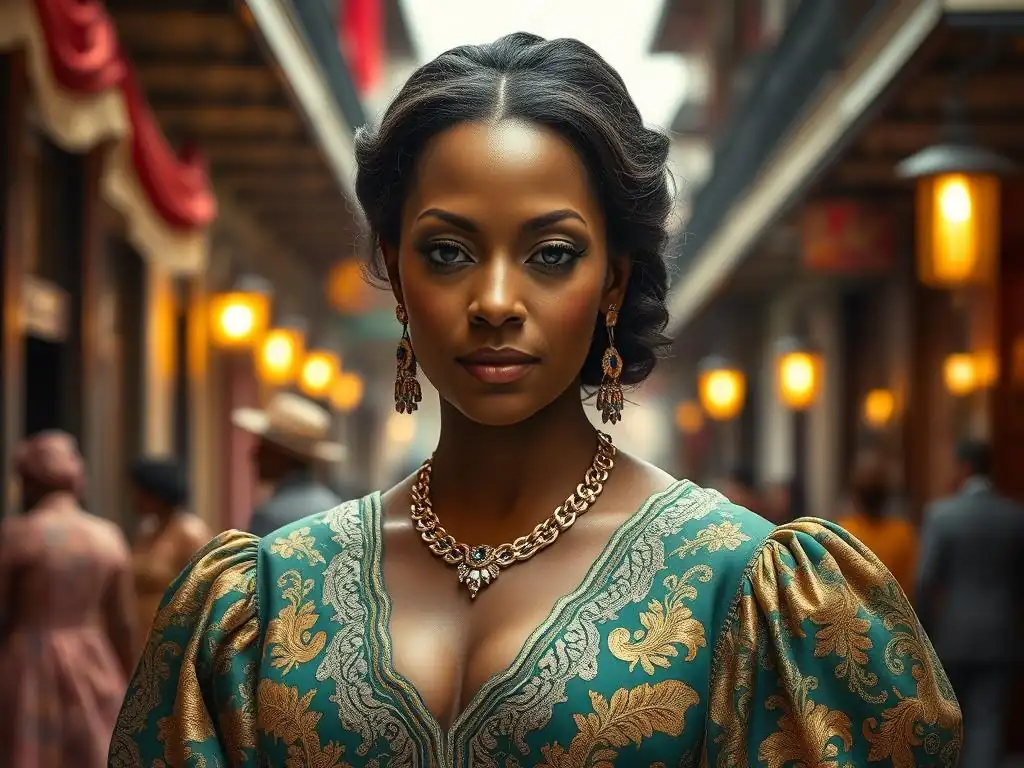
The legacy of Marie Laveau's Voodoo in New Orleans was significantly carried forward by her daughter, also named Marie Laveau (often referred to as Marie Laveau II). Born around 1827, Marie Laveau II grew up immersed in her mother's world of Voodoo practice, community leadership, and social navigation.
While historical records about her are less extensive than those concerning her famous mother, accounts from the late 19th century indicate that she took on a prominent role in the New Orleans Voodoo community following her mother's death in 1881. She continued many of the core practices, including leading ceremonies, providing consultations, and maintaining a presence at significant Voodoo sites like Bayou St. John.
However, the social and political landscape of New Orleans was changing rapidly in the late 19th century. The post-Reconstruction era saw increasing racial segregation and a crackdown on public expressions of African-derived culture. Marie Laveau II faced greater challenges than her mother in openly practicing Voodoo.
While she maintained her mother's reputation for spiritual power, her practice may have adapted to the changing times, perhaps becoming more discreet or focusing on different aspects. She continued to be a recognized figure in the Voodoo community until her reported death around 1897 or 1909 (dates vary in different accounts), ensuring that the name and tradition of Marie Laveau remained synonymous with Voodoo in New Orleans for another generation.
Distinguishing Between the Historical Records of Marie Laveau I and II
Separating the historical records of Marie Laveau I and her daughter, Marie Laveau II, has proven to be a significant challenge for historians and researchers. Both women were prominent Voodoo practitioners in New Orleans, bore the same name, and were active in overlapping periods or sequentially, leading to confusion and the merging of their lives and deeds in popular legend. Marie Laveau I's public career as the "Voodoo Queen" peaked in the mid-19th century, particularly in the decades leading up to the Civil War. Her death is generally accepted as occurring in 1881.
Marie Laveau II became more publicly visible as a Voodoo leader in the years after 1881. Newspaper accounts and visitor descriptions from the late 1880s and 1890s often refer to a "Voodoo Queen" who was clearly younger than Marie Laveau I would have been, and these accounts are now largely attributed to the daughter.
Legends and folklore, however, frequently conflate the two women, attributing acts performed by the daughter to the more famous mother, or suggesting an impossibly long lifespan for a single Marie Laveau who reigned as Voodoo Queen for most of the 19th century. Careful examination of census data, death records, and contemporary newspaper reports is necessary to discern the distinct activities and timelines of Marie Laveau I and Marie Laveau II, a crucial step in understanding the true history of Marie Laveau Voodoo in New Orleans.
The Challenges of Maintaining Voodoo Practices in the Face of Prejudice
Maintaining Voodoo practices in New Orleans, both during Marie Laveau's time and after, was fraught with challenges stemming from societal prejudice and legal restrictions. From the colonial era, African-derived spiritual practices were viewed with suspicion and fear by white authorities, often associated with rebellion and sorcery.
While New Orleans had periods of relative tolerance compared to other Southern regions, particularly under French and Spanish rule and during the antebellum period when Marie Laveau I was active, Voodoo was never fully accepted. Public ceremonies, though tolerated in designated areas like Congo Square for a time, were often sensationalized and condemned by the press and religious authorities.
Following the Civil War and through the late 19th and 20th centuries, increased racial tensions and stricter segregation laws created a more hostile environment for Voodoo practitioners. Public Voodoo gatherings were increasingly suppressed by police. The practice was often criminalized under laws against fortune-telling or disorderly conduct.
Practitioners faced social ostracism, accusations of witchcraft, and even violence. Despite these pressures, the tradition persisted, often moving further underground, practiced in private homes or more secluded locations. The ability of figures like Marie Laveau I and II to navigate this hostile environment, maintaining their practices and influence while often outwardly conforming to societal expectations (like attending Catholic Mass), demonstrates the resilience and adaptability of Marie Laveau Voodoo in New Orleans.
The Legend and Folklore Surrounding Marie Laveau
Marie Laveau's Tomb in St. Louis Cemetery No. 1: Myths and Realities
Perhaps the most enduring physical link to Marie Laveau is her tomb in St. Louis Cemetery No. 1, a historic above-ground cemetery in New Orleans. The tomb, a simple, whitewashed structure, is officially the Glapion family crypt, where Marie Laveau (Marie Catherine Laveau) was interred after her death in 1881.
While the historical fact of her burial there is well-documented, the tomb has become the focal point of numerous myths and legends surrounding her spiritual power. One of the most famous rituals associated with the tomb involves visitors making three X's on the side of the tomb, turning around three times, and knocking on the tomb, supposedly to gain a wish or receive assistance from Marie Laveau's spirit.
The reality is that while the tomb is indeed her final resting place, the practice of marking X's is a relatively recent phenomenon, likely originating in the mid-to-late 20th century, and is strongly discouraged by cemetery preservationists due to the damage it causes to the historic brickwork. Authentic New Orleans Voodoo traditions do involve visiting the graves of ancestors and spiritual figures to pay respects and seek guidance, but the specific "three X's" ritual is more a product of modern folklore and tourism than historical practice.
Nevertheless, the tomb remains a powerful symbol, drawing thousands of visitors annually who come to pay homage to the Voodoo Queen and connect with the mystique of Marie Laveau Voodoo in New Orleans.
The Rituals and Beliefs Associated with Laveau's Grave
While the "three X's" ritual is a popular, albeit historically inaccurate, practice at the Glapion tomb, traditional Voodoo beliefs and rituals associated with ancestral graves focus more on respectful veneration and communication. In New Orleans Voodoo, as in many African-derived traditions, cemeteries are seen as sacred spaces, liminal zones where the veil between the living and the spirit world is thin.
Visiting the grave of a revered figure like Marie Laveau is akin to visiting a powerful ancestor or a place where a powerful spirit resides. Practitioners might bring offerings such as flowers, candles, coins, food, or specific items associated with the loa or the deceased.
The purpose of visiting the grave is to honor Marie Laveau, seek her spiritual counsel, ask for blessings, or request intervention in specific matters. Rituals might involve quiet prayer, meditation, leaving offerings, or sometimes more elaborate ceremonies depending on the practitioner and their needs.
The belief is that Marie Laveau's spirit, having been a powerful spiritual leader in life, continues to hold influence in the afterlife and can intercede on behalf of those who approach her respectfully. This ongoing interaction with her spirit at her final resting place is a testament to her enduring significance in the spiritual landscape of Marie Laveau Voodoo in New Orleans.
Marie Laveau in Popular Culture: From Historical Figure to Fictional Character
Marie Laveau's compelling life story and the mystique surrounding her Voodoo practices have made her a frequent subject in popular culture, often blurring the lines between historical reality and fictional portrayal. From the late 19th century onwards, her image began to appear in sensationalized newspaper articles, dime novels, and travelogues that often depicted Voodoo in a lurid and inaccurate light. Over time, she has been featured in numerous works of fiction, including novels, plays, and television series, where she is typically portrayed as a powerful, often enigmatic, figure possessing supernatural abilities.
Notable examples include her appearance in Anne Rice's Vampire Chronicles series, where she is depicted as an ancient and powerful witch, and in the television series American Horror Story: Coven, where she is portrayed by Angela Bassett as an immortal Voodoo priestess. While these fictional representations have introduced Marie Laveau to a global audience, they often prioritize dramatic effect over historical accuracy, contributing to common misconceptions about Voodoo as a practice solely focused on curses and dark magic.
Nevertheless, her consistent presence in popular media underscores her status as an iconic figure, a symbol of New Orleans' unique cultural heritage and the enduring fascination with Marie Laveau Voodoo in New Orleans.
Marie Laveau's Impact on New Orleans Culture and Spirituality
The Enduring Influence of Voodoo on New Orleans Music, Art, and Cuisine
The spiritual traditions associated with Marie Laveau Voodoo in New Orleans have exerted a subtle yet pervasive influence on the city's broader cultural expressions, extending far beyond religious practice. In music, the rhythms and calls associated with Voodoo ceremonies, particularly drumming and chanting, are believed to have contributed to the development of early jazz and other New Orleans musical forms. The use of specific percussive patterns and the concept of call-and-response singing found in Voodoo rituals share common roots with the musical structures that emerged from the African American community in the city.
In art, Voodoo symbolism, including depictions of loa, spiritual vevés (symbols drawn on the ground to invoke spirits), and ceremonial objects, has inspired numerous local artists. These visual elements appear in paintings, sculptures, and folk art, reflecting the deep spiritual undercurrents of the city. Even in cuisine, while less direct, the blending of African, Caribbean, and European influences in New Orleans food mirrors the syncretic nature of Voodoo itself.
Ingredients and cooking techniques brought by enslaved people from Africa and the Caribbean formed the basis of many iconic dishes, and the sharing of food is often a central component of Voodoo ceremonies and community gatherings. This intermingling of spiritual practice and daily life demonstrates the profound way Marie Laveau Voodoo in New Orleans has shaped the city's unique cultural identity.
Marie Laveau as a Symbol of Female Leadership and Cultural Resilience
Marie Laveau stands as a powerful symbol of female leadership and cultural resilience, particularly within the context of 19th-century New Orleans. In a society that afforded limited power to women, especially women of color, Marie Laveau built an empire of influence based on her spiritual authority, practical skills, and extensive social network. She commanded respect from people across racial and class lines, a remarkable achievement in a deeply segregated era. Her ability to navigate complex social dynamics, maintaining ties with both the enslaved community and the white elite, allowed her to operate effectively and protect her followers.
Her life also embodies the resilience of African culture and spirituality in the face of oppression. Despite attempts by the dominant society to suppress or eradicate Voodoo, Marie Laveau not only kept the traditions alive but elevated them to a position of public prominence and respect, albeit mingled with fear and fascination.
She adapted the practices, incorporating elements of Catholicism and maintaining a public persona that allowed her to thrive. As a free woman of color who achieved significant power and autonomy, Marie Laveau remains an inspiring figure, representing the strength and perseverance required to preserve cultural heritage and exercise leadership in a hostile environment, embodying the spirit of Marie Laveau Voodoo in New Orleans.
Voodoo Tourism and the Representation of Marie Laveau's Legacy
The enduring fascination with Marie Laveau has fueled a significant Voodoo tourism industry in New Orleans, centered around sites associated with her life and practice, such as her tomb in St. Louis Cemetery No. 1 and various Voodoo shops in the French Quarter.
This tourism has played a role in keeping her name and Voodoo in the public consciousness, but it also presents complex challenges regarding the representation of her legacy and the Voodoo tradition itself. Many tourist-oriented portrayals of Voodoo focus on sensationalized or stereotypical aspects, often emphasizing curses, dolls, and dark magic, which misrepresents the religion's true nature as a complex spiritual system focused on healing, community, and connection with the spirit world.
While some Voodoo shops and tours are operated by genuine practitioners or those with deep knowledge of the tradition, others cater to a desire for exoticism and the macabre, perpetuating harmful stereotypes. This commercialization can sometimes overshadow the serious religious practice and the historical context of Voodoo as a path of resilience and empowerment for marginalized communities. Balancing the economic benefits of tourism with the need for respectful and accurate representation of Marie Laveau and Marie Laveau Voodoo in New Orleans remains an ongoing challenge for the city and its Voodoo practitioners.
Understanding Voodoo: Separating Fact from Fiction
Addressing Common Misconceptions About Voodoo Practices
Popular culture and historical prejudice have unfortunately fostered numerous misconceptions about Voodoo, often portraying it as a form of black magic focused on harm, curses, and the use of "voodoo dolls" for malevolent purposes. This is a gross misrepresentation of Voodoo as a genuine religious system.
While some practitioners may historically have been sought out for hexes or curses, this is not a central or defining aspect of the faith, much like not all practitioners of other religions engage in harmful acts despite the existence of such possibilities. The vast majority of Voodoo practice is dedicated to healing, seeking guidance from spirits, protection from harm, fostering community well-being, and addressing the practical needs of life through spiritual means.
Another common misconception is that Voodoo is monolithic, when in reality, it encompasses various traditions (like Haitian Vodou, Louisiana Voodoo, and West African Vodun) that share common roots but have developed distinct practices and beliefs based on their historical and cultural contexts. The "voodoo doll" itself is often portrayed inaccurately; while effigies have been used in various magical traditions globally, including some forms of Voodoo, they are not typically used for sticking pins to cause harm in the way depicted in movies.
More often, effigies are used in sympathetic magic for healing, attracting love, or representing a person for prayer or spiritual work. Correcting these pervasive myths is essential to understanding the actual nature of Marie Laveau Voodoo in New Orleans and Voodoo traditions worldwide.
The Reality of Voodoo: A Complex Religious System
In reality, Voodoo is a complex and legitimate religious system with a rich theology, cosmology, and set of practices. It is centered around the veneration of a supreme creator god (Bondye in Haitian Vodou, often associated with the Catholic God in New Orleans Voodoo), who is distant and does not directly interact with humans. Communication and interaction occur through the loa (spirits or deities) and revered ancestors.
These spirits govern various aspects of existence and can be invoked through rituals involving drumming, dancing, singing, prayer, and offerings. The goal of much Voodoo practice is to align oneself with the spirits, seek their favor, and maintain balance and harmony in life.
Voodoo services, often led by priests ( houngan) or priestesses ( mambo), are structured ceremonies that can involve invoking specific loa, spirit possession (where a spirit temporarily inhabits a practitioner's body to communicate or interact), communal singing and dancing, and the performance of specific rites for healing, protection, or guidance. Ethical considerations are part of the tradition, emphasizing respect for spirits, ancestors, and the community.
While it originated among enslaved populations and developed as a means of spiritual survival and resistance, Voodoo today is practiced by diverse individuals who are drawn to its rich spiritual depth and connection to the natural and spirit worlds. Understanding this complexity is key to appreciating the historical and ongoing significance of Marie Laveau Voodoo in New Orleans.
Marie Laveau's Role as a Spiritual Leader and Community Healer
Marie Laveau's historical role was primarily that of a spiritual leader and a vital community healer, rather than the purveyor of dark magic often depicted in fiction. Her spiritual authority stemmed from her deep knowledge of Voodoo practices, her ability to connect with the spirits, and her perceived power to influence events through ritual and prayer. She led significant public ceremonies, drawing large crowds, and provided private consultations where she offered spiritual advice, performed rituals for clients, and created protective gris-gris. Her reputation for effectiveness in these areas solidified her status as the preeminent Voodoo Queen.
Equally important was her role as a healer. In a city frequently ravaged by disease, her knowledge of herbal remedies and traditional medicine was invaluable. She ministered to the sick, provided comfort to the dying, and assisted in childbirth.
Her acts of charity and her willingness to help those in need, regardless of their social standing, earned her genuine affection and respect within the community. She used her influence not just for spiritual matters but also for practical aid, reportedly helping individuals in legal trouble or assisting enslaved people. Thus, Marie Laveau's legacy is rooted in her multifaceted role as a powerful spiritual guide, a compassionate healer, and a shrewd community leader in 19th-century New Orleans, making her a central figure in the history of Marie Laveau Voodoo in New Orleans.
The Lasting Legacy of Marie Laveau: A Reflection
Marie Laveau's Contributions to Religious and Cultural Identity
Marie Laveau's influence on the religious and cultural identity of New Orleans is undeniable and far-reaching. As the most famous figure associated with New Orleans Voodoo, she brought visibility and structure to a spiritual tradition that was often practiced in secret and under duress.
By blending African spiritual practices with Catholicism and other local influences, she helped create a unique and resilient form of Voodoo that reflected the specific historical and social conditions of the city. Her public ceremonies, while sometimes sensationalized, provided a vital space for the expression of African-derived culture and spirituality in a time when such expressions were often suppressed.
Beyond her direct impact on Voodoo practice, Marie Laveau became a powerful symbol of Creole and African American identity in New Orleans. She represented the ability to thrive and exert influence despite racial and gender barriers. Her story embodies the city's complex history of racial mixing, cultural syncretism, and resistance.
She is remembered not just as a Voodoo priestess but as a community leader, a healer, and a shrewd businesswoman who navigated a challenging world with skill and determination. Her legacy is woven into the fabric of New Orleans, a testament to the enduring strength of cultural heritage and the power of individual agency. Her name remains synonymous with Marie Laveau Voodoo in New Orleans, a key part of the city's distinct identity.
The Ongoing Relevance of Voodoo in Contemporary New Orleans
Centuries after Marie Laveau's time, Voodoo continues to be a living, evolving tradition in contemporary New Orleans, though it exists in various forms and is practiced by a diverse group of people. While not the dominant religion, it remains an important spiritual path for many residents and is increasingly gaining recognition as a legitimate faith system.
Modern practitioners continue to venerate the loa, honor ancestors, seek healing through traditional methods, and use spiritual practices to navigate the challenges of modern life. The tradition has adapted to contemporary society, with some practitioners incorporating elements of other faiths or focusing on specific aspects like herbalism or spiritual counseling.
Voodoo is also relevant today through its cultural impact. It continues to inspire artists, musicians, and writers, contributing to the unique creative output of the city. Discussions about Voodoo are part of the broader conversation about New Orleans' history, race relations, and cultural preservation.
While challenges like sensationalism and commercialization persist, there is also a growing movement among practitioners and scholars to educate the public about the true nature of Voodoo, moving beyond stereotypes to highlight its complexity, history, and ongoing spiritual significance. The spirit of Marie Laveau Voodoo in New Orleans endures, a testament to the resilience of faith and culture.
Further Research and Documentation of New Orleans Voodoo Traditions
Despite the extensive legend surrounding Marie Laveau and the public fascination with New Orleans Voodoo, there remains a significant need for further academic research and documentation of these traditions. Much of the historical information available is based on biased accounts from outsiders, sensationalized journalism, or folklore passed down orally. While valuable, these sources often lack the depth and perspective of practitioners themselves. Documenting contemporary Voodoo practices, beliefs, and the experiences of its adherents is crucial for a more accurate and nuanced understanding.
Efforts by anthropologists, historians, and practitioners themselves to record oral histories, analyze primary source documents (such as legal records or personal papers, where they exist), and study the material culture associated with Voodoo are vital. Research into the specific origins of New Orleans Voodoo, its connections to various African and Caribbean traditions, and its evolution over time can shed more light on this complex faith. Increased scholarly attention and respectful documentation can help preserve the history and richness of Marie Laveau Voodoo in New Orleans for future generations and combat the pervasive misinformation that often surrounds it.
Conclusion: Honoring the Voodoo Queen of New Orleans.
Frequently Asked Questions
What made Marie Laveau such a significant figure in New Orleans history?
Marie Laveau was a powerful Voodoo practitioner and influential figure due to her charisma, social standing, and perceived ability to mediate between the spiritual and material worlds. Her legacy continues to resonate in the city's culture.
How did Marie Laveau’s Voodoo practice differ from traditional African Voodoo?
Laveau's Voodoo blended African spiritual traditions with Catholic rituals and Creole culture, creating a unique and syncretic form of practice specific to New Orleans. This adaptation made it more accessible to the diverse population.
What kind of influence did Marie Laveau wield in New Orleans society?
Marie Laveau had considerable social and political influence, particularly among the marginalized. She was known for offering spiritual guidance, healing, and charitable assistance, solidifying her power and status.
Is there a definitive historical record of Marie Laveau's life, or is it mostly based on legends?
The historical record of Marie Laveau's life is incomplete, leading to a blend of historical facts and legends. Much of what we know is derived from oral traditions and folklore passed down through generations.
How does the legacy of Marie Laveau continue to impact New Orleans culture today?
Marie Laveau remains a powerful symbol of New Orleans' unique spiritual heritage. Her story is woven into the city's tourism, art, and religious practices, ensuring her continued influence on the city's identity.
Final Reflection: The Enduring Legacy of Marie Laveau
The enduring mystery surrounding Marie Laveau continues to captivate us today, a testament to the power of myth and the enduring influence of a woman who defied societal norms and shaped the cultural landscape of New Orleans. Her story, woven from fact and legend, serves as a potent reminder of the complexities of history and the enduring strength of spiritual belief in the face of oppression. The search for the "real" Marie Laveau remains a compelling pursuit, highlighting the blurred lines between historical figure and cultural icon.
Marie Laveau's influence transcends the historical context of 19th-century New Orleans; her legacy continues to resonate in the city's vibrant spiritual traditions and its unique cultural identity. She remains a powerful symbol of female empowerment, a woman who wielded considerable influence within a patriarchal society. Her story speaks to the enduring power of belief and the resilience of marginalized communities. The stories of Marie Laveau are not just stories of a woman, but stories of a city, of a culture, of a spirit that refuses to be silenced.
This quote encapsulates the enduring power of her image and the ongoing fascination with her life.
Consider, for a moment, the ways in which Marie Laveau's story challenges your own perceptions of history, power, and spirituality. What aspects of her life and legend resonate most deeply with you? How can we use her story to better understand the intersection of history, culture, and belief?
Let Marie Laveau's enduring legacy inspire you to explore the untold stories and hidden histories that shape our world, and to appreciate the enduring power of faith and resilience in the face of adversity. Embrace the mystery, and allow yourself to be captivated by the enduring magic of the Voodoo Queen of New Orleans.
Unveil the Secrets of Marie Laveau: Dive Deeper into New Orleans Voodoo!
Thanks for exploring the fascinating world of Marie Laveau with us! We hope you gained a deeper appreciation for her complex legacy and enduring influence on New Orleans culture. Ready to take your fascination further?
- Delve into primary source materials: Research original historical documents and accounts to uncover more about Laveau's life and practices. This could lead to surprising discoveries!
- Share your thoughts: What aspects of Marie Laveau's story resonated most with you? Let's discuss her impact in the comments below!
- Explore New Orleans Voodoo today: Consider visiting a reputable museum or cultural center focused on New Orleans Voodoo to experience its vibrant traditions firsthand.
Have you ever considered the enduring power of cultural figures like Marie Laveau to shape our understanding of history and belief systems?