
The Global Family of Tricksters: Connecting African and Other Myths

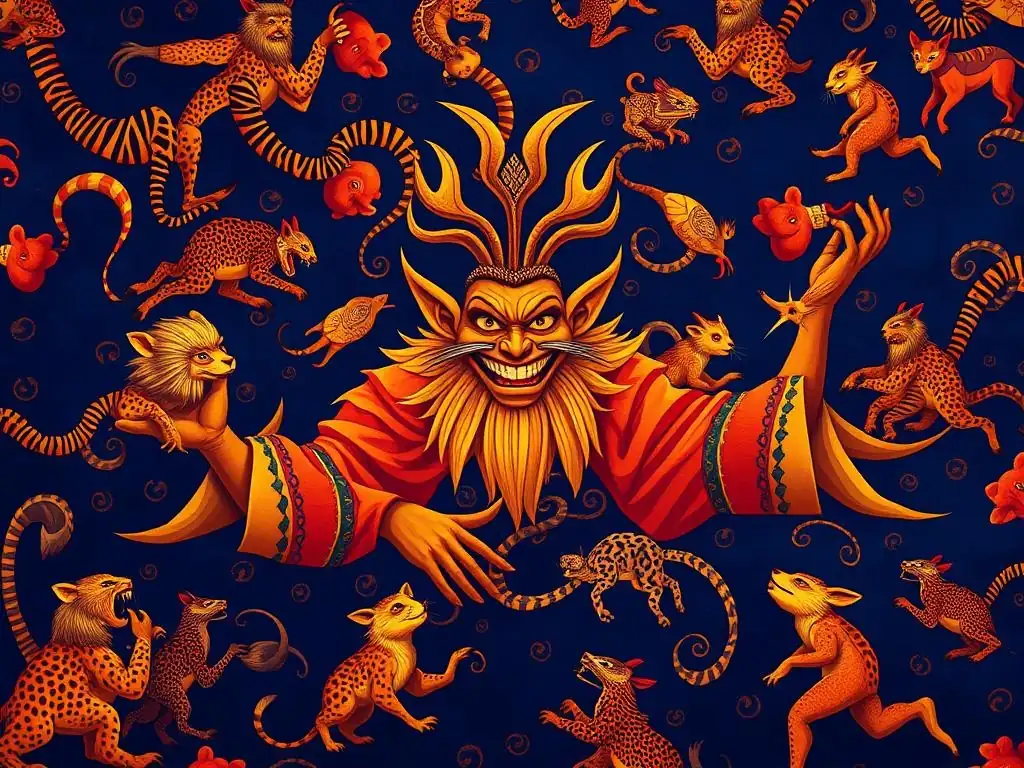
Welcome to Mythology and Legends, where ancient whispers echo in the modern world! Delve into the captivating realm of folklore and uncover the shared threads that bind humanity's oldest stories. Ever wondered how tales of cunning and mischief transcend continents? Prepare to be intrigued as we explore the fascinating world of African trickster myths stories and their surprising connections to narratives from across the globe. What secrets do these clever figures hold about the human spirit? Read on to discover the global family of tricksters and unlock the wisdom hidden within their mischievous deeds...
- The Shared Traits of Tricksters Worldwide: Archetypes and Motifs
-
Frequently Asked Questions
- What are African trickster myths stories, and what makes them unique?
- How do African trickster figures compare to trickster figures in other mythologies, such as those found in Greek or Norse myths?
- What are some of the most well-known examples of African trickster myths stories?
- What is the significance of African trickster myths stories in contemporary society?
- Where can I find reliable information about African trickster myths stories and their cultural context?
- Final Reflection: The Enduring Legacy of the Trickster
- Unleash Your Inner Mythmaker: Explore the Global Tapestry of Trickster Tales!
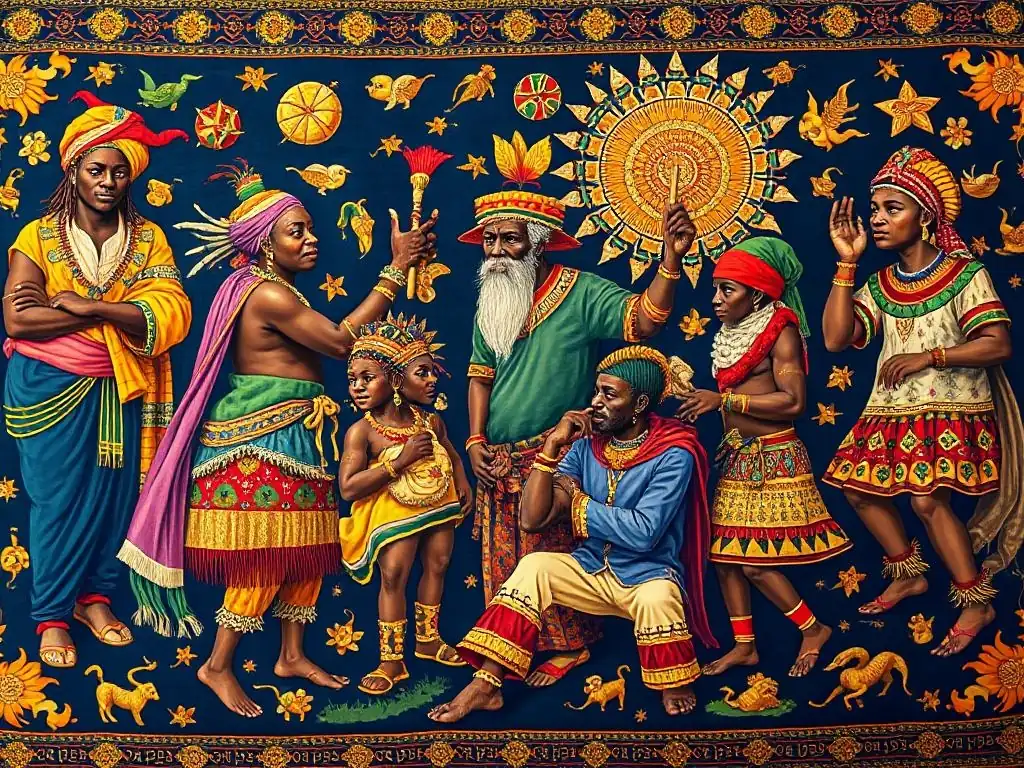
Despite originating from diverse cultural landscapes, trickster figures across the globe share striking similarities in their nature and function. These shared traits point towards universal human experiences and psychological archetypes that find expression in storytelling. Examining these commonalities provides a deeper understanding of why tricksters resonate so widely, from ancient African trickster myths stories to narratives found in Asia, Europe, and the Americas. They often embody contradictions, operating outside conventional societal rules while simultaneously reflecting them.
This section explores the fundamental characteristics that unite tricksters worldwide. We will delve into their reliance on cunning and deception, their often-ambiguous moral standing, and their crucial role as agents of change and social commentary within their respective cultural contexts. Understanding these shared archetypes helps illuminate the deeper meanings embedded within African trickster myths stories and their global counterparts, revealing how these figures serve as mirrors reflecting human nature and the complexities of the world.
Deception and Wit: Universal Trickster Strategies
A defining characteristic of trickster figures across cultures is their reliance on cunning, wit, and deception rather than brute strength or authority. They navigate the world by outsmarting others, often using clever schemes to achieve their goals, whether those goals are selfish gain, survival, or even inadvertently bringing about creation or change.
This strategic use of intellect and trickery is central to countless narratives, from the elaborate plans of Anansi the Spider in West African folklore to the cunning maneuvers of Reynard the Fox in medieval European tales. The success of the trickster often hinges entirely on their ability to manipulate situations and exploit the weaknesses or gullibility of others.
This mastery of deception is not merely about lying; it involves a deep understanding of psychology, social dynamics, and the ability to improvise. In many African trickster myths stories, characters like Sungura the Hare might use flattery, feigned helplessness, or clever wordplay to escape danger or acquire resources from larger, more powerful animals. Similarly, figures like the Native American Coyote might trick spirits or humans through elaborate illusions or false promises.
These strategies highlight the value placed on intelligence and adaptability in overcoming obstacles, often serving as cautionary tales about being too trusting or too arrogant. The trickster's wit is a powerful tool, enabling them to disrupt established order and survive against seemingly insurmountable odds.
Ambiguity and Morality: The Trickster's Ethical Spectrum
Trickster figures rarely fit neatly into conventional categories of good or evil. Their actions often exist in a morally ambiguous space, driven by impulse, appetite, or a desire to upset the status quo. They can be selfish, greedy, and destructive, causing chaos and harm for their own benefit.
However, their antics can also inadvertently lead to positive outcomes, such as the acquisition of fire for humanity or the establishment of cultural norms, as seen in various creation myths featuring tricksters. This duality is a hallmark of the trickster archetype, reflecting the complexities and contradictions inherent in human nature itself. They embody the unpredictable element of existence, operating outside the strictures of conventional morality.
The moral spectrum of tricksters is fluid and context-dependent. In some African trickster myths stories, Anansi might be portrayed as a purely selfish character whose schemes backfire, teaching a lesson about greed. In others, he might be depicted as a clever survivor who outwits powerful beings to benefit himself and sometimes his community.
Eshu-Elegba, the Yoruba trickster, is explicitly associated with crossroads and ambiguity, capable of both facilitating communication and causing confusion and mischief, making him neither purely benevolent nor malevolent. This ethical fluidity challenges audiences to consider the consequences of actions beyond simple good-versus-evil judgments, forcing a more nuanced understanding of motivations and outcomes.
Beyond their entertaining antics, trickster figures serve significant cultural roles. They are often agents of change, disrupting existing orders and inadvertently or intentionally bringing about new realities. Many myths attribute the origin of certain customs, natural phenomena, or aspects of the human condition to the actions of a trickster figure. Their disregard for rules and boundaries allows them to challenge authority, question societal norms, and expose hypocrisy. In this capacity, they function as cultural catalysts, pushing the boundaries of what is accepted and revealing underlying truths about the society that tells their stories.
Furthermore, tricksters frequently act as implicit social critics. By highlighting the absurdities of rules, the flaws of those in power, or the consequences of rigid thinking, their stories provide a safe space for questioning and commentary. In African trickster myths stories, tales of Anansi outsmarting powerful chiefs or gods can be interpreted as veiled critiques of authority or celebrations of the ability of the small and weak to overcome the strong through intelligence.
Similarly, the foolishness or hubris of characters tricked by the trickster can serve as cautionary tales for the audience. Through humor and transgression, trickster narratives offer valuable insights into a culture's values, anxieties, and power structures, acting as a form of social commentary that is both entertaining and instructive.
Frequently Asked Questions
What are African trickster myths stories, and what makes them unique?
African trickster myths stories are narratives featuring characters known for their cleverness, deception, and ability to challenge social norms. They are unique due to their specific cultural contexts and the moral lessons embedded within their humorous plots.
How do African trickster figures compare to trickster figures in other mythologies, such as those found in Greek or Norse myths?
While all trickster figures share traits like cunning and rule-breaking, African tricksters often emphasize social commentary and cultural preservation. Other mythologies, like Greek (Hermes) or Norse (Loki), might focus more on individual ambition or chaotic disruptions.
What are some of the most well-known examples of African trickster myths stories?
Examples include stories featuring Anansi the spider from West Africa, known for his wit and storytelling abilities. Also, the hare is a common trickster figure in many African cultures, often outsmarting larger, stronger animals through his intelligence and agility.
What is the significance of African trickster myths stories in contemporary society?
These stories continue to hold relevance by providing insight into cultural values and beliefs. They also offer a way to critique power structures and encourage critical thinking through the trickster's subversive actions.
Where can I find reliable information about African trickster myths stories and their cultural context?
You can find information on websites like "Mythology and Legends," libraries, and academic journals dedicated to folklore and mythology. Be sure to seek out sources that provide context and avoid cultural appropriation.
Final Reflection: The Enduring Legacy of the Trickster
The enduring power of trickster myths, particularly those originating in Africa, lies not just in their entertainment value, but in their ability to reflect and critique the complexities of power, society, and the human condition. These stories, passed down through generations, continue to resonate deeply because they grapple with timeless themes of survival, justice, and the inherent ambiguities of morality. Their global reach demonstrates a shared human experience, proving that the cleverness and cunning of Anansi, Iktomi, or even Coyote speak to something fundamental within us all.
The exploration of African trickster tales reveals a rich tapestry of cultural expression, shaping our understanding of storytelling traditions across continents. These myths are not simply historical artifacts; they are living narratives that continue to influence contemporary art, literature, and even political discourse. They offer a powerful lens through which to examine societal structures and challenge established norms. Myth is the ultimate expression of the human need to make sense of the world.
This quote perfectly encapsulates the enduring relevance of these trickster tales, providing a framework for understanding both our past and our present.
Consider the lessons embedded within these narratives. Think about the cleverness of the trickster, their ability to outsmart those in power, and the often-unintended consequences of their actions. You, too, can harness the spirit of the trickster—not to deceive, but to creatively solve problems, to challenge assumptions, and to find innovative solutions in your own life. Embrace the spirit of ingenuity and critical thinking that these timeless stories embody. Let the legacy of the global family of tricksters inspire you to question, to create, and to find your own path to understanding the world around you.
Unleash Your Inner Mythmaker: Explore the Global Tapestry of Trickster Tales!
Thanks for joining us on this journey through the fascinating world of trickster myths! We hope you gained a new appreciation for the interconnectedness of storytelling across cultures. Ready to delve deeper?
- Craft your own trickster tale: Let your imagination run wild and create a story featuring a mischievous character from your own cultural background – or invent a brand new one! Share it with us in the comments below!
- Explore other mythologies: Dive into our archives and discover more fascinating stories from around the globe. Which culture's trickster resonates most with you and why?
- Share this article with a friend: Introduce someone to the captivating world of trickster myths and spark a conversation about the power of storytelling.
What unique twist would your trickster character bring to the age-old tales?