
Harvest Festivals: Rituals of Gratitude and Abundance

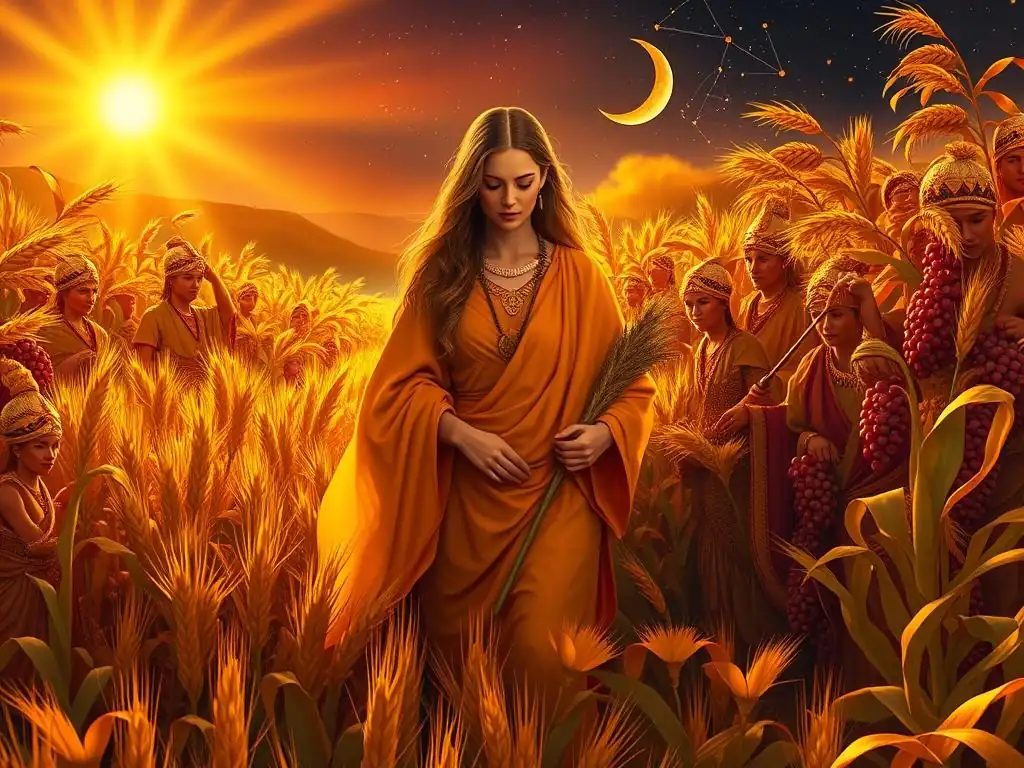
Welcome to Mythology and Legends, where ancient whispers meet modern minds. Delve into the rich tapestry of African and Caribbean folklore as we unravel the captivating stories behind Harvest Festivals. What secrets do these rituals of gratitude and abundance hold, and how do they continue to shape our understanding of the world? Prepare to be enchanted as we explore the profound connection between these celebrations and the timeless pursuit of prosperity.
- Harvest Festivals: Rituals of Gratitude and Abundance in African and Caribbean Folklore
- Traditional African Harvest Festivals: Celebrating a Bountiful Crop
- Caribbean Harvest Festivals: A Fusion of Traditions and Gratitude
- The Importance of Rituals in Harvest Festivals: Connecting with the Divine
- The Modern Relevance of Harvest Festivals: Maintaining Cultural Identity
- The Symbolism of Abundance: Beyond the Physical Harvest
- Comparing African and Caribbean Harvest Rituals: Similarities and Differences
- Conclusion: The Enduring Power of Harvest Festivals
-
Frequently Asked Questions
- What are harvest festivals and what is their primary purpose?
- What are some common elements or rituals found in harvest festivals across different cultures?
- How do harvest festivals connect to concepts like gratitude and abundance?
- Besides agriculture, what other aspects of life might harvest festivals celebrate?
- How have harvest festivals evolved and what is their relevance in contemporary society?
- Final Reflection: Reaping the Rewards of Gratitude
- Unleash the Harvest Spirit: Celebrate Abundance!
Harvest Festivals: Rituals of Gratitude and Abundance in African and Caribbean Folklore
The Significance of Harvest Celebrations in African and Caribbean Culture
Harvest festivals hold profound significance across the diverse cultures of Africa and the Caribbean. These annual celebrations mark the culmination of agricultural cycles, representing not just the gathering of crops but a moment of deep reflection and communal recognition of nature's generosity. For societies where agriculture has historically been the bedrock of survival and prosperity, the successful harvest is a cause for immense gratitude.
These harvest festivals gratitude rituals abundance are interwoven with social structures, spiritual beliefs, and historical narratives, serving as vital threads in the cultural fabric. They are periods when communities come together to give thanks, perform rituals for fertility and protection, and ensure the continuity of life and livelihood for the coming year.
Beyond the practical act of gathering food, these festivals are imbued with spiritual meaning. They often involve acknowledging and appeasing deities, ancestors, and spirits believed to influence the fertility of the land and the success of the crops. The rituals performed are not merely symbolic; they are seen as necessary actions to maintain balance between humanity, nature, and the spiritual realm.
In many traditions, failure to observe the proper rituals could result in poor harvests or misfortune. Thus, harvest festivals are critical junctures for reinforcing cultural identity, passing down traditions through generations, and strengthening the bonds within the community, celebrating the abundance harvest festivals provide.
Exploring the Core Concepts: Gratitude, Abundance, and Community
At the heart of African and Caribbean harvest festivals lie the interconnected concepts of gratitude, abundance, and community. Gratitude is expressed for the successful yield, acknowledging the hard work of farmers, the blessings of nature, and the favor of spiritual forces. This thankfulness is not a passive feeling but is actively demonstrated through specific rituals, offerings, and communal acts.
Abundance refers to the plentifulness of the harvest, signifying not only physical sustenance but also prosperity, health, and well-being for the entire community. The ability to share this abundance reinforces social ties and ensures that no one is left wanting. These harvest festivals gratitude rituals abundance are a tangible expression of collective wealth and shared future.
Community is the vital container for these celebrations. Harvest festivals are inherently communal events, involving shared labor, collective rituals, and large-scale feasting. The preparation for the festival often requires the efforts of many, from harvesting and processing crops to preparing traditional foods and decorating ceremonial spaces.
The act of sharing the bounty of the harvest strengthens social cohesion, resolves disputes, and reaffirms collective identity. These gatherings provide opportunities for intergenerational interaction, where elders pass down stories, songs, and knowledge related to agriculture, history, and spirituality. The gratitude rituals for abundance are performed by and for the community, solidifying its unity and shared purpose.
Traditional African Harvest Festivals: Celebrating a Bountiful Crop
Yam Festivals: A Celebration of First Fruits in West Africa
Yam festivals, known by various names such as Iwa Ji (New Yam Festival) among the Igbo people of Nigeria, are among the most prominent harvest celebrations in West Africa. These festivals typically occur around August and September, marking the end of the rainy season and the beginning of the harvest period for yams, a staple crop with immense cultural and economic importance. The significance of the yam is deeply rooted in West African societies; it is often considered the "king of crops" and its successful cultivation is synonymous with prosperity and strength.
The festival prohibits the consumption of new yams before the official celebration, underscoring the sacred nature of the first harvest. The harvest festivals gratitude rituals abundance associated with yams are central to the agricultural calendar.
The Iwa Ji festival, for example, is a multi-day event involving elaborate rituals led by village elders or traditional rulers. It begins with the ceremonial cutting and eating of the first yam, often offered to deities and ancestors before human consumption. Prayers are offered for a more bountiful harvest in the following year and for the well-being of the community.
Feasting, dancing, and masquerades are integral parts of the celebration, bringing people together from far and wide. The scale of the festival can vary, from small family gatherings to large community-wide events involving thousands of participants across numerous villages in regions like Anambra or Imo states in Nigeria. The gratitude rituals for abundance during these festivals reinforce the community's dependence on the land and spiritual blessings.
The Importance of Yams in West African Mythology and Culture
Yams hold a revered place in West African mythology and culture, far exceeding their role as mere food. They are often associated with male strength, wealth, and social status. In some traditions, myths recount the origin of yams as gifts from deities or as transformed beings, highlighting their sacred nature.
The act of cultivating yams is seen as a test of a man's ability and diligence, and a large yam barn is a symbol of prosperity and success. The New Yam Festival, therefore, is not just about food; it is a celebration of agricultural achievement, social standing, and the renewal of life force. The rituals performed are steeped in ancestral wisdom and cosmological beliefs, connecting the present harvest to the cycles of nature and the spiritual world.
Cultural proverbs and sayings often reflect the yam's importance, linking it to life itself. For example, an Igbo saying might emphasize that "He who has yams is truly wealthy." The rituals surrounding planting, tending, and harvesting yams are precise and culturally significant, passed down through oral tradition.
The respect shown to the yam during the festival, such as the prohibition on cutting it with a knife until certain rituals are performed, underscores its cultural weight. These harvest festivals gratitude rituals abundance for the yam are a testament to its centrality in the cultural identity and economic life of many West African peoples.
Rituals and Offerings: Expressing Gratitude for a Successful Harvest
The rituals performed during Yam Festivals are diverse and specific to each community but share common themes of gratitude, purification, and seeking future blessings. A central ritual involves the presentation of the first yams harvested to ancestral shrines or community altars.
These yams are prepared and shared among elders and community leaders in a symbolic act of communal consumption of the sacred crop. Offerings, which might include palm wine, kola nuts, chicken, or goats, are made to deities like the earth goddess Ala (among the Igbo) or ancestral spirits to thank them for the yield and ask for continued fertility of the land.
- Key Ritual Elements:
- Ceremonial presentation of first yams.
- Prayers and libations to ancestors and deities.
- Communal feasting on cooked new yams and other foods.
- Traditional dances and masquerades.
- Cleansing rituals for individuals and the community.
A common practice involves the chief or oldest man in the community performing the Iwa Ji (breaking of the yam) ritual, signifying the official permission to eat the new yams. This act is often accompanied by prayers for peace, health, and prosperity. The elaborate feasting that follows is a demonstration of the community's abundance and a way to share the blessings of the harvest. For instance, in some Igbo communities, hundreds of yams might be prepared and shared among thousands of attendees, highlighting the scale of the communal gratitude rituals for abundance.
Offerings for Harvest Blessings:
- New Yams (symbolizing the harvest)
- Palm Wine (libation for spirits)
- Kola Nuts (symbolizing life and hospitality)
- Livestock (e.g., chickens, goats - for sacrifice)
- Traditional Foods (cooked from the new harvest)
The Umkhosi Wokweshwama: The First Fruits Ceremony of the Zulu People
The Umkhosi Wokweshwama, or the First Fruits Ceremony, is a significant annual event for the Zulu people of South Africa, traditionally led by the Zulu King. Held around December, towards the end of the agricultural season and the beginning of the new year, this ceremony is a powerful demonstration of the King's connection to the land, the people, and the ancestors.
It marks the official tasting of the first fruits of the harvest by the King, a ritual that blesses the crops and ensures the well-being of the nation. The ceremony is steeped in tradition, military discipline, and spiritual significance, representing a crucial harvest festivals gratitude rituals abundance moment for the Zulu nation.
The ceremony involves various stages, including the gathering of warriors, ritualistic battles, and specific acts involving a bull. It is a time for reaffirming the King's authority, strengthening national unity, and giving thanks for the blessings of the past year while seeking prosperity for the next.
While controversial in some aspects due to historical practices involving bulls, the core intent remains a complex interplay of agricultural celebration, military display, and spiritual appeasement. Tens of thousands of Zulu people, including warriors ( amabutho) and maidens, gather to participate or witness this important event, showcasing the collective nature of these gratitude rituals for abundance.
The King's Role in the Umkhosi Wokweshwama Ritual
The Zulu King plays a pivotal and indispensable role in the Umkhosi Wokweshwama. He is the central figure who mediates between the people, the land, and the ancestral spirits. Traditionally, the King would be the first person to taste the new season's crops after specific rituals were performed. This act symbolizes his authority over the land and his responsibility for the nation's welfare. The ceremony reinforces the sacred nature of kingship and the King's connection to the fertility of the land.
A key part of the ritual involves young warriors engaging with a bull in a specific, often challenging, manner. This act is symbolic of courage, strength, and the readiness of the warriors to protect the nation and its abundance. The King's presence and blessing are crucial for the validity and efficacy of the entire ceremony.
His prayers and actions during the ritual are believed to ensure the continued fertility of the fields and the prosperity of the Zulu people. The Umkhosi Wokweshwama is a powerful reminder that these harvest festivals gratitude rituals abundance are deeply intertwined with political and spiritual leadership.
Symbolism of the First Fruits and the Renewal of Life
The first fruits consumed during the Umkhosi Wokweshwama hold deep symbolic meaning. They represent the culmination of the year's agricultural efforts and the promise of sustenance. By ritually consuming the first fruits, the King blesses the entire harvest, making it safe for his people to eat. This act is also seen as a way of incorporating the energy and power of the new season into the nation. The ceremony is not just about thanking for the past harvest but also about seeking blessings for the future, symbolizing the continuous cycle of life, death, and renewal.
The rituals involving the bull and the warriors are also rich in symbolism. The bull represents strength, fertility, and the nation itself. The warriors' interaction with it is a display of power, discipline, and their readiness to protect the Zulu people and their resources. The Umkhosi Wokweshwama is a powerful annual reaffirmation of Zulu identity, unity, and their connection to the land and the spiritual realm. It highlights how harvest festivals gratitude rituals abundance are not static events but dynamic expressions of cultural continuity and national strength.
Caribbean Harvest Festivals: A Fusion of Traditions and Gratitude
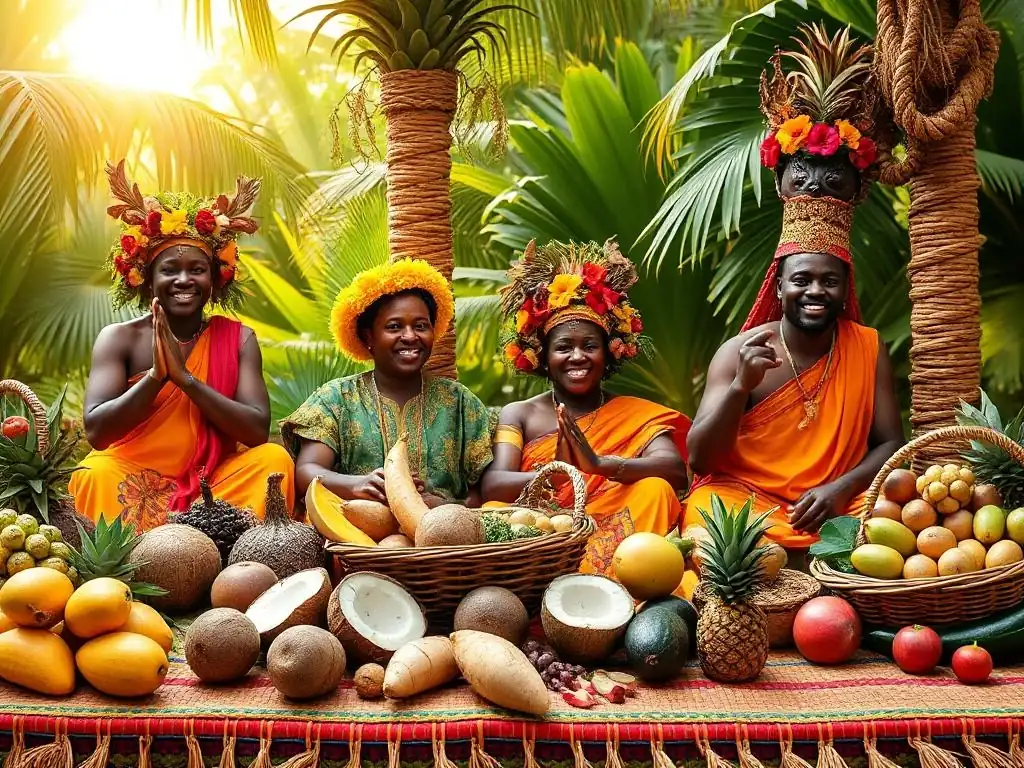
Crop Over Festival in Barbados: A Legacy of Sugar Cane Harvests
The Crop Over Festival in Barbados is a vibrant and internationally renowned celebration with roots in the island's history of sugar cane cultivation. Originally marking the end of the sugar cane harvest, when the crop was "over," the festival has evolved from simple plantation celebrations into a massive national event spanning several weeks in the summer, typically from May/June to August. While the agricultural link is now more symbolic than literal for many participants, the core themes of gratitude, abundance, and community remain central. The festival is a powerful expression of Barbadian culture, history, and resilience.
The modern Crop Over is characterized by a packed schedule of events including calypso competitions, craft markets, street parades, and the grand finale, Kadooment Day. Although the direct harvest of sugar cane is no longer the primary focus for most revelers, the spirit of celebrating the yield and sharing in the collective prosperity endures. The transformation of Crop Over from a laborers' celebration to a national tourism draw illustrates how harvest festivals gratitude rituals abundance can adapt and thrive in a changing world, maintaining cultural relevance while embracing new forms of expression.
From Plantation Celebrations to National Festival: The Evolution of Crop Over
The origins of Crop Over can be traced back to the late 18th century during the era of slavery on sugar plantations. Enslaved people developed celebrations to mark the end of the demanding harvest season, a time of relative respite and communal gathering. These early celebrations involved singing, dancing, and feasting. After the abolition of slavery, the tradition continued among free laborers and small farmers. However, the festival declined significantly in the mid-20th century as the importance of sugar cane waned.
In 1974, the Barbados Tourist Board revived Crop Over as a national festival, transforming it into the cultural spectacle it is today. This revival shifted the focus from purely agricultural thanksgiving to a broader celebration of Barbadian culture, music, and arts. While some traditional elements were retained, new ones like calypso competitions and elaborate street parades were introduced.
This evolution demonstrates the dynamic nature of harvest festivals gratitude rituals abundance, showing how they can be adapted and reimagined to reflect contemporary society while honoring their historical roots. The festival now attracts hundreds of thousands of participants and spectators, including a significant number from the Barbadian diaspora.
Calypso, Masquerade, and the Celebration of Abundance
Calypso music is the heartbeat of Crop Over. Calypsonians compose and perform songs that comment on social, political, and cultural issues, often with wit and satire. The annual Pic-O-De-Crop competition, where calypsonians vie for the title of Calypso Monarch, is a major highlight. Music serves as a powerful medium for expressing the joys and challenges of life, including themes related to abundance, social commentary, and the spirit of the festival. The rhythmic energy of calypso, along with other genres like soca, drives the festive atmosphere.
Masquerade, particularly during the Kadooment Day parade, is another central element. Bands of revelers, often numbering in the thousands, parade through the streets in elaborate costumes, dancing to music. These costumes are often vibrant and symbolic, representing themes of nature, history, or fantasy.
The sheer scale and exuberance of the parade are a powerful visual representation of abundance and collective joy. The act of "jumping up" in the streets is a physical expression of freedom, happiness, and the release of energy after a period of work (or simply in celebration of life). These elements combine to make Crop Over a spectacular example of how harvest festivals gratitude rituals abundance manifest in a Caribbean context.
Jonkonnu Parades: A Blend of African and European Traditions
Jonkonnu (also spelled Jankunu, Jonkanoo, John Canoe) is a traditional masquerade parade found in Jamaica, the Bahamas, Belize, and other parts of the Caribbean, particularly celebrated around Christmas and New Year's. While not exclusively a harvest festival, its timing often coincides with the end of the agricultural year in some regions and shares thematic elements of community gathering, performance, and symbolic expression, reflecting a form of gratitude and abundance at the close of the year. Jonkonnu represents a fascinating blend of African performance traditions and European festive customs, a legacy of the transatlantic slave trade.
The parades feature performers in elaborate costumes and masks, accompanied by energetic music played on traditional instruments like drums, fifes, and horns. The characters often perform specific dances and skits, interacting with the crowd. Jonkonnu is more than entertainment; it is a cultural expression that connects participants to their history and heritage. The vibrant display and communal participation embody a spirit of collective celebration and the resilience of cultural traditions. These year-end celebrations, like harvest festivals gratitude rituals abundance, mark a significant moment in the community calendar.
The Origins and Symbolism of Jonkonnu Characters
The origins of Jonkonnu are debated but are widely believed to be rooted in West African masquerade traditions, possibly linked to figures like the Egungun in Yoruba culture, combined with European Mummering or Morris dancing traditions introduced during the colonial era. The characters are highly symbolic and recognizable. Common figures include:
- The King: Often the central figure, regally dressed.
- The Queen: His consort, also elaborately costumed.
- Policeman: A comical figure trying to maintain order.
- Cow Head: A figure wearing a cow skull mask, representing fertility or animal spirits.
- Devil: A mischievous or frightening character.
- House: A large, elaborate costume worn over the head and body, sometimes representing a building.
Each character performs distinct dances and gestures, often conveying specific meanings or satirical commentary. The masks and costumes are often intricate and handcrafted, reflecting significant artistic effort. The symbolism is layered, referencing African spiritual beliefs, colonial power dynamics, and social commentary. The performance itself is a ritualistic act, connecting the performers and audience to their cultural history and shared identity, echoing the symbolic depth found in harvest festivals gratitude rituals abundance.
The Role of Music and Dance in Expressing Gratitude
Music and dance are fundamental to the Jonkonnu parade. The rhythmic pulse, driven by goatskin drums (like the goombay drum in the Bahamas), fife, and brass instruments, creates an infectious energy that propels the dancers. The specific rhythms and melodies are often traditional and passed down through generations. The dance steps are energetic and varied, ranging from structured movements specific to certain characters to more improvisational styles.
The act of performing and witnessing Jonkonnu is a powerful expression of cultural vitality. While not solely focused on agricultural yield, the end-of-year timing and themes of community gathering, performance, and symbolic renewal align with the spirit of thanksgiving found in harvest festivals gratitude rituals abundance. The energy and joy expressed through music and dance can be interpreted as a form of collective gratitude for overcoming the challenges of the past year and celebrating the abundance of life and community spirit. The parades are a testament to the enduring power of cultural expression in the face of historical adversity.
The Importance of Rituals in Harvest Festivals: Connecting with the Divine
Ancestral Veneration: Paying Homage to the Spirits of the Land
A cornerstone of many African and Caribbean harvest festivals is the veneration of ancestors. In many traditional belief systems, ancestors are not merely figures of the past but are active participants in the present, possessing influence over the living world, including the fertility of the land and the success of the crops. They are seen as intermediaries between the living and the divine, and their blessings are considered essential for a bountiful harvest. Therefore, harvest festivals gratitude rituals abundance often include specific rites to honor and appease these ancestral spirits.
Rituals might involve pouring libations (offering drinks, often palm wine or water) onto the ground, which is seen as the realm of both ancestors and the earth deities. Food offerings, typically portions of the newly harvested crops or specially prepared dishes, are placed at ancestral shrines or gravesites. Prayers are offered, asking for continued favor, protection from pests and drought, and prosperity for the community. This act of paying homage reinforces the connection between past, present, and future generations, and acknowledges the ancestors' role in securing the abundance that the community enjoys.
Offerings and Sacrifices: Seeking Continued Blessings for Abundance
Beyond ancestral veneration, offerings and sometimes sacrifices are integral parts of many harvest festivals aimed at appeasing deities, nature spirits, or other benevolent forces believed to control the elements and the fertility of the soil. The type of offering varies widely depending on the specific culture and the deity being addressed. As mentioned earlier, these can range from portions of the first fruits themselves to animals. The purpose is twofold: to express gratitude for the current abundance and to seek continued blessings for future harvests.
The act of making an offering or sacrifice is a solemn ritual, often performed by religious leaders or elders. It is a symbolic exchange, where a valuable item is given up in the hope of receiving favor and ensuring the continuity of life and prosperity. For example, a community might sacrifice a goat or chicken to the earth goddess before planting season and again during the harvest festival as a thank you. These gratitude rituals for abundance are seen as vital for maintaining balance with the spiritual world and ensuring the land remains fertile and productive year after year.
Common Offerings in Harvest Rituals:
- First fruits of the harvest (yams, corn, fruits)
- Palm wine or other traditional beverages
- Kola nuts
- Cooked food (often from new crops)
- Livestock (chickens, goats, sometimes cattle)
- Symbolic items (cloth, cowrie shells)
Communal Feasting: Sharing the Bounty and Strengthening Bonds
Communal feasting is perhaps the most visible and enjoyable aspect of many harvest festivals. After the rituals of gratitude and offering have been performed, the community comes together to share the bounty of the harvest. Large quantities of food, prepared using the newly harvested crops, are cooked and distributed among everyone. This shared meal is more than just sustenance; it is a powerful act of communal solidarity and a tangible demonstration of the collective abundance.
Feasting reinforces social bonds, provides an opportunity for people to connect, share stories, and celebrate together. It ensures that everyone in the community, including the less fortunate, shares in the prosperity of the harvest. In some cultures, specific dishes are prepared only during harvest festivals, adding to the unique character of the celebration. The act of eating together is a symbolic affirmation of unity and shared identity. These communal meals are essential gratitude rituals for abundance, transforming the individual efforts of farming into a collective celebration of well-being and shared future.
The Modern Relevance of Harvest Festivals: Maintaining Cultural Identity
Preserving Traditional Practices in a Changing World
In the face of globalization, urbanization, and changing lifestyles, the preservation of traditional harvest festival practices presents both challenges and opportunities. As younger generations migrate away from rural areas, the direct connection to agriculture that underpinned these festivals can weaken. However, communities are finding innovative ways to keep these traditions alive. Efforts include documenting rituals, teaching traditional songs and dances in schools, and organizing festivals in urban centers to connect diaspora communities to their heritage.
Many communities recognize that these harvest festivals gratitude rituals abundance are vital repositories of cultural knowledge, history, and identity. They are actively working to ensure that the specific steps of rituals, the meanings of symbols, and the historical narratives associated with the festivals are passed down. This often involves engaging elders as teachers and mentors. The commitment to preserving these practices is a conscious effort to maintain cultural continuity and resist cultural erosion in a rapidly changing world.
- Preservation methods:
- Oral transmission from elders to youth.
- Documentation (writing, audio, video).
- Incorporation into educational programs.
- Community-led initiatives and organizations.
- Performance and public display at cultural events.
Harvest Festivals as a Tool for Cultural Education and Transmission
Harvest festivals serve as powerful platforms for cultural education and the transmission of knowledge across generations. They are living museums where young people can witness traditional rituals, learn about their agricultural heritage, understand the significance of various crops, and connect with the spiritual beliefs of their ancestors. The stories, songs, and dances performed during the festivals are not just entertainment; they carry historical narratives, moral lessons, and practical knowledge about farming, community living, and spiritual practices.
For instance, participating in the preparation of traditional festival foods teaches about local ingredients and cooking methods. Watching or participating in traditional dances connects youth to specific cultural forms of expression. Listening to elders recount the history of the festival or explain the meaning behind a particular ritual provides invaluable insights into their cultural worldview. These harvest festivals gratitude rituals abundance are therefore crucial educational tools, ensuring that the intangible cultural heritage associated with the harvest is not lost but continues to enrich the lives of future generations.
Contemporary Expressions: Fusing Tradition and Modernity
Modern harvest festivals often represent a fascinating fusion of traditional practices and contemporary elements. While core rituals are often maintained, new forms of expression are incorporated to appeal to wider audiences and reflect contemporary life. This can include adding modern music genres alongside traditional drumming, incorporating contemporary art into festival decorations, or using social media to promote events and share cultural information.
The evolution of Barbados' Crop Over festival is a prime example, where traditional elements like the ceremonial "Loading of the King and Queen" of the crop coexist with modern calypso competitions and massive street parades featuring elaborate, contemporary costumes. In some West African yam festivals, while the Iwa Ji ritual remains sacred, the subsequent celebrations might include popular music, fashion shows, or sporting events.
This adaptation ensures the festivals remain relevant and engaging, attracting younger participants and maintaining their vitality. This ability to fuse tradition and modernity allows harvest festivals gratitude rituals abundance to remain dynamic and significant in the 21st century.
The Symbolism of Abundance: Beyond the Physical Harvest
Understanding Spiritual Abundance and Gratitude
While the physical harvest of crops is the immediate focus of harvest festivals, the concept of abundance often extends beyond mere material wealth to encompass spiritual well-being and blessings. Many traditional belief systems view physical prosperity as intertwined with spiritual harmony. A successful harvest is seen not just as a result of hard work and favorable weather but also as a sign of favor from deities and ancestors. Therefore, the gratitude expressed during these festivals is directed not only towards nature but also towards the spiritual forces believed to have facilitated the abundance.
Spiritual abundance can include health, peace, strong community bonds, wisdom, and fertility (both of the land and the people). Rituals like purification ceremonies or prayers for protection are aimed at ensuring this broader sense of well-being. The act of sharing food and resources during the communal feast is also a spiritual act, demonstrating generosity and reinforcing the belief that collective well-being is paramount. These harvest festivals gratitude rituals abundance are holistic celebrations that acknowledge the interconnectedness of physical, social, and spiritual prosperity.
Harvest Festivals as a Reminder of the Interconnectedness of Life
Harvest festivals serve as powerful annual reminders of the interconnectedness of life. They highlight the dependency of human communities on the natural world – the soil, the rain, the sun – and the complex ecosystems that support agriculture. The rituals often acknowledge the roles of various elements and spirits of nature. Furthermore, they underscore the interdependence within the human community, recognizing that successful farming requires collective effort, from planting and tending to harvesting and sharing.
The veneration of ancestors links the present generation to those who worked the land before them, emphasizing the continuity of lineage and tradition. The offerings made to deities or spirits acknowledge a connection to a spiritual realm that influences the physical world. This web of relationships – between humans and nature, humans and spirits, and humans with each other – is central to the worldview expressed through these festivals.
They teach that abundance is not solely a result of individual effort but arises from a harmonious relationship with the environment, the community, and the spiritual forces. These harvest festivals gratitude rituals abundance are therefore profound ecological and social lessons embedded in cultural practice.
Oral Traditions: Passing Down Wisdom and Values
Oral traditions are the lifeblood of many African and Caribbean cultures, and they play a crucial role in preserving the wisdom and values associated with harvest festivals. Stories, myths, proverbs, songs, and poems are passed down through generations, carrying the history of the festivals, the significance of the rituals, the importance of particular crops, and the cultural values related to work, sharing, gratitude, and community.
During harvest festivals, elders often recount these stories, explaining the origins of the festival or the meaning behind a specific dance or song. Children learn by listening, observing, and participating. This oral transmission ensures that the rich cultural knowledge embedded in the festivals is not lost.
It reinforces cultural identity and provides a framework of values for the community. The narratives often emphasize the importance of hard work, the blessings of abundance, the necessity of gratitude towards both human and spiritual helpers, and the strength derived from community unity. These harvest festivals gratitude rituals abundance are sustained and given meaning through the vibrant tradition of storytelling and performance.
Comparing African and Caribbean Harvest Rituals: Similarities and Differences
Common Themes of Gratitude and Community
Despite the vast geographical and cultural distances, African and Caribbean harvest festivals share striking common themes, most notably gratitude and community. In both regions, the successful harvest is met with profound thankfulness, expressed through specific rituals directed towards benevolent forces – whether these are ancestors, nature spirits, or syncretic deities. The act of giving thanks for the abundance received is universal.
Furthermore, harvest festivals in both Africa and the Caribbean are overwhelmingly communal events. They are not solitary acts of worship but involve the collective participation of families, villages, or even entire nations. The sharing of food, the performance of rituals together, and the communal celebrations reinforce social bonds and highlight the importance of collective well-being. The concept of sharing the abundance of the harvest is central to the spirit of these festivals in both regions. Both sets of harvest festivals gratitude rituals abundance emphasize collective identity and shared prosperity.
Unique Cultural Expressions in Each Region
While themes overlap, the specific cultural expressions in African and Caribbean harvest festivals are distinct, reflecting the unique histories, environments, and cultural fusions of each region. African harvest festivals often have deeper, more direct links to specific ethnic groups and their ancestral belief systems, with rituals tied closely to the cultivation of specific staple crops like yams, millet, or maize. The rituals and deities involved are typically indigenous to specific African cultures.
Caribbean harvest festivals, while retaining African roots, have been profoundly shaped by the experiences of slavery, colonialism, and the subsequent development of distinct creole cultures. Festivals like Crop Over are directly linked to the plantation economy (sugar cane) and have evolved significantly in a post-emancipation context, incorporating elements like calypso and elaborate, often secular, masquerade parades. Jonkonnu, with its blend of African and European performance styles, is another example of this syncretism.
The specific music, dance forms, costumes, and characters are uniquely Caribbean. These differences highlight how harvest festivals gratitude rituals abundance adapt and transform within specific historical and social contexts.
Colonial Influence: Shaping Harvest Traditions
Colonialism had a significant impact on traditional African and Caribbean harvest festivals. In Africa, colonial administrations sometimes suppressed indigenous religious practices, which were often integrated into harvest rituals. The introduction of new crops and agricultural systems also altered traditional practices. However, many communities found ways to continue their traditions, often adapting them or performing them in secret.
In the Caribbean, the experience of slavery under colonial rule led to the adaptation and transformation of African traditions. Enslaved people creatively blended their ancestral practices with elements of the dominant European culture and the realities of plantation life. Festivals like Crop Over emerged from the plantation system itself, while Jonkonnu incorporated European performance styles alongside African ones.
The imposition of Christianity also led to syncretism, where indigenous beliefs and rituals were sometimes fused with Christian practices. This colonial legacy means that Caribbean harvest festivals gratitude rituals abundance often exhibit a more overt blending of diverse cultural influences compared to many traditional African ones.
Conclusion: The Enduring Power of Harvest Festivals
A Celebration of Life, Gratitude, and Abundance
Harvest festivals in African and Caribbean folklore are far more than just agricultural events; they are profound celebrations of life itself. They mark a critical moment in the annual cycle, giving thanks for the sustenance provided by the earth and acknowledging the hard work that goes into producing food. The core themes of gratitude for the bounty received, the celebration of abundance in its broadest sense (physical, social, and spiritual), and the reinforcement of community bonds are universal to these festivals. They are a powerful reminder of human connection to nature, to the spiritual world, and to each other.
These harvest festivals gratitude rituals abundance embody a worldview that values reciprocity – the idea that giving thanks and honoring the forces that provide is essential for ensuring continued prosperity. They are periods of joy, feasting, and communal gathering that break the routine of daily life and allow communities to collectively acknowledge their blessings. The enduring power of these festivals lies in their ability to connect people to their history, their land, their ancestors, and each other, fostering a sense of belonging and shared purpose.
The Future of Harvest Festivals: Sustaining Cultural Heritage
The future of harvest festivals in Africa and the Caribbean depends on ongoing efforts to sustain these vital cultural practices. While challenges exist due to modernization and changing demographics, there is also a strong commitment within many communities to preserve their heritage. By adapting to contemporary contexts, engaging younger generations, and utilizing modern tools for documentation and promotion, these festivals can continue to thrive.
Ensuring the transmission of the intricate rituals, the rich oral traditions, and the deep symbolic meanings associated with harvest festivals gratitude rituals abundance is crucial. They offer invaluable insights into the history, beliefs, and values of the people who celebrate them. As sources of cultural identity, social cohesion, and spiritual connection, these festivals hold immense value for the communities that observe them and for the wider world interested in the diversity of human cultural expression. Their continued celebration is a testament to the resilience of tradition and the enduring human need to express gratitude for the abundance of life.
Frequently Asked Questions
What are harvest festivals and what is their primary purpose?
Harvest festivals are celebrations that acknowledge and give thanks for the successful gathering of crops. Their primary purpose is to express gratitude for the bounty and ensure future abundance.
What are some common elements or rituals found in harvest festivals across different cultures?
Common elements include offerings of food and drink, communal feasts, and rituals aimed at ensuring continued fertility of the land. Many involve symbolic representations of the harvest and expressions of thankfulness to deities or spirits.
How do harvest festivals connect to concepts like gratitude and abundance?
Harvest festivals directly connect to gratitude by providing a dedicated time to acknowledge the gifts of nature. They reinforce the idea of abundance by celebrating the fruits of labor and ensuring future prosperity through ritual.
Besides agriculture, what other aspects of life might harvest festivals celebrate?
While centered on agriculture, some harvest festivals also celebrate the community's strength, the cycle of life, and the transition into autumn or winter. They often involve social gatherings and strengthening of bonds.
How have harvest festivals evolved and what is their relevance in contemporary society?
While the agricultural focus may be less direct for many, the core themes of gratitude and community remain relevant. Modern celebrations often incorporate elements of cultural heritage and a renewed appreciation for sustainable practices.
Final Reflection: Reaping the Rewards of Gratitude
The enduring power of harvest festivals lies not just in their historical significance, but in their profound capacity to foster gratitude and abundance in our modern lives. In a world often consumed by anxieties and scarcity, these celebrations offer a vital counterpoint, reminding us to appreciate the bounty we possess and the interconnectedness of our communities.
The influence of harvest festivals extends far beyond the agricultural calendar; they represent a timeless human need to express thanks for sustenance and to celebrate the cyclical nature of life. These rituals, whether ancient or modern, resonate deeply because they tap into our fundamental desire for connection and meaning. We must cultivate our garden,
Voltaire famously wrote, and harvest festivals, in their diverse forms, embody this very principle – a cultivation of both the land and the spirit.
Consider the lessons embedded within these traditions. How can you incorporate the spirit of gratitude and abundance into your own life? Perhaps it's through a simple act of thankfulness, a mindful appreciation for the food you eat, or a conscious effort to connect with your community. Let the spirit of harvest festivals inspire you to cultivate a deeper sense of appreciation for the gifts in your life, both big and small, and to share that abundance with others. This is not merely a seasonal practice, but a way of living that can enrich your life year-round.
Unleash the Harvest Spirit: Celebrate Abundance!
Thank you for exploring the rich tapestry of harvest festivals across cultures! You've gained valuable insights into the rituals and traditions that connect us to the earth's bounty. Now it's time to bring that spirit into your life.
- Plan your own harvest celebration: Gather friends and family, share a meal featuring seasonal ingredients, and express your gratitude for the abundance around you. This could be as simple as a backyard picnic or a more elaborate feast!
- Share your favorite harvest tradition: Tell us about a unique ritual or celebration you've experienced or learned about in the comments below – let's build a community of harvest enthusiasts!
- Explore local farms and farmers' markets: Support your community and connect directly with the source of your food. Discover seasonal produce and learn about sustainable farming practices.
What harvest ritual will you embrace this year to celebrate the season's abundance?