
Healing with the Help of Spirits and Deities
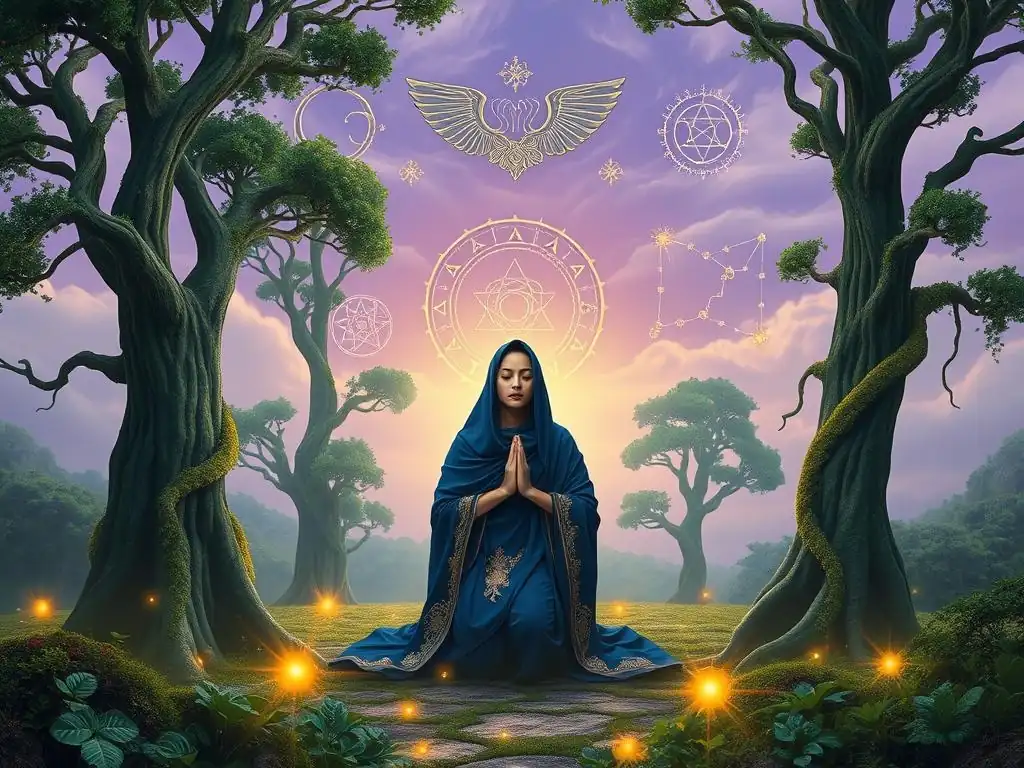
Welcome to Mythology and Legends, a portal to the extraordinary! Delve into the captivating world of folklore where ancient tales and timeless wisdom converge. Today, we embark on a journey into the heart of African and Caribbean traditions, unraveling the mysteries behind spirit healing practices worldwide. Are you ready to discover how these powerful narratives shape our lives and offer pathways to well-being? The secrets await...
- Spirit Healing Practices Worldwide: An Exploration of African and Caribbean Folklore
- Ancestral Spirits and Healing Traditions in Africa
- Deity-Based Healing in Caribbean Folklore
- Comparing African and Caribbean Spirit Healing Modalities
- Case Studies: Real-World Examples of Spirit Healing
- The Significance of Spirit Healing in Modern Times
- Conclusion: The Enduring Legacy of Spirit and Deity-Assisted Healing
-
Frequently Asked Questions
- What are some common methods used in Spirit healing practices worldwide?
- How do cultural beliefs influence Spirit healing practices worldwide?
- What role does the shaman play in Spirit healing practices worldwide?
- Can Spirit healing practices worldwide be used alongside modern medicine?
- What are some potential ethical concerns related to Spirit healing practices worldwide?
- Final Reflection: The Enduring Power of Spirit Healing
- Unlock Your Spiritual Path: Connect with Divine Guidance
Spirit Healing Practices Worldwide: An Exploration of African and Caribbean Folklore
Introduction: The Intertwined Worlds of Spirits, Deities, and Healing
Across diverse cultures, the concept of healing extends far beyond the physical realm, often encompassing spiritual well-being and the intricate relationship between humans and the non-physical world. Spirit healing practices worldwide are deeply rooted in the belief that illness can stem from spiritual causes, such as displeased ancestors, malevolent spirits, or imbalances in one's spiritual energy.
These traditions view health as a holistic state, where physical ailments are often symptomatic of deeper spiritual or social disharmony. Understanding these practices requires acknowledging the fundamental role that spirits and deities play as intermediaries, guides, or even sources of affliction and cure in many indigenous and traditional belief systems.
In the rich tapestry of African and Caribbean folklore, the connection between the visible and invisible worlds is particularly profound. Here, spirits of ancestors and powerful deities are not distant entities but active participants in daily life, influencing health, fortune, and community harmony. Healing, therefore, frequently involves appealing to these spiritual forces, seeking their guidance, appeasement, or intervention. This introductory exploration delves into how these distinct yet interconnected traditions approach wellness, highlighting the rituals, beliefs, and practitioners that facilitate healing through the power of the spirit world, showcasing the enduring significance of spirit healing practices worldwide.
Ancestral Spirits and Healing Traditions in Africa
The Role of Ancestors in African Spiritual Healing
In many African societies, ancestors (often referred to as the 'living dead') are revered as guardians and intermediaries between the physical world and the divine. They are believed to retain influence over the well-being of their living descendants, capable of bestowing blessings, offering guidance, or, if neglected or offended, causing misfortune or illness.
Consequently, seeking ancestral approval and intervention is a cornerstone of spiritual healing. Traditional healers, or diviners, often act as conduits, facilitating communication with ancestors to identify the spiritual root of an ailment—whether it's a broken taboo, unresolved family conflict, or a failure to honor traditions—and prescribing the necessary spiritual or physical remedies.
This vital connection means that healing is frequently a communal process, involving not just the individual but also their family and lineage, addressing collective spiritual imbalances that may manifest as personal illness. Rituals and offerings are performed to appease ancestors, seek their wisdom, and enlist their aid in restoring health and harmony.
For instance, among the Zulu people of Southern Africa, ancestors (amadlozi) are consulted through diviners (sangomas) to diagnose illnesses believed to be caused by spiritual factors. The prescribed treatment often involves specific rituals to placate the ancestors and restore balance, alongside herbal remedies, highlighting the integrated nature of spiritual and physical healing in these traditions.
Spirit Communication and Divination for Diagnosis
Diagnosing the cause of illness in African spiritual healing traditions frequently relies on various forms of spirit communication and divination. Illness is rarely seen as purely a biological event; its origin is often traced to spiritual forces, witchcraft, social transgressions, or ancestral displeasure. Diviners, who are trained in interpreting signs and communicating with the spirit world, play a crucial role in uncovering these hidden causes.
Methods vary widely across the continent but commonly include bone throwing, interpreting dreams, spirit mediumship, or consulting oracles. These techniques are not merely diagnostic tools but sacred practices that bridge the gap between the human and spiritual realms.
Through divination, the healer seeks to understand the narrative behind the illness—who or what caused it, why, and what steps must be taken to rectify the situation. For example, among the Yoruba of West Africa, the Ifá divination system, utilizing palm nuts or a divining chain (opelé), is consulted by a Babalawo (father of secrets) to discern the Odu (sacred verses) that reveal the spiritual context of a client's problem, including health issues.
The Odu provides insights into the forces at play, whether they are specific orishas (deities), ancestral spirits, or negative energies, guiding the prescribed treatment which might involve offerings, rituals, or specific herbal preparations. This intricate process underscores that effective spirit healing practices worldwide prioritize understanding the spiritual etiology of disease.
Common African Spirit Healing Rituals and Practices
Libation: Offering to Ancestors for Guidance and Blessing
Libation is a widespread ritual across Africa, involving the pouring of a liquid (often water, palm wine, or alcoholic spirits) onto the ground while invoking the names of ancestors and deities. This act is a profound gesture of respect, remembrance, and communion with the spirit world.
In the context of healing, libation is performed to seek ancestral guidance on the nature of an illness, ask for their blessing on healing endeavors, and request their protective presence to ward off malevolent forces contributing to the ailment. It reinforces the continuous bond between the living and the dead, acknowledging the ancestors' authority and influence over health and fortune.
This ritual is often performed at the beginning of healing ceremonies or when consulting a traditional healer. The liquid poured symbolizes life and continuity, nourishing the earth and connecting with the spirits residing within or beneath it.
For instance, in Ghana, libations are integral to healing ceremonies, with the healer or elder pouring the drink and speaking prayers or invocations asking the ancestors for clarity on the illness, efficacy of the treatment, and swift recovery for the patient. This simple yet powerful act is a fundamental way of engaging the spiritual realm to support physical and emotional restoration, embodying core spirit healing practices worldwide.
Cleansing Rituals: Removing Negative Energies and Spiritual Impurities
Cleansing rituals are vital components of African spirit healing practices, aimed at purifying the individual and their environment from negative energies, spiritual impurities, or malevolent influences believed to cause illness or misfortune. These rituals vary but often involve the use of water, smoke from burning herbs or incense, specific plants, or other symbolic materials. The underlying principle is to wash away or dispel any spiritual 'dirt' or attachments that are disrupting the person's spiritual and physical balance. Illness is frequently perceived as a state of being 'unclean' or burdened by negative spiritual forces.
Common practices include bathing with water infused with specific medicinal or spiritual herbs known for their cleansing properties, such as certain types of leaves or roots. Smoking the individual or their living space with purifying herbs like frankincense or specific local plants is another prevalent method, believed to drive away negative spirits or energies.
These rituals are often accompanied by prayers, incantations, or drumming, invoking positive spiritual forces to fill the space left by the expelled negativity. For example, in many Southern African traditions, smudging with bundles of herbs is used to cleanse a patient or a home where illness is present, preparing the ground for healing and inviting beneficial ancestral presence.
The Power of Herbs and Natural Remedies in Spirit-Guided Healing
Traditional African healers possess extensive knowledge of local flora, utilizing a vast pharmacopoeia of herbs, roots, bark, and animal products for medicinal purposes. However, the use of these natural remedies is often intertwined with spiritual beliefs and practices. Herbs are not merely seen for their biochemical properties but are often considered to possess spiritual power, making them effective only when used in conjunction with specific rituals, prayers, or under the guidance of spirits or ancestors. The selection, preparation, and administration of remedies are frequently dictated by insights gained through divination or spirit communication.
For instance, a healer might receive instruction from an ancestral spirit during a trance or divination session to use a specific combination of herbs for a particular ailment. The efficacy of the remedy is believed to depend not only on the plant's inherent qualities but also on the spiritual power infused into it through ritual and invocation. This spiritual dimension elevates herbal medicine from a simple pharmacological act to a sacred healing practice. The preparation might involve specific timing (e.g., harvesting at dawn), prayers whispered over the ingredients, or mixing them in a ritually purified space.
Moringa: Used for its anti-inflammatory and immune-boosting properties, often prescribed based on ancestral guidance.
Moringa oleifera, commonly known as the drumstick tree, is a plant widely distributed across Africa and revered for its numerous medicinal properties. Its leaves, roots, bark, and seeds are used in traditional medicine to treat a variety of conditions, including inflammation, infections, and malnutrition. Rich in vitamins, minerals, and antioxidants, its physical benefits are scientifically recognized. Within the context of spirit healing practices, however, the prescription of Moringa might go beyond its known pharmacological effects.
A traditional healer might recommend Moringa based on guidance received from an ancestor or a nature spirit during divination. The specific part of the plant used, the method of preparation (e.g., dried leaves brewed as tea, fresh leaves pounded into a paste), and the dosage might be revealed through spiritual insight tailored to the individual's specific condition and the perceived spiritual cause.
The treatment might also involve prayers recited over the Moringa preparation before consumption, imbuing it with spiritual potency. This integration of empirical knowledge of plant properties with spiritual direction is characteristic of how natural remedies are employed in African spirit-guided healing.
Deity-Based Healing in Caribbean Folklore
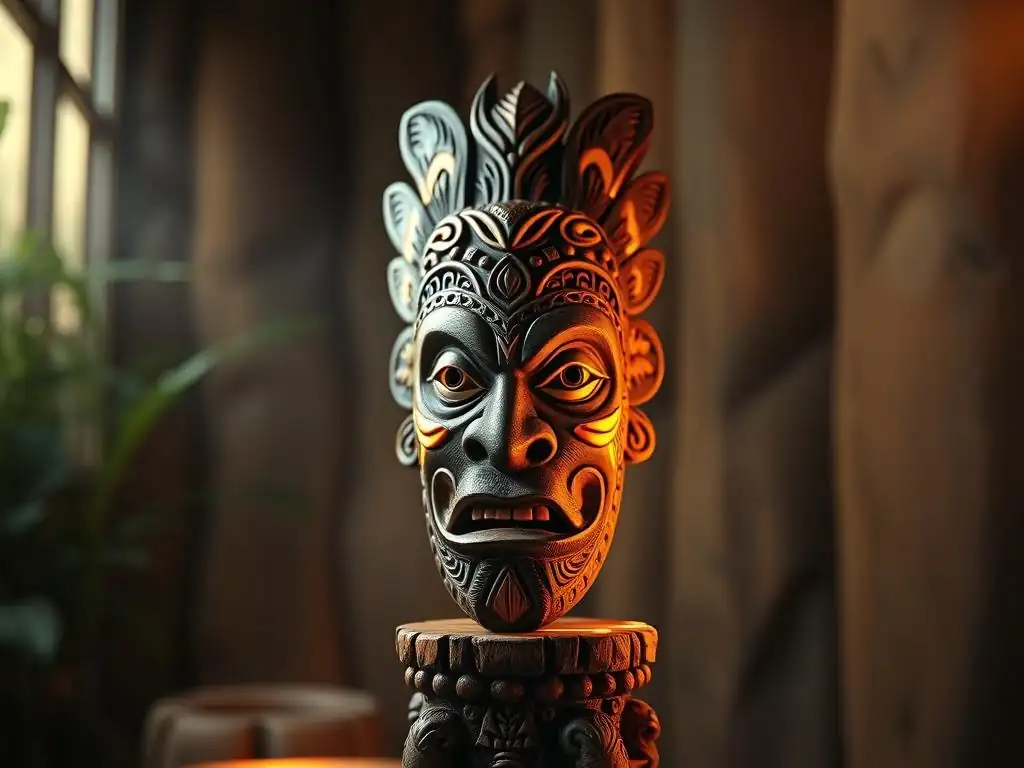
The Influence of African Deities on Caribbean Healing Practices
The forced migration of enslaved Africans to the Caribbean brought with it a wealth of diverse spiritual traditions, including the worship of deities from various ethnic groups such as the Yoruba, Kongo, Fon, and others. Despite the brutal suppression of African religions by colonial powers, these beliefs persisted, often disguised or blended with the dominant Catholic faith through a process known as syncretism.
As a result, African deities were often associated with Catholic saints who shared similar attributes or iconography, allowing their veneration to continue. This fusion profoundly shaped Caribbean healing practices, where deities are central figures invoked for health, protection, and intervention in times of illness.
In systems like Cuban Santería (based on Yoruba traditions), Haitian Vodou (incorporating Fon and Kongo beliefs), and Trinidadian Orisha worship, specific deities (known as Orishas in Santería, Lwa in Vodou, and Orishas in Trinidad) are associated with different aspects of life, including healing and specific ailments. Practitioners learn which deity governs which illness or area of the body and how to properly appeal to them for help. Offerings, rituals, and prayers are directed to these powerful beings to seek their favor, diagnose spiritual causes of illness, and facilitate recovery.
Yemaya: The Yoruba deity of the ocean, associated with fertility, healing, and motherhood in Santería.
Yemaya, originating from the Yoruba pantheon as the mother of all Orishas and the goddess of the Ogun River, transformed in the Caribbean diaspora into a powerful deity of the ocean, motherhood, fertility, and healing, particularly within Santería. Syncretized with the Virgin Mary (specifically Our Lady of Regla), she is a deeply revered figure invoked by those seeking health, especially in matters related to women's reproductive health, childbirth, and emotional well-being. Her association with water symbolizes cleansing, nourishment, and the source of life, making her a primary figure in healing rituals involving water and purification.
Devotees seeking healing from infertility, gynecological issues, or emotional distress often turn to Yemaya. Rituals dedicated to her might involve making offerings of blue and white items (her colors), seashells, or sweet treats placed near the ocean or a body of water. Spiritual baths prepared with specific herbs and water are often performed in her name to cleanse and promote healing.
Practitioners believe that appealing to Yemaya's nurturing and powerful energy can restore balance, remove spiritual blockages affecting health, and bless individuals with fertility and vitality. Her prominence highlights the enduring power of African deities within Caribbean spirit healing practices worldwide.
Syncretism and the Fusion of Beliefs: Spirit Healing in the Caribbean
The history of the Caribbean is marked by the profound fusion of African spiritual traditions with European (primarily Catholic) and, to a lesser extent, Indigenous beliefs. This syncretism was a survival mechanism for enslaved Africans, allowing them to maintain their religious practices under the guise of worshipping Catholic saints. Over centuries, this led to the development of unique Caribbean religions like Santería, Vodou, Obeah, and Kumina, where African deities are worshipped alongside or through Catholic figures, and healing rituals blend elements from multiple cultural sources.
This fusion is evident in healing practices where prayers to Catholic saints might be combined with invocations of African deities, or where Christian symbols are used alongside traditional African altars and offerings. Illness might be attributed to displeased spirits, witchcraft (often understood through a lens influenced by both African and European folklore), or imbalances requiring spiritual intervention guided by syncretic belief systems.
Healers, known by various names such as Santeros/Santeras, Babalawos, Houngans/Mambos, or Obeah practitioners, navigate this complex spiritual landscape, drawing upon a blended knowledge base to diagnose and treat ailments, reflecting the unique development of spirit healing practices worldwide in the Caribbean context.
Caribbean Spirit Healing Rituals: A Blend of Traditions
Bélé Dance: A healing dance performed to honor ancestors and deities, promoting physical and spiritual well-being.
The Bélé dance, originating among enslaved peoples in the Caribbean islands like Martinique and Saint Lucia, is more than just a performance; it is a spiritual practice deeply connected to ancestral veneration and healing. Accompanied by rhythmic drumming, the dance is performed with specific movements and energy believed to invoke the presence of ancestors and deities. While performed for various occasions, Bélé can serve a healing purpose, creating a powerful spiritual atmosphere intended to restore balance to individuals or the community.
The vigorous movements and rhythmic energy of the dance are thought to release physical tension, clear spiritual blockages, and invite positive spiritual forces. Participants may enter trance states, allowing spirits to communicate or provide healing energy. The collective nature of the dance also fosters community support and shared spiritual experience, which is often integral to healing in traditional societies. It is a dynamic example of how embodied practices, infused with spiritual meaning, function as spirit healing practices worldwide.
Spiritual Baths: Using herbs and prayers to cleanse the aura and attract positive energies.
Spiritual baths are a ubiquitous healing practice across the Caribbean, rooted in both African traditions of ritual cleansing and the use of local flora. These baths are not for physical hygiene but are potent spiritual tools intended to purify the individual's aura, remove negative spiritual attachments (such as bad luck, evil eye, or energies sent by enemies), and attract positive energies, health, and good fortune. The preparation and use of spiritual baths are highly ritualized.
Water is typically infused with a specific combination of fresh herbs, flowers, and sometimes other ingredients like Florida Water, sea salt, or perfume, chosen for their symbolic and spiritual properties as revealed through tradition or spiritual guidance. The bath is often taken at specific times, accompanied by prayers, incantations, or visualizations focused on the desired outcome—be it healing from illness, removing obstacles, or attracting blessings. The act of bathing is a symbolic shedding of negativity and an absorption of positive spiritual vibrations, making it a fundamental element of Caribbean spirit healing practices worldwide.
The Role of the Healer or Spiritual Practitioner in Caribbean Spirit Healing
In Caribbean spirit healing traditions, the healer or spiritual practitioner occupies a central and multifaceted role. Known by various titles such as Santero/Santera, Babalawo (in Santería), Houngan/Mambo (in Haitian Vodou), or Obeah Man/Woman, these individuals are not merely herbalists or counselors; they are initiated intermediaries between the human and spiritual worlds. They possess specialized knowledge of rituals, prayers, offerings, herbal remedies, and the complex relationships between deities, spirits, and human well-being. Their authority and efficacy stem from their spiritual training, initiation, and perceived ability to communicate with or be guided by spiritual entities.
The practitioner's role involves diagnosing the spiritual cause of an illness or problem, which is often revealed through divination, spirit possession, or intuitive insight. They then prescribe and often perform the necessary spiritual interventions, which may include rituals, sacrifices, spiritual baths, the creation of protective amulets, or the administration of herbal medicines prepared with spiritual intent.
They act as guides, counselors, and ritual specialists, helping individuals navigate spiritual challenges that manifest as physical, emotional, or social distress. Their work is integral to maintaining the spiritual health and balance of individuals and the community, underscoring their crucial role in the perpetuation of spirit healing practices worldwide in the Caribbean context.
Comparing African and Caribbean Spirit Healing Modalities
Similarities in Belief Systems and Practices
Despite the geographical separation and historical divergence, African and Caribbean spirit healing practices share fundamental similarities rooted in their common African heritage. Both traditions operate from a holistic worldview where illness is often understood as a disruption of balance between the individual, their community, the natural world, and the spirit world. The belief in the active involvement of spirits—be they ancestors or deities—in human affairs, including health and illness, is central to both.
Key shared elements include the importance of intermediaries (healers, diviners, priests) who facilitate communication with the spirit realm; the use of divination techniques to diagnose the spiritual root of problems; the performance of rituals, prayers, and offerings to appease or invoke spiritual forces; and the significant role of natural remedies, particularly herbs, whose efficacy is often linked to their spiritual properties and the context in which they are used. Both traditions emphasize the interconnectedness of physical, emotional, and spiritual health, viewing healing as a process of restoring harmony across these dimensions.
These commonalities highlight the enduring legacy of African spiritual perspectives on spirit healing practices worldwide.
Differences in Rituals and the Influence of Colonialism
While sharing core beliefs, African and Caribbean spirit healing practices exhibit notable differences, largely shaped by distinct historical trajectories, particularly the impact of colonialism, the transatlantic slave trade, and the resulting syncretism in the Caribbean. African traditions, though diverse across the continent, often retained more direct forms of ancestral veneration and regional pantheons, with rituals and practices tied closely to specific ethnic groups and their ancestral lands. The healing landscape in Africa is vast, encompassing numerous distinct systems (e.g., Zulu Sangomas, Yoruba Babalawos, various forms of traditional medicine).
In contrast, Caribbean practices developed within the confines of plantation slavery and the forced imposition of Christianity. This led to the unique syncretic religions where African deities merged with Catholic saints, and rituals often incorporated elements of European folk magic and indigenous practices alongside African retentions. The specific forms of spirit possession, drumming patterns, language (often creolized forms of African languages), and symbolic representations of deities or spirits in the Caribbean differ from those found in specific regions of Africa.
The intensity of cultural suppression also meant that Caribbean traditions often developed more clandestine or disguised forms of worship and healing. These differences illustrate how spirit healing practices worldwide adapt and transform under varying historical and social pressures.
The Enduring Power of Oral Traditions in Spirit-Based Healing
A critical similarity and a key factor in the survival of both African and Caribbean spirit healing practices is their reliance on oral tradition for the transmission of knowledge. In societies where literacy was historically limited or suppressed (especially during slavery in the Caribbean), the intricate knowledge of spiritual protocols, rituals, herbal remedies, divination techniques, and the narratives associated with spirits and deities has been passed down through generations verbally. This includes lengthy chants, songs, proverbs, stories, and detailed instructions for performing ceremonies.
Initiation processes in both regions often involve years of apprenticeship under experienced practitioners, during which the apprentice learns through observation, participation, and memorization of vast amounts of oral knowledge. This method of transmission ensures that the wisdom and efficacy of these healing traditions are preserved, even without written texts. It also allows for adaptation and evolution of practices over time, as knowledge is interpreted and applied by successive generations of healers. The resilience of these traditions, despite historical attempts at eradication, speaks volumes about the power of oral transmission in maintaining cultural identity and vital spirit healing practices worldwide.
Case Studies: Real-World Examples of Spirit Healing
Rural Zimbabwe, Chronic Pain, Ancestral Consultation and Herbal Remedy, Pain Reduction and Improved Mobility
Consider a case in rural Zimbabwe, where a 55-year-old woman suffered from chronic back pain that Western medicine had failed to significantly alleviate over several years. Believing the pain might have a spiritual cause, possibly related to neglecting ancestral duties, she consulted a local n'anga, a traditional healer and diviner. The n'anga performed a divination ritual, which involved casting objects (often bones, shells, or stones) and interpreting their patterns. Through this process, the n'anga determined that an ancestor was displeased due to a perceived slight during a recent family gathering.
The n'anga prescribed a course of action that included a ritual apology to the ancestor, involving a small offering and specific prayers performed by the family, along with a daily regimen of a traditional herbal concoction made from local plants known for their anti-inflammatory properties, such as Devil's Claw (Harpagophytum procumbens), which is native to Southern Africa and used for joint pain. Within approximately two months of consistently following the prescribed spiritual and herbal treatment, the woman reported a significant reduction in pain levels and notable improvement in her mobility, allowing her to resume daily activities with greater ease.
This example illustrates the integrated approach of addressing both the spiritual and physical dimensions of illness within African spirit healing practices worldwide.
Coastal Jamaica, Infertility, Yemaya Offering and Spiritual Bath, Successful Conception and Healthy Pregnancy
In a coastal community in Jamaica, a young couple faced several years of unexplained infertility after conventional medical treatments proved unsuccessful. Seeking alternative help rooted in their cultural heritage, they consulted a spiritual practitioner known for Obeah and other traditional healing methods, who incorporated elements influenced by African diaspora beliefs, including veneration of deities like Yemaya (often syncretized with a figure like the Virgin Mary or a local spirit of the sea). The practitioner diagnosed a spiritual blockage related to negative energies affecting the woman's reproductive system.
The prescribed spiritual intervention involved a significant offering to Yemaya, conducted near the sea, consisting of symbolic items like blue and white flowers, fruits, and sweet treats, accompanied by specific prayers invoking her power over fertility and life. This was followed by a series of spiritual baths performed over several weeks using water infused with herbs traditionally associated with cleansing and fertility, such as specific local vines and leaves. The baths were accompanied by prayers and visualizations of conception and a healthy pregnancy.
Approximately six months after completing the prescribed rituals and baths, the woman became pregnant. The couple attributed the successful conception and a healthy pregnancy to the spiritual intervention guided by the practitioner and the blessings of Yemaya, showcasing a Caribbean example of spirit healing practices worldwide.
The Significance of Spirit Healing in Modern Times
Preserving Cultural Heritage and Traditional Knowledge
In an increasingly globalized world, spirit healing practices play a crucial role in preserving the cultural heritage and traditional knowledge of African and Caribbean communities. These practices are repositories of centuries of accumulated wisdom regarding human health, the natural environment, social relationships, and the spiritual realm. They embody unique worldviews, languages, rituals, and plant knowledge that are integral to the identity of these cultures. As younger generations navigate modernity, engaging with traditional healing methods provides a tangible link to their ancestors and cultural roots, fostering a sense of continuity and belonging.
The knowledge embedded within these traditions extends beyond just healing techniques; it includes detailed understanding of local ecosystems, sustainable resource use (especially regarding medicinal plants), social structures, and conflict resolution, as illness is often linked to social disharmony. Efforts by practitioners and cultural preservationists to document and transmit this knowledge, often still primarily through oral means but increasingly through written records and community centers, are vital in preventing its loss. By keeping these spirit healing practices alive, communities ensure that their unique cultural legacy endures, contributing to the global diversity of healing modalities.
Addressing Contemporary Health Challenges Through Spiritually Integrated Approaches
Spirit healing practices continue to be relevant in addressing contemporary health challenges, particularly in regions where access to conventional healthcare is limited or culturally inappropriate. Traditional healers often serve as the primary healthcare providers in rural or underserved areas, offering accessible and affordable options. Moreover, their holistic approach, which considers the spiritual, emotional, social, and environmental factors contributing to illness, can be particularly effective in treating conditions that are not solely biological, such as chronic stress, anxiety, trauma, and psychosomatic ailments.
Many individuals also seek traditional healing alongside or as an alternative to Western medicine, especially for chronic conditions or illnesses believed to have spiritual origins. The emphasis on community involvement, ritual, and spiritual connection in these practices can provide psychological comfort, social support, and a sense of empowerment that complements clinical treatment.
For example, in some African countries, traditional healers are involved in community health initiatives, addressing issues like HIV/AIDS or mental health by integrating spiritual support and community-based interventions with public health messages. This demonstrates the potential for traditional spirit healing practices worldwide to contribute to public health outcomes.
Ethical Considerations in Spirit Healing Practices
While valuable, spirit healing practices also raise important ethical considerations that must be addressed to ensure patient safety and protect vulnerable individuals. Issues such as the lack of standardized training and regulation among practitioners, the potential for misdiagnosis or delayed treatment of serious conditions that require conventional medical intervention, and the risk of exploitation or harmful practices are significant concerns. Patients seeking traditional healing may be particularly vulnerable due to their belief systems and desperation for a cure.
Ensuring ethical practice involves promoting open communication between traditional healers and conventional medical practitioners, encouraging patients to seek integrated care, and developing guidelines or codes of conduct within traditional healing communities. It also requires respecting the autonomy and beliefs of individuals while ensuring they receive accurate information about their health conditions and available treatment options. Efforts to document practices, understand efficacy through research (where appropriate and culturally sensitive), and establish mechanisms for accountability are crucial steps towards safeguarding individuals while respecting the cultural significance of spirit healing practices worldwide.
Conclusion: The Enduring Legacy of Spirit and Deity-Assisted Healing
The exploration of spirit healing practices worldwide, with a specific focus on African and Caribbean folklore, reveals a profound and enduring connection between spirituality, health, and culture. These traditions, rooted in the belief that the spirit world actively influences human well-being, offer holistic approaches to healing that address not just physical symptoms but also underlying spiritual, emotional, and social imbalances. From the veneration of ancestors in Africa to the syncretic worship of deities in the Caribbean, the invocation of spiritual power remains a vital component of restoring health and harmony.
Despite historical challenges, including colonialism and cultural suppression, these practices have demonstrated remarkable resilience, passed down through generations via oral traditions and adapted to new contexts. They continue to provide accessible and culturally relevant healing options for millions, preserving invaluable cultural heritage and ecological knowledge in the process.
While navigating ethical considerations is essential, the continued significance of spirit healing practices worldwide underscores the universal human need for meaning, connection, and spiritual well-being in the pursuit of health. Their legacy reminds us that true healing often involves addressing the intricate relationship between the body, mind, and spirit, guided by the wisdom of traditions that acknowledge the powerful influence of the unseen world.
Frequently Asked Questions
What are some common methods used in Spirit healing practices worldwide?
Common methods often involve ritual ceremonies, the use of herbal remedies, and direct communication with spirits or deities to facilitate healing.
How do cultural beliefs influence Spirit healing practices worldwide?
Cultural beliefs heavily shape these practices. They determine the specific deities or spirits invoked, the types of rituals performed, and the interpretation of illnesses.
What role does the shaman play in Spirit healing practices worldwide?
The shaman often acts as an intermediary between the human and spirit realms. They can diagnose ailments, perform rituals, and negotiate with spirits for healing.
Can Spirit healing practices worldwide be used alongside modern medicine?
Some individuals and cultures see them as complementary. However, it's crucial to prioritize evidence-based medicine and consult with qualified healthcare professionals.
Concerns can arise around informed consent, financial exploitation, and the potential for misdiagnosis or ineffective treatment if used in place of conventional medical care.
Final Reflection: The Enduring Power of Spirit Healing
The interconnectedness of humanity and the spirit world remains a potent force in healing practices worldwide, a testament to the enduring human need for connection and transcendence. While modern medicine offers invaluable advancements, the spiritual dimension of healing continues to offer solace, guidance, and a profound sense of meaning for millions across diverse cultures and belief systems. This enduring appeal speaks volumes about the limitations of purely physical approaches to well-being.
The exploration of spirit healing practices across various cultures has underscored the universality of the human search for wholeness. It's a journey that transcends geographical boundaries and religious dogma, revealing a shared human experience of seeking solace and strength beyond the material realm. The soul is healed by being with nature. Nature is the best physician.
– Sebastian Kneipp. This quote, while focusing on nature, perfectly encapsulates the broader principle of seeking healing through connection with something larger than oneself, whether that be nature, spirits, or deities.
Consider the profound impact these practices have had on your own life, or the lives of those you know. Perhaps it's time to explore the spiritual dimension of your own well-being more deeply. Are you open to considering the potential of spirit healing, not as a replacement for conventional medicine, but as a complementary path towards holistic wellness? Embrace the opportunity to connect with your inner self and the wider universe, for within that connection lies a wellspring of healing and strength waiting to be discovered.
Unlock Your Spiritual Path: Connect with Divine Guidance
Thanks for exploring the powerful world of healing through spirits and deities! We hope this article provided you with valuable insights and inspiration. Now it's time to take the next steps on your journey.
- Begin a personal practice: Dedicate even just 15 minutes a day to meditation or prayer, focusing on your connection to the divine energies that resonate with you. This consistent practice will deepen your understanding and strengthen your connection.
- Share your experience: Tell us about your experiences with spiritual healing! What resonates most with you from this article? Share your thoughts and perspectives in the comments below – let's build a supportive community together.
- Explore further: Dive deeper into the mythology and legends of specific deities or spirits that called to you. Research their stories, symbols, and associated practices.
What powerful connection will you foster today?