
The Echo Endures: The Living Legacy of Oral Traditions

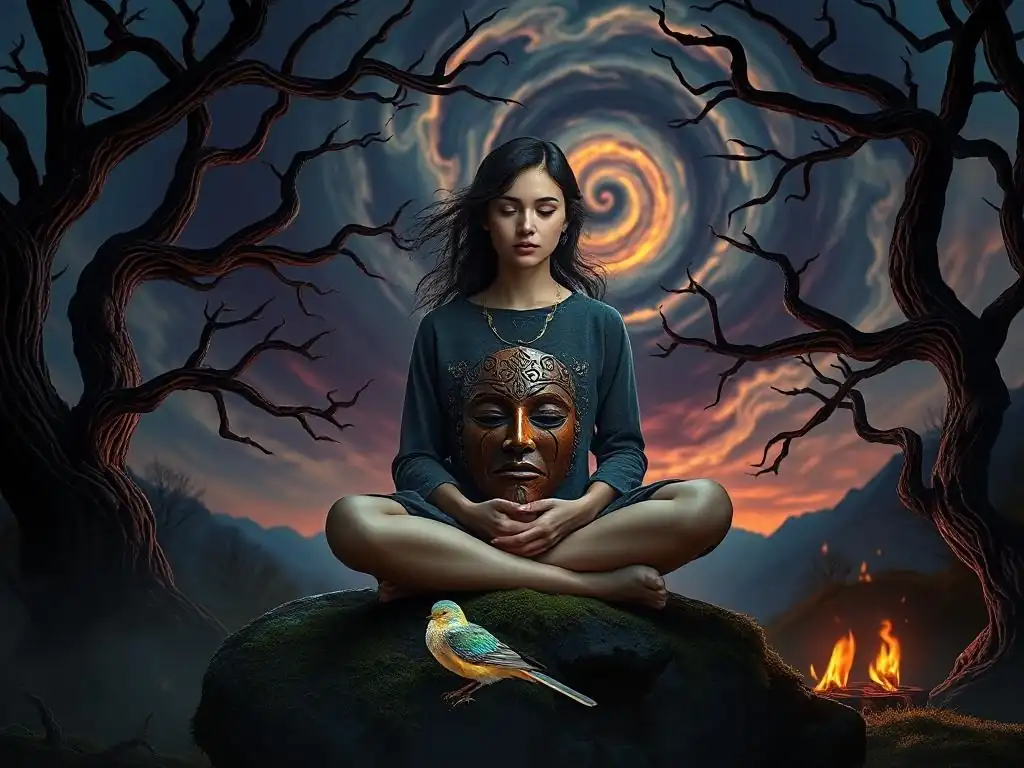
Welcome to Mythology and Legends, a portal to the world's most enduring tales. Ever wondered how stories, passed down through generations, still shape our narratives today? Delve into the vibrant world of African and Caribbean Folklore and explore how oral traditions impact storytelling, leaving an indelible mark on our cultural landscape. Prepare to uncover the echoes that resonate even now...
Introduction: Why Oral Traditions Still Matter Today
In an age dominated by digital media and mass communication, the ancient art of oral traditions might seem like a relic of the past. Yet, for countless communities around the world, particularly in Africa and the Caribbean, these spoken narratives remain vibrant, essential forces that shape identity, transmit knowledge, and connect generations. They are the living libraries of history, culture, and wisdom, proving that the impact of oral traditions on storytelling is not only profound but enduring.
Understanding the significance of oral traditions goes beyond appreciating historical artifacts; it involves recognizing their ongoing role in contemporary life. These traditions are not static; they evolve, adapt, and continue to serve critical social and cultural functions. They provide frameworks for understanding the world, guide moral behavior, and entertain, demonstrating their irreplaceable value even in the 21st century.
- The Anansi Stories: A Legacy of Trickster Tales
- Anansi's Role as a Symbol of Resistance and Resilience
- The Power of Proverbs and Riddles in African Communication
- Proverbs as Concise Expressions of Cultural Wisdom and Social Commentary
- The Role of Music and Dance in Conveying Oral Narratives
- Ring Shout: A Fusion of Music, Dance, and Storytelling
- How do oral traditions impact storytelling in modern society?
- What are some key characteristics that define oral traditions?
- How do oral traditions differ from written narratives?
- What are some challenges faced in preserving oral traditions today?
- Why is understanding oral traditions important for appreciating world mythology?
Understanding Oral Traditions and Storytelling
Defining Oral Traditions: More Than Just Spoken Words
Oral traditions encompass more than simply telling stories aloud. They are dynamic systems of communication through which knowledge, art, history, and cultural values are passed from one generation to the next without the aid of writing. This includes epics, poems, proverbs, riddles, songs, and even legal principles and historical accounts, all preserved and transmitted through performance and memory.
Crucially, oral traditions are communal. They often involve active participation from the audience, call-and-response patterns, and are deeply embedded in social rituals and daily life. The performance context—the setting, the audience, the time of day—can significantly influence the delivery and interpretation of the narrative, highlighting the complex layers involved beyond mere spoken words.
The Role of Memory and Performance in Oral Narratives
Memory is the cornerstone of oral traditions. Expert storytellers, or griots in some West African cultures, cultivate extraordinary mnemonic abilities, capable of recalling vast genealogies, historical events spanning centuries, and complex narrative cycles. This is not just rote memorization but an active, creative process where the storyteller interprets and adapts the narrative for the specific audience and context, while preserving the core elements and meaning.
Performance is equally vital. An oral narrative is not just spoken; it is enacted. Storytellers use voice modulation, gestures, facial expressions, and sometimes musical accompaniment or props to bring the story to life. The energy exchanged between the performer and the audience is integral to the transmission process, ensuring that the story resonates emotionally and intellectually, reinforcing its cultural significance.
Key Elements of African and Caribbean Oral Storytelling
African and Caribbean oral storytelling traditions share several common characteristics, though they vary widely across regions and cultures. A central element is the use of formulaic language, including opening and closing phrases, repeated motifs, and stock characters, which aid both memory and performance. These elements provide structure and familiarity for the audience.
Another key element is the integration of various art forms. Stories are often interwoven with songs, drum rhythms, dance, and dramatic impersonation. Call-and-response is frequent, inviting audience participation and blurring the lines between performer and listener. Moral lessons, social commentary, and explanations of natural phenomena are typically embedded within the narratives, making them powerful educational tools.
The Profound Impact of Oral Traditions on Storytelling
Shaping Cultural Identity Through Oral Narratives
Oral narratives are fundamental to the formation and maintenance of cultural identity. They provide a shared understanding of a community's origins, history, values, and worldview. Through stories of ancestors, heroes, tricksters, and mythical beings, people learn who they are, where they come from, and what it means to belong to their group. This process is vital in cultures where written records were historically absent or inaccessible to the majority.
For instance, the creation myths and origin stories passed down orally across various African ethnic groups—such as the Yoruba, Igbo, or Zulu—or among Caribbean peoples like the Maroon communities, provide foundational narratives that explain their relationship to the land, their social structures, and their spiritual beliefs. These stories are not mere entertainment; they are blueprints for cultural self-definition.
Preserving History and Ancestry: The Power of Spoken Accounts
Before widespread literacy and historical documentation, oral traditions served as the primary means of preserving history and ancestry. Griots of the Mande people, for example, were and still are the keepers of historical knowledge, reciting epic poems like the Sunjata Keita epic, which chronicles the founding of the Mali Empire in the 13th century. These accounts, while sometimes blending myth and history, offer invaluable insights into the past.
In the Caribbean, where the trauma of slavery disrupted written historical continuity for many, oral traditions became crucial for preserving links to African heritage and documenting the experiences of enslavement, resistance, and adaptation. Stories of rebellion leaders like Nanny of the Maroons in Jamaica or Toussaint Louverture in Haiti, passed down through generations, served as vital historical records and sources of inspiration.
Oral Traditions and the Transmission of Values and Morals
A core function of oral traditions is the transmission of ethical values, social norms, and moral lessons. Fables, proverbs, and cautionary tales are packed with guidance on how to live, interact with others, and navigate complex social situations. Stories often feature characters who are rewarded for virtuous behavior or suffer consequences for transgressing community rules.
Consider the widespread use of animal fables, like those featuring the tortoise or the spider (Anansi), found across Africa and the Caribbean. These characters, through their actions and misadventures, illustrate human traits and behaviors, teaching lessons about humility, greed, wisdom, and cunning. A simple proverb can encapsulate centuries of accumulated wisdom on social conduct, reinforcing the impact of oral traditions on storytelling as a moral compass.
The Enduring Influence of Oral Traditions on Modern Storytelling
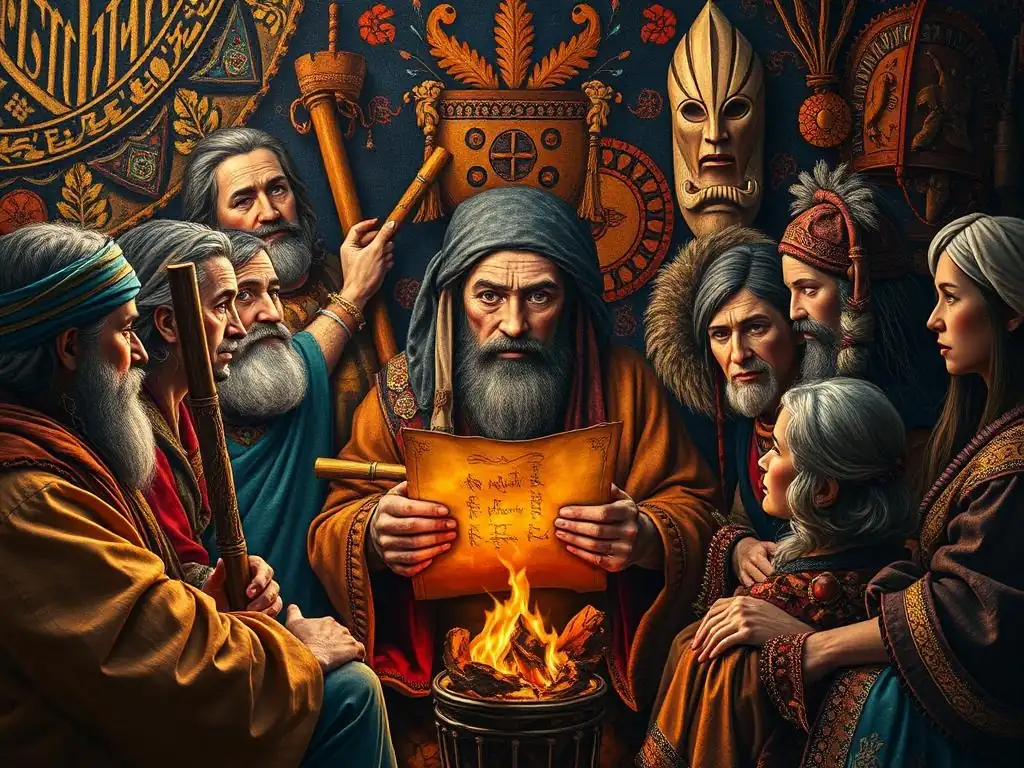
From Griots to Contemporary Storytellers: The Lineage of Orality
The lineage of oral storytelling extends directly from the ancient griots and traditional village elders to contemporary authors, poets, musicians, and performers. The skills and techniques honed over centuries—engaging an audience, building suspense, using rhythm and repetition, embedding meaning—remain relevant and are consciously or unconsciously employed by modern creators.
Today's storytellers, whether performing on stage, writing novels, or creating digital content, often draw upon the narrative structures, themes, and character archetypes found in traditional oral tales. This continuity demonstrates how the fundamental principles of oral traditions impact storytelling across different media and contexts, adapting to new audiences while retaining their core power.
Oral Traditions Impact on Literary Works and Performances
The influence of oral traditions is particularly evident in modern literature and performance arts from Africa and the Caribbean. Many writers consciously incorporate the rhythms, syntax, and narrative techniques of oral storytelling into their prose and poetry. This can include the use of call-and-response, repetition for emphasis, direct address to the reader/listener, and non-linear narrative structures that mimic the flow of spoken word.
Playwrights and performers also draw heavily on oral traditions, utilizing music, dance, and audience interaction in their work. The emphasis on performance, improvisation, and the direct connection between artist and audience, central to traditional oral storytelling, is a hallmark of much contemporary African and Caribbean theatre and spoken word performance, showcasing how oral traditions impact storytelling in vibrant, living ways.
The Influence of Oral Tradition on Toni Morrison's "Beloved"
Toni Morrison, a Nobel laureate whose work deeply explores the African American experience, is a prime example of an author profoundly influenced by oral traditions. Her novel Beloved employs techniques resonant with spoken narratives. The fragmented structure, the use of repetition and incantatory language, the integration of ghostly voices and spiritual elements, and the communal way in which trauma and memory are processed by the characters all echo the characteristics of oral storytelling.
Morrison herself acknowledged the importance of black oral culture, including ghost stories and folktales, in shaping her literary voice. Beloved's power comes partly from its ability to feel like a story being told aloud, drawing the reader into a shared experience of memory and history, much like a traditional oral performance would. This highlights the significant impact of oral traditions on storytelling, even in highly sophisticated literary forms.
The Revival of Oral Storytelling in the Digital Age
Despite the rise of digital media, or perhaps partly because of it, there has been a notable revival of interest in and practice of oral storytelling. Storytelling festivals, clubs, and online platforms dedicated to spoken word performance are proliferating globally. People are rediscovering the unique intimacy, immediacy, and communal experience that live storytelling offers.
The digital age also provides new avenues for preserving and disseminating oral traditions. While traditional performances are ephemeral, recordings and digital archives allow these stories to reach wider audiences and be studied by future generations. Podcasts, YouTube channels, and social media are becoming new stages for contemporary oral storytellers, demonstrating the adaptability and enduring relevance of oral traditions impact storytelling in a connected world.
Challenges and Preservation of Oral Traditions
The Threat of Modernization and Cultural Loss
Oral traditions face significant challenges in the modern world. The spread of global media, formal education systems that prioritize literacy, urbanization, and the decline of traditional community structures can all lead to the erosion of oral practices. Younger generations may not learn the traditional stories, languages, or performance techniques, leading to a break in the chain of transmission.
Economic pressures and social changes can also diminish the time and space available for traditional storytelling performances. As communities change, the contexts that nurtured oral traditions—communal gatherings, work parties, evening fireside chats—may become less frequent, threatening the viability of these living heritage forms and potentially diminishing the crucial impact of oral traditions on storytelling for future generations.
Efforts to Document and Preserve Oral Histories
Recognizing the risks, significant efforts are underway globally to document and preserve oral histories and traditions. Universities, museums, cultural organizations, and community groups are undertaking projects to record performances, transcribe narratives, and create archives. These initiatives aim to capture the rich content of oral traditions before they are lost.
Examples include audio and video recordings of elders recounting historical events, folktales, songs, and proverbs. While documentation cannot fully replicate the live performance experience, it provides invaluable resources for research, education, and cultural revitalization efforts. Thousands of hours of recordings exist in archives worldwide, representing a vital step in safeguarding this intangible heritage.
The African Storybook Project: A Digital Library of African Stories
A notable example of leveraging technology for preservation and dissemination is the African Storybook Project. This initiative provides openly licensed digital picture books based on traditional African stories, translated into numerous African languages as well as colonial languages. The project aims to improve literacy and make traditional stories accessible to children and educators across the continent.
By digitizing and translating stories originally passed down orally, the African Storybook Project helps ensure their survival and reach. It empowers communities to contribute their own stories and makes a vast collection of African folklore available globally, showcasing the diversity and richness of these oral traditions and their continued impact on storytelling in a new format. Currently, the platform hosts thousands of unique stories in over 100 languages.
The Importance of Community Engagement in Safeguarding Oral Traditions
Ultimately, the most effective preservation of oral traditions relies on active community engagement. Initiatives must involve and empower the tradition bearers—the elders, storytellers, and performers—and the communities themselves. This includes supporting traditional performances, creating opportunities for intergenerational learning, and integrating oral traditions into local education.
Community-led projects, such as local storytelling festivals, workshops where elders teach younger members traditional narratives and performance skills, and the incorporation of oral history into school curricula, are crucial. These efforts ensure that oral traditions remain living practices, valued and transmitted by the people who own them, rather than becoming mere historical artifacts.
Specific Examples of Oral Traditions in African and Caribbean Folklore
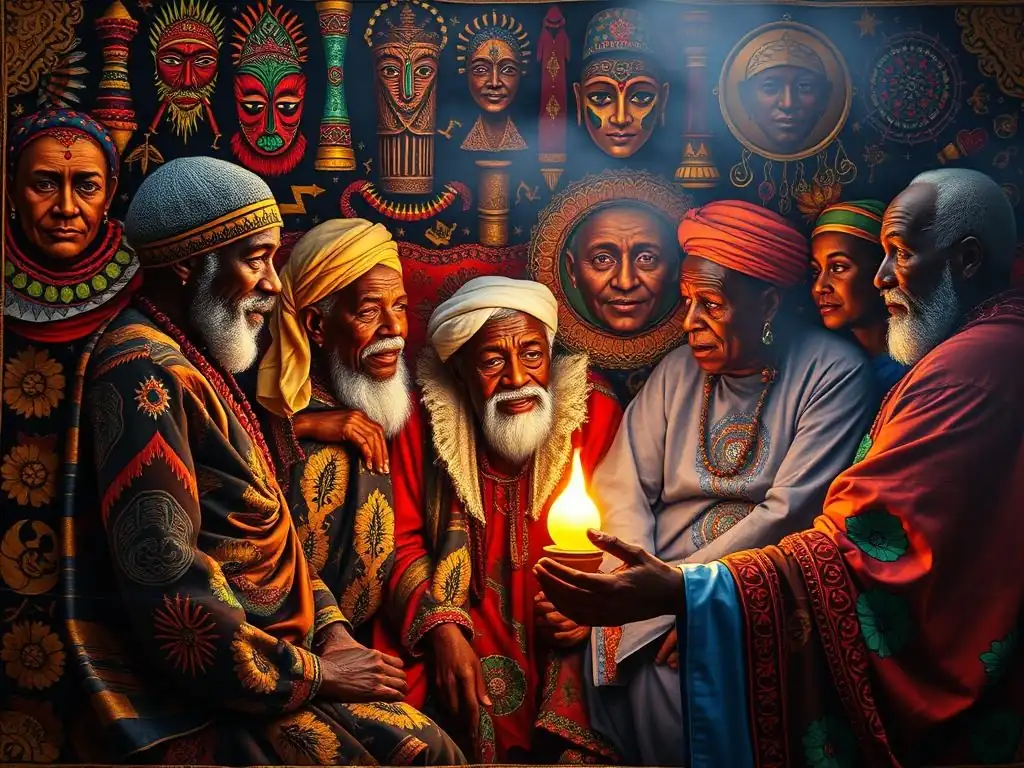
The Anansi Stories: A Legacy of Trickster Tales
The stories of Anansi the Spider are perhaps one of the most widely recognized examples of African oral traditions, having traveled with enslaved people to the Caribbean and the Americas. Anansi is a classic trickster figure, often portrayed as small and weak but incredibly cunning and resourceful. These tales are found across West Africa (where Anansi is known by various names like Kwaku Ananse among the Akan people) and throughout the Caribbean (where he is often called Anancy or Nancy).
Anansi stories serve multiple purposes: they entertain, they explain natural phenomena (like why spiders have thin legs), and they teach moral lessons, often by showing the consequences of Anansi's own greed or cleverness. They are characterized by their wit, humor, and often surprising twists, demonstrating the sophisticated narrative artistry within oral traditions.
Anansi's Role as a Symbol of Resistance and Resilience
In the context of slavery and oppression, Anansi took on added significance in the Caribbean. His ability to outsmart larger, more powerful adversaries through cleverness and guile resonated deeply with enslaved populations. Anansi became a symbol of resistance, representing the triumph of wit over brute force and providing a sense of agency and hope in seemingly powerless situations.
These stories, told in secret gatherings, allowed enslaved people to subtly critique their masters and the oppressive system, using humor and allegory. The character of Anansi, the small spider who overcomes the powerful, became a powerful metaphor for survival and resilience, illustrating how oral traditions impact storytelling as a tool for cultural resistance and psychological survival.
The Power of Proverbs and Riddles in African Communication
Proverbs and riddles are concise yet profound forms of oral tradition widely used across Africa. Proverbs are short, well-known sayings that express a truth or piece of advice, often using metaphor or allegory. Riddles are posed as questions requiring clever or insightful answers, serving as intellectual games and teaching tools.
These forms are integral to daily communication, rhetoric, and education. They require listeners to think abstractly and understand cultural nuances. A well-placed proverb can summarize a complex situation, offer guidance, or settle a dispute, demonstrating a deep understanding of cultural wisdom. Hundreds, if not thousands, of distinct proverbs exist within major language groups like Yoruba, Swahili, or Igbo.
African proverbs serve as repositories of cultural wisdom, encapsulating generations of observation and experience. They offer insights into human nature, social relationships, morality, and the natural world. For example, the Yoruba proverb "Ile oba t'o jo, ewa lo bukun" (When the king's palace burns down, it adds to the beauty of the court) speaks to the idea that even in disaster, there can be opportunity for renewal and improvement.
Beyond wisdom, proverbs also function as social commentary. They can gently critique behavior, highlight societal issues, or reinforce community values without direct confrontation. Their metaphorical nature allows for subtle communication about sensitive topics, showcasing the sophisticated layers present in oral traditions impact storytelling in everyday interactions.
The Role of Music and Dance in Conveying Oral Narratives
Music and dance are frequently inseparable from oral storytelling in African and Caribbean cultures. Songs can contain historical accounts, praise lineages, or accompany specific tasks. Dance can visually interpret narratives, embody characters, or serve as a form of non-verbal storytelling, conveying emotions and events through movement.
In many traditions, drumming, singing, and dancing are integral parts of the storytelling performance, enhancing its emotional impact and mnemonic function. The rhythm of the drum can set the pace for narrative delivery, while songs can punctuate key moments or provide communal refrains. This multi-modal approach demonstrates how oral traditions impact storytelling through a holistic engagement of the senses.
Ring Shout: A Fusion of Music, Dance, and Storytelling
The Ring Shout, a spiritual practice developed by enslaved African Americans in the United States and parts of the Caribbean, is a powerful example of the fusion of music, dance, and narrative. Participants move in a counterclockwise circle, shuffling their feet (as lifting them was forbidden by slaveholders who saw it as dancing), singing call-and-response spirituals, and often incorporating spoken testimonies or chanted narratives.
While primarily a spiritual practice, the Ring Shout also served as a means of preserving cultural memory, transmitting coded messages, and collectively processing experiences of suffering and hope. The rhythmic movement, singing, and spoken elements combined to create a powerful, embodied form of oral tradition, illustrating its adaptability and resilience under extreme duress.
The Future of Oral Traditions: A Living Heritage
The Continued Relevance of Oral Storytelling in a Changing World
Despite the challenges, oral storytelling remains highly relevant today. In many communities, it continues to be the primary way that history is shared, values are taught, and social bonds are strengthened. Even in highly literate societies, the appeal of live storytelling persists due to its unique ability to create intimacy, foster empathy, and adapt to the immediate context and audience.
As a dynamic art form, oral storytelling continues to evolve, incorporating new themes, languages, and performance styles. Its enduring power lies in its direct human connection, its flexibility, and its capacity to convey complex ideas and emotions in an accessible and engaging manner, ensuring that the impact of oral traditions on storytelling will continue to be felt.
Encouraging Intergenerational Transmission of Knowledge
Ensuring the future of oral traditions hinges on successful intergenerational transmission. This requires creating intentional spaces and opportunities for elders to share their knowledge and stories with younger generations. It involves recognizing the value of this traditional knowledge and actively working to pass it on in ways that are meaningful and engaging to youth.
Initiatives might include community storytelling circles, school programs where elders are invited to share stories, and family efforts to document and practice traditional narratives at home. These efforts are vital for maintaining the living chain of oral transmission and ensuring that the rich heritage of oral traditions impact storytelling for future generations.
Mentorship Programs Connecting Elders and Youth in Storytelling
Formal or informal mentorship programs can be particularly effective in facilitating intergenerational transmission. These programs pair experienced elder storytellers with young apprentices interested in learning the art and preserving the stories. The mentorship goes beyond simply recounting tales; it involves teaching the performance techniques, the cultural context, and the mnemonic skills required.
For example, cultural centers in various African and Caribbean nations run programs where young people learn traditional drumming, dance, and storytelling from elders. Universities and NGOs also facilitate such connections, sometimes incorporating documentation as part of the process. These mentorships are crucial for ensuring that the profound impact of oral traditions on storytelling is understood and carried forward by new custodians.
The Power of Story: Concluding Thoughts on the Enduring Legacy of Oral Traditions
Oral traditions are far more than historical curiosities; they are vital, living systems that have profoundly shaped storytelling across cultures, particularly in Africa and the Caribbean. They are the bedrock upon which much of their cultural identity, historical understanding, and moral frameworks are built. From the epic performances of griots to the cunning tales of Anansi, from the wisdom embedded in proverbs to the embodied narratives of the Ring Shout, the impact of oral traditions on storytelling is undeniable and pervasive.
As the world continues to change, preserving and promoting oral traditions remains essential. They offer unique insights into human experience, provide powerful tools for education and social cohesion, and remind us of the fundamental human need to connect and share through narrative. The echo of these ancient voices endures, a testament to the lasting power of story transmitted from mouth to ear, heart to heart, across time.
Frequently Asked Questions
How do oral traditions impact storytelling in modern society?
Oral traditions provide a foundation of narrative structure and character archetypes. They continue to influence plots, themes, and symbolism in contemporary literature, film, and other media. They also highlight the importance of community in creating and disseminating stories.
What are some key characteristics that define oral traditions?
Key characteristics include storytelling through spoken word, reliance on memory and performance, and transmission across generations. They often involve ritualistic elements and are deeply connected to the cultural identity of a community.
How do oral traditions differ from written narratives?
Oral traditions rely on flexibility and improvisation, adapting to the audience and context. Written narratives are fixed and preserve a specific version of the story. Memory and community participation are more central to oral traditions.
What are some challenges faced in preserving oral traditions today?
Challenges include cultural assimilation, the dominance of written media, and the loss of native languages. Modernization and globalization can also erode the conditions necessary for oral traditions to thrive.
Why is understanding oral traditions important for appreciating world mythology?
Oral traditions are the original source of many myths and legends. They provide valuable context for understanding the cultural significance and evolution of these narratives. They are the bedrock of storytelling in many cultures.
Final Reflection: The Enduring Power of the Spoken Word
The preservation of oral traditions is not merely a historical exercise; it is a vital act of cultural survival in a digital age. The stories, songs, and knowledge passed down through generations represent a living tapestry of human experience, shaping our identities and understanding of the world. Ignoring these traditions risks losing invaluable insights into our past and limiting our capacity for empathy and creativity in the future.
The impact of oral traditions on contemporary storytelling is profound and multifaceted. They provide a rich wellspring of inspiration for modern narratives, influencing everything from plot structures and character archetypes to thematic concerns and stylistic choices. The very act of listening, of sharing a story face-to-face, fosters a connection that digital mediums often struggle to replicate. The spoken word is a living thing, it breathes and changes with each telling, reflecting the unique experiences and perspectives of both the storyteller and the listener.
This dynamic quality is what makes oral traditions so powerfully enduring.
Consider the stories you've heard, the songs you've sung, the knowledge passed down to you. What echoes of the past resonate within you? I urge you to actively seek out and engage with oral traditions in your own community. Listen to the elders, record the stories, and share the legacy. By actively participating in this ongoing conversation, we ensure that the voices of the past continue to shape and enrich our future, creating a vibrant and connected world where the echo of the spoken word endures.
Unlock the Power of Story: Keep the Echo Alive!
Thanks for joining us on this journey through the fascinating world of oral traditions! We hope you've gained a new appreciation for the enduring power of storytelling and its impact on our shared history. Ready to delve deeper?
- Share your own family stories: What unique tales have been passed down through your generations? Let's build a collective archive of these precious narratives!
- Discover a local storytelling event: Find a gathering near you – connect with your community and experience the magic of live storytelling.
- Record an audio or video of a story: Preserve a cherished memory for future generations and contribute to the ongoing legacy of oral traditions.
What unique story are you ready to share or rediscover today?