
Protection Spells and Spirit Guardians in Folklore


Welcome to Mythology and Legends, where ancient tales come alive!
Dive into the captivating world of African and Caribbean folklore and uncover the secrets behind spirit guardians, folklore protection spells, and the powerful narratives that have shaped generations. But what exactly makes these guardians so effective, and how can their stories offer insight into our own lives? Explore the depths of this rich tradition and embark on a journey of discovery today!
-
Spirit Guardians and Folklore Protection Spells in African and Caribbean Traditions
- Introduction: The Intertwined World of Spirits, Folklore, and Protection
- Understanding Spirit Guardians: Defining Roles and Relationships
- Protection Spells: Harnessing Spiritual Power for Safety and Well-being
- Connecting Spirit Guardians and Protection Spells: A Symbiotic Relationship
- Folklore Examples: Protection Spells and Spirit Guardians in Action
- Ethical Considerations and Responsible Practice
- The Enduring Legacy of Spirit Guardians and Protection Spells
-
Frequently Asked Questions
- What are spirit guardians in the context of folklore and protection spells?
- How do protection spells work in conjunction with spirit guardians?
- What types of threats are spirit guardians typically invoked to protect against?
- Are there specific rituals or offerings associated with invoking spirit guardians?
- How does the belief in spirit guardians and protection spells influence contemporary society?
- Final Reflection: Weaving a Shield of Stories – Protection, Folklore, and the Enduring Power of Belief
- Unleash Your Inner Storyteller: Craft Your Own Legend!
Spirit Guardians and Folklore Protection Spells in African and Caribbean Traditions
Introduction: The Intertwined World of Spirits, Folklore, and Protection
Across the vibrant tapestries of African and Caribbean cultures, the belief in a spirit world that interacts with the human realm is deeply ingrained. This interaction is perhaps most vividly expressed through the concepts of spirit guardians and folklore protection spells.
These are not merely abstract beliefs; they are practical systems of engagement with unseen forces, designed to navigate the challenges of life, ward off misfortune, and ensure well-being. The rich folklore passed down through generations serves as the repository for this vital knowledge, detailing the nature of spirits, the methods of communication, and the specific rituals and incantations that constitute effective protection.
This intricate relationship between spirit guardians and folklore protection spells forms a cornerstone of many traditional belief systems in these regions. Spirit guardians, whether ancestral, elemental, or divine, are seen as potent allies capable of offering guidance, support, and, crucially, protection. Protection spells, in turn, are the practical tools and methods used by individuals and communities to invoke this spiritual aid, create barriers against negative influences, and maintain harmony. Understanding spirit guardians folklore protection spells requires delving into the specific cultural contexts where these beliefs thrive, recognizing their historical depth and their continued relevance in contemporary life.
Understanding Spirit Guardians: Defining Roles and Relationships
Spirit guardians in African and Caribbean folklore embody a diverse range of entities, each with specific roles and relationships to the human world. They are often mediators between the divine and the mundane, protectors of specific domains, or the vigilant custodians of lineage and tradition. Their presence is felt in the rustling leaves, the flowing rivers, the wisdom of elders, and the very air breathed by the community.
These entities are broadly categorized, though specific classifications vary by culture. Ancestral spirits, such as the Egungun among the Yoruba or the Loa who were once human in Haitian Vodou, represent the continuity of family and community, offering guidance and protection based on their earthly wisdom and ongoing connection to their descendants.
Nature spirits, like the various Mami Wata figures found across West Africa and the Caribbean, inhabit specific natural locations—rivers, forests, mountains—and can offer protection or retribution depending on how their domains are treated. Deities, such as the Orishas of the Yoruba pantheon (Ogun, Shango, Oya) or the principal Loa in Vodou (Papa Legba, Ezili Dantor), represent powerful forces of nature or aspects of human experience and can be invoked for specific, potent forms of protection, often against significant threats or adversaries.
What are Spirit Guardians in African and Caribbean Folklore?
Types of Spirit Guardians: Ancestral Spirits, Nature Spirits, and Deities
The Role of Spirit Guardians in Community Well-being
Spirit guardians are fundamental to the spiritual ecology of many African and Caribbean societies, viewed not as distant deities but as active participants in daily life. Their primary function is often seen through the lens of guardianship—protecting individuals, families, and entire communities from harm, illness, misfortune, and malevolent spiritual forces. This protection extends beyond physical safety to encompass spiritual and emotional well-being, ensuring balance and prosperity.
In many communities, rituals and ceremonies are regularly held specifically to honor and appease spirit guardians, thereby ensuring their continued benevolent presence and protective influence. For instance, harvest festivals might include offerings to nature spirits to ensure agricultural abundance and protection from pests, while ancestral veneration ceremonies seek the blessings and protective shield of departed elders against familial strife or external threats. The health and harmony of the community are often directly linked to the perceived relationship with its spirit guardians, highlighting their crucial role in collective well-being and the perpetuation of cultural identity.
Protection Spells: Harnessing Spiritual Power for Safety and Well-being
Protection spells in African and Caribbean folklore are practical applications of spiritual knowledge, designed to actively counter negative forces and create a shield of safety. They are not typically viewed as isolated acts of magic but are deeply embedded within broader spiritual and cultural frameworks, drawing power from beliefs about the interconnectedness of the visible and invisible worlds.
These spells serve a multitude of purposes, from simple acts of warding off bad luck to complex rituals aimed at neutralizing potent curses or malevolent spirits. They are employed to protect homes from intruders, individuals from envy or psychic attack, travelers from danger, and even crops from blight.
The underlying principle is often to establish a boundary, deflect harmful energy, or invoke a stronger, protective force to counteract a weaker, negative one. The efficacy of protection spells is believed to rest not just on the correct execution of the ritual but also on the faith of the practitioner and the willingness of spirit guardians to lend their power.
Defining Protection Spells in Folklore
The Purpose of Protection Spells: Warding Off Evil and Negative Energies
Key Elements of Protection Spells: Rituals, Herbs, and Incantations
The composition of a protection spell is highly varied, reflecting the diversity of the cultures themselves, but certain key elements are frequently employed. Rituals provide the structure and focus, often involving specific timings (e.g., performed at dawn or dusk), locations (e.g., crossroads, under a particular tree, at an altar), and actions (e.g., sweeping evil away, burying objects, creating protective circles).
Herbs are indispensable, chosen for their traditional properties associated with cleansing, warding, or empowering—common examples include Rue, believed to break hexes; Garlic, used to repel negative entities; or specific local plants known for their protective vibrations, often prepared as washes, burned as incense, or carried as amulets.
Incantations, prayers, or specific chants are crucial for directing intent and invoking spiritual power. These spoken words often call upon specific spirit guardians, ancestors, or divine forces to lend their aid to the protection effort. The power of the spoken word, combined with the symbolic actions of the ritual and the inherent energy of the materials used, is believed to activate the spell and establish the desired protective barrier. The effectiveness of these spirit guardians folklore protection spells relies on the precise combination and application of these elements, often guided by the knowledge of experienced practitioners.
Connecting Spirit Guardians and Protection Spells: A Symbiotic Relationship
The relationship between spirit guardians and protection spells is deeply symbiotic; they empower and reinforce each other. Protection spells are often the means through which the protective power of spirit guardians is accessed and directed, while the guardians are the source of much of the energy and authority that makes a spell effective.
Invoking specific spirit guardians is a common and powerful step in many protection rituals. A practitioner seeking protection from travel dangers might call upon Ogun, the spirit of iron and journeys, while someone protecting their home might appeal to ancestral spirits or a specific protective deity associated with the household.
The invocation is typically accompanied by offerings, prayers, or specific calls that honor the spirit and request their intervention. This act of calling upon the spirit guardian is believed to infuse the spell with their strength, influence, and ability to navigate the spiritual realm, making the protection more potent and reliable.
How Spirit Guardians Empower Protection Spells
Invoking Spirit Guardians in Protection Rituals
The Importance of Respect and Reciprocity in Spirit Guardian Interactions
Crucially, interacting with spirit guardians for protection is understood as entering into a relationship, not simply commanding a force. This relationship is built on respect, honor, and reciprocity. Offerings of food, drink, tobacco, or other items favored by the specific spirit are common, given as tokens of respect and in anticipation of their aid. Maintaining a good relationship involves adhering to taboos associated with the spirit, fulfilling promises made during invocation, and showing gratitude for assistance rendered.
Failure to demonstrate respect or uphold one's end of the reciprocal relationship can lead to the spirit withdrawing their protection or, in some beliefs, even causing misfortune. Therefore, the practice of spirit guardians folklore protection spells involves not just the mechanics of the ritual but also the ongoing cultivation of a respectful and balanced relationship with the spiritual forces being called upon. This emphasis on relationship underscores the deep spiritual and ethical dimensions of these protective practices.
Folklore Examples: Protection Spells and Spirit Guardians in Action
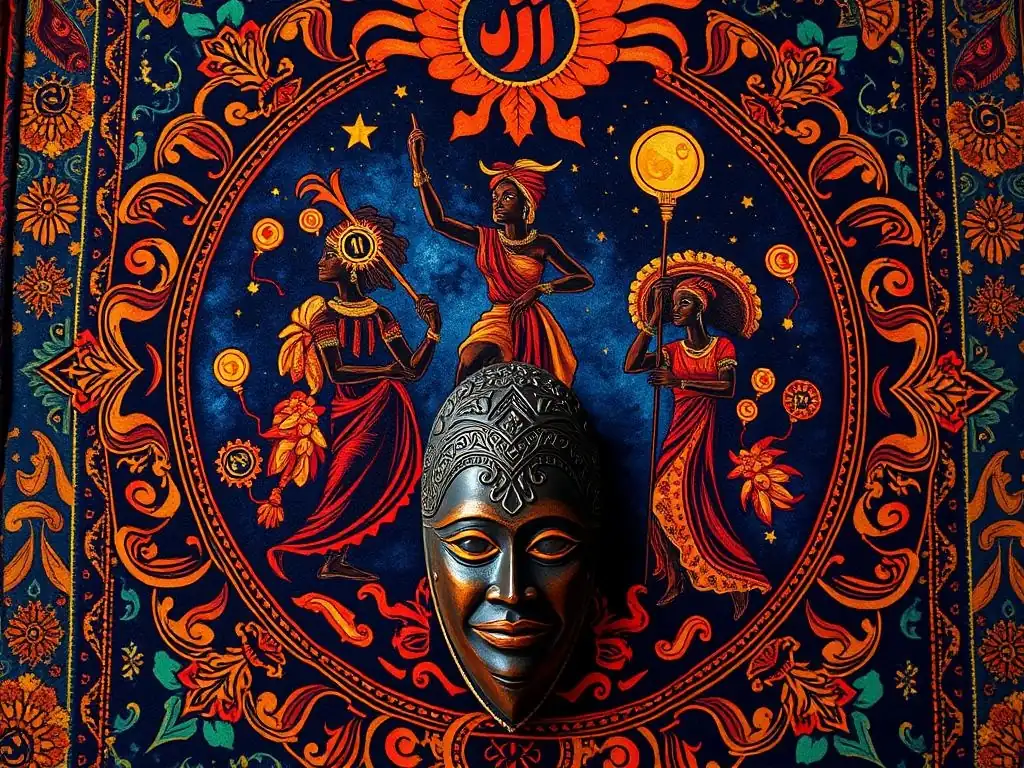
Examining specific cultural practices provides concrete illustrations of how spirit guardians and protection spells function together. These examples from Yoruba, Jamaican, and Haitian traditions highlight the diverse ways these concepts are manifested.
The Yoruba Egungun tradition exemplifies the power of ancestral spirits as community guardians. These masquerades, believed to embody the spirits of deceased ancestors, appear during festivals and significant community events. Their elaborate costumes, chants, and dances are not mere performance; they are rituals through which the ancestors interact with the living, settling disputes, offering blessings, and performing acts of spiritual cleansing and protection for the entire community. The presence of the Egungun is a powerful form of protection, warding off malevolent forces and ensuring the continuity and well-being of the lineage and town.
Case Study 1: The Yoruba Egungun Tradition - Ancestral Reverence and Community Protection
Case Study 2: Obeah Practices in Jamaica - Using Herbal Remedies and Spirit Invocation for Personal Protection
Case Study 3: Haitian Vodou and Petwo Rites - Spirit Guardians and Protection Spells Against Malevolence
In Jamaican Obeah (a term encompassing various folk spiritual practices), protection often involves the use of 'guards' or protective charms, frequently made with specific herbs, oils, and other items, empowered through prayer or invocation. A common practice might involve preparing a protective wash using herbs like cerasee or rue, accompanied by specific words or prayers calling on spiritual aid to cleanse and protect.
While the spirits invoked may vary or be less formally pantheonized than in other traditions, the belief remains that spiritual power is essential to imbue these physical remedies with protective efficacy. These practices illustrate how local flora and spiritual invocation combine to create personal or household protection spells.
Haitian Vodou, particularly within the intense Petwo rites, demonstrates the invocation of powerful Loa for protection against significant threats. Loa such as Ogou Feray (spirit of iron, war, and strength) or certain Petwo spirits known for their fierce nature can be invoked to create potent protection spells against enemies, curses, or serious misfortune.
Rituals might involve specific veves (spiritual drawings), offerings, and the creation of protective talismans like gris-gris bags containing herbs, stones, and other items empowered by the invoked Loa. These complex rituals highlight the crucial role of specific spirit guardians in providing formidable protection within the framework of Vodou's protective practices.
Ethical Considerations and Responsible Practice
Approaching the subject of spirit guardians and folklore protection spells requires a deep sense of responsibility and respect, particularly for those outside the cultural traditions themselves. These are not systems to be casually adopted or experimented with; they are living spiritual paths with established protocols and ethical guidelines.
Respecting cultural traditions means recognizing the sacredness and historical depth of these practices. Avoid trivialization, cultural appropriation, or treating these beliefs merely as curiosities. Understanding the specific cultural context, the history of resilience, and the significance these practices hold for practitioners is paramount. This involves acknowledging that the knowledge surrounding spirit guardians folklore protection spells is often guarded and passed down through specific lineages or initiations.
Respecting Cultural Traditions and Spiritual Practices
The Importance of Seeking Guidance from Experienced Practitioners
Avoiding Misuse and Exploitation of Spiritual Power
Attempting to practice complex protection spells or invoke spirit guardians without proper guidance from experienced and initiated practitioners is generally discouraged within these traditions. Knowledge is often transmitted orally and experientially, requiring years of learning and relationship building with both human mentors and the spirits themselves. Missteps can range from ineffective outcomes to unintended negative consequences, as interacting with spiritual forces carries inherent responsibilities and potential risks if protocols are not followed.
Furthermore, the power associated with spirit guardians and protection spells is understood to be dual-natured; it can protect, but it can also be potentially misused. Ethical practice within these traditions strongly emphasizes using spiritual power for benevolent purposes—healing, protection, community well-being—rather than for harmful or manipulative ends. Exploiting these beliefs for personal gain, causing harm to others, or disrespecting the spirits or traditions are considered serious transgressions. Responsible engagement involves understanding these ethical frameworks and adhering to the guidance of those who walk these spiritual paths legitimately.
The Enduring Legacy of Spirit Guardians and Protection Spells
Despite centuries of external pressures, including colonialism and religious suppression, the belief in spirit guardians and the practice of folklore protection spells have demonstrated remarkable resilience in African and Caribbean cultures and their diasporas. These traditions have adapted, syncretized, and persisted, continuing to offer spiritual solace and practical protection in a changing world.
In contemporary society, spirit guardians folklore protection spells remain relevant for many. They provide a connection to ancestral heritage, a sense of spiritual empowerment, and a means of navigating challenges that conventional approaches may not address. In the face of economic hardship, social instability, or personal adversity, individuals often turn to these traditional methods for spiritual protection and guidance. Practices are maintained in various forms, from formal religious services in syncretic religions like Santería (Cuba), Candomblé (Brazil), and Haitian Vodou, to more informal family or community-based rituals.
How Traditional Beliefs Continue to Shape Modern Practices
The Relevance of Spirit Guardians in Contemporary Society
Preserving and Promoting Cultural Heritage Through Folklore
The preservation and promotion of the cultural heritage associated with spirit guardians and folklore protection spells are vital. Folklore, in its various forms—storytelling, song, dance, ritual—serves as the primary vehicle for transmitting this knowledge across generations. Documenting these practices, supporting cultural festivals, and fostering intergenerational dialogue are crucial steps in ensuring that this rich spiritual legacy is not lost.
Understanding and respecting these beliefs contributes to a broader appreciation of the diversity and depth of human spirituality and the enduring ways in which people seek connection to the unseen world for protection, guidance, and well-being. The intricate world of spirit guardians folklore protection spells offers profound insights into the cultural resilience and spiritual ingenuity of African and Caribbean peoples.
Frequently Asked Questions
What are spirit guardians in the context of folklore and protection spells?
Spirit guardians are supernatural entities believed to offer protection against harm. They often appear in folklore as benevolent spirits, deities, or ancestors invoked through rituals and spells.
How do protection spells work in conjunction with spirit guardians?
Protection spells are rituals or incantations designed to invoke the aid of spirit guardians. They act as a conduit, strengthening the connection and seeking the guardian's active intervention for safety and well-being.
What types of threats are spirit guardians typically invoked to protect against?
Spirit guardians are often called upon to shield against a wide range of threats, including physical danger, evil spirits, curses, and negative energies. The specific threat varies depending on the culture and the guardian's nature.
Are there specific rituals or offerings associated with invoking spirit guardians?
Yes, rituals and offerings are crucial for establishing a connection with a spirit guardian. These can include prayers, chants, symbolic objects, food offerings, or specific actions deemed pleasing to the particular guardian.
How does the belief in spirit guardians and protection spells influence contemporary society?
The belief, while often less literal, influences contemporary society through art, literature, and film, reflecting a persistent human desire for security and supernatural aid. It also informs practices like personal rituals and amulet use for protection.
Final Reflection: Weaving a Shield of Stories – Protection, Folklore, and the Enduring Power of Belief
The enduring fascination with protection spells and spirit guardians reflects a deeply human need for safety and security, a need as relevant today as it was centuries ago. In a world grappling with uncertainty and anxieties, the ancient wisdom embedded in folklore offers a powerful reminder of our innate desire to connect with something larger than ourselves, to find solace and strength in the unseen. The stories we tell, the rituals we perform, these are not mere relics of the past; they are living threads woven into the fabric of our collective consciousness.
The exploration of protection spells and spirit guardians in various folklore traditions reveals a rich tapestry of beliefs and practices, highlighting the universality of the human experience of vulnerability and the search for resilience. These stories, passed down through generations, offer a profound insight into the ways different cultures have sought to navigate the unknown and find comfort in the face of fear. The stories we tell ourselves about the world shape the world we live in.
This quote resonates deeply, as the narratives surrounding spirit guardians and protective magic directly influence our perceptions of safety, power, and our place within the larger cosmos.
Consider the power of narrative in your own life. What stories do you tell yourself about your own strength and vulnerability? How can you draw upon the wisdom of folklore, not to conjure literal magic, perhaps, but to cultivate a sense of inner resilience and a deeper connection to the world around you? Embrace the enduring power of these ancient traditions, not as superstitious practices, but as rich sources of metaphorical strength and inspiration. Let the stories of spirit guardians and protection spells remind you of your own inherent capacity for resilience and the enduring power of belief.
Unleash Your Inner Storyteller: Craft Your Own Legend!
Thanks for delving into the fascinating world of protection spells and spirit guardians! We hope you gained a deeper appreciation for the power of folklore and its enduring relevance. Now it's your turn to weave your own magical narrative.
- Design your own protective amulet or charm: Consider the symbols and materials mentioned in the article, and let your creativity flow. What unique elements will imbue your creation with protective power?
- Share your folklore discoveries: Tell us about a protection spell or spirit guardian from your culture or family history. Let's build a community of folklore enthusiasts together!
- Explore related mythology: Dive deeper into the rich tapestry of protective magic by researching other cultures’ beliefs about spirits and protective rituals. What unexpected parallels or differences do you find?
What unique protective symbol or ritual resonates most deeply with you, and why?