
Orisha Symbols: Identifying and Invoking the Deities

Welcome to Mythology and Legends, your gateway to the world's most captivating stories. Delve into the vibrant tapestry of global folklore and uncover the secrets hidden within ancient narratives. Ever wondered about the power held within seemingly simple signs? Our exploration of Orisha symbols meaning invocation in African and Caribbean traditions begins here. Prepare to unlock the deeper significance of these potent emblems and discover how they resonate even today.
- Understanding Orisha Symbolism in African and Caribbean Religions
- Key Orisha Deities and Their Corresponding Symbols
-
Orisha Symbols Meaning: A Detailed Guide to Identification
- Eleggua: The Guardian of Crossroads and His Symbolic Keys and Colors
- Yemaya: The Ocean Mother and Her Shells, Seashells, and Blue/White Colors
- Oshun: The River Goddess and Her Mirrors, Honey, and Yellow/Gold Colors
- Shango: The God of Thunder and His Double-Headed Axe (Osé), Red/White Colors, and Bata Drums
- Ogun: The God of Iron and War and His Metal Tools, Black/Green Colors, and Dog Sacrifice
- Obatala: The Father of Orishas and His White Cloth, Ivory, and Peace
- Oya: The Goddess of Wind, Storms, and Transformation and Her Cow's Tail Whisk (Iruke) and Multi-Colored Attire
- Babalu Aye: The Orisha of Healing and His Broom, Sackcloth, and Purple Color
- Invoking the Orishas: Rituals and Offerings
- Connecting with the Divine: Interpreting Orisha Symbols and Messages
- The Enduring Legacy of Orisha Symbols
- Frequently Asked Questions
- Final Reflection: Unlocking the Power of Orisha Symbols
- Unlock Your Connection to the Orishas
Understanding Orisha Symbolism in African and Caribbean Religions
The spiritual landscape of African and Caribbean religions, such as Santería (Lukumi), Candomblé, and Vodou, is deeply interwoven with the veneration of the Orishas. These divine beings, emissaries of Olodumare (the Supreme Creator), govern various aspects of the natural world and human experience. Central to the practice and understanding of these faiths is the intricate system of Orisha symbols.
These symbols are not mere artistic representations; they are potent keys used for identification, communication, and ultimately, the invocation of the Orishas. Understanding the meaning behind these Orisha symbols is fundamental to navigating the spiritual path and connecting with the divine forces they embody.
This article delves into the rich tapestry of Orisha symbolism, exploring how these visual cues, colors, objects, and natural elements serve as conduits to the divine. We will examine the specific symbols associated with key Orishas, detailing their significance and how they are employed in rituals and daily life.
From the crossroads guarded by Eleggua to the vast ocean ruled by Yemaya, each deity possesses a unique symbolic language that reveals their nature and power. Mastering the identification and understanding the Orisha symbols meaning invocation provides practitioners with the knowledge needed to approach these powerful entities with respect and efficacy.
The Significance of Symbols in Orisha Worship
Symbols hold profound significance within Orisha worship, acting as the primary means through which devotees recognize, honor, and interact with the deities. Unlike abstract concepts, Orishas are often perceived through tangible manifestations in nature or specific objects crafted by human hands. A symbol, whether it's a particular color, a natural element like a river stone, or a crafted implement like a ceremonial axe, serves as a physical anchor for the spiritual energy (ashé) of the Orisha.
These symbols are not just representations; they are believed to contain or attract the presence and power of the deity, making them essential tools in altars, ceremonies, and personal devotion. For example, the specific arrangement of stones (otá) on an altar, each consecrated to a particular Orisha, serves as the physical dwelling place or point of contact for that deity's energy.
Moreover, symbols function as a visual language that transcends linguistic barriers, transmitting complex theological concepts and historical narratives across generations. They encapsulate the attributes, domains, and even the personality traits of the Orishas. The vibrant yellow and mirrors associated with Oshun immediately evoke her connection to beauty, love, rivers, and wealth, while the dark metal tools linked to Ogun signify his dominion over iron, labor, and warfare.
Learning these visual cues is a fundamental step in initiation and ongoing practice, enabling practitioners to correctly identify the Orisha being honored or invoked, understand their specific needs, and interpret messages received during rituals or divination. This deep understanding of Orisha symbols meaning invocation is crucial for proper ceremonial practice and effective communication with the divine.
Exploring the Roots of Orisha Symbolism
The roots of Orisha symbolism are deeply embedded in the Yoruba culture of West Africa, from which these religious traditions originated before being carried across the Atlantic during the transatlantic slave trade. In Yoruba cosmology, the natural world is seen as infused with spiritual forces, and every element – from rivers and forests to mountains and animals – is associated with specific Orishas. Therefore, many symbols are directly derived from nature.
For instance, Yemaya's connection to the ocean is symbolized by seashells and water, while Shango's association with thunder and lightning finds its symbol in the double-headed axe, representing the power that splits the sky. These natural symbols provided a tangible link to the divine for enslaved peoples dispersed across the Americas, allowing them to maintain their spiritual practices even under oppressive conditions.
Over centuries, as these traditions evolved in the New World, particularly in Cuba (Santería), Brazil (Candomblé), and other regions, the symbolism adapted and sometimes syncretized with elements from other cultures, notably Catholicism. However, the core symbolic language remained remarkably consistent, serving as a secret code and a source of cultural identity and resilience.
Objects used in rituals, such as specific beads (ilekes), colors of clothing, and ceremonial tools (addimú), all carry layers of symbolic meaning passed down through oral tradition and ritual practice. The meticulous preservation of these Orisha symbols, their meaning, and their role in invocation rituals is a testament to the enduring power and adaptability of these faiths.
Key Orisha Deities and Their Corresponding Symbols
The pantheon of Orishas is vast, with varying numbers recognized across different traditions. However, a core group is widely venerated, each identifiable by a distinct set of symbols, colors, and attributes. These symbols serve as their signatures, allowing devotees to differentiate between them, understand their powers, and know how to approach them for specific needs. Identifying the correct Orisha through their visual representations is the first step in establishing a connection and initiating communication or invocation.
The power of these deities is made accessible and tangible through their symbolic manifestations. Altars dedicated to Orishas are vibrant displays of their symbols – specific colors of cloths, designated ritual objects, natural elements, and sometimes even depictions or statues. These visual cues are vital during ceremonies, drumming sessions, and divination, helping practitioners focus their energy and intent towards the specific deity being honored. Understanding the symbolism is not just academic; it is integral to the active practice of invoking the Orishas and seeking their guidance or blessings.
Identifying Orisha Through Visual Representations
Visual representations are the primary way practitioners identify and connect with the Orishas. Each deity has specific colors, often combined in particular patterns, that immediately signify their presence or domain. For example, red and black are strongly associated with Eleggua, symbolizing his duality as the opener of paths and the potential for obstacles. Blue and white are the colors of Yemaya, representing the ocean's depth and purity.
Beyond colors, specific objects are intrinsically linked to each Orisha. Shango is identified by his double-headed axe (Osé Shango) and thunderstones, while Ogun is known by his iron tools like machetes and hammers. These objects are not merely decorative; they are consecrated items believed to embody the Orisha's power and are used in rituals and worn as protective amulets.
Furthermore, natural elements are powerful identifiers. Rivers are sacred to Oshun, the ocean to Yemaya, iron and forests to Ogun, and the wind and cemeteries to Oya. Even specific animals are associated with certain Orishas – the rooster for Eleggua, the peacock for Oshun, the dog for Ogun, the horse for Shango (as he often "mounts" devotees during possession). Learning these associations, often taught through oral tradition and initiation, allows devotees to recognize the Orishas in the world around them and on their altars. This visual literacy is fundamental to proper worship and understanding the Orisha symbols meaning invocation.
The Power of Imagery in Orisha Rituals
Imagery, in the broadest sense encompassing colors, objects, and natural elements, holds immense power in Orisha rituals. These symbolic elements act as focal points for the energy exchange between the human realm and the divine. During ceremonies, the correct use and display of an Orisha's symbols are crucial for attracting their attention and presence.
An altar meticulously prepared with the appropriate colors, offerings, and ritual objects for, say, Oshun, creates an environment conducive to her energy. The yellow cloth, honey, mirrors, and perhaps a fan or peacock feathers, all serve to honor her and make the space welcoming for her ashé.
The rhythmic drumming (especially Bata drums for Shango), songs, and dances performed during rituals are also deeply symbolic, invoking the specific rhythms and movements associated with each Orisha. Even the patterns of beads (ilekes) worn by initiates are specific to the Orisha they are "crowned" with, serving as a constant symbolic connection.
The power of this imagery lies in its ability to focus intention, evoke the deity's nature, and facilitate a spiritual connection. When practitioners engage with these symbols during invocation, they are tapping into a potent visual and energetic language established over centuries, making the Orisha symbols meaning invocation a dynamic part of the religious practice.
Orisha Symbols Meaning: A Detailed Guide to Identification
Understanding the specific symbols associated with individual Orishas is vital for proper identification, veneration, and invocation. Each deity has a unique set of attributes reflected in their colors, objects, and associated elements.
Eleggua: The Guardian of Crossroads and His Symbolic Keys and Colors
Eleggua (also known as Eshu, Exu, or Legba in various traditions) is perhaps the most crucial Orisha, as he is the messenger between humanity and the divine and the opener/closer of paths and doors. His symbols are numerous and reflect his multifaceted nature. His primary colors are red and black, representing life and death, beginnings and endings, opportunity and obstacle.
He is often depicted as a child or an old man, embodying his ancient wisdom and playful capriciousness. Key symbolic objects include keys, which represent his power to open and close doors (opportunities or barriers); crossroads, his domain where decisions are made and paths diverge; cowrie shells, often used in divination (Diloggun), which he oversees; and a hooked staff (garabato), signifying his ability to clear paths.
Eleggua's symbols are central to any ritual or invocation, as he must be acknowledged and appeased first before any other Orisha. His small statue or consecrated stone (otá) is typically placed near the entrance of a home or ritual space. Offerings for Eleggua often include candies, toys, rum, and smoked fish/jutía, reflecting his varied tastes and ensuring his favor in opening the way for communication.
Understanding Eleggua's symbols meaning invocation is paramount, as failing to honor him correctly can result in blocked paths and unanswered prayers. His ability to facilitate or hinder communication makes him the gatekeeper of the spiritual realm.
Yemaya: The Ocean Mother and Her Shells, Seashells, and Blue/White Colors
Yemaya (also spelled Yemoja, Iemanjá) is the mother of all Orishas and the goddess of the ocean, motherhood, and nurturing. Her symbols are deeply tied to her domain. Her primary colors are blue and white, representing the vastness and purity of the ocean, its waves, and sometimes the foamy surf.
Seashells, particularly cowrie shells, are strongly associated with her, symbolizing abundance, the womb, and the deep connection to the sea. Other symbols include waves, fish, boats, and anything related to the ocean's bounty and mystery. She is often depicted as a beautiful, powerful woman, sometimes adorned with pearls or cowrie shells.
Yemaya's altar is typically decorated with blue and white fabrics, filled with seashells, and may include a bowl of water to represent her domain. Offerings for Yemaya often consist of watermelon, molasses, seafood (excluding certain types), and flowers, particularly white roses, cast into the sea or a body of water. Invoking Yemaya through her symbols and understanding their meaning is done to seek her maternal protection, healing, fertility, and abundance. Her connection to the deepest mysteries of life and the subconscious makes her symbols powerful conduits for profound spiritual work.
Oshun: The River Goddess and Her Mirrors, Honey, and Yellow/Gold Colors
Oshun (also spelled Osun, Oxum) is the Orisha of rivers, fresh water, love, beauty, sensuality, wealth, and diplomacy. Her symbols reflect her radiant and alluring nature. Her primary colors are yellow and gold, representing sweetness, wealth, sunshine, and beauty. Symbolic objects include mirrors, which signify self-love, beauty, and reflection; fans, often made of peacock feathers, symbolizing elegance and grace; honey, representing sweetness, pleasure, and her favorite offering; and gold or brass objects, signifying wealth and preciousness. Peacocks and vultures are among her associated animals.
Oshun's altar is a vision of beauty, adorned with yellow and gold cloths, mirrors, honey pots, perfumes, and jewelry. Offerings for Oshun commonly include honey (though it must be tasted first to ensure it's sweet), pastries, pumpkins, and river water. Invoking Oshun through her symbols and understanding their meaning is often done to seek help with matters of love, relationships, fertility, finances, and self-esteem. Her connection to flowing water symbolizes her ability to bring blessings and sweetness into life, making her symbols potent for attracting good fortune and affection.
Shango: The God of Thunder and His Double-Headed Axe (Osé), Red/White Colors, and Bata Drums
Shango (also spelled Changó, Xangô) is a powerful and popular Orisha, governing thunder, lightning, fire, justice, dance, and virility. His symbols are dynamic and forceful. His primary colors are red and white, representing passion, fire, and purity, or sometimes the duality of his nature.
His most iconic symbol is the double-headed axe (Osé Shango), which represents the power of thunder and justice that strikes decisively in two directions. Other symbols include thunderstones (Edun Ara), carved wooden bowls used to hold these stones, fire, towers (as he was a king), and the Bata drums, whose specific rhythms are sacred to him and are used to call him during ceremonies.
Shango's altar is typically adorned with red and white, featuring his Osé, thunderstones, and sometimes carved wooden figures representing him. Offerings for Shango often include cornmeal, okra soup (amalá), red apples, and rum. Invoking Shango through his symbols and understanding their meaning is done to seek justice, protection against enemies, strength, courage, and victory. His association with fire and thunder highlights his transformative power and his role as a formidable warrior and judge, making his symbols potent for invoking powerful, protective energy.
Ogun: The God of Iron and War and His Metal Tools, Black/Green Colors, and Dog Sacrifice
Ogun (also spelled Ogún, Ogum) is the Orisha of iron, metalworking, technology, war, labor, hunting, and the pathfinder who clears obstacles with his machete. His symbols are inherently linked to metal and the forge. His primary colors are green and black, representing the forest and the earth (where metal is found) or the duality of creation and destruction.
His most significant symbols are metal tools, particularly the machete, knife, hammer, and other implements of iron or steel, symbolizing his dominion over technology and his role as a warrior and laborer. An anvil or forge is also a powerful symbol of his domain. Dogs are sacred to him and often associated with his energy.
Ogun's altar is typically centered around a cauldron filled with metal tools, often housed outdoors or in a dedicated space representing his connection to the wild and the forge. Offerings for Ogun often include yams, grilled meat, palm oil, and rum. While historically associated with dog sacrifice in some contexts, modern practices vary greatly, with many focusing on bloodless offerings or symbolic gestures.
Invoking Ogun through his symbols and understanding their meaning is done to seek protection, clear obstacles, gain strength for difficult tasks, ensure success in ventures requiring effort, and for matters related to justice and law enforcement. His connection to iron makes his symbols durable and powerful for invoking perseverance and breaking through barriers.
Obatala: The Father of Orishas and His White Cloth, Ivory, and Peace
Obatala (also spelled Obatalá, Oxalá) is considered the father of the Orishas, the creator of human bodies, and the Orisha of purity, peace, justice, and wisdom. His symbols reflect his serene and pure nature. His primary color is white, representing purity, peace, clarity, and the creation of life. Symbolic objects include white cloth, ivory, silver, snails (diloggún), and a horse's tail whisk (irukere), which he uses to bless and purify. Mountains are sometimes associated with his domain, representing stability and height.
Obatala's altar is characterized by its pristine white appearance, adorned with white cloths, cotton, and white flowers. Offerings for Obatala are always white and pure, such as rice, milk, water, coconut, and shea butter. Invoking Obatala through his symbols and understanding their meaning is done to seek peace, calm, wisdom, justice, and purity. He is approached for blessings related to health, particularly mental health, and for guidance in making important decisions. His gentle yet powerful presence, symbolized by white, signifies his role as the ultimate source of peace and creation.
Oya: The Goddess of Wind, Storms, and Transformation and Her Cow's Tail Whisk (Iruke) and Multi-Colored Attire
Oya (also spelled Oyá, Iansã) is the powerful Orisha of the winds, storms, lightning (sometimes shared with Shango), the marketplace, and the gatekeeper of the cemetery, guiding the transition between life and death. Her symbols are dynamic and represent change and transformation. Her colors are often a mix of nine different colors (excluding black), representing her nine children or her dominion over the nine gates of the cemetery.
Her most iconic symbol is the iruke (cow's tail whisk), which she uses to control the wind and clear negative energy. Other symbols include the sword, representing her warrior aspect, and copper objects. Buffaloes are her sacred animal.
Oya's altar is vibrant with her many colors, often featuring her iruke and depictions of wind or storms. Offerings for Oya include eggplant, grapes, and rum. Invoking Oya through her symbols and understanding their meaning is done to seek help with transformation, navigating difficult changes, protection from storms (both literal and figurative), assistance in business (marketplace), and guidance related to ancestors and the transition of life. Her connection to the wind signifies her ability to bring swift change and clear the path forward.
Babalu Aye: The Orisha of Healing and His Broom, Sackcloth, and Purple Color
Babalu Aye (also spelled Babalú Ayé, Obaluayê, Omulu) is the Orisha associated with infectious diseases, healing, the earth, and the sick. He is often invoked during times of epidemic or illness. His symbols reflect his connection to suffering, healing, and the earth. His primary color is purple (sometimes brown or black), representing mourning, suffering, and penitence. Symbolic objects include a broom made of palm fronds (jojó), used to sweep away sickness and negative energy; sackcloth or burlap, representing humility and illness; crutches; and dogs, who are often seen licking his sores in depictions.
Babalu Aye's altar is often humble, featuring sackcloth, his broom, and sometimes depictions of dogs. Offerings for Babalu Aye typically include popcorn, beans, and water. Invoking Babalu Aye through his symbols and understanding their meaning is primarily done to seek healing from diseases, protection from illness, and relief from suffering. He is approached with great respect and humility, acknowledging his power over both sickness and its cure. His symbols emphasize the themes of purification and resilience in the face of adversity.
Invoking the Orishas: Rituals and Offerings
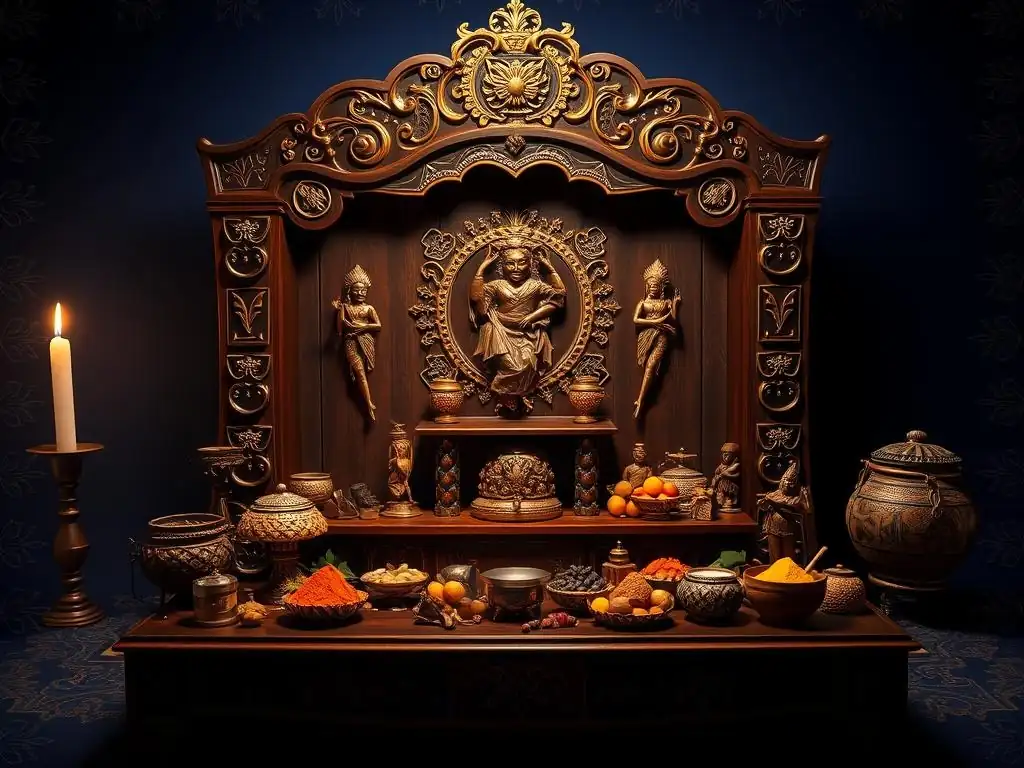
Invocation is the act of calling upon an Orisha to request their presence, guidance, or intervention. This process is deeply ritualized and relies heavily on the correct use of Orisha symbols, specific prayers, and appropriate offerings. The goal is to create a sacred space and perform actions that resonate with the energy and preferences of the desired deity, thereby facilitating communication and connection. Understanding the Orisha symbols meaning invocation is crucial for performing these rituals effectively and respectfully.
Successful invocation requires not only knowledge of the symbols but also a sincere heart, clear intention, and adherence to established protocols passed down through lineage. The rituals can range from simple personal prayers and offerings at a home altar to complex public ceremonies involving drumming, singing, dancing, and spirit possession. Regardless of scale, the proper use of symbolic elements is the bridge that connects the practitioner to the divine force being called upon.
The Role of Symbols in Orisha Invocation
Symbols play a fundamental and active role in the invocation of Orishas. They are not passive representations but are believed to be imbued with the ashé of the deity. Placing the correct consecrated objects, using the appropriate colors, and offering the designated items on an altar creates a spiritual magnet, attracting the energy of the Orisha. For example, laying out Ogun's tools and offering him rum and grilled meat during a ritual focused on overcoming obstacles signals clearly to the spiritual realm that Ogun is being called upon and honored in a manner pleasing to him.
Furthermore, specific actions involving symbols are part of the invocation process. For instance, using an iruke (Oya's whisk) to clear space before a ritual invokes her energy of purification and transformation. Drumming specific rhythms associated with an Orisha calls them by their unique energetic signature. Wearing the correct colors or bead patterns (ilekes) during a ceremony identifies the devotee with a particular Orisha, strengthening the bond and facilitating possession in some traditions. The Orisha symbols meaning invocation is intrinsically linked to their function as tools that focus spiritual energy and intention, making the divine presence more accessible.
Preparing for an Orisha Invocation Ritual
Preparation for an Orisha invocation ritual is a meticulous process that emphasizes purity, respect, and attention to detail, ensuring that the space and the practitioner are ready to receive divine energy. This typically begins with personal purification, which might involve ritual bathing or wearing clean, appropriate clothing, often in the colors associated with the Orisha being invoked or one's guardian Orisha. The ritual space itself must also be cleansed, physically and spiritually, to remove negative energies. This might involve sweeping, washing floors with specific herbal solutions, or using smoke from herbs like sage.
Setting up the altar is a critical step, requiring precise placement of the Orisha's consecrated objects (otá, tools, vessels), covering the space with cloths of the correct colors, and arranging the specific offerings (addimú) that are pleasing to the deity. For example, preparing to invoke Oshun would involve ensuring the altar is adorned with yellow, includes mirrors, honey, and perhaps fresh flowers or fruit, all arranged beautifully.
The practitioner also prepares mentally by focusing their intention, clearing their mind, and reciting prayers or songs associated with the Orisha. This careful preparation, guided by the understanding of Orisha symbols meaning invocation, ensures that the ritual is performed correctly and respectfully, increasing the likelihood of a successful connection.
Offerings and Prayers Associated with Specific Orishas
Offerings (addimú) and prayers are integral components of Orisha invocation, serving as acts of devotion, appeasement, and communication. Each Orisha has specific preferences for offerings, which are rooted in their mythological narratives, characteristics, and domains. These offerings can range from food and drink to flowers, candles, or even specific actions like dancing or singing.
Presenting the correct offerings, prepared with care and intention, is a vital way to honor the Orisha and demonstrate respect, making the invocation more potent. For instance, offering okra soup (amalá) to Shango is a direct reference to his mythological stories and is believed to be highly pleasing to him.
Prayers (oríkì) associated with specific Orishas recount their praises, attributes, and accomplishments, serving to invoke their presence and power. These prayers often use poetic language and reference the Orisha's symbols and domains. Reciting the oríkì for Yemaya might involve praising her as the Mother of the Waters, referencing the sea, shells, and her nurturing nature.
The combination of appropriate offerings and sincere prayers, made in a space prepared with the correct Orisha symbols, creates a powerful spiritual synergy. Understanding the Orisha symbols meaning invocation extends to knowing which offerings and prayers are most effective for each deity, facilitating a deeper and more meaningful connection.
Connecting with the Divine: Interpreting Orisha Symbols and Messages
Connecting with the Orishas involves not only invoking them but also being receptive to their guidance and messages. The Orishas communicate in various ways, often through signs and symbols encountered in daily life, dreams, or during divination. Interpreting these messages requires familiarity with the Orisha symbols meaning invocation and an understanding of how the deities interact with the human world. This process of deciphering divine communication is crucial for navigating one's spiritual path and receiving the support and wisdom of the Orishas.
Learning to interpret these signs is an ongoing process, developed through practice, study, and guidance from elders or initiated priests/priestesses (Santeros/Santeras, Babalawos, etc.). The Orishas speak through the language of ashé, which is often expressed through symbolic events, feelings, or patterns. Recognizing the hand of a specific Orisha in an event – perhaps finding a key associated with Eleggua when needing guidance, or seeing a peacock (Oshun) when seeking love – is part of living in tune with their energies.
Deciphering the Meaning Behind Orisha Symbolism in Dreams
Dreams are considered a significant avenue through which the Orishas communicate, often conveying messages through vivid imagery and symbolism. Encountering specific Orisha symbols in a dream is rarely coincidental; it is seen as a direct communication from the deity associated with those symbols. For example, dreaming of a raging fire or a double-headed axe might signify a message from Shango, perhaps related to justice, passion, or a need for strength. Dreaming of clear, flowing river water and the color yellow could be a message from Oshun, possibly concerning matters of love, happiness, or abundance.
Interpreting these dream symbols requires knowledge of the Orisha symbols meaning invocation and their associated domains. The context of the dream is also crucial – were the symbols positive or negative? What emotions were present? Was the Orisha appearing in a specific form? While some symbols have widely accepted meanings, personal associations and the specific circumstances of the dreamer also play a role. Often, consultation with an elder or diviner is sought to gain a clearer understanding of complex or confusing dream messages, ensuring that the guidance from the Orishas is correctly interpreted.
Understanding Orisha Guidance Through Divination (e.g., Diloggun, Ifá)
Divination systems like Diloggun (using cowrie shells) and Ifá (using palm nuts or Ikin) are sophisticated methods specifically designed to receive detailed guidance and messages from the Orishas. These systems are based entirely on complex patterns and symbolic meanings associated with the Orishas and their interactions. In Diloggun, the way the 16 cowrie shells fall is interpreted based on specific verses (patakís) and meanings linked to the Orishas. Each pattern of shells corresponds to a specific Odu (sign) that carries a wealth of information about the situation, the Orishas involved, potential challenges, and recommended solutions.
Ifá, the domain of the Babalawos (Fathers of the Secrets), is an even more complex system using 16 palm nuts or a divination chain (Opele) to cast 256 possible Odus. Each Odu in Ifá has thousands of associated verses, proverbs, and stories (patakís) that provide profound insights into a person's destiny, problems, and the will of the Orishas. Both Diloggun and Ifá readings are essentially elaborate interpretations of Orisha symbols and their combinatorial meanings.
The diviner acts as a translator, deciphering the language of the shells or nuts to convey the Orishas' messages, warnings, and instructions for achieving balance and resolving issues. Understanding the Orisha symbols meaning invocation is vital for both the diviner interpreting the reading and the person receiving the guidance.
Ethical Considerations of Working with Orisha: Respect, Lineage, and Responsibility
Working with the Orishas is a profound spiritual undertaking that comes with significant ethical considerations, emphasizing respect, adherence to lineage, and personal responsibility. Respect for the Orishas themselves, their power, and their sacred symbols is paramount. This means approaching them with humility, sincerity, and following the protocols established within the tradition. Treating consecrated objects carelessly or using symbols disrespectfully is seen as a grave offense.
Adherence to lineage is also crucial. Orisha traditions are initiatory faiths, with knowledge, rituals, and the ability to work effectively with the deities passed down through a line of initiated priests and priestesses. Seeking guidance and initiation from reputable elders ensures that one is learning the correct practices, understanding the true Orisha symbols meaning invocation, and respecting the integrity of the tradition.
Attempting to work with the Orishas based solely on reading books or online sources without proper guidance can be ineffective or even harmful, as the nuances and spiritual power are transmitted through direct teaching and ritual. Finally, personal responsibility is key. While the Orishas offer guidance and support, individuals are responsible for their actions and choices.
The Orishas do not solve problems for you; they provide the ashé, guidance, and tools to empower you to navigate challenges and live in alignment with your destiny. Ethical practice involves using the wisdom and power granted by the Orishas for positive purposes and for the benefit of oneself and the community, always honoring the balance and justice they represent.
The Enduring Legacy of Orisha Symbols
The rich and complex system of Orisha symbols continues to thrive, not only within the religious practices of Santería, Candomblé, and other related traditions but also in broader cultural contexts. These symbols are powerful representations of identity, resilience, and spirituality, resonating beyond the confines of ritual spaces. Their enduring legacy speaks to the strength and adaptability of the Orisha faith and the universal appeal of the archetypal energies these deities embody. From visual arts and music to literature and fashion, Orisha symbols have found new expressions, connecting contemporary generations to their ancestral heritage.
This continued presence ensures that the Orisha symbols meaning invocation remains relevant and accessible. While their primary function is spiritual, their aesthetic and cultural significance allows them to serve as bridges, fostering understanding and appreciation for these vibrant traditions among a wider audience. Preserving the authentic meaning and usage of these symbols, while acknowledging their evolving cultural footprint, is an ongoing effort within the Orisha community.
Orisha Symbols in Contemporary Art and Culture
Orisha symbols have a significant presence in contemporary art, music, dance, and popular culture, serving as powerful visual and thematic elements. Artists of African and Caribbean descent, as well as others inspired by these traditions, often incorporate Orisha imagery into their work as a way to express identity, spirituality, and cultural pride. This can be seen in paintings, sculptures, murals, and even street art that feature the colors, objects, and forms associated with the Orishas. For example, depictions of Oshun with mirrors and yellow hues, or Shango with his double-headed axe, are common.
In music and dance, the rhythms and movements sacred to the Orishas are performed not only in religious ceremonies but also on stage, adapted for performance while still retaining their symbolic power. The specific drum patterns (toques) used to call each Orisha, and the dances that mimic their mythological actions, are forms of symbolic expression that resonate deeply.
Fashion and jewelry also feature Orisha symbols, from beadwork incorporating the colors of specific deities to pendants shaped like Eleggua's key or Shango's axe. This integration into contemporary culture helps to keep the Orisha symbols meaning invocation alive and visible, introducing elements of the faith to those who may not be practitioners but are drawn to their aesthetic and cultural significance.
Preserving and Respecting Orisha Traditions
The preservation of Orisha traditions, including the accurate understanding and use of their symbols, is a vital concern for practitioners and communities worldwide. As these faiths gain visibility, there is a need to ensure that their sacred elements, particularly the Orisha symbols meaning invocation, are treated with respect and not misappropriated or commercialized without understanding their deep spiritual context. Elders and initiated practitioners play a crucial role in passing down the oral traditions, rituals, and the precise knowledge required to work with the Orishas ethically and effectively.
Efforts to preserve these traditions include teaching the Yoruba language (the liturgical language), documenting the vast body of patakís (sacred stories), and maintaining the integrity of ritual practices. There is also a focus on educating the wider public about the true nature of these faiths, moving beyond stereotypes and misconceptions.
By emphasizing the spiritual significance of the symbols and the responsibilities that come with working with the Orishas, communities strive to ensure that the enduring legacy of these powerful deities and their symbolic language is honored and protected for future generations. The continued practice and teaching of the Orisha symbols meaning invocation are central to this preservation effort.
Frequently Asked Questions
What are Orisha symbols and why are they important?
Orisha symbols are visual representations and sacred objects associated with specific Orishas in Yoruba religion and related traditions. They are important because they serve as focal points for invocation, allowing devotees to connect with and honor the deities.
How can I identify an Orisha symbol?
Identifying an Orisha symbol requires knowledge of the specific deity and their associated attributes. Each Orisha has distinctive colors, objects, and patterns that represent their powers and domains. Research and consultation with practitioners are key to accurate identification.
What does "invocation" mean in the context of Orisha worship?
Invocation in Orisha worship refers to the act of calling upon or invoking a specific Orisha. This is done through prayer, song, dance, and the use of Orisha symbols, with the intention of establishing communication and receiving blessings.
How can Orisha symbols be used to invoke the deities?
Orisha symbols are often used during rituals and ceremonies to focus energy and attention on the specific Orisha being invoked. They can be placed on altars, worn as jewelry, or used in divination to facilitate a connection with the divine.
Are there any dangers in using Orisha symbols improperly?
Yes, improper use of Orisha symbols can be considered disrespectful or even dangerous. It is crucial to approach them with reverence, understanding, and guidance from experienced practitioners to avoid unintended consequences and maintain spiritual integrity.
Final Reflection: Unlocking the Power of Orisha Symbols
The vibrant tapestry of Orisha symbolism continues to resonate deeply within contemporary society, offering a powerful pathway to self-discovery and spiritual connection. Understanding these symbols isn't merely an academic exercise; it's a key to unlocking a rich spiritual heritage and harnessing its transformative potential for personal growth and community building. The intricate details, from the colors to the tools associated with each Orisha, provide a tangible link to a powerful ancestral legacy.
The enduring influence of Orisha symbols on the cultural landscape is undeniable. Their presence extends far beyond religious practice, weaving its way into art, music, fashion, and even everyday life. They represent a living tradition, constantly evolving yet rooted in ancient wisdom. As we delve deeper into their meaning, we gain a richer understanding of the complexities of the human spirit and the interconnectedness of all things. The symbols are not merely representations; they are vessels of energy, conduits to the divine.
This quote, though paraphrased, captures the essence of the power held within these sacred images.
Consider the symbols you've encountered throughout this exploration. Reflect on how they resonate with your own life experiences and spiritual journey. What insights have you gained? What connections have you made? I encourage you to continue your exploration, to engage with these symbols respectfully and thoughtfully, and to allow their profound wisdom to guide you on your path. Let the vibrant energy of the Orishas illuminate your way, empowering you to live a more fulfilling and meaningful life.
Unlock Your Connection to the Orishas
Thanks for exploring the fascinating world of Orisha symbols with us! We hope you've gained a deeper understanding of these powerful representations of divinity. Now it's time to take that knowledge further.
- Begin your personal Orisha journey: Choose one Orisha that resonates most strongly with you and research their specific offerings and prayers. This is your first step towards a deeper connection.
- Share your insights: Discuss your favorite Orisha symbol and what it represents to you in the comments below – let's build a community of Orisha enthusiasts!
- Explore symbolic art: Find and create artwork representing your chosen Orisha – a powerful way to visualize and strengthen your connection.
Which Orisha symbol resonates most deeply with you, and why?