The Great River Spirit: Origin of LifeGiving Waters
🌊 Dive into the mystery of the Ancient river spirit beliefs, where legendary waters are believed to be the life-giving force behind…
Read article
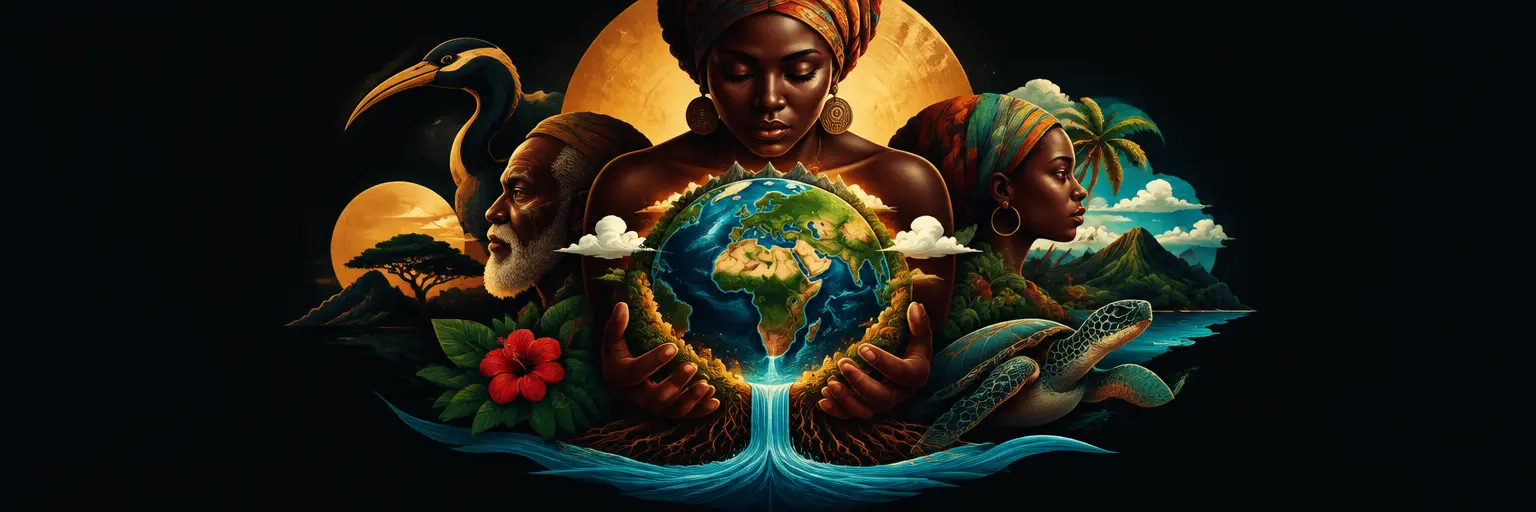
Creation and origin myths from Africa and the Caribbean are not just stories—they are living blueprints of identity, cosmology, and moral order, passed down through generations via oral tradition. These powerful narratives explain how the universe emerged from chaos, how the first humans learned fire, language, and death, and why the world operates as it does. From the Yoruba’s divine odù and the Dogon’s cosmic egg to the Anansi spider tales that spin trickery into creation, each myth reveals a unique relationship between the divine, nature, and humanity. In the Caribbean, these ancient African roots fused with indigenous and colonial influences, giving birth to vibrant origin stories of rebellion, resilience, and rebirth. Explore how these timeless legends continue to shape modern spirituality, art, and social values, offering profound insights into the human need to understand our beginnings. Perfect for mythology enthusiasts, cultural researchers, and storytelling lovers seeking a deeper, more authentic connection to global heritage.
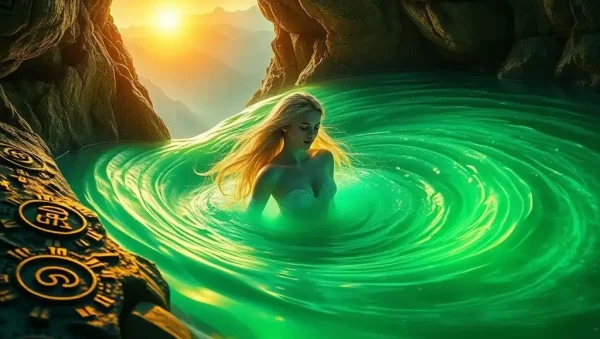
🌊 Dive into the mystery of the Ancient river spirit beliefs, where legendary waters are believed to be the life-giving force behind…
Read article
🌌 Unlock the mysteries of ancient dream origins symbolism in "The Secrets of the First Dream," revealing how early myths shaped our…
Read article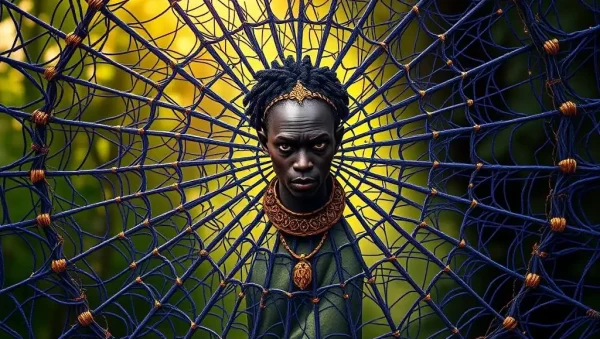
🕸️ Discover how Anansi stories, Ashanti folklore's iconic spider trickster, weave rich cultural lessons and timeless narratives, revealing the deep roots of…
Read article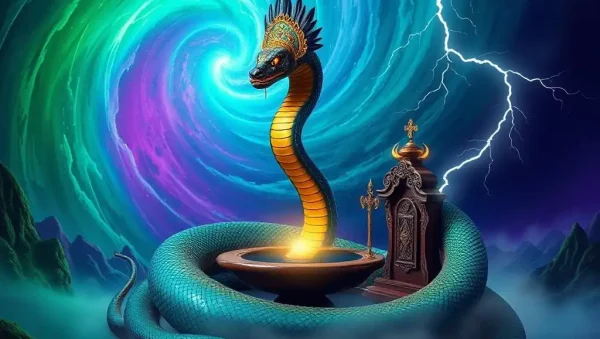
🌟 Discover the profound power of Haitian Vodou Damballah serpent energy, a primal force embodying creation, wisdom, and spiritual harmony. This ancient…
Read articleDive into the profound narratives that explain how the universe, humanity, and natural order came to be in African and Caribbean traditions. Unlike singular creation accounts, these myths offer a rich tapestry of divine interventions, trickster figures, and cosmic battles that shape identity and morality. From the Dogon’s intricate cosmology to the Yoruba’s Oduduwa legend and the Caribbean’s Anansi tales of origin, this subcategory reveals how ancient cultures encoded their values, geography, and social structures into timeless stories. Explore how these myths continue to influence art, religion, and modern storytelling, offering a unique lens on humanity’s quest for meaning.
Here, you’ll encounter the ultimate creators like Nyame of the Akan, Olorun of the Yoruba, and Nzambe of the Kongo. These myths detail how the cosmos was formed from primordial chaos, often through divine words, cosmic eggs, or the separation of sky and earth. Expect explanations of why the heavens and earth are distant, the origin of celestial bodies, and the initial harmony or discord among gods and mortals.
Understand the symbolic layers behind each act of creation—whether it’s a spider weaving the first web or a chameleon carrying the message of immortality. These stories not only satisfy curiosity about beginnings but also encode ethical principles, such as respect for nature or the consequences of pride. You’ll see how gender roles, hierarchy, and divine justice are mirrored in these cosmic blueprints, making them essential reading for anyone interested in cultural anthropology.
This section focuses on the varied explanations for human origin—from being molded from clay, emerging from a sacred tree, or descending from the stars. For instance, the Fon of Benin speak of the god Mawu creating humans from river clay, while Caribbean tales blend African roots with indigenous Arawak influences. Expect to explore why humans have flaws, mortality, or different languages, as these myths often attribute such realities to a mistake or a trickster’s deception.
Discover the moral underpinnings of these origin stories, which often teach humility, the balance of good and evil, or the importance of community. For example, the Ashanti myth of the first woman, who carried a calabash containing the seeds of all life, highlights the sacredness of women and agriculture. These narratives provide a unique framework for understanding early philosophical inquiries about free will, destiny, and the human condition, offering timeless context for contemporary identity.
Trickster figures play a pivotal role in many creation myths, challenging divine perfection and introducing necessary disorder. Anansi the spider, originally from the Akan, appears across Caribbean folklore as a culture hero who stole stories from the sky god. Eshu, the Yoruba messenger, embodies randomness and choice, often forcing creation to adapt. These figures are not merely comedic relief but are architects of change and innovation, showing that imperfection is essential to evolution.
In this section, you’ll learn how tricksters break rules to create new realities—such as introducing death, fire, or language. Their exploits offer a subversive commentary on rigid hierarchies and blind obedience, celebrating wit over brute strength. For modern readers, these myths resonate with themes of cunning, resilience, and the unfinished nature of creation. They explain why the world is not static but constantly renegotiated, making them favorites in contemporary literature and pop culture.
Here, you’ll explore how geography, climate, and historical migrations shaped distinct creation narratives across Africa and the diaspora. In West Africa, drought-tolerant myths emphasize water and rain gods, while in the Congo basin, forest spirits dominate. Caribbean adaptations often merge African deities with Catholic saints, a process known as syncretism, resulting in figures like Papa Legba or Damballa in Haitian Vodou. Compare the lush, aquatic creations of the Igbo with the arid, sky-focused myths of the Dogon.
Understanding these variations reveals how environment dictates cosmology. For instance, coastal communities often depict creation from foam or the sea, while savannah dwellers envision lightning as a creator’s tool. This diversity underscores that no single "African myth" exists—rather, a mosaic of perspectives. It also highlights the resilience of these stories through the transatlantic slave trade, where they were adaptedand preserved in secrecy, becoming a cornerstone of Caribbean cultural pride.
This final section explores how these ancient stories are reborn in contemporary society, from Nnedi Okorafor’s speculative fiction to Marvel’s portrayal of Black Panther’s origin. Filmmakers, poets, and musicians reclaim these myths to challenge colonial narratives and assert cultural sovereignty. The Yoruba orisha, for example, appear in songs by Beyoncé, while Anansi stars in children’s books and animated series. These modern adaptations retain the core existential questions but frame them for current audiences, addressing themes like climate change, social justice, and identity politics.
Unbox the creative process of artists who remix these myths, such as the visual novel "Li'l' Narcy" or the film "Black Panther" incorporating the myth of Vibranium as a cosmic mineral. They demonstrate that creation myths are living documents, not static relics. As society grapples with the origins of inequality or ecological crises, these narratives offer metaphoric resources for reflection and action. Explore how scholars analyze these adaptations, revealing a global conversation about heritage, accountability, and perpetual creation.
The Yoruba creation myth, centered on Oduduwa descending with a chain and a rooster to form land over the primordial waters, is widely cited. It’s popular due to its vivid imagery and connection to the founding of the Oyo Empire. However, the Dogon’s complex cosmology, detailing a cosmic egg and the god Amma, is also highly studied for its scientific parallels.
Survival occurred through oral tradition, adaptation, and secrecy. Enslaved Africans merged their deities with Catholic saints to avoid persecution, as seen in Haitian Vodou and Cuban Santería. Anansi tales traveled via bards and family stories, evolving into Caribbean folklore. These narratives persisted because they reinforced community bonds and resistance, offering spiritual hope against oppression.
Yes, many African myths attribute death to a message-gatherer’s failure. For example, the Ashanti say the sky god Nyame sent a chameleon with a message of eternal life, but the chameleon dawdled, killing God’s messenger first. This story is echoed in Yoruba and Igbo variants, linking mortality to disobedience or miscommunication among divine agents.
Female deities are often central, such as the Akan’s Abena or the Fon’s Mawu (the moon and motherhood figure). They may create elements, birth heroes, or impart sacred knowledge. While some myths portray them as subordinate to male gods, many highlight women as primary creators, healers, or lawgivers, reflecting diverse gender roles across cultures.
Some scholars see allegories of migrations, famines, or climate changes embedded in creation stories. For instance, the Dogon’s Sirius B reference might encode astronomical observations. Others interpret wind patterns as memory of droughts. However, such links remain speculative; the primary purpose remains moral, cosmological, and cultural identity rather than literal history.