Anansi's Web: Connecting Stories Across Continents
🌍 Discover how West African folktales Anansi stories weave a rich tapestry of cultural wisdom, connecting diverse societies and inspiring modern narratives…
Read article
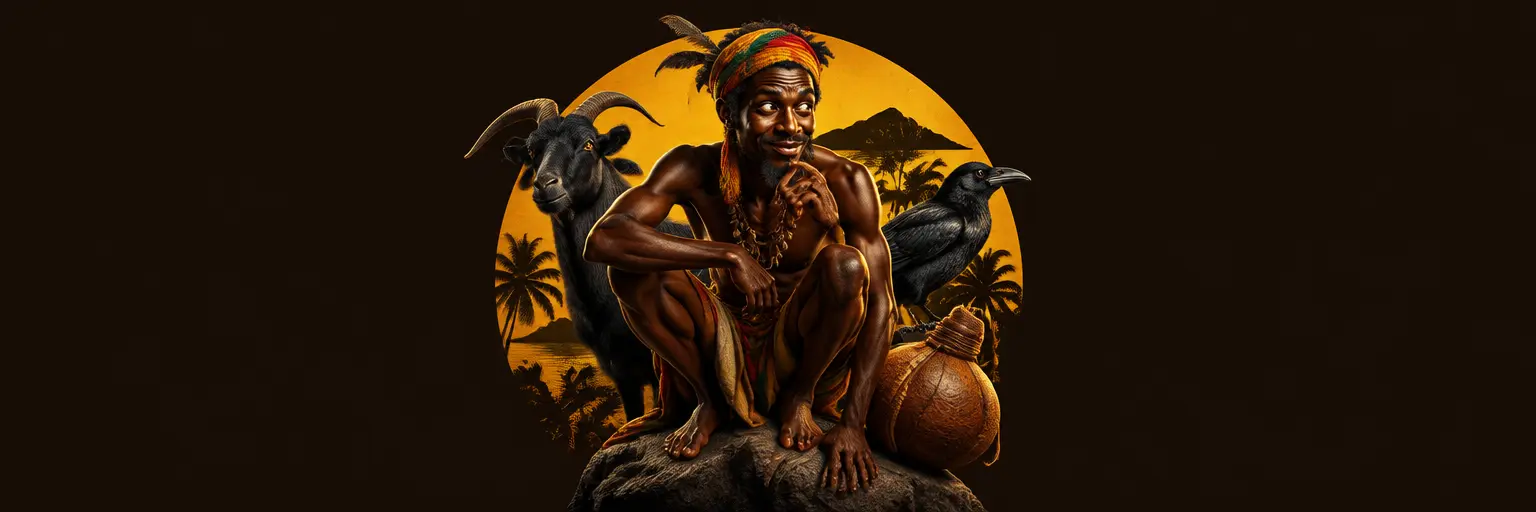
Dive into the captivating world of Mythological Tricksters from African and Caribbean folklore, where cunning, chaos, and wit reign supreme. These legendary figures—like Anansi the Spider, Legba, and Br’er Rabbit—are not mere troublemakers; they are masterful storytellers and culture bearers who challenge authority, subvert social norms, and reveal profound truths through their mischievous deeds. Far more than simple comic relief, these tricksters embody the resilience and intellect of their communities, often using intelligence over brute force to overcome adversity. By exploring their clever schemes and transformative journeys, you’ll uncover how these timeless tales celebrate survival, creativity, and moral ambiguity, while shaping the rich narrative traditions that continue to influence modern literature and pop culture. Whether you’re a folklore enthusiast or a curious newcomer, these stories offer a thrilling blend of humor, danger, and wisdom that proves the trickster’s ultimate power lies not in strength, but in the art of the unexpected. Perfect for SEO-driven searches on African mythology, Caribbean legends, and trickster archetypes.
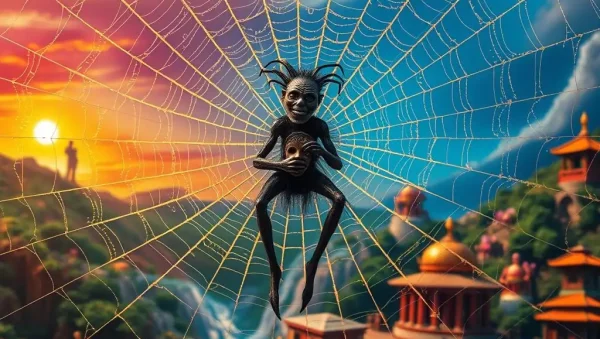
🌍 Discover how West African folktales Anansi stories weave a rich tapestry of cultural wisdom, connecting diverse societies and inspiring modern narratives…
Read article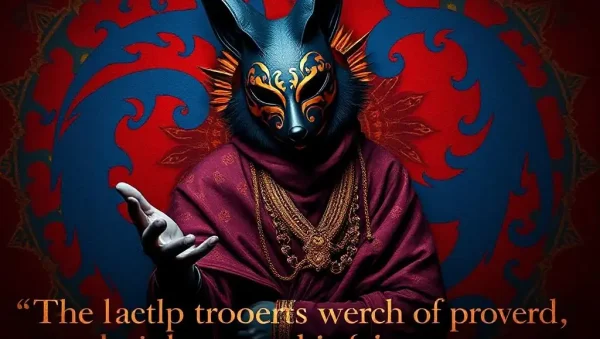
🌍 Discover how African proverb trickster symbolism meaning reveals the cunning, wit, and moral lessons embedded in African folklore, showcasing how tricksters…
Read article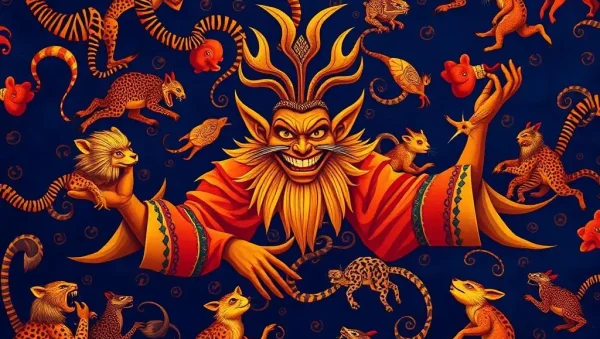
🌍 Explore the fascinating connections between African trickster myths stories and global folklore, revealing how these cunning figures reflect cultural values and…
Read articleWelcome to the vibrant world of Mythological Tricksters within African and Caribbean Folklore—a realm where cunning outsmarts strength, and chaos births wisdom. Here, you’ll uncover the enduring tales of Anansi the Spider, Legba the gatekeeper, and other clever figures who shape moral lessons, social norms, and cultural identity. This subcategory dives deep into their origins, transformations across the Atlantic, and their lasting influence on modern storytelling, from oral traditions to contemporary literature and film. Prepare to see how mischief becomes a mirror for human nature, resilience, and survival.
Anansi is arguably the most iconic trickster in African folklore, originating from the Akan people of Ghana. In this subcategory, you’ll explore how this tiny spider uses wit and deception to outsmart larger animals, gods, and even humans. His stories were carried across the Atlantic during the transatlantic slave trade, morphing into “Anancy” in Jamaica and “Aunt Nancy” in the American South. Expect detailed retellings of his famous escapades, such as capturing a python and a leopard to win a sky god’s treasures.
Beyond entertainment, Anansi teaches practical lessons about survival, resourcefulness, and the value of intellect over brute force. For enslaved communities, his tales were coded messages of resistance and hope. This section also highlights how Anansi’s character adapts to different environments—sometimes a hero, sometimes a selfish schemer—reflecting the complex ethics of trickster tales. You’ll leave with a deeper appreciation for how one spider’s web connects continents and centuries.
Papa Legba is a central trickster in West African Vodun and its Caribbean derivatives, such as Haitian Vodou and Cuban Santería. As the guardian of crossroads, Legba controls communication between humans and the spirit world, yet he relishes mischief and unpredictability. This subcategory explains his dual role: a benevolent opener of doors and a playful deceiver who tests human patience. You’ll discover his symbols—crutches, keys, and a straw hat—and his presence in rituals where he is invoked first to grant access to other deities.
In Caribbean folklore, Legba evolved alongside Christian saints, often syncretized with Saint Peter or Lazarus. This section unpacks how his trickster nature challenges rigid interpretations of morality, showing that wisdom often hides behind riddles and paradoxes. You’ll also learn about his counterparts like Elegua in Yoruba traditions and how their stories influenced jazz, literature, and art. Expect analysis of how Legba represents the liminal space between order and chaos, a vital element in diasporic spiritual practices.
Beyond Anansi, African and Caribbean folklore teems with animal tricksters, including Br’er Rabbit, Bouki the Hyena, and Ijapa the Tortoise. These creatures often embody human flaws—greed, laziness, or arrogance—yet their cunning ensures survival. This subcategory explores how these tales were adapted in the Americas, particularly through the Uncle Remus stories, which both preserved and stereotyped African traditions. You’ll trace how the rabbit’s clever escapes from foxes and wolves mirror enslaved people’s strategies against oppression.
Each animal carries distinct cultural meanings: the tortoise’s patience, the hyena’s foolishness, and the rabbit’s quick thinking. This section provides comparative analyses of stories from Nigeria, Haiti, and the U.S. South, showing how geography reshapes character traits. You’ll also examine the ethical ambiguity—where tricksters sometimes cause harm—and how communities used these tales to teach critical thinking and social boundaries. Whether as humorous fables or cautionary tales, these animals remain beloved figures in bedtime stories and classroom discussions.
In Yoruba and Caribbean religions, trickster deities like Eshu (or Exú in Brazil) and Ogun play pivotal roles in creation myths and daily life. Eshu, the messenger and master of confusion, disrupts plans to reveal hidden truths, embodying the unpredictability of fate. Ogun, the blacksmith god, uses his crafty skills to forge paths through chaos, often resorting to trickery to maintain balance. This subcategory delves into their myths, ritual practices, and how they inspire artists like novelist Amos Tutuola and filmmaker Julie Dash.
You’ll discover how these deities intersect with Catholic saints and indigenous traditions, creating rich syncretic systems. This section also explains the concept of “às”—the spiritual power that tricksters manipulate—and how it relates to human agency. By examining chants, proverbs, and festival dances, you gain insight into how these figures sustain communal memory and identity. Expect a nuanced perspective on how trickster deities challenge dualistic thinking, urging followers to embrace ambiguity and creativity in solving life’s problems.
Mythological tricksters have leaped from oral storytelling into global pop culture, appearing in books, films, comics, and video games. This subcategory highlights works like Neil Gaiman’s American Gods (featuring Anansi as Mr. Nancy), Marvel Comics’ Black Panther (with Eshu references), and Disney’s Kiss the Ground narratives. You’ll explore how contemporary authors like Nalo Hopkinson and N.K. Jemisin reimagine these figures to address postcolonial identity, diaspora, and resistance. These retellings often flip stereotypes, giving tricksters agency and complexity that resonate with modern audiences.
Beyond literature, tricksters appear in music genres like calypso and reggae, where their cheeky wit critiques social injustice. This section also analyzes how social media memes and viral videos borrow trickster tropes to satirize politics and celebrity culture. You’ll learn about the term “trickster narrative” in academic discourse, used to describe stories that subvert power structures. By connecting ancient wisdom to today’s digital age, this subcategory shows how these timeless characters remain relevant, teaching us to question authority and laugh at life’s absurdities.
Anansi primarily uses his wit to survive physical threats and gain material wealth, often acting selfishly. Legba, however, operates on a spiritual plane as a guardian of crossroads, controlling communication with deities. While Anansi’s tales are moral fables about resourcefulness, Legba embodies cosmic ambiguity, testing human faith and patience through unpredictable interventions.
No, they blend African, Indigenous, and European influences. For example, the hare in Caribbean stories may combine African rabbit tales with Arawak or Carib folklore, plus European “Reynard the Fox” stories. This syncretism reflects the region’s colonial history and cultural exchange, making each version unique to its community’s experiences.
Animals allow storytellers to critique human behavior without direct offense, using humor and absurdity. An animal’s small size, like a spider or rabbit, symbolizes the marginalized individual who must rely on wit. This detachment makes moral lessons more accessible and universal, suitable for both children and adults in oral traditions.
Tricksters embody subversion and resilience, inspiring activists to challenge oppressive systems creatively. Their unpredictability mirrors grassroots tactics like satire, pranks, and symbolic protests. For instance, Anansi’s tales are invoked in movements for racial equality to emphasize that intelligence and community solidarity can overcome brute force.
Yes, but with nuance. Tricksters demonstrate that morality is context-dependent; their deceit often exposes hypocrisy or aids the vulnerable. They teach critical thinking, adaptability, and the limits of rigid rules. However, their selfishness also warns against unchecked cunning, showing that wisdom lies in balancing cleverness with empathy and responsibility.