
The Silent Influence: How Tricksters Shaped African Proverbs

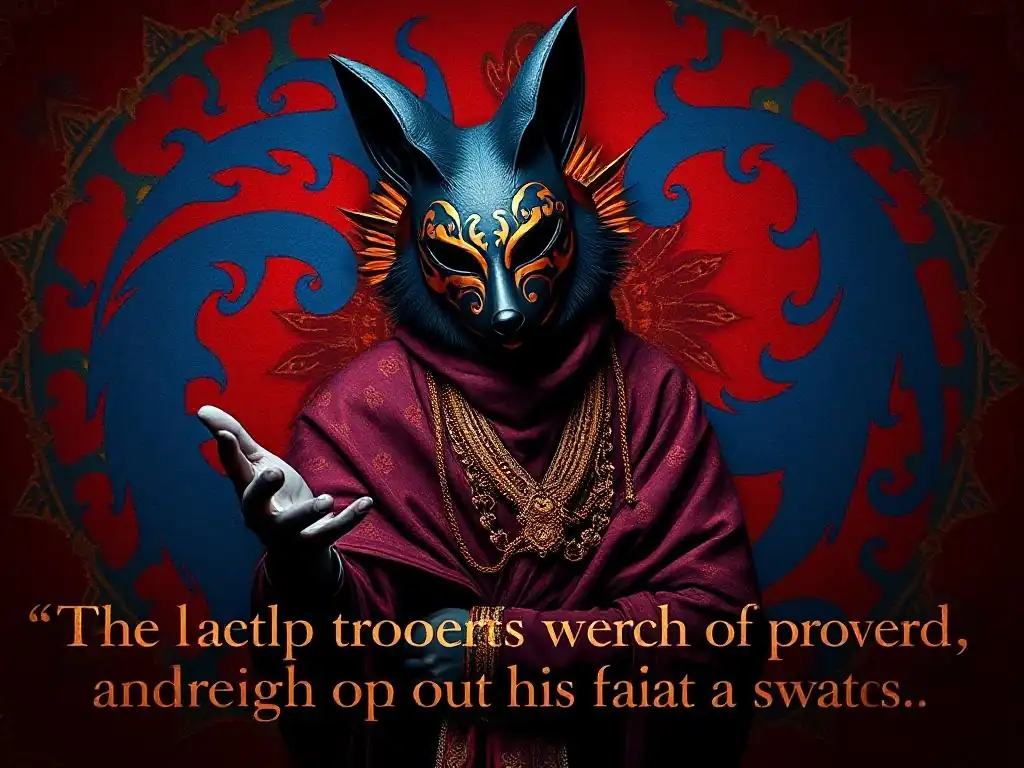
Welcome to Mythology and Legends, where the whispers of ancient stories echo through time. Ever wondered how a single African proverb can hold the weight of generations and the cunning of a trickster god? Delve into the hidden symbolism within African folklore and discover how these sly figures subtly shaped the very fabric of wisdom, as revealed in "The Silent Influence: How Tricksters Shaped African Proverbs." Prepare to unlock the secrets woven into the tapestry of language... what will you uncover?
- The Trickster as a Vehicle for Social Commentary in African Proverbs
-
Frequently Asked Questions
- How are trickster figures represented in African proverbs?
- What is the significance of trickster symbolism in understanding African proverbs?
- Can you give an example of an African proverb where trickster symbolism is evident?
- How do African proverbs that feature tricksters influence contemporary society?
- What is the "meaning" of trickster figures within the context of African proverbs?
- Final Reflection: The Enduring Legacy of the Trickster
- Unravel the Wisdom: Embrace the Trickster's Tale

Trickster figures in African folklore, such as Anansi the Spider or the Hare, are masters of wit and deception, qualities that translate powerfully into the realm of proverbs used for social commentary. These proverbs often employ humor and satire to critique those in positions of power, highlighting their flaws, arrogance, or susceptibility to being outsmarted.
By attributing clever, often subversive, actions to figures like the seemingly weak Anansi, proverbs implicitly suggest that intelligence and cunning can overcome brute force or established authority. This use of satire provides a safe, often indirect, way to voice dissent or point out injustices within a community or against rulers, making the African proverb trickster symbolism meaning particularly potent in challenging the status quo.
The humor embedded in these proverbs often stems from the incongruity of the trickster's success using unconventional methods against seemingly powerful adversaries. For example, a proverb might reference how Anansi, despite being small, outsmarted a large animal to get food, thereby commenting on how the clever poor can sometimes get the better of the rich or powerful. This method allows for criticism without direct confrontation, a valuable tactic in societies where speaking truth to power can be dangerous.
The laughter or knowing nod elicited by such a proverb serves not just as entertainment but as a shared understanding of social dynamics and a subtle critique of existing power structures. The African proverb trickster symbolism meaning thus becomes a tool for navigating and commenting on social hierarchies through shared cultural narratives.
Proverbs as a Tool for Resistance and Subversion
African proverbs featuring trickster figures often serve as a subtle yet effective tool for resistance and subversion. In contexts where direct opposition to authority, whether traditional chiefs or colonial powers, was impossible or dangerous, these proverbs provided a coded language. They allowed people to express dissatisfaction, critique oppressive rules, or subtly encourage defiance by drawing parallels between the trickster's actions and desirable, albeit risky, strategies for navigating difficult circumstances. The trickster's ability to survive and even thrive by bending or breaking rules offers a metaphorical blueprint for resistance, emphasizing adaptability and strategic thinking over outright, often futile, rebellion.
This form of resistance is deeply ingrained in the African proverb trickster symbolism meaning. Consider proverbs that speak of the trickster escaping traps or outsmarting predators; these can be interpreted as lessons in evading control or overcoming obstacles imposed by those in power. Such proverbs circulated within communities, reinforcing a collective understanding of how to survive and subtly undermine oppressive systems.
They are not calls to open revolt but rather guides to navigating complex social landscapes, encouraging ingenuity and resilience in the face of adversity. The subversive power lies in their ability to convey complex messages about power, vulnerability, and survival through concise, memorable phrases rooted in familiar mythological narratives.
Beyond challenging authority, trickster figures in African proverbs play a crucial role in questioning and examining established social norms, customs, and expectations. Tricksters are inherently liminal figures, existing on the boundaries of society and often flouting conventional rules of behavior, morality, and social hierarchy. Proverbs that reference their actions can therefore serve as prompts for reflection on why certain norms exist, whether they are truly beneficial, and what happens when they are broken. This doesn't necessarily mean advocating for chaos, but rather encouraging a critical perspective on tradition and social order, exploring the consequences of both adherence and deviation.
The African proverb trickster symbolism meaning here relates to the trickster's function as a mirror reflecting societal values and their potential contradictions. By depicting the trickster succeeding despite (or because of) violating norms – perhaps through greed, dishonesty, or disregard for politeness – the proverbs invite contemplation on the relationship between conventional behavior and success or failure.
They might highlight the hypocrisy of those who uphold norms but act otherwise, or they might caution against rigid adherence to rules that are no longer practical. This critical engagement with social norms, facilitated by the trickster's transgressive nature, ensures that traditions are not accepted blindly but are subject to ongoing evaluation within the community's collective wisdom encoded in these proverbs.
Frequently Asked Questions
How are trickster figures represented in African proverbs?
Trickster figures in African proverbs are often portrayed as cunning, ambiguous, and morally gray characters, used to illustrate complex social dynamics or convey wisdom through paradox. They embody the unpredictability of life.
What is the significance of trickster symbolism in understanding African proverbs?
Trickster symbolism provides a deeper understanding of African proverbs by revealing underlying themes of power dynamics, social commentary, and moral ambiguity. It helps unpack the multiple layers of meaning embedded within the proverb.
Can you give an example of an African proverb where trickster symbolism is evident?
Many proverbs featuring characters like Anansi the Spider or Hare embody trickster symbolism. For example, a proverb might say, "The clever hare outwits the lion, but only until the lion learns his tricks," highlighting the temporary nature of deception and the inevitability of consequences.
How do African proverbs that feature tricksters influence contemporary society?
These proverbs offer timeless lessons on human nature, social interactions, and the importance of wisdom and discernment. They provide a framework for navigating complex situations and understanding the consequences of one's actions in modern contexts.
What is the "meaning" of trickster figures within the context of African proverbs?
The "meaning" of trickster figures is multifaceted; they represent adaptability, resourcefulness, and the subversion of authority, but also serve as cautionary tales about the dangers of greed and deception. They embody the complexities of human behavior.
Final Reflection: The Enduring Legacy of the Trickster
The cunning of the trickster, as embodied in African proverbs, remains a potent force shaping our understanding of narrative, morality, and social dynamics today. These seemingly simple sayings, passed down through generations, offer not just witty observations but profound insights into human nature and the complexities of societal interaction. Their enduring power lies in their ability to both entertain and challenge, prompting us to question established norms and consider alternative perspectives.
The influence of the trickster archetype extends far beyond the realm of folklore; it permeates our cultural understanding of leadership, negotiation, and even conflict resolution. The trickster's ability to outsmart, adapt, and even exploit situations reflects the realities of power dynamics and the often-unpredictable nature of life. As Chinua Achebe eloquently stated, Stories are the greatest teachers of mankind.
The trickster tales embedded within African proverbs serve as a powerful testament to this truth, teaching us about resilience, resourcefulness, and the importance of critical thinking in navigating a complex world.
Consider the proverbs you've encountered, the stories they tell, and the lessons they impart. How have these narratives shaped your own understanding of the world? I urge you to actively seek out these ancient wisdoms, not just as historical artifacts, but as living tools for understanding human behavior and navigating the challenges of modern life. Let the spirit of the trickster – its cunning, its adaptability, and its capacity for both mischief and insight – inspire you to approach life with a sharper wit and a more nuanced perspective.
Unravel the Wisdom: Embrace the Trickster's Tale
Thanks for exploring the fascinating world of African proverbs and the tricksters who shaped them! You've gained a unique insight into the cultural richness woven into these age-old sayings. Now, let's take that wisdom further:
- Share your favorite proverb: What proverb resonates most with you and why? Let's build a community around these captivating stories!
- Explore related folklore: Delve deeper into the myths and legends surrounding trickster figures in other cultures. You might be surprised by the common threads.
- Craft your own proverb: Inspired by the trickster's wit, try creating a proverb that reflects a modern-day lesson or observation. Share it with us!
What clever twist on a traditional proverb can you imagine for the digital age?