
Haitian Lore and the Literary Landscape: From Trauma to Transcendence

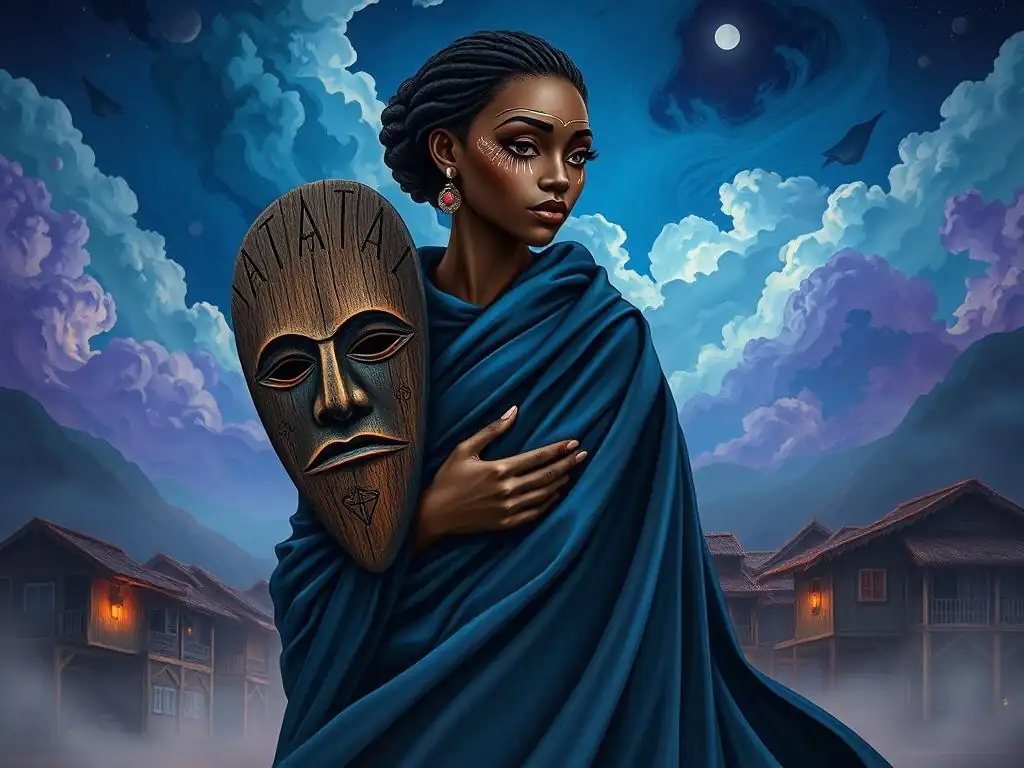
Welcome to Mythology and Legends, your gateway to the world's captivating narratives. Ever wondered how ancient tales shape modern storytelling? Delve into the profound depths of African and Caribbean Folklore with us, starting with a journey into Haitian folklore trauma literature. Explore how stories born from hardship can blossom into literary masterpieces, and discover the resilience woven into the very fabric of Haitian narratives. What secrets do these tales hold, and how do they echo in today's world? Uncover the answers – begin your exploration now.
- Introduction: Exploring Haitian Folklore's Impact on Contemporary Literature
- The Roots of Haitian Folklore: A Legacy of Resistance and Resilience
- Trauma and Representation: Haitian History in Literature
- Haitian Folklore Trauma Literature: A Genre Emerges
- Vodou as a Literary Device: Magic, Religion, and Resistance
- From Trauma to Transcendence: Finding Hope and Healing in Storytelling
- Haitian Lore and the Diaspora: Reclaiming Identity and Heritage
- The Future of Haitian Folklore in Literature: A Continuing Legacy
- Conclusion: The Enduring Power of Haitian Folklore
-
Frequently Asked Questions
- What is the significance of Haitian folklore in Haitian Trauma Literature?
- How does Haitian Folklore contribute to themes of transcendence in literature?
- What are some common motifs in Haitian Folklore that are often reflected in Trauma Literature?
- In what ways does Haitian Folklore inform contemporary understandings of Haitian identity?
- How can readers unfamiliar with Haitian Folklore approach Haitian Trauma Literature to gain a deeper understanding?
- Final Reflection: Weaving Resilience from the Threads of Haitian Lore
- Unlock the Power of Haitian Storytelling
Introduction: Exploring Haitian Folklore's Impact on Contemporary Literature
Haitian folklore, a vibrant tapestry woven from African spiritual traditions, indigenous Taino beliefs, and the harsh realities of colonial history, serves as a profound wellspring for contemporary literature. This rich oral tradition, passed down through generations, carries the collective memory and identity of a people shaped by both immense suffering and extraordinary resilience. Examining the intersection of Haitian folklore and modern narrative reveals how ancient stories and archetypes are repurposed to confront historical and ongoing trauma, offering unique perspectives on survival, identity, and the search for healing.
Contemporary Haitian literature, both within the nation and across its significant diaspora, frequently draws upon these deep cultural roots. Authors utilize elements of folklore – from the pantheon of spirits known as the lwa to cautionary tales and proverbs – not merely as decorative elements but as fundamental narrative tools.
This integration allows writers to explore complex themes such as the legacy of slavery, the trauma of dictatorship, and the challenges of displacement through a lens that is distinctly Haitian, often blending the mystical with the mundane to reflect a worldview where the spiritual and physical realms are deeply intertwined.
The Roots of Haitian Folklore: A Legacy of Resistance and Resilience
Vodou and the Shaping of Haitian Identity
Vodou, often misunderstood in the West, is a complex spiritual system that is central to Haitian identity and folklore. It emerged from the syncretism of West African religious practices brought by enslaved peoples and elements absorbed from the colonial environment, including Catholicism and Taino spirituality. Far more than just a religion, Vodou provided a framework for cultural preservation, social organization, and resistance against the brutal system of slavery. Its pantheon of lwa, spirits representing various aspects of life, nature, and human experience, became characters in stories, embodying virtues, flaws, and the forces that shape the world.
The spiritual practices and beliefs of Vodou were inherently tied to survival and resistance. Secret meetings, often disguised as religious ceremonies, were crucial for planning uprisings, including the pivotal Haitian Revolution. The lwa became figures of inspiration and protection; for instance, Ogoun, the spirit of iron and war, was invoked for strength in battle. This deep connection between spirituality, identity, and the struggle for freedom is embedded in the core narratives of Haitian folklore, providing a foundation for understanding the enduring spirit of the Haitian people and its reflection in Haitian folklore trauma literature.
Oral Traditions: Storytelling as Preservation
Oral tradition is the bedrock of Haitian folklore, serving as the primary means of transmitting history, cultural values, spiritual beliefs, and moral lessons across generations. In a society where literacy was historically suppressed for the enslaved population, storytelling became a vital act of preservation and resistance. Tales were shared in communal settings, often during evening gatherings, providing entertainment, education, and a sense of collective identity. These narratives included creation myths, trickster tales featuring figures like Bouki and Ti Malice, stories of the lwa, and accounts of historical events, often imbued with symbolic meaning.
The power of the spoken word in Haitian culture is immense. Storytellers, or kontè, were revered custodians of this oral heritage. Through rhythm, intonation, and gesture, they brought stories to life, ensuring their resonance and memorability.
This emphasis on oral narrative meant that folklore was not static but fluid, adapting slightly with each telling while retaining its core elements. The enduring influence of this oral tradition is evident in contemporary Haitian literature, where narrative voice, rhythm, and the use of Patois (Haitian Creole) often reflect the cadences and structures of traditional storytelling, providing a direct link to the ancestral past and the origins of Haitian folklore trauma literature.
Key Figures and Archetypes in Haitian Folklore
Haitian folklore is populated by a rich cast of characters, ranging from benevolent spirits to malevolent figures and human archetypes. The lwa are perhaps the most central, acting as intermediaries between humanity and the divine. Key lwa include Papa Legba, the gatekeeper of the spirit world; Ezili Dantò, a fierce protector of women and children; and Baron Samedi, the irreverent head of the Gede family associated with death and resurrection. These spirits embody complex traits and play significant roles in the spiritual and everyday lives of many Haitians, appearing frequently in narratives.
Beyond the lwa, Haitian folklore features various human and supernatural figures that serve as archetypes reflecting societal values, fears, and aspirations. Tricksters like Bouki and Ti Malice teach lessons through their exploits, often highlighting the cleverness of the underdog.
Malignant figures such as the lougarou (werewolf/vampire) or the zombi (a reanimated corpse controlled by a sorcerer) embody fears of exploitation, loss of will, and spiritual danger, often rooted in the historical experience of enslavement and control. These figures and their associated narratives provide a powerful symbolic language that contemporary Haitian folklore trauma literature utilizes to explore themes of powerlessness, agency, and the struggle for spiritual and physical liberation.
Trauma and Representation: Haitian History in Literature
The Haitian Revolution: A Defining Moment
The Haitian Revolution (1791-1804) is arguably the most significant event in Haitian history and a foundational source of both national pride and collective trauma. It was the only successful slave revolt to result in the formation of a free nation state, a monumental achievement that sent shockwaves across the globe.
However, the path to freedom was paved with unimaginable violence, brutality, and loss, leaving deep scars on the collective psyche. This revolutionary trauma – the horrors of the fighting, the massacres, the struggle for survival, and the subsequent international isolation and punitive debt imposed on the new nation – is a recurring theme in Haitian literature.
Literary works often depict the revolution not just as a historical event but as a living force that continues to shape the present. Writers explore the paradox of liberation achieved through immense suffering, the complex figures of leaders like Toussaint Louverture, and the enduring questions of freedom, justice, and national sovereignty that arose from this period. The narratives often grapple with the violence inherent in breaking chains and the subsequent challenges of building a nation from the ashes of slavery, making the revolution a central element in the exploration of trauma within Haitian folklore trauma literature.
Slavery and its Enduring Scars in Narrative
The trauma of slavery is not confined to the revolutionary period but is a pervasive and enduring scar in Haitian history and literature. For centuries, enslaved Africans and their descendants in Saint-Domingue (colonial Haiti) endured horrific conditions, including forced labor, physical and psychological torture, family separation, and the systematic denial of their humanity. This systemic brutality left an indelible mark on the social fabric and individual psyche, creating a legacy of intergenerational trauma that continues to be explored in contemporary writing.
Haitian literature delves into the multifaceted impact of slavery, depicting the dehumanization experienced by the enslaved, the violence perpetrated by the colonizers, and the strategies of survival and resistance employed by the captives. Authors use narrative to give voice to those historically silenced, exploring themes of loss of identity, the trauma of the Middle Passage, the brutality of the plantation system, and the long-term psychological effects of bondage.
The memory of slavery is often intertwined with folklore, as stories and spiritual practices were vital means of maintaining cultural connection and psychological resilience in the face of unimaginable oppression, contributing directly to the development of Haitian folklore trauma literature.
The Duvalier Era: Dictatorship and its Literary Echoes
The 29-year rule of François "Papa Doc" Duvalier and his son Jean-Claude "Baby Doc" Duvalier (1957-1986) constitutes another profound period of national trauma that is extensively explored in Haitian literature. This era was characterized by political repression, systematic human rights abuses, enforced disappearances, and the use of fear and violence by the Tonton Macoute paramilitary force to maintain control. The dictatorship stifled dissent, decimated institutions, and forced a significant portion of the intellectual and professional class into exile, creating a diaspora that would also grapple with this trauma.
Literary responses to the Duvalier era often depict the pervasive atmosphere of fear, the arbitrary nature of violence, and the psychological toll of living under a totalitarian regime. Writers explore themes of betrayal, paranoia, loss of innocence, and the struggle for survival in a climate of terror.
The literature frequently uses symbolism and allegory to critique the regime, sometimes drawing on folklore elements to represent the oppressive forces or the resilience of the people. The trauma of the Duvalier years, like that of slavery and the revolution, forms a crucial layer in the complex exploration of the Haitian experience within Haitian folklore trauma literature.
Haitian Folklore Trauma Literature: A Genre Emerges
Defining Haitian Folklore Trauma Literature
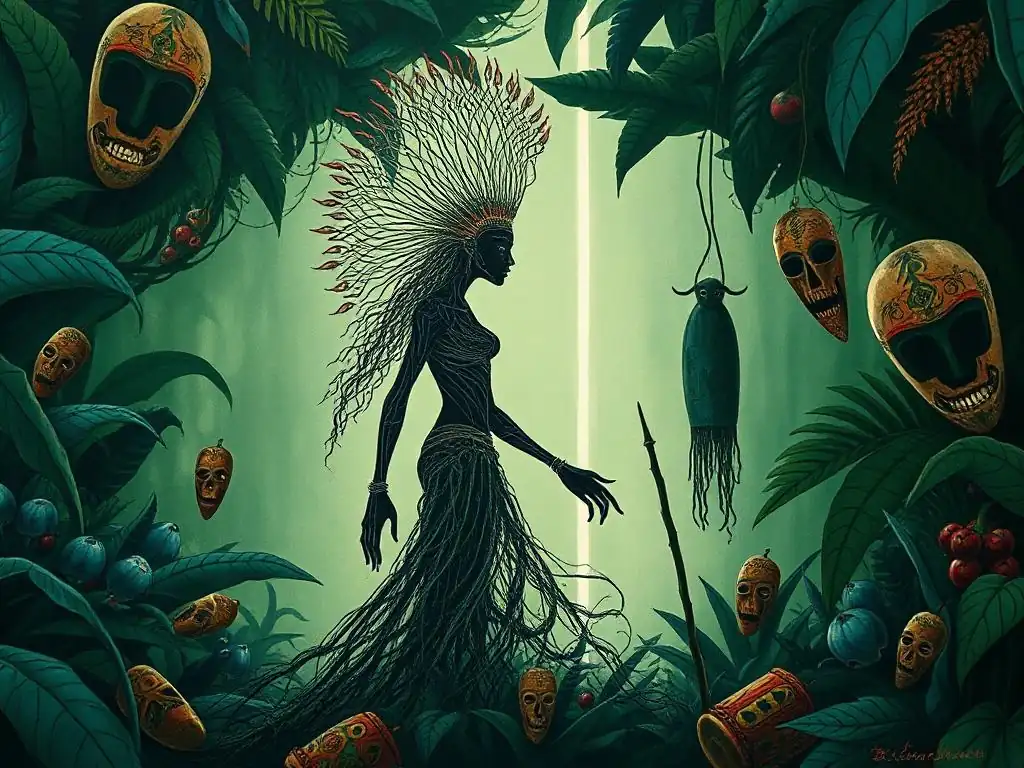
Haitian folklore trauma literature can be defined as a body of literary works, primarily novels, short stories, and poetry, that engage with the historical and ongoing traumas of the Haitian experience – including slavery, the Haitian Revolution, political repression (like the Duvalier era), and natural disasters – by incorporating elements, themes, and narrative structures derived from Haitian folklore. This genre utilizes traditional stories, characters (like the lwa or tricksters), spiritual beliefs (especially Vodou), and oral storytelling techniques not just as cultural background, but as essential tools to process, represent, and sometimes transcend the effects of collective and individual trauma.
The emergence of this genre reflects a conscious effort by Haitian writers, both in Haiti and the diaspora, to find a language and framework capable of articulating experiences that often defy conventional representation. By drawing on folklore, authors tap into a shared cultural memory and symbolic system that can convey the psychological fragmentation, spiritual disruption, and complex survival mechanisms developed in response to trauma. This approach allows for a unique blend of realism, magical realism, and symbolic depth, creating narratives that are deeply rooted in Haitian culture while addressing universal aspects of human suffering and resilience.
Common Themes in Haitian Folklore Trauma Literature
The themes explored in Haitian folklore trauma literature are manifold and deeply intertwined with the historical experiences of the nation. A central theme is the exploration of memory, particularly the struggle to remember and narrate traumatic events that have been suppressed or distorted. The concept of haunting, both by historical ghosts and the spirits of the dead (often linked to Vodou beliefs about ancestors and the Gede lwa), is frequently used to represent the persistent presence of past traumas in the present.
Other common themes include:
- Identity and Displacement: The trauma of forced migration, exile, and the challenge of maintaining cultural identity in the diaspora, often explored through the lens of lost traditions and the yearning for a spiritual homeland.
- Resilience and Survival: Despite the focus on trauma, these works often highlight the extraordinary capacity of the Haitian people to endure, resist, and find ways to survive against overwhelming odds, frequently attributing this strength to cultural practices and spiritual beliefs rooted in folklore.
- The Body and Violence: The physical and psychological impact of violence on the body, both individual and collective, is a visceral theme, often connected to historical atrocities and represented through symbolic injuries or transformations drawn from folklore.
- Magic and Reality: The blurring of lines between the rational world and the spiritual/magical realm, reflecting the Vodou worldview, is used to depict the surreal nature of trauma or to introduce elements of spiritual agency and healing.
Edwidge Danticat, René Depestre, and the Exploration of Trauma Through Folklore
Edwidge Danticat is a preeminent figure in contemporary Haitian literature, widely recognized for her powerful explorations of trauma, memory, and identity, often through the lens of Haitian folklore. Her works consistently weave together personal narratives with the broader historical traumas of Haiti, utilizing elements like Vodou spirits, traditional stories, and Creole proverbs to deepen the emotional and cultural resonance of her themes. In novels like Breath, Eyes, Memory and The Farming of Bones, she depicts the intergenerational impact of trauma stemming from political violence and historical atrocities, grounding these experiences in the cultural framework provided by folklore.
René Depestre, a key figure in earlier generations of Haitian letters, also significantly engaged with folklore, though his approach often incorporated more overt political critique and magical realism influenced by his involvement with movements like Negritude. In works such as Hadriana dans tous mes rêves, Depestre uses Vodou beliefs and figures, like the concept of zombification or the power of the lwa, to explore themes of identity, desire, and the legacy of colonial and post-colonial exploitation.
While their styles differ, both Danticat and Depestre exemplify how Haitian folklore provides a vital language for articulating the complex layers of trauma that define much of the Haitian experience in literature, solidifying the foundation for Haitian folklore trauma literature.
Vodou as a Literary Device: Magic, Religion, and Resistance
The Portrayal of Vodou in Haitian Literature
Vodou is portrayed in Haitian literature in multifaceted ways, reflecting its complex role in Haitian society. It is often depicted as a genuine spiritual practice, central to characters' lives, providing a sense of community, moral guidance, and connection to the divine and ancestral realms. Writers show Vodou ceremonies ( servis), the invocation of lwa, and the spiritual practices associated with healing and protection, presenting them as integral components of cultural identity and worldview, rather than mere exoticism.
However, literature also acknowledges the ways Vodou has been politicized, demonized, and misrepresented, both internally and externally. Some narratives explore the negative aspects, such as sorcery ( majik nwa) and zombification, often linking these darker elements to themes of exploitation, fear, and political control, particularly during periods like the Duvalier dictatorship. The literary portrayal thus navigates between celebrating Vodou as a source of strength and resilience, critiquing its potential for misuse, and reclaiming its authentic representation from prejudiced stereotypes, showing its crucial role in Haitian folklore trauma literature.
Vodou as a Symbol of Cultural Identity and Resistance
Beyond its religious function, Vodou serves as a powerful symbol of cultural identity and resistance in Haitian literature. Born out of the fusion of African traditions under colonial oppression, Vodou inherently represents the survival and adaptation of African heritage in the face of forced assimilation. It provided a secret space for communal gathering, the preservation of language, music, and dance, and the development of a shared spiritual and moral code distinct from that imposed by the enslavers.
In literature, invoking Vodou elements symbolizes a connection to this resilient past and an assertion of Haitian identity against historical and contemporary forces of marginalization and cultural erasure. References to the lwa, spiritual practices, or sacred sites often signal a character's deep roots in Haitian culture and their connection to the collective strength of their ancestors. This symbolic use reinforces Vodou's historical role as a force for resistance, making it a potent tool for writers exploring themes of autonomy, cultural preservation, and the assertion of dignity in the face of trauma.
Vodou in Breath, Eyes, Memory and Hadriana dans tous mes rêves
In Edwidge Danticat's Breath, Eyes, Memory, Vodou is presented primarily through the lens of cultural heritage, family tradition, and the spiritual struggles of individuals grappling with trauma. While not focusing heavily on elaborate rituals, the novel incorporates beliefs about the spiritual world, the influence of ancestors, and the presence of the lwa in daily life.
The concept of marasa (twins, often associated with spiritual power) and the struggle with purity and spiritual cleanliness reflect underlying Vodou concepts. Vodou practices, like the "testing" of young girls, are depicted as complex traditions intertwined with both cultural identity and the transmission of trauma, showing how spiritual beliefs are inseparable from lived experience.
René Depestre's Hadriana dans tous mes rêves centrally features Vodou, particularly the controversial concept of zombification, to explore themes of exploitation, desire, and the uncanny. The narrative revolves around a young woman who appears to become a zombi, prompting a deep dive into the beliefs surrounding this phenomenon and its potential explanations, both rational and supernatural.
Depestre uses the figure of the zombi, a potent symbol of forced labor and loss of will rooted in the trauma of slavery, to critique social and political dynamics. The novel engages directly with the world of houngan (Vodou priests) and bokor (sorcerers), using the framework of Vodou magic to construct a narrative that is simultaneously a love story, a mystery, and a commentary on Haitian society and its traumatic history.
From Trauma to Transcendence: Finding Hope and Healing in Storytelling
The Power of Narrative to Heal Collective Wounds
Storytelling in Haiti, deeply rooted in oral tradition, serves as a vital mechanism for processing and transmitting collective memory, including the memory of trauma. By recounting shared experiences – whether the horrors of slavery, the struggle for independence, or the abuses of dictatorship – narratives allow communities to confront painful histories, acknowledge suffering, and reaffirm their shared identity and resilience. The act of telling and listening creates a space for communal mourning, validation, and the slow process of healing.
Literary narratives, building upon this oral foundation, extend this healing function. By giving form and voice to traumatic experiences that might otherwise remain unspoken or suppressed, writers help to externalize the pain, making it something that can be examined, shared, and understood. The structure of a story, with its beginning, middle, and end, can impose a sense of order on chaotic and fragmented memories, offering a path towards coherence and resolution, even if partial. This narrative process is fundamental to the concept of using Haitian folklore trauma literature as a means of working through national and personal wounds.
Exploring Themes of Resilience and Hope in Haitian Literature
While Haitian literature often confronts profound trauma, it is also characterized by a powerful current of resilience and hope. This is not a naive optimism, but a hard-won perspective forged in the crucible of suffering. Narratives frequently depict characters who, despite facing unimaginable adversity, find ways to survive, resist, and maintain their dignity. This resilience is often linked to deep cultural roots, community bonds, and spiritual strength, particularly drawing from the enduring spirit of Vodou and the lessons embedded in folklore about overcoming obstacles.
Literary works showcase various forms of resilience: the quiet endurance of women maintaining families, the collective action of communities supporting one another, the assertion of cultural identity in the face of erasure, and the individual's capacity for hope even in despair. The presence of trickster figures in folklore, who outwit more powerful adversaries, can symbolize the potential for the powerless to find agency. Similarly, stories of survival and adaptation within the spiritual framework of Vodou underscore a belief in the possibility of transformation and rebirth, offering symbolic pathways towards healing and transcendence within Haitian folklore trauma literature.
Love, Anger, Madness and the Transcendence of Trauma
Marie Vieux-Chauvet's seminal work, Love, Anger, Madness, offers a searing portrayal of life under the Duvalier dictatorship and the psychological toll of political repression. The novel, composed of three novellas, delves into the experiences of individuals grappling with fear, violence, and moral compromise. While it unflinchingly depicts the depths of trauma – the paranoia, the brutality of the Tonton Macoute, the stifling of intellectual and artistic freedom – it also hints at the possibility of transcendence, albeit through difficult and sometimes violent means.
Chauvet's characters, pushed to their limits, find different ways to respond to the madness surrounding them, sometimes through internal resistance, sometimes through acts of defiance, and sometimes by succumbing to their circumstances. The 'Madness' section, in particular, explores the breakdown of reality under extreme pressure, but also suggests a form of liberation through embracing a state outside conventional sanity.
Although not explicitly using folklore elements as heavily as some other authors, the novel's exploration of the psychological impact of systemic trauma and the desperate search for a way out resonates with the broader themes of resilience and the potential for spiritual or psychological transcendence found in Haitian folklore trauma literature. The act of writing and publishing such a critical work during the dictatorship was itself an act of transcendence over fear.
Haitian Lore and the Diaspora: Reclaiming Identity and Heritage
The Role of Folklore in Maintaining Cultural Connection
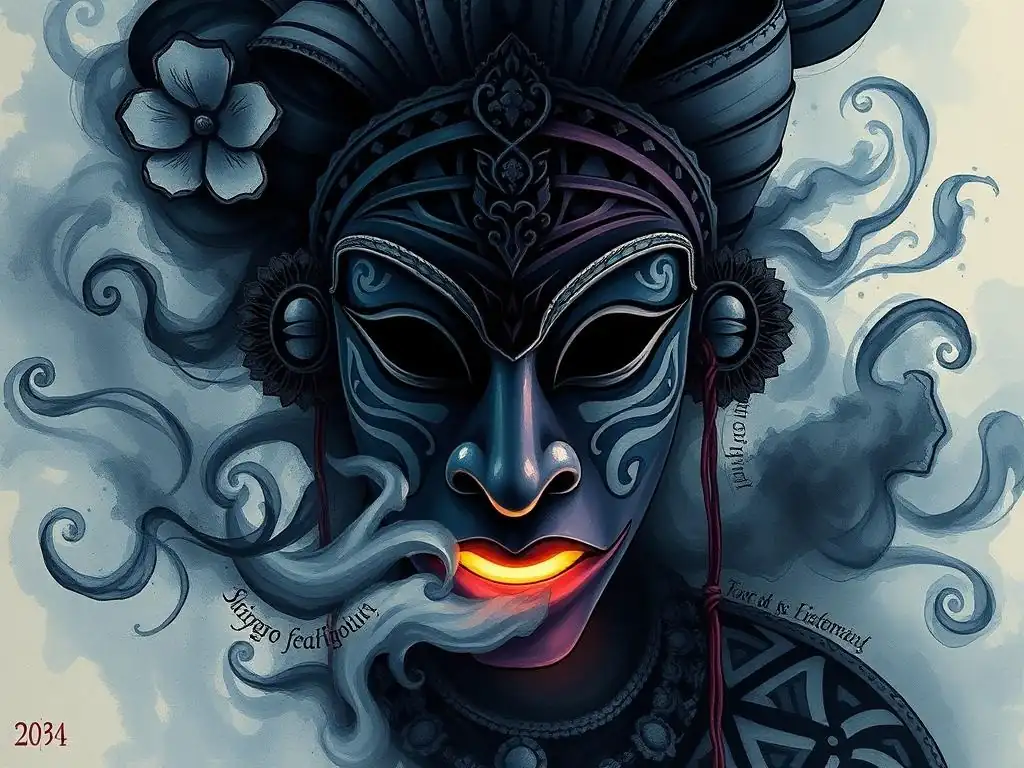
For the vast Haitian diaspora, scattered across the globe, Haitian folklore serves as a vital bridge to their homeland and a crucial tool for maintaining cultural connection. Separated by distance, language barriers, and new cultural environments, diaspora communities often rely on the shared stories, proverbs, songs, and spiritual beliefs of their heritage to preserve a sense of identity and belonging. Folklore becomes a portable homeland, carried in memory and passed down through family and community gatherings.
In diaspora communities, traditional storytelling, the practice of Vodou, and the celebration of cultural festivals rooted in folklore provide opportunities for intergenerational transmission of cultural knowledge. Children born abroad may learn about the lwa, the heroes of the revolution, or the lessons of trickster tales from their parents and grandparents. This act of cultural preservation is particularly important in combating assimilation and ensuring that the rich heritage of Haiti is not lost, highlighting the ongoing relevance of folklore for those living outside the geographic boundaries of the nation.
Myriam Chancy and Dany Laferrière: Diaspora Writers Utilizing Folklore
Myriam J.A. Chancy, a Haitian-Canadian-Bahamian writer, frequently incorporates elements of Haitian folklore into her exploration of diaspora identity, gender, and trauma. Her novels, such as The Spirit and the Letter or The Imperial Wife, sometimes feature characters grappling with the spiritual aspects of their heritage, the influence of ancestors, or the echoes of historical trauma as it manifests in the lives of those living abroad. Chancy's work often bridges the gap between Haitian experiences on the island and those in the diaspora, showing how folklore and its associated traumas travel across borders.
Dany Laferrière, another prominent Haitian-Canadian writer and member of the Académie française, also engages with Haitian folklore, albeit often with a unique blend of humor, autobiography, and philosophical reflection. While his style is distinct, works like How to Make Love to a Negro Without Getting Tired or Pays sans chapeau incorporate references to Vodou beliefs, the lwa, and the cultural practices of Haiti, often contrasting them with Western perspectives.
Laferrière uses these elements to explore themes of displacement, cultural identity, and the search for meaning in a complex world, demonstrating how folklore remains a significant touchstone for diaspora writers processing their Haitian heritage and its relationship to trauma.
Challenges and Opportunities for Preserving Haitian Folklore in the Diaspora
Preserving Haitian folklore in the diaspora faces significant challenges. Assimilation pressures, language shifts (especially the dominance of English, French, or Spanish over Haitian Creole), and the lack of traditional communal spaces can make it difficult to pass down oral traditions and cultural practices effectively. Younger generations, born and raised abroad, may feel disconnected from a heritage that seems distant or irrelevant to their daily lives. Furthermore, the negative stereotypes surrounding Vodou in many Western societies can create reluctance among some to openly embrace this central aspect of their folklore.
Despite these challenges, the diaspora also presents opportunities for the evolution and preservation of Haitian folklore. Writers, artists, musicians, and scholars in the diaspora are actively engaged in documenting, interpreting, and creatively reimagining Haitian folklore for new audiences. Online platforms and cultural organizations facilitate the sharing of stories and traditions across geographic boundaries. The act of writing Haitian folklore trauma literature in languages accessible to a wider audience (like English and French) serves not only to explore trauma but also to introduce the richness of Haitian folklore to the world, ensuring its continued vitality and relevance.
The Future of Haitian Folklore in Literature: A Continuing Legacy
The Evolving Role of Folklore in Contemporary Haitian Literature
The role of folklore in contemporary Haitian literature continues to evolve, adapting to new social realities, political contexts, and artistic innovations. While traditional elements remain foundational, younger generations of writers are finding innovative ways to integrate folklore into their work. This includes:
- Using folklore as a lens to critique contemporary issues like corruption, environmental degradation, or social inequality.
- Blending folklore with other genres, such as speculative fiction, fantasy, or crime thrillers.
- Exploring less commonly represented aspects of folklore or giving voice to marginalized figures within traditional narratives.
- Experimenting with narrative forms that mimic the fluidity and multi-vocality of oral storytelling.
The engagement with folklore is becoming increasingly diverse, reflecting the varied experiences and perspectives of Haitian writers today. It remains a crucial element for anchoring narratives in a distinctly Haitian cultural context, providing a framework for understanding identity, history, and spirituality in a rapidly changing world, particularly within the evolving landscape of Haitian folklore trauma literature.
Emerging Voices and Trends in Haitian Folklore Trauma Literature
A new generation of Haitian writers is building upon the legacy of their predecessors, continuing to explore the intersection of folklore and trauma with fresh perspectives. These emerging voices are often more directly engaged with the experiences of the post-Duvalier era, the impact of globalization, and the specific challenges faced by contemporary Haitian society, including political instability and natural disasters like the devastating 2010 earthquake.
Trends include a greater focus on:
- The trauma of migration and the complexities of transnational identity.
- The impact of trauma on mental health, often using folklore elements to symbolize psychological states or healing processes.
- Exploring gendered experiences of trauma through the lens of female lwa or traditional roles.
- Utilizing folklore to envision alternative futures or possibilities for healing and societal transformation.
These writers are ensuring that Haitian folklore trauma literature remains a dynamic and relevant genre, reflecting the ongoing struggles and aspirations of the Haitian people.
Continued Exploration of Identity and Healing Through Folklore
The exploration of identity and healing through folklore is likely to remain a central focus in future Haitian literature. As Haiti continues to grapple with the legacies of its traumatic past and face new challenges, writers will undoubtedly continue to turn to the enduring wisdom and symbolic power of folklore for guidance and expression. Folklore provides a language capable of articulating the deep connections between past and present, the spiritual and the material, and the individual and the collective.
The process of weaving traditional stories and beliefs into contemporary narratives serves not only to preserve cultural heritage but also to facilitate ongoing dialogue about what it means to be Haitian in the 21st century. Through the characters and lessons embedded in folklore, writers can explore pathways towards healing, resilience, and the reaffirmation of identity in the face of fragmentation and loss. The continued creation of Haitian folklore trauma literature is an act of cultural survival and a testament to the enduring power of story to illuminate, challenge, and ultimately, help transcend suffering.
Conclusion: The Enduring Power of Haitian Folklore
Haitian folklore, with its deep roots in African spirituality, resistance, and oral tradition, remains a vital and dynamic force. Its integration into literature provides a powerful means to confront the profound historical and ongoing traumas that have shaped the Haitian experience, from the brutalities of slavery and revolution to the repression of dictatorship and the challenges of diaspora. Works of Haitian folklore trauma literature utilize traditional narratives, figures, and spiritual beliefs as essential tools for exploring themes of memory, identity, resilience, and the complex process of healing.
The enduring power of Haitian folklore in literature lies in its capacity to provide a unique cultural lens through which to view universal aspects of the human condition. It offers a symbolic language rich enough to articulate the deepest wounds while simultaneously pointing towards the extraordinary human capacity for survival and transcendence. As Haitian writers continue to draw from this inexhaustible wellspring, they not only preserve a precious cultural heritage but also contribute to a global literary landscape that recognizes the profound insights found at the intersection of folklore, trauma, and the persistent quest for meaning and hope.
Frequently Asked Questions
What is the significance of Haitian folklore in Haitian Trauma Literature?
Haitian folklore provides a rich cultural context for understanding the collective trauma experienced by the Haitian people. These stories often act as a vehicle for processing historical injustices and preserving cultural identity.
How does Haitian Folklore contribute to themes of transcendence in literature?
Folklore offers narratives of resilience and resistance, allowing characters to find strength and hope in the face of adversity. These stories can provide a pathway to spiritual and emotional healing, enabling transcendence.
What are some common motifs in Haitian Folklore that are often reflected in Trauma Literature?
Recurring motifs include ancestral spirits, vodou practices, and the legacy of slavery and colonialism. These elements serve as powerful symbols of both suffering and the potential for liberation.
In what ways does Haitian Folklore inform contemporary understandings of Haitian identity?
Folklore reinforces a sense of shared history and cultural heritage, fostering a strong sense of national identity. It provides a framework for understanding social structures and values, shaping how Haitians perceive themselves.
How can readers unfamiliar with Haitian Folklore approach Haitian Trauma Literature to gain a deeper understanding?
Readers should familiarize themselves with key figures and narratives within Haitian folklore. Understanding the historical and cultural context will greatly enhance their appreciation of the literary works.
Final Reflection: Weaving Resilience from the Threads of Haitian Lore
The enduring power of Haitian folklore to both reflect and transcend national trauma remains profoundly relevant today. Stories, passed down through generations, are not merely relics of the past; they are living, breathing testaments to resilience, a powerful counter-narrative to the often-dominant narratives of suffering and despair. These narratives, woven into the fabric of Haitian literature, offer a vital pathway towards healing and understanding.
The impact of Haitian folklore on the cultural landscape is undeniable, shaping not only the literary output but also the very identity of the Haitian people. It's a constant negotiation between the weight of historical trauma – slavery, colonialism, and ongoing socio-political instability – and the unwavering spirit of hope and resistance. This dynamic tension is beautifully captured in the words of Edwidge Danticat: We tell our stories in order to live, to keep ourselves alive, to keep our communities alive.
This quote underscores the vital role of storytelling in fostering collective memory and forging a path towards a more hopeful future. It’s a legacy I feel deeply connected to, as a reader and as a human being.
Consider the stories you carry within you, the narratives that shape your understanding of the world. How can you, like the Haitian people, find strength and meaning in the face of adversity? How can you use your own voice to contribute to a more compassionate and understanding world? Let the resilience embedded within Haitian folklore inspire you to explore your own narratives, to find your own voice, and to share your stories with the world. The power of storytelling, the power of shared experience, is a force for healing and transformation that we all can harness.
Unlock the Power of Haitian Storytelling
Thanks for exploring the rich tapestry of Haitian lore with us! You've now glimpsed the incredible resilience and artistry woven into these narratives, transcending trauma through storytelling. Ready to delve deeper?
- Share your favorite Haitian legend or folktale in the comments below! Let's build a vibrant community of storytelling enthusiasts. This is your chance to contribute to the conversation and enrich our collective understanding.
- Explore other cultures' mythologies on our site – discover how storytelling shapes identity across the globe. Perhaps you'll find unexpected connections to Haitian lore!
- Consider researching a lesser-known Haitian folktale and sharing your findings with us. Help us illuminate the often-overlooked aspects of this vibrant tradition!
What hidden stories within Haitian lore intrigue you the most, and how might we collaboratively bring them to light?