
Whispers on the Wind: Air Dragons and Sky Serpents

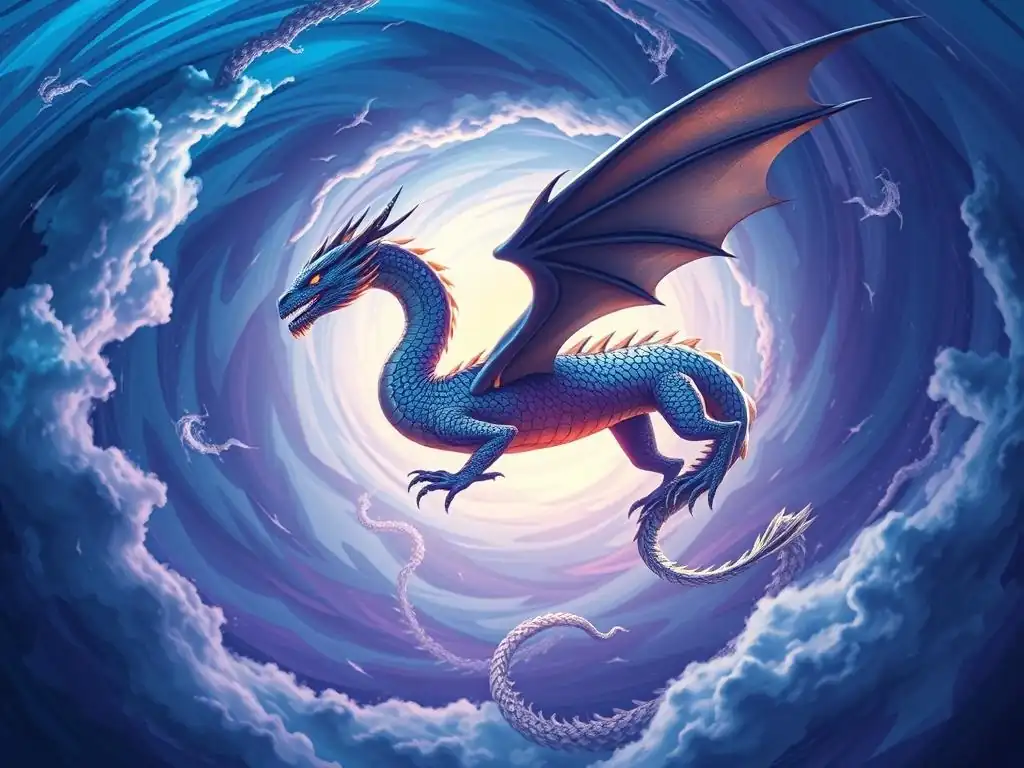
Welcome to Mythology and Legends, where ancient whispers echo through the ages! Ever wondered what secrets ride on the wind? Delve into the breathtaking realm of mythical creatures as we unravel the captivating symbolism of Air Dragons and their sky-bound brethren. Prepare to soar through the legends – what elemental powers and cultural meanings do these majestic beings truly hold? The answers await...
- Introduction to Air Dragons in Mythology
- Air Dragons Across Cultures: A Comparative Study
- Air Dragons: Powers, Abilities, and Associated Elements
- The Symbolism of Air Dragons: Meaning and Interpretation
- Distinguishing Air Dragons from Other Dragon Types
- Air Dragons in Modern Fantasy and Literature
- Air Dragons Mythology Symbolism: A Recap
-
Frequently Asked Questions
- What are the general characteristics of Air Dragons in mythology?
- How does the symbolism of Air Dragons differ across cultures?
- What is the significance of "sky serpents" in relation to Air Dragons?
- What role do Air Dragons play in creation myths and folklore?
- How has the mythology surrounding Air Dragons influenced contemporary society and art?
- Final Reflection: The Enduring Power of Air Dragons
- Take Flight: Embark on Your Own Mythical Journey!
Introduction to Air Dragons in Mythology
Defining Air Dragons: Beyond the Fire-Breathing Stereotype
When many think of dragons, the image of a colossal, fire-breathing beast hoarding gold in a cave often comes to mind. This powerful archetype, prevalent in Western folklore, is just one facet of the diverse world of draconic mythology. Across the globe, dragon-like entities are associated with various elements, and among the most fascinating are those tied to the sky, wind, and air – the air dragons and sky serpents.
Unlike their fiery cousins, these beings embody the ephemeral, dynamic nature of the atmosphere, representing forces like gusts, gales, clouds, and even the unseen currents that shape the world. Their forms are as varied as the cultures that envision them, sometimes winged, sometimes serpentine and wingless yet capable of soaring, often possessing a grace and speed unmatched by terrestrial or aquatic dragons.
These aerial entities challenge the singular narrative of dragons as purely destructive monsters. While they can wield immense power capable of conjuring devastating storms or unleashing powerful winds, they are frequently depicted with complex natures. Many are seen as wise guardians, celestial messengers, or vital components of the cosmic order, responsible for bringing life-giving rain or ensuring fair weather.
Their dominion over the air connects them directly to the realm above, linking earthbound mortals to the heavens, the divine, or the spiritual. Understanding air dragons requires looking beyond the common fantasy trope and exploring the rich tapestry of global mythology where these airborne beings hold significant cultural and symbolic weight.
The Symbolic Significance of Air in Dragon Lore
The element of air itself carries profound symbolic meaning across numerous cultures. It is associated with freedom, as it is boundless and untamed; with the intellect and mind, representing thought, communication, and inspiration; and with change, being constantly in motion, shifting and transforming the environment. When dragons are linked to this element, they inherently absorb and amplify these meanings.
Air dragons become potent symbols of transcendence, representing the ability to rise above physical limitations and connect with higher realms or abstract ideas. Their association with wind can symbolize the unseen forces that influence life, destiny, or the flow of information.
Consequently, the Air dragons mythology symbolism is deeply intertwined with concepts of liberty, swiftness, and the power of the non-physical. They can represent the breath of life, the power of words, or the sudden flash of insight. Unlike the grounded power of earth dragons or the volatile energy of fire dragons, air dragons embody a subtle yet pervasive force, capable of influencing vast areas through gentle breezes or destructive hurricanes.
Their presence in myths often highlights themes of communication, the pursuit of knowledge, and the dynamic relationship between the physical world and the intangible forces that govern it. Exploring their symbolism provides a window into how ancient cultures perceived the vital, yet invisible, element of air.
Air Dragons Across Cultures: A Comparative Study
European Air Dragons: Guardians of the Sky
In European mythology, the concept of a distinct "air dragon" elementally separate from fire is less pronounced than in other global traditions. The dominant image is often the fire-breathing dragon, typically dwelling in mountains or caves, guarding treasure. However, dragons in European lore are undeniably creatures of the sky. Their ability to fly is central to their power and terror, allowing them to swoop down upon villages, battle knights from above, or survey vast territories.
Even if primarily associated with fire or earth (through their hoards and lairs), their domain during conflict or travel is the air. Some regional myths might hint at storm or wind associations, though these are less codified than the fire element. For instance, tales of dragons dwelling atop stormy peaks or riding on gale winds connect them to the aerial environment in a formidable way.
Their role in the sky often positions them as formidable antagonists or symbols of overwhelming power descending from above. Think of the dragon Fafnir in Norse mythology, whose flight and venomous breath (though often fiery or poisonous, not purely wind) make him a terror from the air. Or the dragons slain by saints like George, whose aerial assaults must be countered.
While the explicit elemental label "air dragon" might be less common, their mastery of flight and the sky as their primary arena establishes a clear connection to the aerial realm. This makes them symbolic of threats that arrive unexpectedly, forces beyond human control, or the challenge of conquering the heights, contributing a unique facet to the broader Air dragons mythology symbolism.
Asian Sky Serpents: Celestial Messengers and Weather Deities
Asian mythology, particularly in East Asia, features dragons prominently, and here, the connection to air, weather, and the celestial realm is explicit and fundamental. These dragons are often depicted as long, serpentine beings, frequently wingless but capable of magnificent flight through the air or water. They are not typically hoarders of gold but rather guardians of natural forces and cosmic order.
Their power is intimately tied to atmospheric phenomena – clouds, mist, wind, and especially rain. Unlike the often malevolent European dragons, Asian sky serpents can be benevolent, neutral, or capricious, their moods reflected in the weather they control. They serve as powerful deities, spiritual beings, or messengers between the earthly and heavenly realms, making their Air dragons mythology symbolism deeply significant for agriculture, cosmology, and imperial power.
Their control over weather makes them crucial figures in societies dependent on predictable rainfall for farming. Prayers and rituals are often directed towards these dragons to ensure prosperity and avoid drought or floods. Their dwelling places can be in the sky, in clouds, or deep in bodies of water, from where they ascend to the heavens.
This dual association with water and air highlights their role as mediators between different states of being and different realms. Their depictions in art show them swirling among clouds, bringing rain, or ascending towards the divine, cementing their status as masters of the sky and its vital forces.
Lung Dragons: Masters of Wind and Rain in Chinese Mythology
The Lung dragons of Chinese mythology are perhaps the most iconic examples of Asian sky serpents deeply connected to the air and weather. They are typically depicted as long, scaly, serpentine creatures with four legs, claws, horns, and whiskers, but often lack wings, achieving flight through magical means or by riding the winds and clouds they command.
There are various types of Lung, such as the Tianlong (Celestial Dragon) who guards the palaces of the gods, and the Shenlong (Spiritual Dragon) who controls the wind and rain. These dragons are not merely creatures; they are powerful deities responsible for maintaining the balance of nature and the cosmos.
Their primary powers include the control of rainfall, essential for China's agrarian society. Droughts or floods were often attributed to the anger or mischief of a Lung dragon, leading to elaborate rituals and offerings to appease them. They command the winds, summoning gentle breezes or destructive typhoons.
Their movements in the sky create clouds and thunder. The number nine is often associated with them, symbolizing completeness and power, seen in the "Nine Sons of the Dragon." Lung dragons are also symbols of imperial power, wisdom, and good fortune, making their Air dragons mythology symbolism central to Chinese culture and identity for millennia, representing vital natural forces and cosmic authority.
The Japanese Ryu: Air Serpents of Wisdom and Power
Japanese mythology features dragons, known as Ryu, which are heavily influenced by the Chinese Lung but possess their own distinct characteristics and roles. Like the Lung, Ryu are typically serpentine, wingless, and associated with water and the sky. They are often depicted with three claws instead of the Lung's four or five. Ryu inhabit bodies of water – oceans, lakes, rivers – but their influence extends directly into the atmosphere, controlling rainfall and winds. They are often benevolent figures, guardians of the waters and associated with prosperity and wisdom.
Prominent examples include Ryūjin, the Dragon King of the Sea, who controls the tides and lives in a palace beneath the waves, but his power over water directly impacts weather patterns, linking him to the sky. Another famous story involves a dragon associated with the goddess Kannon, who brings rain.
Ryu are also sometimes seen guarding Buddhist temples or possessing magical jewels that grant wishes or control the tides, demonstrating their link to power and wisdom. While often originating from water, their ability to ascend to the heavens and manipulate atmospheric conditions firmly places them among the significant sky serpents, contributing to the rich tapestry of Air dragons mythology symbolism in East Asia.
Mesoamerican Air Serpents: Quetzalcoatl and the Feathered Serpent
In Mesoamerican cultures, particularly among the Aztecs and Maya, one of the most important deities is the Feathered Serpent, known as Quetzalcoatl (in Nahuatl) or Kukulcan (in Yucatec Maya). This being is a prime example of an air serpent, embodying a powerful combination of earth and sky. Visually, the Feathered Serpent is depicted as a serpent covered in the iridescent feathers of the quetzal bird, symbolizing the union of the earthly (serpent) and the celestial (bird/feathers). This imagery immediately connects the deity to the air and the heavens.
Quetzalcoatl was a multifaceted deity associated with wind, air, wisdom, knowledge, priests, merchants, the morning star (Venus), and the arts. As the god of wind (Ehecatl-Quetzalcoatl), he cleared the path for the rain gods, making him essential for agriculture. His breath was the wind itself.
Temples dedicated to him, like the Temple of Kukulcan at Chichen Itza, often incorporate astronomical alignments and serpent imagery, reflecting his connection to the sky and cosmic cycles. The Feathered Serpent's symbolism represents the bridge between the physical and spiritual realms, the duality of earth and sky, and the power of wind and knowledge, offering a unique and profound perspective on Air dragons mythology symbolism within the Americas.
Air Dragons: Powers, Abilities, and Associated Elements
Mastery of the Winds: Aerokinesis and Flight
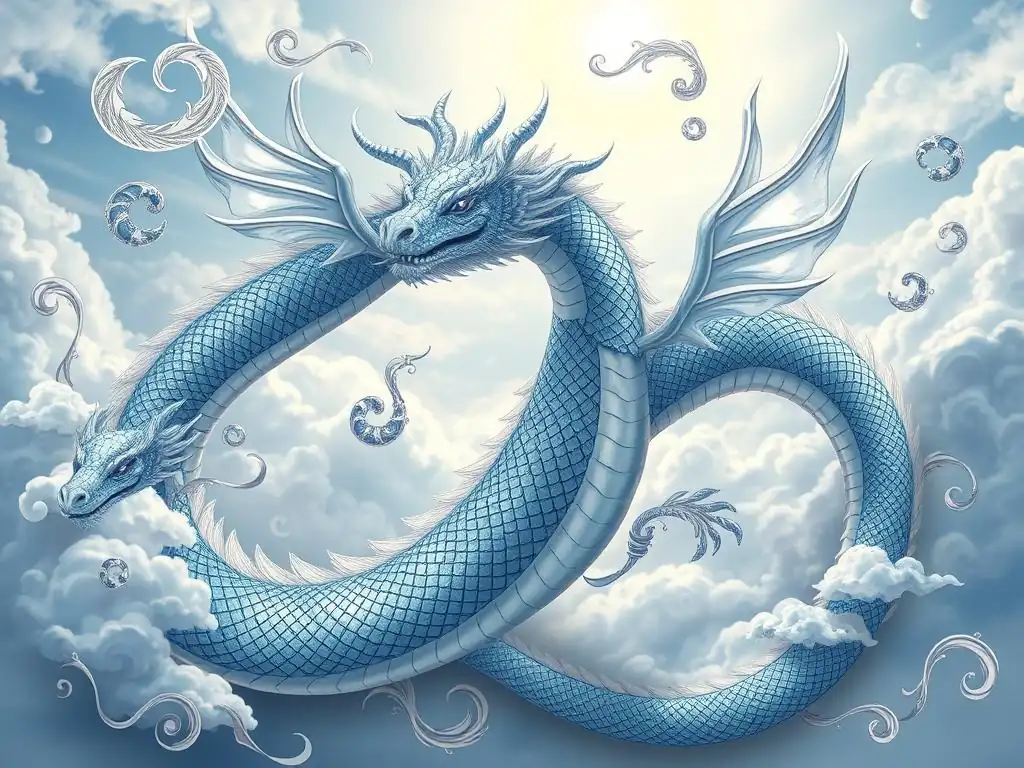
The defining power of air dragons is their inherent connection to and control over the element of air. This manifests primarily as aerokinesis, the ability to manipulate winds and air currents. Depending on the myth, this can range from summoning a gentle breeze to whipping up powerful gales capable of flattening forests or capsizing ships. Asian dragons like the Lung are particularly renowned for their ability to command winds that accompany rainfall. This mastery allows them to affect the weather, aid or hinder travel, and interact with the environment in subtle or dramatic ways purely through atmospheric force.
Their connection to air is also fundamental to their ability to fly. While some depictions show them with wings, many air dragons, especially the serpentine types from Asia, achieve flight through innate magic, levitation, or by riding and directing the very winds they control. Their movement through the sky is often described as swift, graceful, and powerful.
Unlike the heavy, lumbering flight sometimes attributed to other dragon types, air dragons are often portrayed as agile and fast, masters of the aerial domain. This natural affinity for the air underscores their symbolic link to freedom, speed, and the boundless nature of the sky.
Weather Manipulation: Controlling Storms and Sky Conditions
Beyond simply controlling wind, many air dragons are deeply associated with and capable of manipulating broader weather patterns. This is especially true for the sky serpents of Asian mythology, who are considered deities of rain, clouds, thunder, and lightning. They can summon life-giving rainfalls necessary for crops or withhold them, causing devastating droughts. They gather clouds, create fog, and are often depicted wreathed in mist or soaring through storm clouds.
Their influence over weather makes them figures of immense power and reverence. A dragon's mood or actions in myth often directly correlates with the state of the sky – a benevolent dragon brings fair weather and timely rain, while an angered one unleashes destructive storms, floods, or harsh winds. This direct link between the dragon's will and atmospheric conditions highlights their perceived role in maintaining the natural order and the delicate balance of the environment. Their ability to shape the very sky emphasizes the potent and far-reaching nature of Air dragons mythology symbolism.
Air Dragon Breath: From Gusts to Gale-Force Winds
While fire is the iconic breath weapon for many dragons, air dragons possess their own unique exhalation of power: wind. Instead of flames, an air dragon might breathe out powerful gusts, strong breezes, or even hurricane-force winds. This breath can be used defensively to push away attackers, offensively to buffet foes or destroy structures, or even functionally to clear mist or propel objects.
The intensity of an air dragon's breath varies greatly depending on the specific myth and the dragon's power. It could be a gentle sigh that carries whispers across vast distances, a strong current that aids flight, or a roaring tempest that devastates everything in its path. Some myths might describe their roar itself as creating powerful sonic waves or gusts of wind. This elemental breath weapon, distinct from fire, acid, or ice, further solidifies their identity as creatures fundamentally tied to the atmosphere and showcases the diverse ways Air dragons mythology symbolism manifests in their abilities.
The Symbolism of Air Dragons: Meaning and Interpretation
Air Dragons as Symbols of Freedom and Transcendence
The boundless expanse of the sky is the natural domain of air dragons, making them powerful symbols of freedom. Unlike creatures tied to the land or water, they soar unimpeded, representing liberation from earthly constraints and limitations. Their ability to move effortlessly through the vast heavens embodies a sense of independence, unrestraint, and the pursuit of higher perspectives. This aspect of Air dragons mythology symbolism resonates with the human desire for freedom and the ability to rise above challenges.
Furthermore, their association with the sky and often the celestial realms links them to concepts of transcendence. They can be seen as intermediaries between the mortal world and the divine or spiritual planes. Their flight upward symbolizes ascension, enlightenment, or the journey of the soul. In myths where they carry messages from the gods or dwell in heavenly palaces, they represent a connection to something greater than the mundane world, embodying a movement towards higher consciousness or spiritual liberation.
The Air Dragon Archetype: Intellect, Inspiration, and Creativity
Air is often symbolically linked to the mind, thought, and intellect. Consequently, air dragons frequently embody these qualities. They are often portrayed as wise, intelligent, and possessing profound knowledge, sometimes even associated with prophecy or hidden truths. Their swiftness and agility in the air can mirror the quickness of thought and the ability to grasp complex ideas. This emphasis on mental prowess distinguishes them from dragons primarily symbolizing brute strength or destructive power.
Their connection to air also makes them potent symbols of inspiration and creativity. Ideas are often described as being "carried on the wind" or as a "breath of inspiration." Air dragons can represent the spark of genius, the sudden insight, or the flow of creative energy. They might be seen as muses or guardians of knowledge and the arts. This facet of Air dragons mythology symbolism highlights their role not just as physical forces but as powerful influences on the internal world of the mind and the generation of new ideas.
Air Dragons and the Realm of Thought: Connecting Mind and Sky
Deepening the link between air dragons and the intellect, they can be seen as embodying the very realm of thought itself. The vast, invisible expanse of the sky mirrors the abstract, intangible nature of the mind. Air dragons, as masters of this realm, symbolize the power, reach, and sometimes the elusive nature of thoughts and ideas. Their ability to traverse great distances quickly can represent the rapid spread of information or the instantaneous nature of insight.
In some interpretations, they might be associated with communication, carrying messages across the world, much like winds carry sounds. This reinforces their role as connectors, linking individuals and ideas. The Air dragons mythology symbolism in this context emphasizes the dynamism of the mental world, the power of abstract concepts, and the ways in which ideas, like the wind, can shape reality in profound yet often unseen ways. They represent the bridge between the tangible world and the realm of pure thought and spirit.
Distinguishing Air Dragons from Other Dragon Types
Earth Dragons: Grounded and Connected to the Land
Earth dragons stand in stark contrast to their aerial counterparts. These dragons are fundamentally connected to the ground, dwelling in caves, mountains, forests, or deep beneath the earth. They are often depicted as heavy, powerful, and slow-moving compared to air dragons. Their symbolism is tied to the physical world, stability, strength, foundation, and material wealth. They are the guardians of treasure hoards within the earth's crust or the embodiments of the raw, unyielding power of the land itself.
While an earth dragon might possess immense physical strength or control over stone and soil, their domain is distinctly terrestrial. Their power is grounded, rooted, and tangible. This differs significantly from the unbound, dynamic, and often intangible power of air dragons who command the skies and the unseen forces of wind and intellect. The contrast between the grounded, stable nature of earth dragons and the free, ever-changing nature of air dragons highlights the distinct elemental symbolism each type embodies.
Fire Dragons: Embodiments of Passion and Destruction
Perhaps the most widely recognized dragon type in Western culture, fire dragons are synonymous with immense power, destruction, and volatile energy. They are associated with heat, flames, volcanoes, deserts, and the transformative power of fire. Their symbolism often revolves around passion, rage, purification, and overwhelming force. They are frequently portrayed as formidable adversaries, embodying chaos or destructive power.
While fire dragons are often depicted as capable of flight, their primary elemental association is with fire, which defines their breath weapon, habitat (like volcanic regions), and symbolic meaning. This differs fundamentally from air dragons, whose core identity is tied to wind, weather, and the sky. The destructive, consuming nature of fire dragons contrasts with the more varied symbolism of air dragons, which can encompass wisdom, freedom, and gentle forces as well as powerful storms. The distinct elemental powers and symbolic roles clearly differentiate these two types, though both command respect and awe.
Water Dragons: Guardians of the Oceans and Rivers
Water dragons are associated with lakes, rivers, oceans, and other bodies of water. They are often depicted as serpentine, fluid, and mysterious. Their symbolism is linked to emotions, intuition, the subconscious mind, healing, purification, and the ever-changing flow of life. In Asian mythology, water dragons are particularly important, often controlling rainfall and bodies of water, sometimes even sharing dominion over weather with air/sky aspects.
While there is overlap, particularly in Asian cultures where the same dragon entity might control both water and air/rain, pure water dragons are primarily rooted in aquatic environments. Their power stems from the depths and currents of water, influencing tides, floods, or healing springs. This focus on the liquid element and its associated symbolism (emotion, flow, subconscious) distinguishes them from air dragons, whose domain is the sky and whose symbolism centers on intellect, freedom, and wind. The different elements ground (or lift) these dragon types in distinct realms of nature and symbolism, enriching the overall tapestry of dragon lore.
Air Dragons in Modern Fantasy and Literature
Examples of Air Dragons in "Eragon" and "How to Train Your Dragon"
Modern fantasy literature and film continue to draw inspiration from mythological archetypes, including air dragons. While explicit "air-breathing" dragons are less common than fire-breathers, traits associated with air dragons – speed, agility, intelligence, and a strong connection to the sky – are frequently highlighted. In Christopher Paolini's Eragon series, Saphira, while primarily a fire dragon, is renowned for her incredible speed, aerial maneuverability, and deep intellectual bond with Eragon. Her grace and power in flight are central to her character and their partnership, reflecting aspects of the aerial domain's symbolism.
Similarly, the dragons in the How to Train Your Dragon franchise, though diverse in their abilities, showcase many traits associated with air dragons mythology symbolism. The Night Fury, Toothless, is the epitome of speed, agility, and intelligence in the air, possessing unparalleled maneuverability and a unique breath weapon (plasma blasts, not wind, but his mastery of the air is key).
Other dragons like the Stormcutter, with its unique four wings, or the various speed-class dragons, emphasize aerial prowess and distinct personalities, aligning with the intelligence and freedom often linked to air creatures. These portrayals, while not strictly elemental air dragons in every case, certainly capture the essence of speed, intelligence, and mastery of the sky.
The Evolving Portrayal of Air Dragons in Contemporary Culture
Contemporary fantasy often moves beyond strict elemental classifications, blending attributes or focusing on specific physical characteristics like flight capability, speed, or unique aerial abilities. This evolving portrayal reflects a continued fascination with dragons of the sky. Modern air dragons might be depicted with feathered wings, translucent scales, or the ability to turn invisible in the clouds. Their powers might include sonic screams, control over atmospheric pressure, or the ability to generate electrical storms (linking air/wind to lightning).
This modern interpretation allows for creative exploration of Air dragons mythology symbolism. They can represent not just natural forces but also abstract concepts like data streams, communication networks, or even the fleeting nature of digital information. Their association with freedom and transcendence can be explored in narratives about breaking free from societal constraints or achieving new perspectives. As fantasy continues to evolve, air dragons remain a rich source of inspiration, allowing creators to explore themes of intellect, freedom, and the dynamic power of the unseen forces around and within us, ensuring the legacy of their symbolism continues to soar.
Air Dragons Mythology Symbolism: A Recap
The Enduring Legacy of Air Dragons in Global Mythology
The study of air dragons and sky serpents reveals a rich and varied tradition across global mythologies. From the revered Lung dragons of China controlling essential rainfall and winds, to the wise and powerful Ryu of Japan, and the multifaceted Feathered Serpent Quetzalcoatl in Mesoamerica embodying the union of earth and sky, these aerial beings hold significant cultural weight.
Even in European traditions, where fire dragons are more common, the dragon's command of the sky remains a crucial aspect of its power and symbolism. These diverse examples demonstrate that the concept of a powerful, often serpentine or winged, entity residing in and influencing the air is a widespread and enduring archetype.
Their legacy lies in their deep connection to fundamental natural forces – wind, rain, storms, and the sky itself. They are not merely fantasy creatures but reflections of how ancient cultures perceived and interacted with their environment, attributing agency and divine power to atmospheric phenomena. The myriad forms and roles of air dragons highlight humanity's universal fascination with the heavens and the unseen forces that shape the world, proving the lasting impact of their presence in folklore.
Future Directions in Air Dragon Lore and Interpretations
The enduring appeal of air dragons suggests their symbolism will continue to be explored and reinterpreted in the future. As concerns about climate change and the environment grow, perhaps modern interpretations will focus on air dragons as guardians or manifestations of atmospheric health, bringing attention to the vital importance of clean air and stable weather patterns. Their association with intellect and information could see them evolve into symbols related to the digital age, representing data flow, connectivity, or the vast, intangible networks that link the world.
Academically, further comparative studies could delve deeper into the subtle variations in Air dragons mythology symbolism across even more cultures, uncovering lesser-known traditions. In fantasy and art, creators will likely continue to invent new forms and abilities for air dragons, perhaps focusing on unique wind-based powers, sonic abilities, or visual designs that emphasize lightness and speed. The core symbolic elements – freedom, intellect, change, connection to the divine/abstract – remain potent sources of inspiration, ensuring that the whispers of the air dragons on the wind will continue to capture the imagination for generations to come.
Frequently Asked Questions
What are the general characteristics of Air Dragons in mythology?
Air Dragons are typically depicted as powerful, winged creatures associated with the element of air, often embodying qualities like wisdom and freedom.
How does the symbolism of Air Dragons differ across cultures?
While some cultures view them as benevolent guardians of the sky, others may portray them as volatile forces of nature representing storms and chaos. The specific symbolism varies greatly depending on the myth.
What is the significance of "sky serpents" in relation to Air Dragons?
"Sky Serpents" are often considered related or analogous figures to Air Dragons, representing similar concepts of aerial power and celestial influence, sometimes depicted without wings.
What role do Air Dragons play in creation myths and folklore?
In many creation myths, Air Dragons are seen as primordial beings that helped shape the sky and atmosphere, establishing the fundamental elements of the world.
How has the mythology surrounding Air Dragons influenced contemporary society and art?
The imagery and symbolism of Air Dragons continue to inspire artists, writers, and game developers, often used to represent themes of freedom, knowledge, and untamed power, shaping our modern interpretations of mythology.
Final Reflection: The Enduring Power of Air Dragons
The symbolism of air dragons, far from being a relic of the past, resonates powerfully in our modern world. Their ethereal nature, their connection to the unseen forces of the wind, and their potent symbolism of change and transformation continue to capture our imaginations and offer potent metaphors for understanding the complexities of life. We see echoes of their power in everything from fantasy literature and film to the very language we use to describe powerful, unpredictable events.
The enduring fascination with air dragons speaks to a deep-seated human need to understand the forces beyond our control, to grapple with the unpredictable nature of the world around us. These mythical creatures, masters of the skies, represent both the beauty and the terror of the unknown. Their ability to traverse the heavens, to command the winds, speaks to a yearning for freedom and transcendence. As the poet William Blake so eloquently stated: The true method of knowledge is experiment.
And the enduring presence of air dragons in mythology across cultures suggests a persistent human experiment in understanding the power and mystery of the air itself.
Consider the symbolism of air dragons in your own life. What aspects of your own journey resonate with their flight, their power, their connection to the unseen? What winds of change are you navigating, and how can understanding the symbolism of these magnificent creatures help you to navigate them with grace and strength? Embrace the whispers on the wind, and let the legacy of air dragons inspire you to soar to new heights.
Take Flight: Embark on Your Own Mythical Journey!
Thanks for exploring the fascinating world of Air Dragons and Sky Serpents! You’ve now unlocked a deeper understanding of these mythical creatures and their place in diverse cultures. Ready to delve even further?
- Craft your own Sky Serpent: Let your imagination soar! Design a unique air dragon, sketching its features and imagining its powers. Consider its habitat, its weaknesses, and the legends surrounding its existence. This is your chance to become a mythmaker!
- Share your creations: Inspire others! Post your drawings or descriptions on social media using #AirDragonMythology and #SkySerpentTales. Let's build a collaborative mythology together.
- Explore further: Delve deeper into the myths and legends of your favorite cultures. What other fantastical beings inhabit their skies?
What incredible aerial creature will you bring to life today?