
The Dragon's Voice: Roars, Hisses, and Whispers in Legend

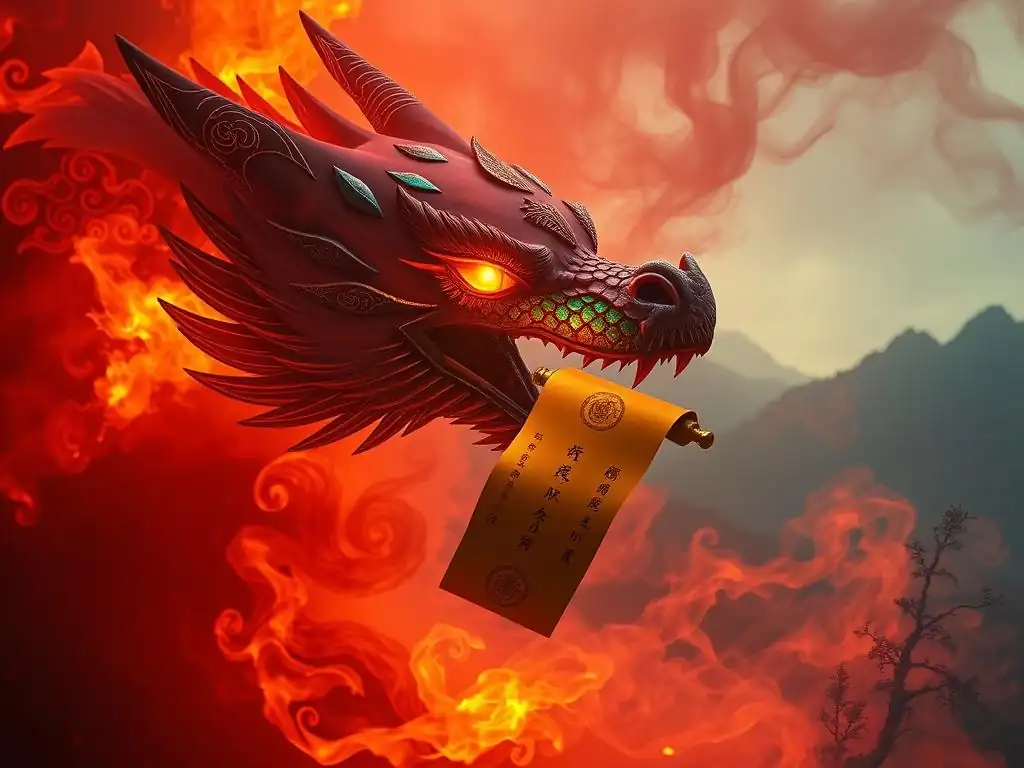
Welcome to Mythology and Legends, where ancient stories come alive. Have you ever wondered why the dragon, a creature of fire and fury, appears in almost every culture across the globe? Delve into the captivating realm of dragon legends worldwide symbolism and uncover the hidden meanings behind these magnificent beasts, from benevolent protectors to fearsome destroyers. The secrets they hold may surprise you...
- Introduction: Unveiling the Dragon's Sonic Landscape in Worldwide Mythology
- Dragon Roars: Power, Authority, and Divine Judgement
- Dragon Hisses: Deception, Subtlety, and Hidden Threats
- Dragon Whispers: Secrets, Prophecies, and Enticement
- The Absence of Sound: Silent Dragons and Their Meaning
- Analyzing Dragon Sounds Across Cultures: A Comparative Study
- The Dragon's Voice in Contemporary Culture: Echoes in Film, Literature, and Games
- Conclusion: The Multifaceted Voice of the Dragon – Symbolism and Impact
-
Frequently Asked Questions
- What are some common traits shared by dragons across different cultures' legends?
- How does the symbolism of dragons differ between Eastern and Western mythologies?
- Besides power and chaos, what other symbolism can be attributed to dragons in folklore?
- What are some examples of specific dragon legends from different parts of the world?
- How have dragon legends influenced contemporary society and popular culture?
- Final Reflection: Echoes of the Dragon in Our World
- Unlock the Secrets of Dragon Lore!
Introduction: Unveiling the Dragon's Sonic Landscape in Worldwide Mythology
The Significance of Dragon Sounds in Ancient Tales
Across countless cultures and epochs, the dragon stands as one of mythology's most enduring and complex figures. While their physical forms vary wildly – from the serpentine, benevolent dragons of the East to the winged, hoard-guarding beasts of the West – their voices often carry profound significance. These sounds are not mere noises; they are integral components of the dragon's nature, communicating power, intent, and sometimes, even divine will or forbidden knowledge. Exploring the auditory dimension of dragons unlocks deeper layers of understanding the dragon legends worldwide symbolism.
The sounds attributed to dragons serve multiple narrative functions in ancient tales. A deafening roar can signal destruction or the arrival of a cosmic force, while a subtle hiss might warn of treachery or hidden danger. Whispers, conversely, can convey ancient secrets or tempting propositions. These varied vocalizations allow storytellers to imbue dragons with complex personalities and roles, ranging from fearsome antagonists to wise, albeit formidable, allies. The specific sounds assigned often reflect the cultural perception of the dragon itself and its place within the cosmic order.
Dragon Legends Worldwide Symbolism: More Than Just Fire
While the image of a dragon breathing fire is iconic and central to much of the dragon legends worldwide symbolism, the sounds they produce are equally, if not more, revealing of their deeper meanings. Fire represents raw power, destruction, or purification, but sounds offer a more nuanced palette of symbolic expression. A roar can symbolize not just physical power but also authority, divine judgment, or the very sound of thunder and storms.
The hiss, often associated with serpents, links dragons to themes of earth, chthonic power, and sometimes, deceit or hidden knowledge. Whispers introduce elements of mystery, prophecy, or the subtle temptation of forbidden lore. Even the absence of sound, silence, can be profoundly symbolic, indicating immense age, watchful guardianship, or an ancient, immeasurable power that requires no vocalization. Understanding these sounds provides a richer appreciation for the diverse and intricate dragon legends worldwide symbolism found across global folklore.
The Roar as a Symbol of Dragon's Dominance
The dragon's roar is perhaps its most recognized sound, universally symbolizing immense power and dominance. It is the sound that shakes the earth, splits mountains, and strikes terror into the hearts of mortals and heroes alike.
In many Western myths, the roar is an expression of the dragon's territorial claim over its hoard or domain, a sonic assertion of its status as an apex predator or a force of nature. For example, the roar of Smaug in Tolkien's The Hobbit is described as a terrible sound that causes rivers to steam and mountains to tremble, underscoring his overwhelming might and tyranny over the Lonely Mountain.
Beyond mere physical power, the roar can also represent authority, whether temporal or divine. In some legends, dragons are depicted as cosmic entities whose roars echo the sound of creation or the rumbling of celestial bodies.
The sound can be a call to war, a signal of an impending cataclysm, or even a form of communication with other powerful beings. The sheer volume and intensity of the roar establish the dragon's unquestionable place at the top of the mythical hierarchy, a creature whose voice alone can alter the landscape or decide the fate of kingdoms, embodying significant aspects of dragon legends worldwide symbolism.
Cultural Variations in the Interpretation of Dragon Roars
While the association with power is common, the specific interpretation of the dragon's roar varies significantly across cultures, reflecting different aspects of dragon legends worldwide symbolism. In European folklore, the roar is often purely terrifying, the sound of a monstrous force bent on destruction. It is the sound heard before villages are razed or knights are incinerated. This contrasts sharply with some Eastern traditions where the roar of a dragon, particularly a celestial dragon, might be associated with thunder and rain, symbolizing benevolent power essential for agriculture and life.
In Chinese mythology, the sound of the dragon is often linked to natural phenomena like storms and water. The roar of the Long (龍) can be the sound of thunder accompanying life-giving rain, an expression of cosmic energy rather than monstrous rage. Similarly, in some Native American traditions involving feathered serpents or dragon-like beings, their cries or calls might be tied to weather patterns or spiritual power. These variations highlight how the same fundamental sound – a powerful vocalization – can carry vastly different symbolic weight depending on the cultural context of the dragon legends worldwide symbolism being explored.
The Dragon's Roar in Literature and Art
The dragon's roar has been a potent motif in literature and art for centuries, capturing the imagination and serving as a shorthand for overwhelming power and presence. Ancient epics like Beowulf describe the terrifying cry of the dragon guarding the treasure, a sound that instills fear and signals the final, monumental challenge. Medieval bestiaries often depicted dragons with open mouths, emphasizing their fearsome vocalizations alongside their fiery breath.
In modern fiction, the roar remains a crucial element in portraying dragons. From the thunderous roars of Drogon, Rhaegal, and Viserion in George R. R. Martin's A Song of Ice and Fire (and its adaptation Game of Thrones), which serve as calls to battle and expressions of primal power, to the more nuanced roars in other fantasy series, the sound continues to define the dragon's impact on its environment and the characters within the story.
These depictions underscore the enduring power of the roar as a symbol of the dragon's might and its central role in dragon legends worldwide symbolism.
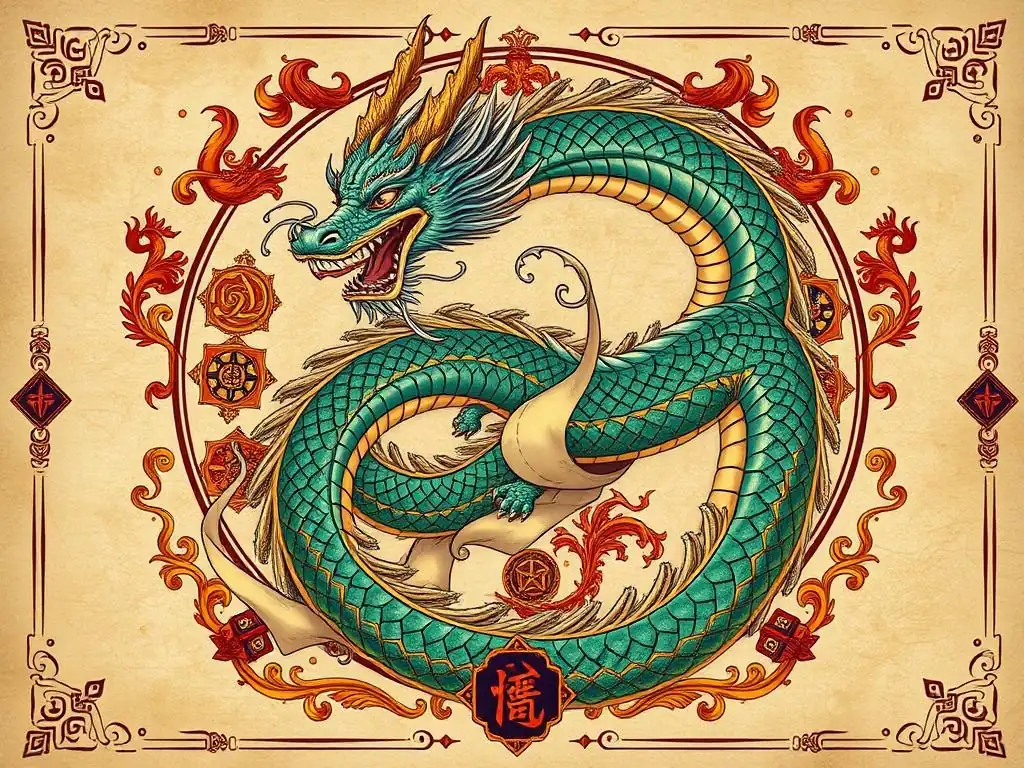
The Hiss as a Sign of Cunning and Treachery in Dragon Lore
While the roar signifies overt power, the dragon's hiss often embodies more insidious qualities: cunning, subtlety, and hidden danger. Unlike the dramatic roar that announces its presence, a hiss is quieter, suggesting something lurking just out of sight or a threat that is not immediately apparent. In myths where dragons are portrayed as malevolent or serpentine, the hiss can be a precursor to a stealthy attack or a sign that the creature is employing deceit rather than brute force. It aligns the dragon with the serpent's reputation for slyness and temptation.
This aspect of the dragon's voice is particularly prominent in tales where the dragon is associated with poison, shadows, or underground lairs. A hiss might be the sound heard just before a venomous strike or the chilling whisper of a creature guarding a dark secret deep within the earth.
It represents the more predatory, calculating side of the dragon, highlighting its intelligence and capacity for malice beyond simple destruction. This subtle sound adds a layer of psychological terror, playing on the fear of the unseen or the quietly approaching threat, influencing the dragon legends worldwide symbolism related to danger and the unknown.
Comparing Dragon Hisses to Serpent Sounds
The association between dragon hisses and serpent sounds is deeply rooted in mythology, reflecting the often intertwined nature of dragons and snakes in folklore. Many early dragon myths depict creatures that are primarily serpentine, lacking legs or wings, making the hiss a natural and expected vocalization. This shared sound reinforces the symbolic links between dragons and serpents, which often include connections to the earth, chthonic forces, cycles of death and rebirth (shedding skin), and sometimes, temptation or evil.
The hiss, in both dragons and serpents, can symbolize a primal, instinctual threat. It is the sound of a predator coiled and ready to strike. However, the dragon's hiss often carries a heavier weight due to the dragon's typically larger size and mythical power. While a serpent's hiss warns of a bite, a dragon's hiss might precede a devastating attack, the release of deadly toxins, or the unleashing of a curse. This sonic connection underscores the shared heritage and symbolic resonance between these two powerful reptilian figures in dragon legends worldwide symbolism.
Dragon Hisses in Folklore
Examples of dragons or dragon-like creatures characterized by hissing sounds appear in various folklore traditions. While not as universally documented as the roar, mentions exist in tales featuring swamp dragons, cave-dwelling wyrms, or serpentine guardians. In some European folklore, dragons associated with poison or plague were said to hiss, the sound carrying the foulness of their breath.
Consider tales of creatures like the Basilisk (often depicted as a serpent or a dragon-serpent hybrid), whose hiss could be lethal or paralyzing. While not always strictly a "dragon," its serpentine hiss illustrates the symbolic power of this sound in conveying deadly threat and hidden power. The emphasis on the hiss in such creatures highlights the aspect of dragon legends worldwide symbolism that relates to insidious danger, silent menace, and the darker, more cunning side of these mythical beasts.
Dragon Whispers: Secrets, Prophecies, and Enticement
The Whisper as a Conveyor of Forbidden Knowledge
In contrast to the overt power of the roar or the subtle threat of the hiss, the dragon's whisper occupies a unique symbolic space, often associated with secrets, ancient knowledge, and forbidden truths. A whisper suggests intimacy, confidentiality, and something not meant for everyone's ears. When attributed to a dragon, it implies that the creature possesses knowledge so profound or dangerous that it can only be shared in hushed tones.
This whispered knowledge might pertain to the origins of the world, the location of lost treasures, the secrets of magic, or the weaknesses of powerful foes. It is the sound of ancient wisdom being imparted, often with a hidden cost or a test of character for the listener. The act of a dragon whispering elevates it from a mere beast to a keeper of profound mysteries, adding layers of intellectual and esoteric symbolism to the broader dragon legends worldwide symbolism.
Dragons as Oracles: The Power of Whispered Prophecies
In some mythologies, dragons are depicted as beings of immense age and wisdom, capable of foresight or prophecy. Their whispers, in this context, become the means by which these glimpses into the future or pronouncements of fate are delivered. Like ancient oracles, these dragons might reside in secluded places, and those seeking their guidance must approach with reverence and caution.
The whispered prophecy adds an element of mystery and ambiguity. Unlike a clear declaration, a whispered future might be cryptic, requiring interpretation, or it might be a truth so heavy it can barely be spoken aloud. This aspect of the dragon's voice ties into themes of destiny, the weight of knowledge, and the often-uncomfortable nature of knowing what is to come. The dragon as a whispering oracle is a powerful archetype within dragon legends worldwide symbolism, representing a connection to fate and the hidden currents of time.
The Allure of the Dragon's Whisper
The dragon's whisper can also be profoundly enticing, carrying with it the promise of power, wealth, or forbidden desires. Like the serpent in the Garden of Eden, a whispering dragon might tempt mortals with knowledge or capabilities they shouldn't possess, leading them down dangerous paths. This seductive quality highlights the dragon's ability to influence not just through fear but through temptation and manipulation.
Consider tales where a dragon offers a hero a shortcut to power or reveals a secret weakness in exchange for a dark deed. The whisper here is the voice of temptation, preying on ambition or desperation. It is a quiet, insidious sound that can lead to ruin just as effectively as a devastating roar. This alluring aspect complicates the dragon legends worldwide symbolism, portraying the dragon not just as a force of nature or a guardian, but also as a potentially corrupting influence.
The Absence of Sound: Silent Dragons and Their Meaning
When Silence Speaks Volumes: The Symbolic Weight of Quiet Dragons
While roars, hisses, and whispers define the vocal presence of many dragons, the absence of sound – silence – can be equally, if not more, significant in dragon legends worldwide symbolism. A silent dragon is often portrayed as ancient, immensely powerful, and perhaps beyond the need for vocal communication. Their silence can convey a terrifying stillness before an inevitable onslaught, the quiet watchfulness of an ancient guardian, or the profound mystery of a being whose thoughts are too vast or alien for sound.
The silence of a dragon can amplify its mystique and power. A roaring dragon is a known threat; a silent one is an enigma. Its stillness suggests patience, immeasurable age, and a depth of power that doesn't require vocalization to assert itself. This quietude can be more unnerving than any sound, leaving observers to project their greatest fears or deepest respect onto the mute presence.
Cultural Interpretations of Silent Dragons
Cultural interpretations of silent dragons vary, often reflecting the specific role the dragon plays in that mythology. In some traditions, a silent dragon might be a primordial entity, present since the dawn of time, its silence representing the stillness of creation or the void before existence. Its power is so fundamental it doesn't need expression through sound.
Alternatively, a silent dragon could be a creature of immense sorrow or contemplation, its silence a sign of ancient burdens or a profound understanding of the world's suffering. This interpretation is less common but appears in some more nuanced modern fantasy influenced by older myths. The silence, in these cases, is not merely an absence of noise but an active state of being that carries deep symbolic weight within the framework of dragon legends worldwide symbolism.
The Silent Dragon as a Guardian
One prevalent interpretation of the silent dragon is that of a guardian. Whether protecting a sacred place, a valuable treasure, or a sleeping deity, a silent dragon embodies watchful vigilance. Its quiet presence suggests unwavering dedication and an ever-present threat to intruders that needs no verbal confirmation. The silence makes the guardian more formidable; you might not hear it until it's too late.
This archetype appears in tales of dragons guarding hidden temples or ancient artifacts. Their silence is a form of camouflage, allowing them to observe unseen, or a sign of their eternal, patient watch. The silent guardian dragon reinforces the aspect of dragon legends worldwide symbolism related to protection, sanctity, and the formidable power that defends the boundaries between worlds or between the mundane and the sacred.
Analyzing Dragon Sounds Across Cultures: A Comparative Study
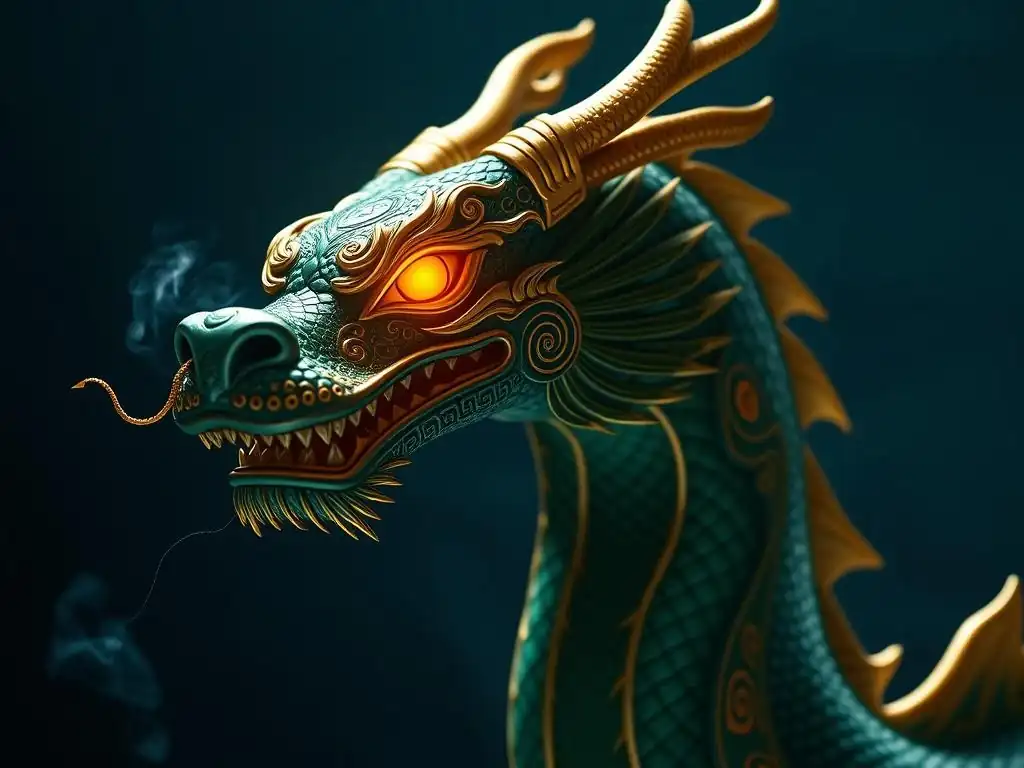
Eastern Dragon Sounds
Eastern dragons, particularly the Long of China and the Ryu of Japan, exhibit a range of sounds that differ significantly in symbolic meaning from many Western counterparts, highlighting the diversity in dragon legends worldwide symbolism. While they can roar, their vocalizations are often associated with natural phenomena vital to human life. The roar of a Chinese dragon is frequently described as sounding like thunder, intrinsically linked to rain, clouds, and storms. These sounds are not necessarily terrifying but are powerful expressions of cosmic energy and benevolent (though sometimes fearsome) control over water and weather.
Beyond the thunderous roar, Eastern dragons might also be associated with sounds related to water itself – the rushing of rivers, the crashing of waves, or even the gentle lapping of water. Their voices can be deep and resonant, echoing the power of the oceans and skies. These sounds underscore their role as bringers of rain, guardians of waterways, and symbols of fertility, prosperity, and imperial power. The auditory profile of Eastern dragons is deeply integrated with the natural world they inhabit and influence, reflecting a key aspect of dragon legends worldwide symbolism in these regions.
Western dragons, common in European folklore and mythology, typically possess a more limited and overtly fearsome sonic repertoire, emphasizing different facets of dragon legends worldwide symbolism. The dominant sound is the roar, which is almost universally interpreted as a sound of terror, destruction, or aggression. This roar is often described as earth-shaking, capable of shattering stone or causing avalanches, signifying brute force and destructive power.
Hissing is also a significant sound for Western dragons, particularly those with strong serpentine characteristics or associations with poison and malice. This sound reinforces their connection to the earth's dark, chthonic aspects and their portrayal as cunning, dangerous beasts. While some Western dragons might be depicted as speaking or even whispering (especially in more modern interpretations or specific regional tales), the primary sounds associated with them are the loud, terrifying roar and the insidious hiss, reflecting their common portrayal as formidable adversaries or symbols of chaos and greed in dragon legends worldwide symbolism.
The Influence of Geography and Culture on Dragon Sound Perception
The stark differences in the sounds attributed to dragons and their symbolic meanings across cultures are heavily influenced by geography and the dominant cultural values. In agricultural societies heavily reliant on rain, like ancient China, the dragon's sound being linked to thunder and life-giving storms is a natural extension of its role as a benevolent rain deity. The sound embodies vital, powerful forces necessary for survival and prosperity. This reflects a view of nature as powerful but potentially harmonious with humanity.
Conversely, in regions where dragons are more often associated with wild, untamed wilderness, mountains, or destructive forces like volcanoes, their sounds are perceived as inherently terrifying and chaotic. The roar becomes the sound of a destructive natural event or a monstrous predator. This highlights how cultural perspectives on nature, power, and the relationship between humanity and the wild directly shape the auditory symbolism within dragon legends worldwide symbolism. The landscape and lifestyle of a culture are echoed in the very voice of its mythical creatures.
The Dragon's Voice in Contemporary Culture: Echoes in Film, Literature, and Games
Dragon Sounds in Modern Storytelling
The rich sonic symbolism of dragons has been powerfully adapted and expanded in contemporary media, bringing dragon legends worldwide symbolism to new audiences. In film, sound design is crucial to conveying the dragon's nature. The roars of cinematic dragons like Smaug (in The Hobbit films) or the dragons in Game of Thrones are carefully crafted to evoke awe, terror, and immense power, often incorporating elements of big cats, reptiles, or even natural phenomena like thunder. These roars define their presence and impact.
Beyond roars, modern storytelling utilizes hisses and whispers effectively. A dragon might hiss before unleashing a stream of acid or a venomous bite, emphasizing its predatory nature. Whispers are often used to portray dragons as ancient, intelligent beings capable of complex communication, tempting heroes with forbidden knowledge or sharing cryptic prophecies. The subtle variations in vocalization allow creators to develop distinct dragon characters with unique personalities and roles, moving beyond the monolithic "monster" archetype.
The Enduring Appeal of the Dragon's Voice: Why We Still Listen
The enduring appeal of the dragon's voice in contemporary culture lies in its primal power and symbolic depth, reinforcing aspects of dragon legends worldwide symbolism. The roar taps into our innate fear of overwhelming power and the sublime terror of nature's fury. It is a sound that evokes the epic, the monumental, and the confrontation with forces far greater than ourselves.
Hisses appeal to our fear of the hidden, the insidious, and the cunning predator. They represent the subtle dangers that lurk in the shadows. Whispers, on the other hand, engage our fascination with secrets, ancient wisdom, and the allure of forbidden knowledge. Together, this range of sounds provides a full spectrum of symbolic expression, allowing dragons to embody everything from raw, destructive force to ancient, seductive wisdom. This multifaceted auditory profile ensures that the dragon remains a compelling figure in storytelling, its voice continuing to resonate with audiences worldwide.
Conclusion: The Multifaceted Voice of the Dragon – Symbolism and Impact
Dragon Legends Worldwide Symbolism: A Lasting Legacy of Sound and Meaning
The voice of the dragon, encompassing roars, hisses, whispers, and even silence, is far more than just an incidental detail in mythology; it is a fundamental element of dragon legends worldwide symbolism. Each sound carries distinct cultural weight and contributes significantly to the dragon's portrayal as a powerful, complex, and often contradictory being. The thunderous roar speaks of overt power, authority, and cosmic force, interpreted differently in Eastern and Western traditions.
The subtle hiss introduces themes of cunning, hidden danger, and the primal connection to serpentine power. The mysterious whisper conveys secrets, prophecies, and the seductive allure of forbidden knowledge. And silence itself speaks volumes, symbolizing ancient power, vigilant guardianship, or profound, inexpressible wisdom. These varied vocalizations provide a rich tapestry of meaning that underscores the dragon's diverse roles across global folklore. The sounds attributed to dragons are integral to understanding their symbolic significance, their relationship with humanity, and their enduring impact on our collective imagination.
Frequently Asked Questions
Dragons often represent powerful, primal forces and are frequently associated with wisdom and guardianship. However, their alignment as benevolent or malevolent varies greatly.
How does the symbolism of dragons differ between Eastern and Western mythologies?
In the East, dragons are generally seen as auspicious and benevolent, embodying emperors and good fortune. In the West, they are often portrayed as destructive monsters needing to be slain.
Besides power and chaos, what other symbolism can be attributed to dragons in folklore?
Dragons can symbolize transformation and rebirth, representing the overcoming of obstacles. They can also signify hidden knowledge and the untamed aspects of nature.
What are some examples of specific dragon legends from different parts of the world?
Examples include the Chinese Long, a symbol of imperial power, and the European dragons like Fafnir, associated with greed and guarding treasure.
How have dragon legends influenced contemporary society and popular culture?
Dragon legends have inspired countless works of art, literature, and film, shaping our understanding of fantasy and adventure. They continue to serve as powerful metaphors for various themes and ideas.
Final Reflection: Echoes of the Dragon in Our World
The enduring power of dragon legends worldwide isn't merely a fascination with mythical creatures; it's a reflection of our deepest anxieties and aspirations. Dragons, in their multifaceted forms, embody the untamed forces of nature, the allure of immense power, and the ever-present tension between destruction and creation. This enduring symbolism continues to resonate deeply in our modern world, shaping our narratives and influencing our understanding of ourselves and the universe.
The dragon's influence transcends geographical boundaries and cultural differences. From the benevolent Eastern dragons bringing rain and prosperity to the fearsome Western beasts hoarding gold and wreaking havoc, the symbolism remains remarkably consistent, albeit with nuanced variations. The dragon represents the primal forces of nature, the untamed spirit, and the power that lies both within and beyond our comprehension.
This quote, though not from a specific source, encapsulates the core of the dragon's enduring appeal. Its capacity to represent both terrifying power and awe-inspiring majesty speaks to the inherent duality present in the human experience, a duality that continues to fascinate and challenge us.
Consider the dragons you've encountered – in books, films, games, or even whispered stories. What aspects resonated most deeply? What fears or hopes did they evoke? I invite you to reflect on the dragon's enduring presence in your own life, to explore the ways in which its symbolism has shaped your understanding of power, nature, and the human condition. Let the echoes of the dragon's voice guide you towards a deeper understanding of yourself and the world around you. The dragon's legacy is not just a collection of stories; it's a living, breathing reflection of the human spirit.
Unlock the Secrets of Dragon Lore!
Thanks for delving into the captivating world of dragons! We hope you enjoyed exploring their roars, hisses, and whispers throughout history. Now it's time to take your dragon fascination further.
- Craft your own dragon: Let your imagination soar! Design a unique dragon, complete with its own personality, habitat, and magical abilities. Describe it in the comments below—we’d love to see your creations!
- Share your favorite dragon legend: Do you have a personal favorite dragon myth or story? Spread the wonder by sharing it on your social media, using #DragonLore.
- Explore other mythical creatures: Discover the rich tapestry of other legendary beings on our website!
What unique ability would your dragon possess, and how would it use it to shape the world around it?