Exploring Digital Narratives in Mythology
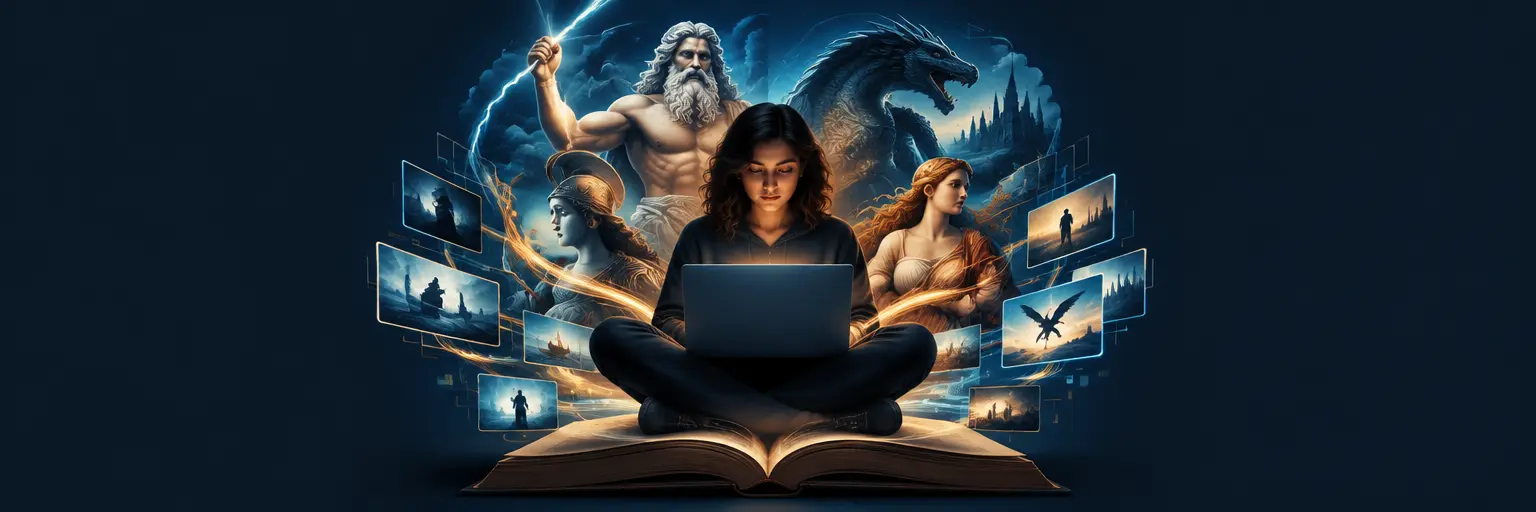
Welcome to the Digital Narratives subcategory, a dynamic intersection where ancient mythological archetypes meet cutting-edge technology. Here, we explore how myths, legends, and folklore are being reimagined across websites, interactive fiction, video games, virtual reality, podcasts, and webcomics. For enthusiasts of Mythology and Legends, this space uncovers how timeless stories like the Hero’s Journey or Norse Ragnarök are not only preserved but transformed for modern audiences. Expect deep dives into transmedia storytelling, fan-driven myth-making, and the ethical challenges of digital adaptation.
🎮 Interactive Mythological Worlds in Video Games
Video games have become one of the most powerful mediums for digital narratives, allowing players to live inside mythological universes rather than just read them. In this section, we analyze titles like God of War, Hades, and Assassin’s Creed Odyssey, focusing on how game mechanics—such as choice-driven quests and branching dialogues—reshape ancient stories. You’ll discover how game developers balance narrative fidelity with interactive agency, letting players explore Greek, Norse, or Egyptian myths while forging their own paths.
Beyond mechanics, we explore the narrative architecture of these games, from environmental storytelling to character growth tied to mythological virtues. Expect case studies on how side quests reinterpret lesser-known deities and how multiplayer modes foster collective myth-making. Whether you’re a gamer, writer, or myth enthusiast, this section illuminates how digital interactivity breathes new life into age-old legends, making them more visceral and personal than traditional retellings.
📖 Webcomics and Serialized Myth Retellings
Webcomics and serialized online fiction have democratized mythological storytelling, enabling independent creators to publish diverse, inclusive reimaginings. This section highlights popular web series like Lore Olympus (a modern Persephone-Hades romance) and The Wicked + The Divine (where gods become pop stars). We examine how episodic release formats build anticipation and community engagement, with comment sections and fan theories acting as live discussion forums for mythic interpretations.
You’ll also learn about narrative techniques unique to web formats, such as infinite scrolling, click-to-reveal panels, and multimedia integration. We discuss the representation of marginalized voices—retelling myths from feminist, LGBTQ+, and postcolonial perspectives—and how these digital canvases challenge canonical texts. For writers, this section offers practical tips on pacing, cliffhangers, and building a loyal readership in the crowded digital landscape.
🎧 Mythic Storytelling in Podcasts and Audio Dramas
Podcasts have resurrected oral storytelling traditions, making mythology aural again. Shows like Myths and Legends, Lore, and The Adventure Zone (which incorporates D&D-based myth arcs) demonstrate how voice, sound effects, and music enhance emotional resonance. This section explores how audio-only formats force listeners to imagine mythic worlds, deepening their personal connection to characters like Odysseus or Anansi. You’ll discover production techniques—ranging from foley art to ambient scoring—that create immersive atmospheres without visual aids.
Furthermore, we analyze serialized audio dramas like Tanis or Alice Isn’t Dead, which weave modern conspiracies with mythological horror. Expect discussions on narrative pacing in episodic radio-style shows, audience anticipation, and the role of binaural audio for 3D immersion. For podcast creators, this section covers monetization, listener retention, and how to ethically adapt sacred stories while respecting cultural origins.
🕹️ Virtual Reality and Augmented Reality Myth Experiences
Virtual Reality (VR) and Augmented Reality (AR) are pushing digital narratives into fully embodied, spatial realms. This section reviews experimental VR projects like The Line (based on Indigenous creation stories) and AR games like Pokémon GO (which superimposes mythical creatures onto real-world landmarks). We break down how presence—the feeling of “being there”—transforms mythological encounters from observation to lived experience. User agency in VR, such as selecting which deity to help or which prophecy to fulfill, adds layers of moral complexity.
You’ll also explore technical challenges, including motion sickness design, accessibility for disabled users, and the digital preservation of endangered oral traditions. Ethical debates arise: Can a corporate VR platform authenticate or commodify sacred narratives? We provide case studies from museums using AR to resurrect lost temples and from shamanic VR rituals. This section is essential for tech enthusiasts, game developers, and cultural archivists seeking responsible innovation.
🌐 Transmedia Myth-Building and Fan Communities Online
Transmedia storytelling expands a single mythic universe across multiple platforms—websites, social media, video, and interactive maps—creating a cohesive, immersive world. Examples include the Doctor Who expanded universe and the Marvel Cinematic Universe, which borrow mythological motifs from Thor to Loki. This section examines how mythic narratives evolve through collaborative fan participation, from fan fiction to wikis and role-playing forums. We detail how community moderators curate canonical and apocryphal mythic content, effectively becoming digital mythographers.
Furthermore, we discuss the phenomenon of live-tweeting mythology and crowdsourced reimaginings, where global audiences vote on plot twists or character fates. You’ll learn how transmedia franchises use augmented reality games (ARGs) to blur fiction and reality, embedding mythic clues in real-world locations. For marketers and storytellers, this section offers strategies for building participatory mythologies that foster engagement and loyalty. We also address copyright issues versus cultural ownership in a hyperconnected age.
Frequently Asked Questions
What defines a digital narrative in mythology?
A digital narrative in mythology uses digital platforms—such as games, webcomics, podcasts, VR, or social media—to retell, adapt, or build upon original myths. Unlike passive reading, these narratives are interactive, user-driven, or multimedia-based, allowing audiences to experience mythological stories through new sensory and participatory means.
How do digital narratives preserve or alter original myths?
Digital narratives preserve core archetypes (hero, trickster, creation) while altering details for modern relevance. For instance, a game may change a myth’s ending based on player choice, or a webcomic may add LGBTQ+ relationships. This both revitalizes ancient stories and risks cultural dilution; ethical adaptations credit sources and respect sacred contexts.
What are the most popular mythological games or podcasts?
Popular games include God of War (Norse), Hades (Greek), and Okami (Japanese). Top podcasts are Myths and Legends for concise retellings, Lore for folk horror, and The Adventure Zone for improvisational myth-based RPGs. These are praised for innovation in storytelling and emotional depth.
Can digital narratives make mythology accessible to younger audiences?
Yes, digital narratives engage younger viewers through gamified learning, short-form videos, and interactive social posts. Platforms like TikTok and Minecraft host myth-inspired challenges and builds. However, creators must balance educational accuracy with entertainment, ensuring that reduced complexity doesn’t erase cultural nuance or historical context.
Are there copyright issues when adapting public domain myths?
Most myths from ancient cultures are in the public domain, so they’re free to adapt. However, specific retellings, such as a novel’s unique interpretation, are copyrighted. Digital creators must avoid copying another’s character design or plot structure. For indigenous or living traditions, obtaining community consent is often an ethical necessity beyond legal requirements.