
The Art of the Digital Oracle: Prophecy in Interactive Myths

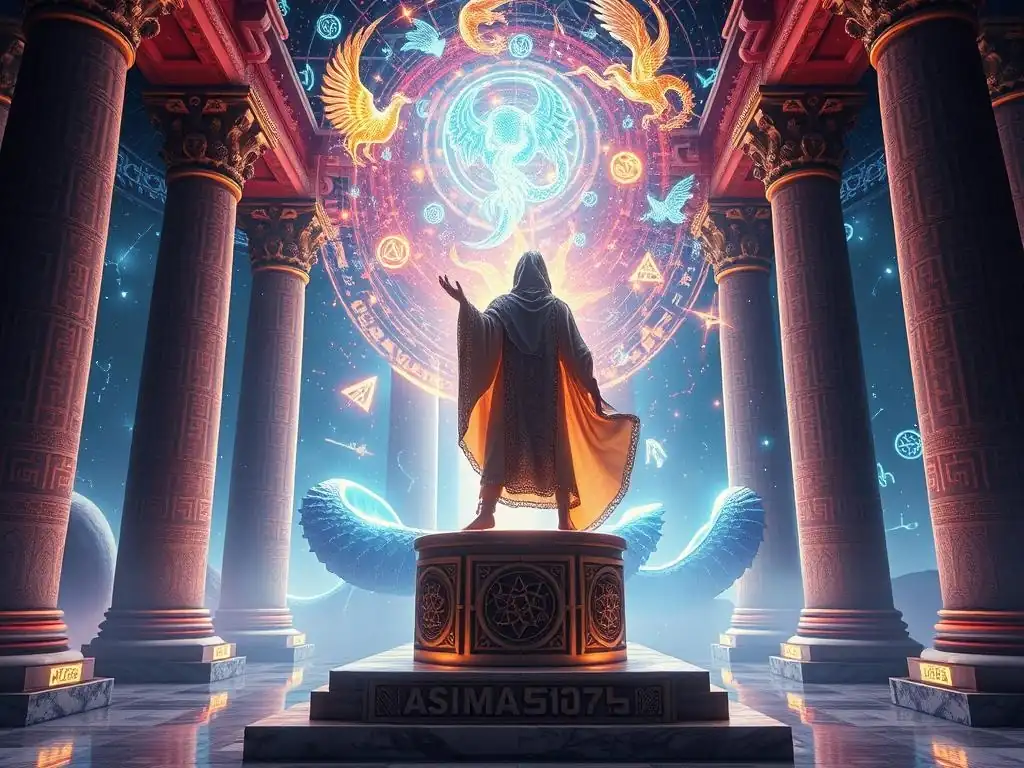
Welcome to Mythology and Legends, where ancient tales meet the modern world. Ever wondered how the echoes of forgotten gods and heroes still resonate in our digital age? Dive into The Art of the Digital Oracle, where we explore the fascinating intersection of interactive myths digital prophecy trends. Prepare to uncover how these timeless narratives are being reimagined, reshaped, and reinterpreted in interactive experiences. Are these digital prophecies merely entertainment, or do they hold a deeper truth? Explore with us and decide for yourself...
Key Trends in Interactive Myths and Digital Prophecy
The landscape of interactive myths is rapidly evolving, driven by technological advancements and changing audience expectations. As creators explore new ways to engage players and readers with ancient narratives, several key trends are shaping how digital prophecy is integrated into these experiences. Understanding these interactive myths digital prophecy trends provides insight into the future of digital storytelling and its connection to enduring mythic themes. These trends highlight a shift from passive reception of prophecy to active participation in its unfolding, reflecting modern sensibilities about agency and consequence within narrative worlds.
These trends are not isolated but often overlap, creating rich, multi-layered experiences. The convergence of sophisticated game design, artificial intelligence, and community participation is redefining what a "digital oracle" can be. It moves beyond simple narrative branching to encompass complex systems where player actions, algorithmic predictions, and collective input influence the very fabric of the mythic future being foretold. This dynamic interaction is central to the appeal of contemporary interactive myths digital prophecy trends.
Trend 1: Gamification of Prophetic Experiences
Integrating prophecy into gameplay mechanics is a significant trend, transforming static predictions into interactive challenges or narrative drivers. This gamification involves designing systems where understanding, interpreting, or fulfilling a prophecy becomes a core gameplay loop. Players are often tasked with deciphering cryptic clues, making critical decisions based on fragmented information, or actively working to either achieve or avert a foretold outcome. This approach leverages the inherent mystery and intrigue of prophecy to motivate player engagement and exploration within the mythic world.
Gamified prophecy enhances replayability by making the outcome of the prediction contingent on player skill, choice, or strategy. Unlike traditional narratives where the prophecy is a fixed plot point, in gamified interactive myths, the player's journey is the unfolding of the prophecy, or their actions directly determine which potential future comes to pass. This provides a powerful sense of agency, making the player feel like a crucial agent in the mythic narrative rather than just an observer. This trend is a cornerstone of modern interactive myths digital prophecy trends.
Examples of Gamified Prophecy in Digital Myths Hades, Immortals Fenyx Rising
In Hades, the concept of prophecy is woven directly into the meta-progression and narrative. The Fated List of Minor Prophecies serves as a quest log and achievement system, detailing specific tasks or character interactions that Zagreus is fated to complete. Fulfilling these prophecies grants rewards and advances character storylines, directly tying the player's actions (escaping the Underworld, interacting with gods) to the fulfillment of predetermined fates. The player's repeated attempts and eventual success are framed as overcoming or navigating destiny, a core mythic theme.
Immortals Fenyx Rising incorporates prophecy more overtly through its narrative framing and environmental puzzles. Fenyx is guided by the prophecies of Prometheus, which serve to both explain the world's state and set the hero's grand goals. Gameplay involves exploring islands, solving puzzles (often related to mythic trials or gods), and defeating monsters, all in service of fulfilling the prophetic destiny to save the Greek pantheon. While less about player choice altering the prophecy itself, the act of playing and succeeding is presented as the realization of the prophecy, making the entire game experience a journey towards a foretold future.
The Appeal of Gamified Prophecy: Engagement and Replayability
The appeal of gamified prophecy lies in its ability to deeply immerse players by making them active participants in their own narrative destiny. It transforms passive reception of information into engaging objectives. When a player's actions directly influence whether a prophecy comes true, or how it is fulfilled, it creates a strong sense of connection to the story and its stakes. This active involvement fosters a deeper understanding and appreciation of the mythic themes of fate, free will, and destiny.
Furthermore, gamified prophecy significantly boosts replayability. If a prophecy can have multiple outcomes based on player choices or performance, it encourages players to revisit the game, make different decisions, or approach challenges in new ways to see alternative narrative paths. This dynamic nature ensures that the mythic world remains fresh and engaging across multiple playthroughs, offering new insights into the potential meanings and interpretations of the digital prophecy. This focus on player agency and varied outcomes is a key driver in interactive myths digital prophecy trends.
Trend 2: AI-Powered Oracles and Predictive Storytelling
Artificial intelligence is beginning to play a role in creating dynamic and unpredictable narrative elements within interactive myths, including the generation of digital prophecy. Instead of relying solely on pre-written branching paths, some developers are exploring how AI can react to player actions, world states, and even external data to generate unique prophetic pronouncements or alter the unfolding narrative in real-time. This moves towards truly responsive storytelling where the 'oracle' is an algorithmic entity.
The potential here is vast: an AI could generate cryptic messages based on a player's history, dynamically adjust challenges based on a foretold difficulty, or even create entirely new minor prophecies on the fly. This adds a layer of complexity and surprise that pre-scripted narratives struggle to achieve. While still an emerging area, AI-powered oracles represent a frontier in interactive myths digital prophecy trends, pushing the boundaries of personalized mythic experiences.
How AI is Used to Generate Dynamic Prophecies
AI in dynamic prophecy generation often involves using machine learning models or sophisticated rule-based systems to process vast amounts of data related to the player's journey, the game world's state, and narrative parameters. Based on this analysis, the AI can generate text, images, or events that function as prophetic hints, warnings, or visions. For instance, an AI might observe a player's tendency towards certain actions (e.g., favoring combat over diplomacy) and generate a prophecy warning of conflict, or observe the depletion of a resource and foretell scarcity.
Another application involves using AI to predict potential narrative outcomes based on player choices, and then weaving hints about those potential futures into the narrative as prophecies. This isn't about the AI knowing the future, but rather simulating possibilities and reflecting them back to the player in a mythic context. This requires complex AI architectures capable of understanding narrative structure, character motivations, and world logic to generate coherent and contextually relevant digital prophecy.
Ethical Considerations of AI-Driven Mythic Prophecy
The use of AI to generate digital prophecy raises intriguing ethical questions, particularly concerning bias and transparency. If an AI is trained on existing mythic narratives, could it perpetuate or amplify cultural biases present in those stories? How can creators ensure that the prophecies generated are diverse, fair, and do not inadvertently promote harmful stereotypes? The 'black box' nature of some AI models makes understanding why a particular prophecy was generated challenging.
Furthermore, there are questions about player manipulation. Could an AI-driven oracle be designed to subtly nudge players towards certain outcomes, effectively limiting their perceived free will within the interactive myth? Transparency about how the AI operates and influences the narrative is crucial. As AI becomes more sophisticated, developers must consider the ethical implications of deploying algorithmic oracles that can dynamically shape a player's experience of destiny and choice within interactive myths digital prophecy trends.
Trend 3: User-Generated Content and Collaborative Mythmaking
The rise of platforms that empower users to create and share their own interactive narratives has led to a trend of user-generated content (UGC) in mythmaking, including the creation of digital prophecy. Enthusiasts are using accessible tools to craft their own mythic worlds, characters, and prophecies, often drawing inspiration from existing folklore or inventing entirely new cosmologies. This democratizes the role of the oracle, allowing anyone to become a weaver of fate within their digital creation.
This trend fosters a sense of community and collaboration, as users often share their creations, remix others' work, and build upon shared mythologies. It allows for a diverse array of perspectives on prophecy and destiny, reflecting the varied imaginations of a global community. UGC platforms are becoming fertile ground for exploring new interactive myths digital prophecy trends, driven by passion and creativity rather than commercial imperatives.
The Power of Collective Storytelling and Shared Prophecies
When multiple users contribute to a shared mythic world or narrative framework, the concept of prophecy takes on a collaborative dimension. A prophecy might be introduced by one creator, interpreted and built upon by another, and ultimately fulfilled (or subverted) through the collective actions or narratives generated by the community. This mirrors how real-world myths and prophecies have evolved over time through oral tradition and cultural exchange.
Platforms that facilitate collaborative storytelling allow for 'shared prophecies' where the future of the mythic world is not dictated by a single author but emerges from the combined creativity of many. This can lead to incredibly complex and unpredictable narrative outcomes, as different interpretations and contributions clash or converge. The collective imagination becomes the digital oracle, whispering possibilities that are then explored and enacted by the community, highlighting the social aspect of interactive myths digital prophecy trends.
Platforms for User-Generated Interactive Myths Twine, Dreams
Twine is a popular open-source tool for creating interactive, non-linear stories. Its accessibility and focus on text-based narratives make it ideal for crafting branching mythic tales where player choices directly influence the unfolding plot and potential outcomes, effectively acting as a simple form of digital prophecy.
Users can easily design scenarios where early choices lead to later consequences that were hinted at earlier, giving players a sense of navigating a foretold path or attempting to defy it. Thousands of interactive fiction pieces, many with mythic themes, have been created on Twine, showcasing a wide range of approaches to digital prophecy.
Dreams on PlayStation offers a more complex environment for creating games and interactive experiences, allowing users to build entire 3D worlds and gameplay mechanics. While more technically demanding than Twine, Dreams enables creators to implement sophisticated systems for prophecy, such as environmental clues, character interactions, or even simple AI behaviors that react to the player and hint at future events. The platform fosters a strong community where creations can be shared, played, and even remixed, allowing for the collaborative evolution of mythic narratives and digital prophecy trends within user-generated content.
- Key Trends in Interactive Myths and Digital Prophecy
- Trend 1: Gamification of Prophetic Experiences
- Trend 2: AI-Powered Oracles and Predictive Storytelling
- Trend 3: User-Generated Content and Collaborative Mythmaking
- How are interactive myths changing the landscape of prophecy in storytelling?
- What are some examples of "digital prophecy trends" within interactive myths?
- How does user agency impact the perceived authenticity of a prophecy in an interactive myth?
- What ethical considerations arise from creating interactive myths that involve digital prophecy?
- How are contemporary interpretations of ancient myths informing the development of these "interactive myths digital prophecy trends"?
Frequently Asked Questions
How are interactive myths changing the landscape of prophecy in storytelling?
Interactive myths are allowing audiences to actively participate in the unfolding of prophecies, making the experience more engaging and personal. This shift moves beyond passive consumption to active creation of narrative outcomes.
What are some examples of "digital prophecy trends" within interactive myths?
Examples include AI-driven oracle characters that respond to user input with personalized prophecies, and interactive narratives where choices directly alter the future foretold in the initial myth.
How does user agency impact the perceived authenticity of a prophecy in an interactive myth?
User agency creates a paradox: the more control users have, the more the prophecy feels like a self-fulfilling prophecy, potentially diminishing its sense of divine origin.
What ethical considerations arise from creating interactive myths that involve digital prophecy?
Ethical concerns include the potential for manipulating users through personalized prophecies, and the responsibility of portraying prophecies accurately and avoiding the spread of misinformation or harmful beliefs.
How are contemporary interpretations of ancient myths informing the development of these "interactive myths digital prophecy trends"?
Contemporary interpretations often focus on the psychological and symbolic aspects of myths, which are then translated into interactive experiences that explore themes of fate, free will, and the power of belief.
Final Reflection: Weaving the Future from Digital Threads
The rise of interactive narratives and AI-driven storytelling marks a profound shift in how we engage with myth and prophecy. We are no longer passive recipients of ancient tales, but active participants in shaping their digital echoes. This evolving landscape, where algorithms weave prophecies and players forge their destinies, demands a critical examination of its potential and its pitfalls.
The blurring lines between prediction and participation in interactive myths is a fascinating, and somewhat unsettling, phenomenon. It forces us to reconsider the very nature of prophecy itself – is it a fixed destiny, or a collaborative creation? The power dynamics inherent in these digital oracles are significant, raising questions about agency and control. The future is not something we enter. The future is something we create.
This quote, while not directly about interactive myths, speaks to the core of the experience: we are not simply reading a predetermined narrative, but actively shaping the outcome through our choices.
Consider the implications of this evolving relationship with myth and prophecy. How will these interactive narratives shape our understanding of the past, our perception of the present, and our vision of the future? You, the reader, are now equipped with a deeper understanding of this emerging trend. I urge you to engage critically with the interactive myths you encounter, to question the narratives presented, and to consider the role you play in shaping their unfolding destinies. Let us, together, navigate this new frontier responsibly, ensuring that the digital oracle serves as a tool for understanding, not manipulation.
Unveil Your Inner Oracle: Craft Your Own Interactive Myth!
We hope you enjoyed exploring the fascinating world of digital oracles and interactive mythology! You’ve gained valuable insights into blending ancient storytelling with modern technology – now it's time to put your newfound knowledge into practice.
- Design your own interactive myth: Let your imagination run wild! Think about a unique story, characters, and how you can weave in choices that affect the narrative's outcome. Consider the platform – a simple website, a more complex app, or even a tabletop game. This is your chance to be the digital storyteller!
- Share your ideas with the community: What challenges did you encounter while trying to create your own interactive narratives? What unexpected twists arose? We'd love to hear your successes, struggles and inspirations in the comments section below!
- Explore existing interactive fiction: Search for games and stories that inspired you, or discover new genres of interactive fiction to fuel your creative fire!
Ready to start crafting your own digital prophecy? What unique element will define your interactive myth?