
The Community Aspect of Digital Myth Exploration and Creation

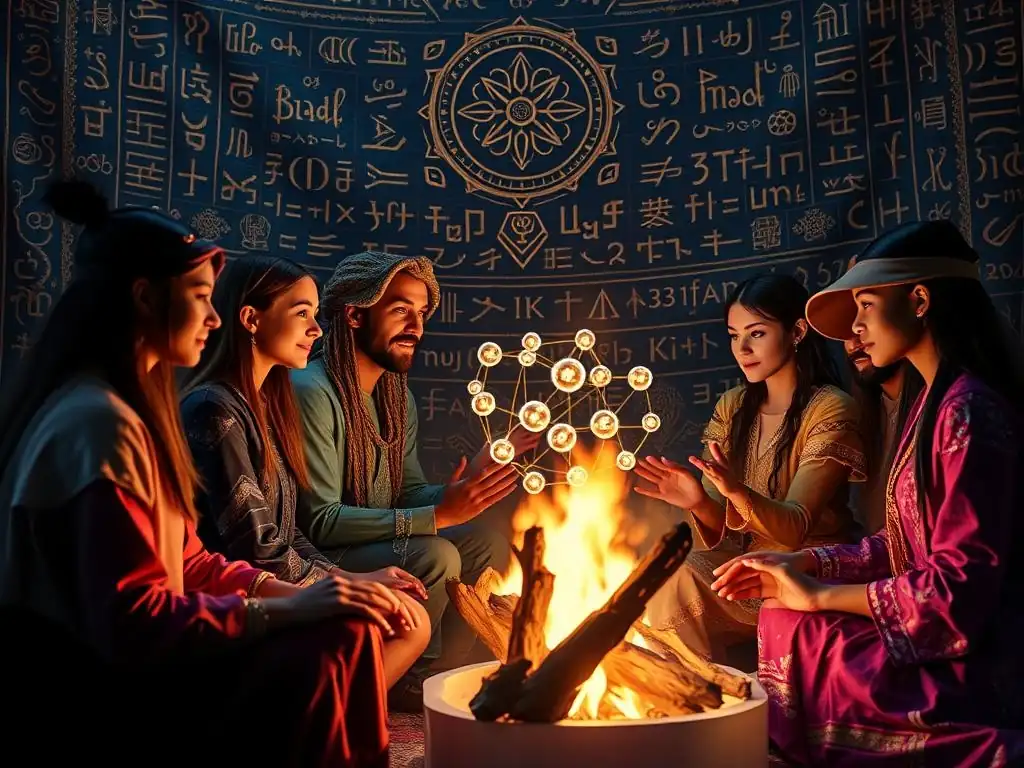
Welcome to Mythology and Legends, where ancient whispers meet modern echoes.
Ever wondered how the stories of old shape the digital age? Dive deep into the captivating world where digital folklore community building thrives, exploring how myths are not just relics of the past, but living, breathing narratives continuously reimagined and shared online. Uncover the surprising ways these timeless tales influence our virtual interactions and discover how you can be part of this exciting, evolving landscape. Ready to explore?
- Urban Legends and Creepypasta: Building Digital Folklore Communities
- The Rise of Online Creepypasta Communities
- Creating and Sharing Creepypasta: A Collaborative Endeavor
- The Impact of Creepypasta Communities
- Challenges and Opportunities in Creepypasta Communities
- Case Studies: Successful Creepypasta Communities
- Building Bridges: Connecting Traditional Urban Legends and Creepypasta
- The Importance of Community in Digital Horror Exploration
- Conclusion: The Enduring Appeal of Fear in the Digital Realm
-
Frequently Asked Questions
- How does digital folklore community building thrive in the context of myth exploration?
- What are the key elements that contribute to a successful digital folklore community centered around myths and legends?
- How can online platforms facilitate the creation and evolution of digital folklore related to myths and legends?
- What is the impact of digital folklore communities on the preservation and understanding of traditional myths and legends?
- What role does contemporary society play in shaping the themes and narratives that emerge within digital folklore communities focusing on myths?
- Final Reflection: Weaving Digital Myths, Forging Digital Communities
- Unlock Your Inner Mythmaker!
Urban Legends and Creepypasta: Building Digital Folklore Communities
Introduction: The Evolution of Urban Legends in the Digital Age
Urban legends have long been a fascinating aspect of folklore, tales passed down through word-of-mouth, evolving with each retelling. From the classic "hook man" story to the vanishing hitchhiker, these narratives reflect societal fears, anxieties, and cultural norms. Historically, their spread was limited by geography and social circles. However, the advent of the internet dramatically accelerated their transmission, transforming them from local or regional curiosities into global phenomena. This digital shift has not only broadened their reach but also fundamentally altered their form and the ways in which communities engage with them.
The internet provided new channels for sharing these stories, initially through email chains and early online forums. This rapid dissemination meant that variations could spread faster and wider than ever before. Furthermore, the anonymity and speed of online communication fostered an environment where new, digitally native forms of urban legends could emerge. This era marked a significant transition, laying the groundwork for the sophisticated online communities that would later coalesce around these evolving narratives, proving that digital folklore community building thrives in the connected world.
Digital Narratives: Redefining Folklore Through Creepypasta and Internet Mysteries
The digital age gave birth to "creepypasta," a portmanteau of "creepy" and "copypasta" (internet jargon for text copied and pasted across websites). These are horror-related legends, images, or animations that are copied and pasted around the internet. Unlike traditional urban legends, creepypasta are often attributed to specific authors or origins, although their viral spread quickly detaches them from their creators. Examples range from short anecdotes to elaborate multi-part sagas, often blurring the lines between fiction and reality, contributing to the rich tapestry where digital folklore community building thrives.
Beyond creepypasta, the internet has spawned complex "internet mysteries" and ARGs (Alternate Reality Games) that function as collaborative narrative experiences. These often involve scattered clues, coded messages, and community-driven investigation across various online platforms. The participatory nature of these mysteries, where the community actively works together to uncover the truth (or the narrative conclusion), exemplifies a new form of collective storytelling and myth-making. This active engagement is a core component of how digital folklore communities are built and sustained, showcasing the dynamic evolution of shared narratives online.
The Rise of Online Creepypasta Communities
What Defines an Online Creepypasta Community?
An online creepypasta community is a gathering of individuals who share a common interest in reading, writing, discussing, and sometimes creating horror narratives that originate or primarily exist on the internet. These communities are typically hosted on specific platforms, ranging from dedicated websites and forums to sections within larger social media sites. Key characteristics include a shared vocabulary, common references to popular or foundational creepypasta, and established norms for content submission and discussion. The sense of belonging often stems from a shared appreciation for the unsettling, the mysterious, and the macabre.
These communities serve as more than just repositories for stories; they are active hubs for critical discussion, creative collaboration, and social interaction centered around the horror genre as expressed through digital narratives. Members provide feedback on stories, engage in debates about lore, participate in role-playing based on creepypasta universes, and form social bonds. This collective engagement is fundamental to how digital folklore community building thrives in this specific niche, fostering an environment where both the narratives and the connections between people deepen over time.
Platforms Fostering Creepypasta Creation and Sharing
The proliferation of online platforms has been instrumental in the growth and organization of creepypasta communities. Different platforms cater to slightly different aspects of the culture, from simple sharing to in-depth discussion and multimedia adaptation. The accessibility of these platforms lowers the barrier to entry for both creators and consumers, allowing for a continuous influx of new stories and perspectives, which is crucial for ensuring digital folklore community building thrives.
The diversity of platforms means that users can engage with creepypasta in various ways, whether through reading, writing, listening, or watching. This multi-modal approach enhances the immersive quality of the narratives and strengthens the community by providing multiple avenues for participation. Each platform contributes uniquely to the ecosystem, creating a decentralized yet interconnected network of digital folklore enthusiasts.
Reddit's r/nosleep: A Hub for Immersive Horror Fiction
Reddit's r/nosleep subreddit stands out as one of the most popular and influential platforms for creepypasta. Its core rule mandates that all stories must be written as if they are true, fostering a unique sense of immersion and verisimilitude among readers. This rule encourages a specific writing style and reader engagement, where comments often treat the narrative as a genuine account, adding to the atmosphere.
With millions of subscribers, r/nosleep sees hundreds of new stories posted daily, ranging from short vignettes to multi-part serials. The voting and comment system allows popular stories to rise quickly, providing visibility for new authors and curating content for readers. The community aspect is strong, with active discussions, constructive criticism for writers, and spin-off communities dedicated to specific story universes or themes. This active participation clearly demonstrates how digital folklore community building thrives on platforms designed for rapid sharing and feedback.
Creepypasta Wiki and Dedicated Horror Story Websites
The Creepypasta Wiki is a central archive and repository for countless creepypasta, serving as a historical record and reference point for the genre. It hosts thousands of stories, organized by categories, characters, and themes. While less focused on real-time discussion than Reddit, the wiki provides a stable home for established narratives and allows for collaborative editing and expansion of lore, particularly for interconnected stories.
Beyond the wiki, numerous dedicated horror story websites and forums exist, some predating the term "creepypasta." Sites like Creepypasta.com host user submissions and curated content, often with comment sections for reader feedback. These platforms, while perhaps smaller than r/nosleep, often cultivate dedicated user bases and can be crucial for the early spread and refinement of new narratives. They contribute to the foundational infrastructure where digital folklore community building thrives by providing dedicated spaces for the genre.
YouTube Channels Narrating and Animating Creepypasta
YouTube has become a major platform for consuming creepypasta in audio and visual formats. Channels dedicated to narrating creepypasta, often with atmospheric music and sound effects, have amassed millions of subscribers. This transforms the reading experience into a passive listening one, reaching audiences who prefer audio content. Popular narrators can significantly boost a story's visibility and contribute to its viral spread.
Furthermore, some channels create animations or short films based on popular creepypasta, offering a new dimension to the narratives. This adaptation into different media forms not only expands the audience but also inspires new interpretations and discussions within the community. The visual and auditory elements add layers of immersion that text alone cannot provide, showcasing innovative ways digital folklore community building thrives through multimedia engagement.
Creating and Sharing Creepypasta: A Collaborative Endeavor
The Collaborative Nature of Creepypasta Development
While a creepypasta might originate with a single author, its evolution and spread are inherently collaborative. Readers provide feedback, suggest edits, and contribute fan theories that can influence subsequent installments or related stories. In many cases, the community actively participates in expanding the lore of a popular creepypasta universe, creating spin-offs, prequels, or alternative endings. This collective authorship, though often informal, is a defining feature.
For example, the Slender Man phenomenon began with a few images and text entries but rapidly expanded through contributions from countless individuals across various forums and websites. Each new story, image, or video added another layer to the mythology, demonstrating a decentralized, community-driven narrative development process. This iterative and participatory approach is a powerful engine driving how digital folklore community building thrives.
The nature of online platforms ensures that creepypasta is overwhelmingly user-generated content. Anyone with an internet connection and a story to tell can potentially become a creepypasta author. This democratizes storytelling, bypassing traditional gatekeepers like publishers. The direct connection between authors and their audience allows for immediate feedback and encourages a rapid iteration cycle.
Platforms like r/nosleep actively empower authors by providing a large, engaged audience and systems for visibility (like upvotes). Successful authors can build a following, receive constructive criticism, and even gain opportunities outside the online sphere, such as publishing deals or requests for adaptation. This direct pipeline from creation to consumption and feedback is crucial for fostering new talent and ensuring a constant stream of content, a vital component of why digital folklore community building thrives.
Remix Culture and the Evolution of Established Creepypasta
Creepypasta culture is deeply rooted in internet "remix culture." Popular stories, characters, and concepts are frequently reinterpreted, parodied, or integrated into new narratives. This isn't seen as plagiarism (unless directly copied without attribution) but rather as building upon existing folklore, much like traditional urban legends evolve. Characters like Jeff the Killer or stories like Candle Cove have spawned countless variations and homages.
This constant remixing ensures that the core ideas remain relevant and continue to spread, while also allowing for creative innovation. It's a dynamic process where the community collectively shapes the direction and themes of the folklore. This iterative adaptation and creative reuse are hallmarks of a vibrant online community and are central to how digital folklore community building thrives through shared cultural production.
The Impact of Creepypasta Communities
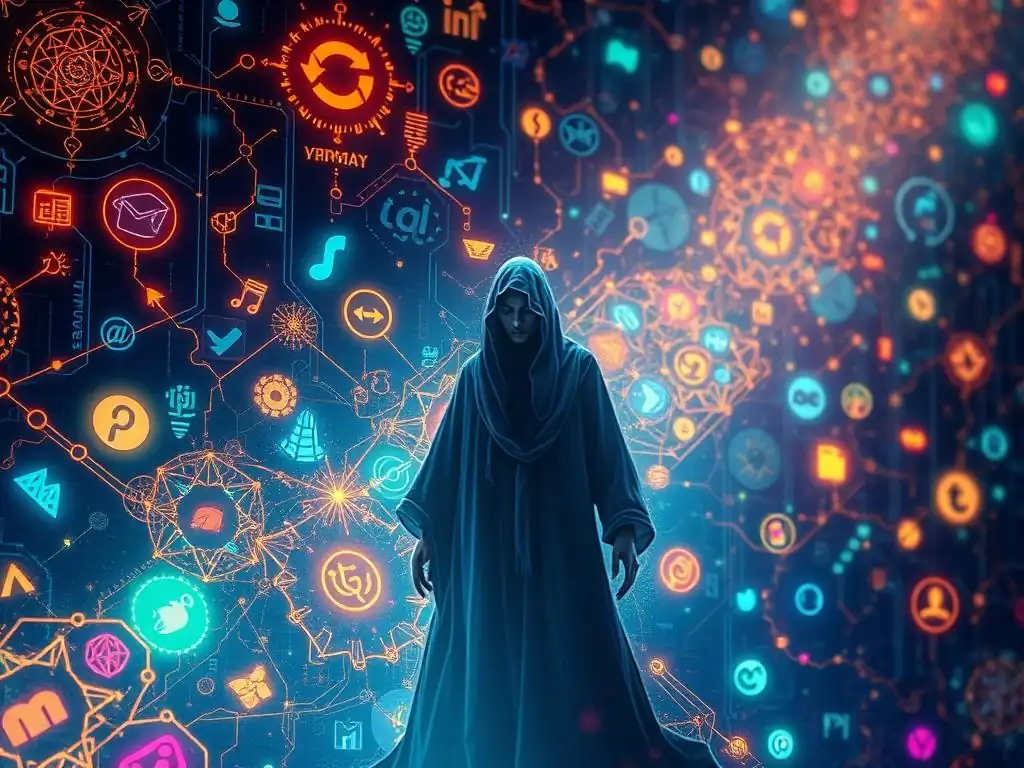
Exploring Contemporary Fears and Anxieties Through Horror
Creepypasta often serves as a mirror for contemporary fears and anxieties. Unlike traditional folklore which might reflect agrarian fears of nature or ancient evils, creepypasta frequently taps into fears related to technology, isolation, surveillance, the unknown aspects of the internet, and the breakdown of social norms. Stories about haunted video games, malicious AI, online stalkers, or unsettling glitches reflect the unique stresses of the modern digital age.
For instance, The Russian Sleep Experiment plays on fears of unethical science and psychological breakdown, while stories involving "haunted" technology like cursed video game cartridges ( BEN Drowned) tap into anxieties about the devices that permeate our lives. By exploring these themes through horror, the community collectively processes and articulates shared modern anxieties, highlighting a significant cultural role where digital folklore community building thrives as a form of collective psychological processing.
Creating New Urban Legends Specific to the Digital Age
Creepypasta are, in essence, the urban legends of the digital age. They spread through digital networks, often feature digitally native themes or settings, and their spread is fueled by the same human fascination with the strange and the terrifying that propelled traditional urban legends. The most successful creepypasta achieve a level of notoriety and belief (or willing suspension of belief) that rivals classic urban myths.
The rapid spread and collaborative nature of creepypasta creation mean that new "legends" can emerge and gain widespread recognition much faster than in the past. The life cycle of a digital urban legend can be incredibly short but intensely impactful. This accelerated myth-making process is a direct consequence of the platforms and communities that facilitate their creation and spread, underscoring how digital folklore community building thrives on speed and connectivity.
At its heart, the appeal of creepypasta communities lies in the power of shared storytelling. Reading or listening to horror stories together, even asynchronously across the internet, creates a sense of shared experience and emotional connection. Discussing fears, dissecting narratives, and contributing to a collective body of lore strengthens the bonds between community members.
This shared engagement provides a sense of belonging and identity for individuals who might feel isolated in their interest in horror or folklore offline. The community provides a space where these interests are not only accepted but celebrated and built upon. This collective immersion in narrative is a powerful driver of community formation, demonstrating definitively how digital folklore community building thrives on shared passion and interaction.
Challenges and Opportunities in Creepypasta Communities
Authenticity and Plagiarism in Creepypasta Creation
A significant challenge within creepypasta communities is the issue of authenticity and plagiarism. While remixing and building upon existing ideas are common, outright copying another author's work and claiming it as original is a persistent problem. The decentralized nature of the internet makes it difficult to track origins and enforce attribution.
Communities often rely on vigilant members to identify instances of plagiarism, and platforms may have reporting mechanisms, but the sheer volume of content makes it an ongoing battle. Ensuring fair attribution and encouraging originality while still allowing for creative inspiration is a delicate balance that communities must navigate to maintain trust and respect among members.
Addressing the Impact of Disturbing Content on Mental Health
Creepypasta by its nature deals with disturbing and often graphic themes, including violence, psychological trauma, and existential dread. While many readers engage with this content safely, there is a potential impact on the mental health of both creators and consumers, particularly younger or more vulnerable individuals.
Communities grapple with how to address this, sometimes implementing content warnings or providing resources for mental health support. Moderators play a crucial role in curating content and fostering a responsible environment, but policing subjective triggers is challenging. Balancing the freedom of expression inherent in digital storytelling with the need to protect community members is a critical ethical consideration for these online spaces.
The Future of Creepypasta: Trends and Predictions
The evolution of technology and online culture suggests several potential future directions for creepypasta and the communities around them.
Increased Use of Audio and Interactive Elements in Creepypasta
Audio narration is already popular, but the future may see more sophisticated audio dramas or podcasts specifically designed as creepypasta. Interactive elements, perhaps allowing readers to make choices that affect the narrative outcome, could also become more common, leveraging the capabilities of digital platforms. This would further blur the lines between reading, gaming, and immersive theatre.
Immersive Horror Experiences through ARGs and Online Games
Alternate Reality Games (ARGs) that involve real-world elements blended with online puzzles and narrative have already successfully adapted creepypasta themes (like the Slender Man-inspired Marble Hornets). The future could see more complex ARGs or dedicated online multiplayer horror games built around creepypasta lore, offering highly immersive community experiences. This trend highlights the potential for digital folklore community building to expand into interactive realms.
Global Expansion of Creepypasta Themes and Settings
While much popular creepypasta originates from English-speaking communities, the genre is increasingly global. Future trends will likely see more creepypasta originating from diverse cultural backgrounds, incorporating local folklore, fears, and urban legends into the digital format. This cross-pollination will enrich the genre and foster international digital folklore community building efforts.
Case Studies: Successful Creepypasta Communities
Slender Man: A Case Study in Collaborative Myth Creation and its Consequences
The Slender Man is perhaps the most famous example of a creepypasta that transcended its online origins to become a modern urban legend. Created by Eric Knudsen on the Something Awful forums in 2009, the character quickly captured the internet's imagination. Countless individuals contributed stories, images, videos ( Marble Hornets being a notable example), and fan art, rapidly building a complex, decentralized mythology.
This case study perfectly illustrates how digital folklore community building thrives through rapid, distributed collaboration. However, it also highlights the potential negative consequences when fictional narratives bleed into reality, as tragically demonstrated by the 2014 stabbing incident where perpetrators cited Slender Man as inspiration. This event prompted significant discussion within communities about the responsibility of creators and platforms.
The Backrooms: Analyzing a Collaborative Horror Universe
"The Backrooms" began with a single image posted on 4chan in 2019, depicting a liminal space of unsettlingly familiar yet wrong yellow rooms. The concept quickly evolved into a creepypasta based on "nocliping" out of reality into various non-Euclidean levels of these endless, empty spaces. A dedicated community rapidly formed, expanding the lore, cataloging "levels," and creating rules and entities within this universe.
The Backrooms exemplifies a recent, highly successful instance of digital folklore community building centered around a simple, evocative concept. The collaborative world-building, spanning wikis, YouTube videos (like Kane Pixels' popular series), and discussion forums, showcases how a shared idea can blossom into a vast, community-owned narrative universe through collective effort.
While not strictly a creepypasta, the "Mandela Effect" is a digital phenomenon that functions similarly to a collaborative urban legend or internet mystery. It refers to instances where large groups of people share a false memory (e.g., believing Nelson Mandela died in prison in the 1980s). Online communities formed around discussing these shared false memories, proposing theories ranging from alternate realities to glitches in the matrix.
These communities, found on Reddit and dedicated forums, analyze specific examples and debate potential explanations. Like creepypasta communities, they are built on shared interest in the strange and unexplained, demonstrating how digital folklore community building thrives even around phenomena that are debated as psychological or potentially paranormal. It highlights the human tendency to seek patterns and explanations collectively online.
Building Bridges: Connecting Traditional Urban Legends and Creepypasta
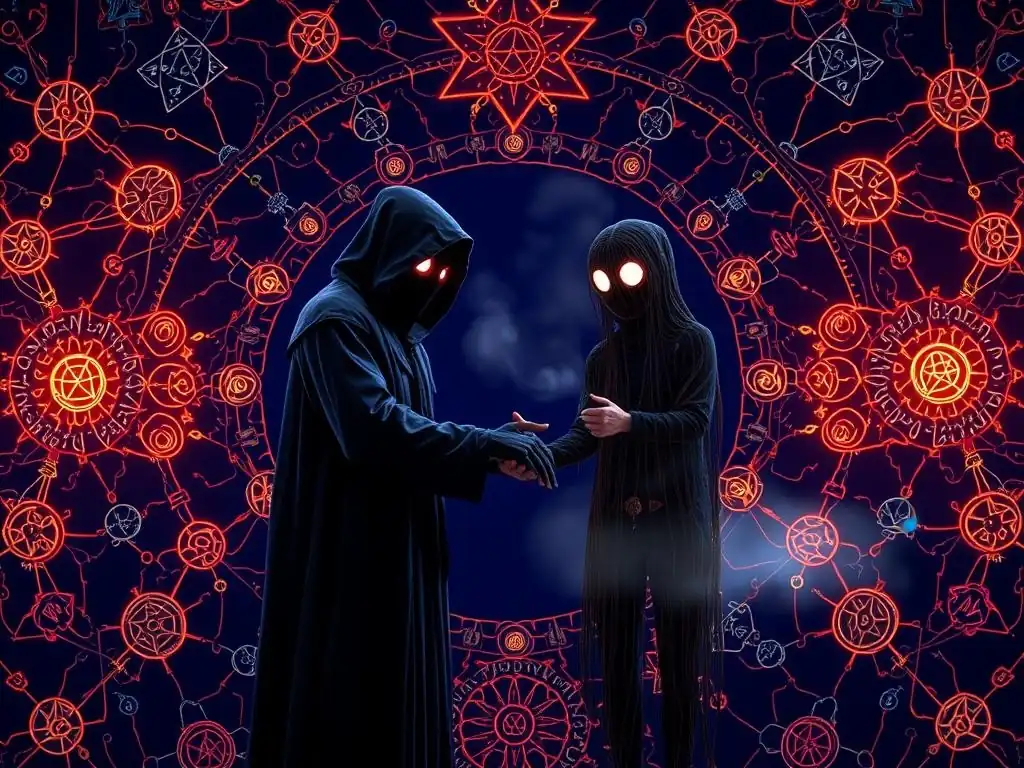
How Digital Platforms Can Revitalize Traditional Urban Legends
Digital platforms don't just host new digital folklore; they can also provide new life for traditional urban legends. Online forums, blogs, and social media allow classic tales to be shared with new audiences. Furthermore, digital artists and writers can create modern retellings or visual interpretations of old legends, making them relevant to contemporary tastes.
For example, a classic tale like La Llorona can be retold in a creepypasta format, adapting the vengeful spirit to a modern setting or incorporating internet elements. Online discussions comparing versions of a legend across cultures can also foster a deeper appreciation for traditional folklore. This revitalization through digital means shows how the infrastructure where digital folklore community building thrives can serve both old and new narratives.
The Role of Researchers in Understanding the Cultural Significance of Creepypasta
Creepypasta and related digital narratives are rich material for folklorists, sociologists, and cultural researchers. Studying these phenomena can provide insights into contemporary anxieties, narrative transmission in the digital age, the nature of online communities, and the evolution of folklore itself. Academic work helps validate the cultural significance of these seemingly ephemeral online stories.
Researchers analyze trends in themes, narrative structures, community dynamics, and the spread of specific stories. Their work can illuminate why certain narratives resonate and how online spaces facilitate collective belief or engagement with fictional horror. This academic interest underscores the growing recognition that digital folklore, and the communities built around it, are legitimate and important cultural phenomena.
Encouraging Critical Thinking About Online Narratives
The prevalence of creepypasta and internet mysteries highlights the ease with which fictional narratives can spread and sometimes be mistaken for truth online. This makes digital folklore communities an important space for encouraging critical thinking skills, particularly among younger participants. Discussing the nature of fiction vs. reality, source verification (even within a fictional context), and the potential impact of stories are valuable lessons.
Community moderators and experienced members often play a role in guiding discussions, distinguishing between engaging with the narrative as if true and genuinely believing fictional accounts. Promoting media literacy within these spaces is crucial for fostering a healthy online environment and helps users navigate the broader digital landscape with a more critical eye.
The Importance of Community in Digital Horror Exploration
Exploring horror, whether traditional or digital, is often a communal experience. Sharing fears creates bonds. In online creepypasta communities, this shared exploration of the macabre fosters a collective identity among members. They are united by their interest in being scared, their appreciation for effective horror writing, and their engagement with specific narratives and characters.
This shared experience goes beyond just consuming content; it involves discussing reactions, analyzing plot points, and debating interpretations. This collective sense-making and emotional processing around unsettling material significantly strengthens the ties within the community, illustrating how digital folklore community building thrives specifically on shared emotional and intellectual engagement with dark themes.
Emotional Connection to Creepypasta Characters and Stories
Despite their often brief or fragmented nature, successful creepypasta can evoke strong emotional responses and create genuine connections between readers and the characters or situations depicted. The immersive writing style often employed aims to make the reader feel present in the horror. Discussing these emotional reactions with others in the community validates the experience and deepens the engagement with the story.
Readers might empathize with a protagonist's terror, feel unsettled by a description, or become fascinated by a mysterious entity. Sharing these feelings and interpretations within the community enhances the overall impact of the story and reinforces the collective experience of horror consumption. This shared emotional landscape is a powerful force in solidifying online communities.
The Cathartic Potential of Exploring Horror in Online Communities
Engaging with horror can be a cathartic experience, providing a safe space to confront fears and anxieties. Online creepypasta communities offer a platform for this catharsis, allowing individuals to explore dark themes and emotions in a controlled environment alongside others who share this interest. Discussing frightening stories can help normalize feelings of fear and provide a sense of relief through shared vulnerability.
The community provides a space to process the unsettling content, dissecting what makes it scary and sharing coping mechanisms (like humor or analysis) that diffuse the tension. This collective processing contributes to the overall well-being of the community members and highlights the therapeutic potential inherent in shared engagement with challenging narratives.
Conclusion: The Enduring Appeal of Fear in the Digital Realm
The Future of Creepypasta Community Building
The landscape of digital folklore and its communities is constantly evolving. As technology advances, we can anticipate new platforms and formats for sharing horror narratives, from more sophisticated interactive experiences to integration with emerging technologies like virtual reality. The core human desire to tell and hear scary stories will continue to drive innovation in this space.
Future creepypasta communities may become even more globalized, incorporate more diverse voices and cultural perspectives, and find new ways to blend digital and physical experiences through ARGs and location-based narratives. The fundamental principles of shared creation, discussion, and emotional engagement will likely remain key to how digital folklore community building thrives, regardless of the specific technological medium.
Beyond mere entertainment, creepypasta and digital horror offer a unique lens through which to view contemporary culture. They reflect our current fears, anxieties about technology and society, and the ways we process the unknown. Communities built around these narratives are not just sharing ghost stories; they are collectively engaging in a form of cultural commentary.
Recognizing and embracing this potential allows for a deeper appreciation of digital folklore. It highlights how online communities, through the simple act of sharing scary stories, can inadvertently create a powerful reflection of the times. The continued growth and evolution of these communities demonstrate the enduring power of shared storytelling, particularly in exploring the darker corners of the human experience, and confirm that digital folklore community building thrives as a vital cultural activity.
Frequently Asked Questions
How does digital folklore community building thrive in the context of myth exploration?
Digital folklore community building thrives by fostering shared experiences and collaborative storytelling. Online platforms enable individuals to connect, discuss, and reimagine myths, leading to the creation of new digital folklore.
What are the key elements that contribute to a successful digital folklore community centered around myths and legends?
Key elements include shared interests in mythology, accessible online platforms, and opportunities for active participation. A sense of belonging and community moderation are also crucial.
Online platforms provide tools for sharing, remixing, and reinterpreting traditional narratives. This allows for the creation of new memes, stories, and artwork, contributing to the evolution of digital folklore.
What is the impact of digital folklore communities on the preservation and understanding of traditional myths and legends?
Digital folklore communities can revitalize interest in traditional myths and legends by making them more accessible and engaging. They also offer new perspectives and interpretations, potentially leading to a deeper understanding of these narratives.
What role does contemporary society play in shaping the themes and narratives that emerge within digital folklore communities focusing on myths?
Contemporary societal concerns and values often influence the reinterpretation and adaptation of myths within digital folklore communities. This results in narratives that reflect modern anxieties, aspirations, and cultural shifts.
Final Reflection: Weaving Digital Myths, Forging Digital Communities
The exploration and creation of digital myths are not mere online pastimes; they are powerful forces shaping our collective narratives and fostering vibrant online communities. The rise of shared digital spaces has provided fertile ground for the cultivation of new mythologies, impacting how we understand storytelling, identity, and even our relationship with technology itself. This interconnectedness, facilitated by readily available tools and platforms, is reshaping the very fabric of folklore.
The impact of digital folklore communities is profound and far-reaching. These spaces offer a sense of belonging and shared identity, particularly for those who may feel marginalized or disconnected in the offline world. They provide a platform for creative expression, collaborative storytelling, and the preservation of cultural heritage in innovative ways. Myth is a powerful tool for creating meaning and understanding in a complex world,
as Joseph Campbell famously stated, and this rings truer than ever in our digitally-mediated reality. The shared creation and interpretation of digital myths strengthens the bonds within these communities, creating a unique form of social cohesion.
Consider the power you hold to contribute to this evolving landscape. You can actively participate in building these digital folklore communities, sharing your stories, engaging in collaborative projects, and helping to shape the myths that will define our digital age. Embrace the opportunity to connect with others, to learn from diverse perspectives, and to contribute to a rich tapestry of shared narratives. Let us collectively weave the threads of digital myth, creating a vibrant and meaningful future for online storytelling and community building.
Unlock Your Inner Mythmaker!
Thanks for exploring the fascinating world of digital myth creation and community! We hope you've gained a new appreciation for the collaborative power of storytelling. Now it's time to put your newfound knowledge into action.
- Craft your own digital myth: Let your imagination run wild and build a unique story, character, or world inspired by what you've learned. Think outside the box – what unexpected twists can you add?
- Share your creation with the community: Join the discussion in the comments below and let others be inspired by your vision. Don't be shy!
- Explore the resources mentioned in the article to deepen your understanding and find collaborators.
What unique element will you bring to the ever-evolving landscape of digital mythology?