Horror, Fantasy, and Myth: Blending Genres in Graphic Form
🌌 Dive into the captivating world of graphic horror fantasy mythology stories, where genre-blending brings ancient myths and modern nightmares to life,…
Read article
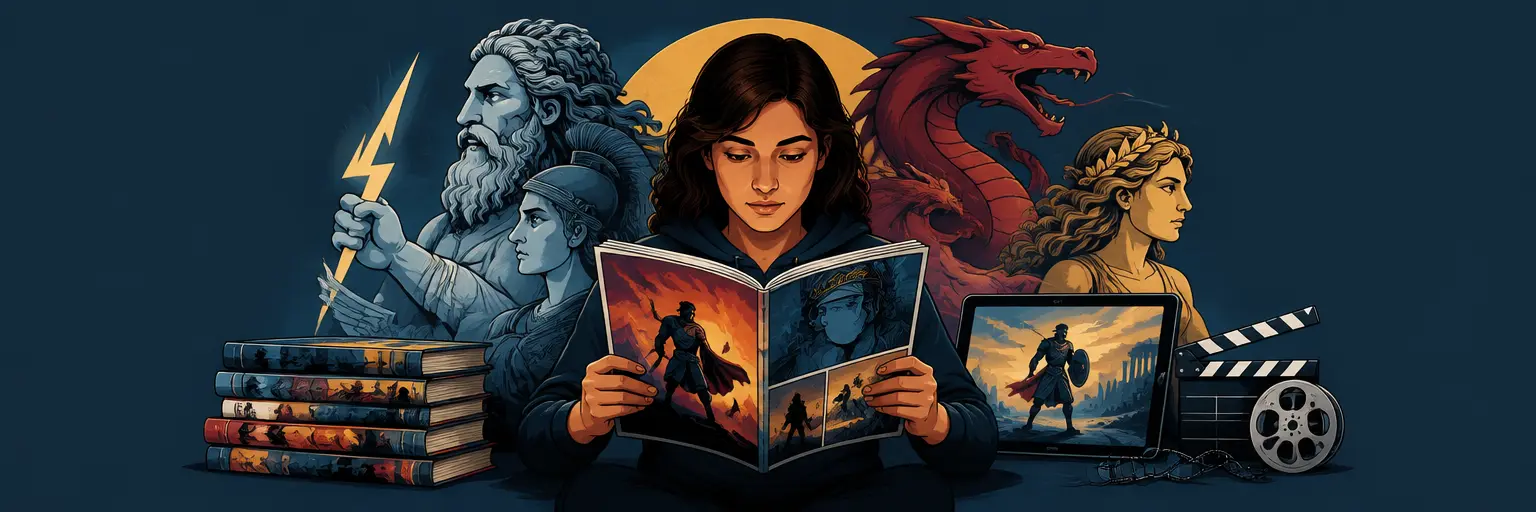
Dive into the vibrant world where ancient myths leap off the page and into stunning visuals! Our exploration of Comics, Graphic Novels & Adaptations uncovers how timeless legends from Greek, Norse, Egyptian, and Eastern traditions are reimagined through dynamic artwork and modern storytelling. From the thunderous exploits of Thor in Marvel’s panels to the introspective journeys of indie graphic novels like *The Sandman*, these adaptations transform familiar deities and heroes into complex characters for today’s audience. Whether you’re a seasoned comic collector or a mythology enthusiast, you’ll discover how sequential art breathes new life into age-old sagas, blending epic battles, moral dilemmas, and cultural symbolism in ways that resonate across generations. Join us as we analyze the creative choices, artistic styles, and narrative shifts that make these retellings both a homage and a bold reinvention of the myths we thought we knew. Perfect for fans of visual storytelling and ancient lore alike, this corner of our site celebrates the fusion of pencil, ink, and legend—proving that the gods and monsters of old are far from forgotten. 🌟📖✨
🌌 Dive into the captivating world of graphic horror fantasy mythology stories, where genre-blending brings ancient myths and modern nightmares to life,…
Read article
🌟 Discover how graphic novels obscure myths reveal forgotten legends, blending vibrant artwork with ancient stories. This captivating exploration uncovers the cultural…
Read article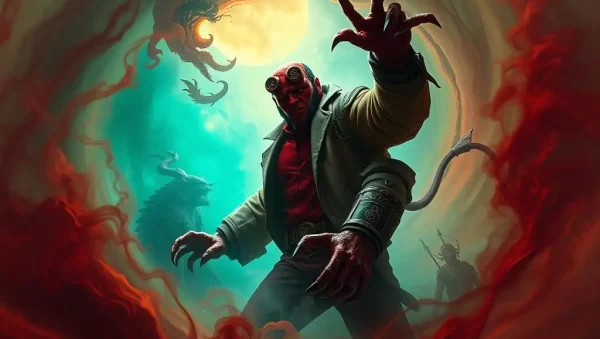
🌍 Dive into Hellboy's adventures as he confronts legendary creatures from diverse cultures, showcasing the rich tapestry of Hellboy global folklore myths.…
Read articleStep beyond prose and into the vivid panels where ancient gods, heroes, and monsters are reborn through modern illustration. This subcategory delves into how mythology thrives in visual storytelling—from serialized comic arcs to standalone graphic masterpieces and their cinematic or animated adaptations. Whether you are a dedicated collector, a curious newcomer, or a mythology enthusiast seeking fresh angles, you will discover how timeless tales like the Trojan War, Norse Ragnarök, or Hindu epics gain new emotional depth through sequential art and multi-platform retellings. Expect both critical analysis and passionate celebration of these dynamic reinterpretations.
Here we examine the foundational works that brought myth into the four-color world—think Jack Kirby’s *The Eternals* blending Greek cosmology with cosmic futurism, or Neil Gaiman’s *The Sandman* weaving dreamlike folklore into a modern horror-fantasy epic. You will also explore lesser-known gems from European and Japanese traditions, such as *Asterix* satirizing Roman myth or *Record of Ragnarok* turning gods into battle-focused characters. These series demonstrate how mythology’s archetypes—the trickster, the underworld journey, the hero’s sacrifice—translate into compelling serialized narratives that reward long-term reading.
What makes a run iconic is not just the artwork but how the writer and artist collaborate to expand the original myth’s emotional stakes. By comparing these works to their mythological sources, we highlight creative liberties, thematic shifts, and surprising cultural commentaries. Whether it’s Marvel’s Thor reimagined as a sci-fi alien or DC’s Wonder Woman rooted in Amazonian lore, each page offers a dialogue between ancient symbolism and contemporary concerns like identity, power, and morality.
Unlike ongoing series, graphic novels provide a contained, often more literary space for mythic adaptation. Works such as *The Rabbi’s Cat* (Jewish folklore), *Aya of Yop City* (African legends), or *The God of High School* (Korean myth) are dissected here. We also spotlight stunning versions of *The Illiad* by Gareth Hinds and *Gilgamesh* by Jim Starlin, where watercolor and ink recreate the grandeur of epic poetry. These volumes often prioritize atmosphere, character introspection, and artistic expression over fast-paced action, making them perfect for readers who appreciate myth as reflection rather than spectacle.
Expect detailed breakdowns of paneling, use of color, and visual metaphors—how a artist symbolically draws the underworld’s shadow or the divine glow of a sun god. We also discuss how these adaptations handle difficult themes, such as violence, prophecies, or cultural dissonance, offering annotated comparisons between the original texts and the visual narrative. For teachers or book club leaders, you will find suggestions for pairing these works with classical translations to spark discussion.
This section bridges the page to the screen, analyzing how mythology-infused comics have spawned blockbuster films, animated series, and streaming shows. From Marvel’s *Thor* trilogy and *Moon Knight* (with its Egyptian pantheon) to DC’s *Justice League Dark* and the anime *Saint Seiya*, we consider how directors and showrunners translate comic panels into cinematic language. Key focus includes the visual effects of godlike powers, casting choices, and how the source material is simplified or expanded for mass audiences. We also critique failed attempts—where mythological depth was lost in translation—offering constructive lessons for storytellers.
Beyond Hollywood, we explore international productions like Indian web series *Loki: The Trickster* or Japanese live-action *Kamisama Kiss* to see how different cultures adapt their own myths through comic-influenced media. Each analysis examines pacing, world-building, and fidelity to both the comic and the original myth. You will also find spotlights on voice acting, soundtracks, and costume design, showing how every element reinforces the mythological ambiance. This is your go-to resource for deciding which adaptation truly honors its source versus which is merely aesthetic spectacle.
Creativity flourishes when myths collide with modern genres—cyberpunk, feminist retellings, or urban fantasy. Here, we spotlight comics that remix Greek, Norse, Egyptian, and Asian mythology, such as *The Wicked + The Divine* (gods as pop stars), *Die* (dungeon-crawling into mythic realms), or *Monstress* (Eastern and European folklore fused). These titles challenge static portrayals, giving voice to marginalized perspectives—goddesses as anti-heroes, monsters as symbols of oppression, or villains as misunderstood folk figures. We also examine how creators blend pantheons, inventing new gods for contemporary issues like climate change or digital immortality.
Understanding these reinterpretations is crucial for grasping how mythology remains a living language. Through interviews, creator commentary, and thematic essays, we unpack the creative process behind these mashups—what gets preserved, what gets subverted, and why. For writers and artists, this section offers inspiration and practical advice on world-building, character arcs, and visual design. For readers, it broadens the definition of “adaptation” beyond simple retelling, encouraging you to view each new comic as a conversation between eras and cultures.
For the passionate enthusiast, we provide curation guides on rare issues, variant covers, deluxe editions, and signed prints featuring mythological themes. Learn to spot investment-worthy keys—like the first appearance of Hercules in Marvel or the original *Saga of the Swamp Thing* with its Arthurian undertones. We also review art books, concept art collections, and box sets that showcase behind-the-scenes sketches and character studies, perfect for both reading pleasure and display. Pricing trends, condition grading, and auction insights are regularly updated to help you navigate the secondary market with confidence.
Beyond collecting, we cover official merchandise such as action figures, statues, apparel, and board games inspired by mythological comics. From highly detailed McFarlane toys to limited-edition vinyl records of haunting soundtracks, we evaluate quality and authenticity. This section also connects to the wider mythology fan community—conventions, fan art contests, and online swap meets—So you can celebrate your passion with like-minded devotees. Whether you are seeking a birthday gift or a centerpiece for your shelf, our curated recommendations ensure you invest wisely and joyfully.
Start with *The Iliad* adapted by Gareth Hinds, as it stays faithful to Homer’s epic while using clear, expressive watercolors. Alternatively, *Norse Mythology* by Neil Gaiman (graphic version) simplifies the prose but keeps the wonder. Both offer glossary notes and art that aids emotional connection without prior knowledge.
Comics add visual pacing, body language, and symbolic color, making abstract concepts like chaos or destiny tangible. They also often modernize language or statuses—feminisizing gods or adding antihero traits. However, they may omit subplots or simplify morality, so they serve as creative companions, not replacements.
Yes, some adaptations risk stereotyping or commercializing deities still worshipped today, like Hindu or Aboriginal figures. Responsible creators collaborate with culture bearers, include explanatory notes, or blur identities. As a reader, check the creator’s sources and whether they offer respectful representation versus exploitative shock value.
Absolutely—they boost engagement for visual learners and ESL students. Pair them with primary texts to develop comparative analysis skills. Many publishers offer teaching guides, and titles like *Asterix* or *The Sandman* open discussions on satire, history, and archetypes. Just ensure age-appropriateness for mature themes.
Try *Age of Bronze* by Eric Shanower (Trojan War, meticulously researched), *Demons* by Jason Shiga (dark humor with Tibetan folklore), and *Sita’s Ramayana* by Samhita Arni (Indian epic from a female perspective). Also, *Blacksad* blends noir with animal gods—stunning art and clever social commentary.