The Mythic Warrior: Examining Iconic Fighters from Legend in Cinema
🔥 Dive into the fascinating world of epic cinematic warrior legends, exploring how mythic fighters from diverse cultures inspire modern storytelling and…
Read article
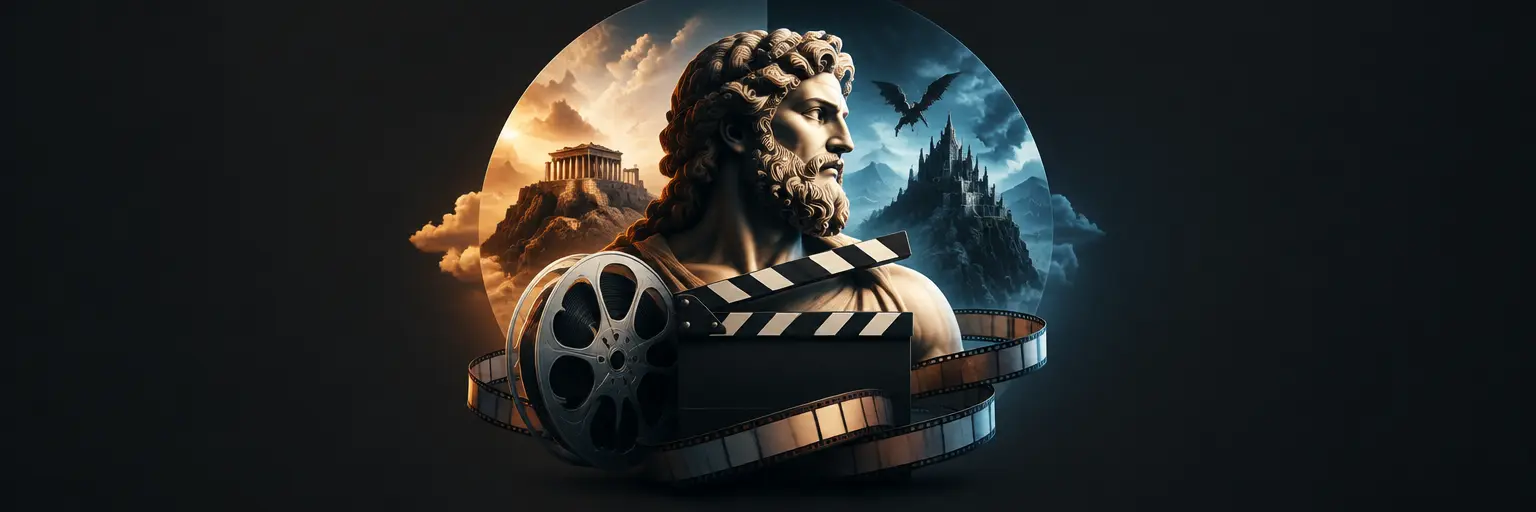
Cinematic adaptations breathe new life into timeless myths, transforming ancient legends into visual spectacles that captivate modern audiences. From the epic battles of Greek heroes to the haunting tales of Norse gods, these films and series blend mythological storytelling with cutting-edge technology, reimagining age-old narratives for the silver screen. Whether you’re drawn to the gritty realism of historical epics or the fantastical realms of fantasy cinema, discover how directors and screenwriters reinterpret sacred lore, preserving cultural heritage while adding thrilling twists. Ideal for mythology enthusiasts, film buffs, and anyone seeking a deeper connection to the stories that shaped humanity, this exploration highlights the enduring power of legendary tales in today’s visual culture.
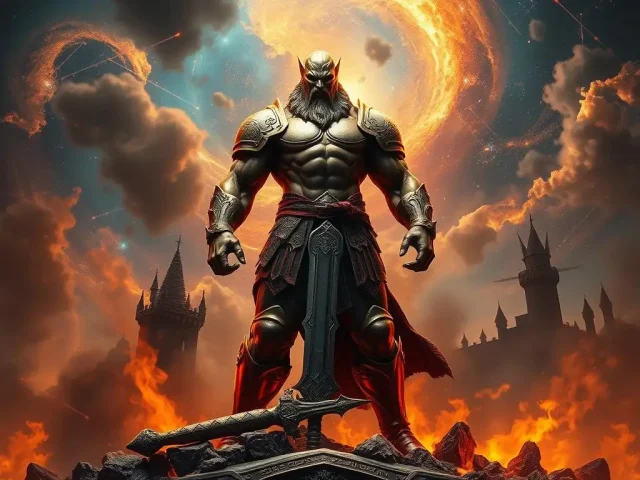
🔥 Dive into the fascinating world of epic cinematic warrior legends, exploring how mythic fighters from diverse cultures inspire modern storytelling and…
Read article
🌍 Explore how films' underworld depiction symbolism shapes our understanding of death and the afterlife, revealing cultural myths and legends that influence…
Read article
🌍 Explore how African, Oceanic, and American mythologies are creatively adapted, revealing their enduring influence on modern storytelling and cultural identity through…
Read article
🔍 Dive into the intriguing world of mythological film symbolism analysis, revealing how filmmakers weave ancient myths and legends into modern stories,…
Read articleCinematic adaptations of mythology have transformed ancient tales into visual spectacles, bridging millennia-old narratives with modern audiences. From Greek epics like Clash of the Titans to Norse sagas in the Marvel Cinematic Universe, these films reinterpret gods, heroes, and monsters through cutting-edge technology, cultural lenses, and artistic vision. On this page, we explore how directors, screenwriters, and studios breathe new life into myths, balancing fidelity to source material with creative liberty. Whether you’re a mythology enthusiast, a film buff, or a content creator seeking inspiration, here you’ll uncover the artistry, controversies, and cultural impact of turning sacred stories into blockbuster entertainment.
Cinematic adaptations rarely translate myths verbatim; instead, they distill core themes—heroism, fate, hubris, and divine intervention—into streamlined narratives suited for two-hour runtimes. Directors like Ridley Scott (Gladiator) and Zack Snyder (300) amplify visual grandeur, while screenwriters inject contemporary moral dilemmas to resonate with modern viewers. For instance, Clash of the Titans (2010) reworked Perseus’s quest into a rebellion against gods, reflecting skepticism toward authority. Expect to learn how filmmakers prioritize emotional arcs over mythological fidelity, and why some adaptations succeed critically while others alienate purists.
This subcategory offers analytical breakdowns of adaptation techniques, from character condensation (combining multiple deities into one) to anachronistic dialogue that makes ancient beings relatable. We examine how special effects shape the perception of mythical creatures—such as the Kraken’s CGI evolution—and how soundtracks underscore divine power. By studying these choices, you’ll gain tools to critique any mythological film, understanding that adaptations are translations, not photocopies, of sacred stories.
Greek and Roman myths dominate cinematic adaptations due to their rich pantheons, dramatic conflicts, and universal archetypes. Films like Troy (2004) humanize Achilles and Hector, stripping divine interference to emphasize mortal tragedy, while Percy Jackson franchise modernizes demigods for younger audiences. These works often trigger debates: does Immortals (2011) betray Theseus’s myth by adding a Minotaur not originally in his story? Here, we dissect how studios balance audience familiarity with innovation, using recognizable names (Zeus, Hercules) as marketing hooks while altering plots to fit genre conventions—action, romance, or political drama.
Expect deep dives into iconic films like Hercules (1997 Disney) and Clash of the Titans (1981 original), comparing their tonal shifts—from campy to gritty reboots. We explore how Roman adaptations, such as Ben-Hur (though not strictly mythological), influence epic storytelling standards. By examining casting choices (e.g., Liam Neeson as Zeus), costume designs, and set pieces, you’ll see how Greek myth adaptations serve as cultural mirrors, reflecting contemporary anxieties about war, leadership, and family loyalty.
Norse mythology has surged in popularity through the Marvel Cinematic Universe, where Thor transforms from a thunder god into a flawed, relatable hero. Yet beyond superhero franchises, adaptations like The 13th Warrior (1999) and Valhalla Rising (2009) offer grim, atmospheric takes on Viking sagas. Celtic myths, too, inspire films like The Secret of Kells (2009) and Song of the Sea, blending folklore with animation. This subcategory analyzes how Norse and Celtic adaptations prioritize atmosphere—bleak landscapes, icy palettes—over linear plots, often focusing on fate (the Norns) and the inevitability of Ragnarök.
We examine the challenges of adapting texts with multiple versions (e.g., the Poetic Edda vs. Prose Edda) and how filmmakers choose which variants to follow. The character of Loki, for instance, shifts from trickster god to antihero, influenced by comic book lore rather than original myth. Here, you’ll find case studies on how historical accuracy (costumes, weaponry) competes with fantastical elements, plus discussions on cultural appropriation—when non-Nordic creators profit from Old Norse stories. Prepare to see how these adaptations shape modern perceptions of Vikings and Celtic druids.
Cinematic adaptations of Eastern mythologies—Hindu, Buddhist, Shinto—and Indigenous traditions offer rich narratives often overlooked by Hollywood. Films like Baahubali (2015) draw from Indian epics while crafting original plots, whereas Japanese anime (e.g., Princess Mononoke) reinterprets Shinto nature spirits. Indigenous adaptations, such as Moana (2016), reimagine Polynesian demigod Maui with collaboration from cultural advisors. This subcategory explores how non-Western adaptations navigate authenticity, censorship, and representation, often serving as tools for cultural preservation or resistance against colonial narratives.
Expect analyses of how The Monkey King (2023) visualizes Chinese mythology through martial arts, and how Filipino folklore (Maria Makiling) gets modern horror twists. We discuss licensing and ownership—who has the right to tell these stories?—and the role of local film industries in countering Hollywood hegemony. By examining box office successes like Raya and the Last Dragon (2021), you’ll see how Eastern adaptations blend universal themes (honor, family) with region-specific practices, offering audiences a gateway into unfamiliar cosmologies while sparking debates on respectful representation.
Not all cinematic adaptations directly retell myths; some deconstruct or parody them. Films like O Brother, Where Art Thou? (2000) transpose Homer’s Odyssey to the Depression-era South, while Zack Snyder’s Justice League infuses comic-book narratives with mythic structures. Meta-adaptations, such as Wonder Woman (2017), place mythological figures (Ares, Zeus) in contemporary settings, blurring lines between legend and reality. This subcategory investigates why modern retellings succeed: they allow creators to critique original myths—e.g., challenging Zeus’s toxic masculinity—while offering fresh perspectives for new generations.
We also cover anthologies like American Gods (TV series) and Percy Jackson reboots, which use myths as scaffolding for speculative fiction. Here, you’ll discover how directors employ metatextual clues (voiceovers, anachronistic music) to signal reinterpretation, and how fan reactions drive future adaptations. By understanding these layered approaches, you’ll appreciate that cinematic myths are living entities—evolving with each retelling, never static monuments to the past.
Filmmakers adapt myths to fit modern storytelling techniques, runtime constraints, and audience expectations. Literal translations often fail cinematically—myths lack character arcs or logical pacing. Changes make ancient conflicts relatable, highlight contemporary issues, and create commercial appeal. For example, alterations to Zeus’s character reflect modern views on authority. Fidelity is secondary to engagement; directors prioritize emotional truth over textual accuracy.
No adaptation is fully accurate, but Clash of the Titans (1981) and Jason and the Argonauts (1963) are praised for sticking closely to Greek sources. However, even these add original elements for drama. For Norse myths, The 13th Warrior loosely follows Beowulf, while Valhalla Rising diverges deeply. Accuracy often conflicts with entertainment; faithful adaptations tend to be low-budget or experimental, not blockbusters.
Cultural advisors, like those on Moana or Mulan, ensure respectful portrayal, correct historical details (weapons, chants), and avoid stereotypes. They provide nuanced understanding of rituals, cosmology, and oral traditions. However, studios sometimes ignore their advice under commercial pressures. Effective collaboration leads to richer, authentic narratives, while tokenism can backfire—like the 2016 Ghost in the Shell casting controversy, which showed how outsiders mishandle indigenous myths without guidance.
Yes. Films like Troy boosted tourism to Greek archaeological sites, while The Lord of the Rings (though not strictly myth) fueled New Zealand tourism. Cinematic depictions shape public perception—for instance, viewers may imagine Thor as Chris Hemsworth, not as a red-haired god. This reinforce certain interpretations and can lead to “mythwashing,” where local traditions are simplified for global audiences.
Most ancient myths are public domain, so no copyright restrictions apply. However, modern adaptations—like Marvel’s Thor—are copyrighted, preventing others from using those specific interpretations. Cultural property debates arise when Indigenous communities seek control over their stories, as with Māori legends. Ethical practices involve obtaining permission from living communities, even if legally unnecessary, to avoid exploitation.