The Power of the Name: True Names in Myth and Magic Systems
✨ Discover the profound significance of revealing hidden mystical names, as they unlock ancient secrets and empower characters in myths and magic…
Read article

Dive into the art of decoding timeless tales with our exploration of how ancient myths shape modern storytelling. From Homer’s epics to contemporary films, we unpack the symbolism, archetypes, and cultural contexts that make mythological narratives endlessly relevant. Discover how heroes, gods, and monsters mirror human psychology and societal values, and learn to trace their echoes in novels, comics, and screenplays. Whether you’re a student, writer, or enthusiast, this space offers keen insights into narrative structure and allegory, bridging antiquity with today’s media landscape. Uncover the hidden meanings behind classic quests and transformations—and see why these ancient frameworks still ignite our imagination. Perfect for those seeking deeper literary understanding or fresh perspective on beloved stories.
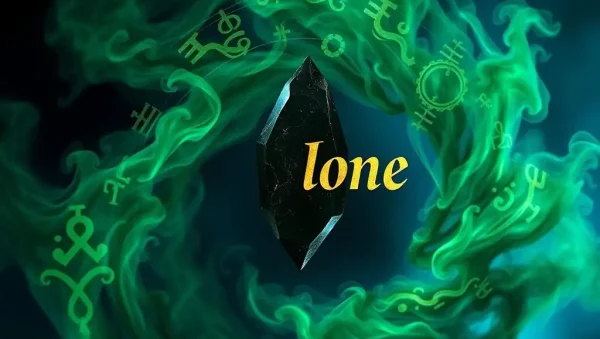
✨ Discover the profound significance of revealing hidden mystical names, as they unlock ancient secrets and empower characters in myths and magic…
Read article
🌍 Explore how ancient myths dystopian fiction reimagines timeless fears, blending legendary echoes with futuristic worlds. This article reveals the profound influence…
Read article
🌐 Discover the profound world serpent symbolism meaning, revealing its role as a cosmic boundary and chaos guardian across cultures. This mythical…
Read articleWelcome to our Literary Analysis subcategory, a dedicated space where we dissect the timeless narratives of mythology as they appear in literature and media. Here, we go beyond simple retellings to explore the symbolism, structure, and cultural significance behind your favorite myths, from ancient epics to modern fantasy sagas. Whether you are a student, a writer, or a curious enthusiast, this section offers rich, SEO-optimized insights into how mythological themes are woven into storytelling, helping you understand the layers that make these tales enduring masterpieces. Dive in to discover critical interpretations, comparative studies, and the enduring power of archetypes.
In this section, we examine the recurring archetypes—the Hero, the Trickster, the Mentor, and the Shadow—that populate mythological literature. You’ll learn how these universal character roles shape plot dynamics and reader expectations across cultures, from Greek tragedies to Norse sagas and contemporary novels. Our analyses highlight how authors subvert or reinforce these archetypes to create fresh, compelling narratives. Expect detailed breakdowns of character journeys, including the Monomyth or Hero’s Journey, and how these patterns influence everything from The Odyssey to Harry Potter.
By exploring archetypes, you’ll gain a practical toolkit for interpreting any mythic story. We provide side-by-side comparisons of characters like Odysseus and Katniss Everdeen, showing how ancient roles adapt to modern contexts. This focus helps you recognize the psychological and social functions these characters serve, making your reading experience more profound. Whether you’re analyzing a screenplay or a poem, this section equips you with critical vocabulary and frameworks to articulate why certain characters resonate so deeply with audiences worldwide.
Here, we delve into the symbolic language of mythology—objects, colors, numbers, and natural elements—that carry hidden meanings. From the serpent’s duality to the significance of water as rebirth, this section unpacks how symbols operate within literary works to convey complex ideas. You’ll discover how authors layer motifs like labyrinths, apples, or the underworld to build thematic depth, and how these symbols evolve across different cultural retellings. Our analyses are grounded in both historical context and modern theory, offering a bridge between ancient beliefs and contemporary storytelling.
Each article in this section breaks down a specific symbol or motif, tracing its origins and its usage in key texts. For instance, we explore how the phoenix symbolizes resilience in both Egyptian lore and Harry Potter’s Fawkes, or how the number three recurs in fairy tales and epics. By understanding these patterns, you’ll be able to spot subtle foreshadowing and thematic echoes on your own. This section is perfect for readers who want to move past surface-level plots and appreciate the craft and intentionality behind mythic imagery.
This facet of Literary Analysis focuses on cross-cultural comparisons, revealing how different societies tackle similar human questions through myth. We juxtapose creation stories, flood myths, and hero quests from Mesopotamian, Hindu, African, and Native American traditions, among others. You’ll gain a global perspective on how geography, history, and religion shape narrative choices, while also identifying shared universal themes. Our comparative essays highlight both differences and striking similarities, fostering a deeper appreciation for humanity’s collective storytelling heritage.
Expect detailed case studies, such as comparing the Greek Persephone with the Japanese Izanami or the Norse Ragnarök with Christian apocalyptic literature. We also explore how modern media, like American Gods or Percy Jackson, mix these traditions to create new hybrid myths. This section encourages critical thinking about cultural appropriation versus appreciation, and how retellings can respectfully adapt ancient stories. By the end, you’ll be able to see beyond cultural barriers and recognize the shared psychic fabric that unites all mythological storytelling.
Here, we analyze how classic myths are reimagined in novels, films, TV series, and video games. From Madeline Miller’s Circe to Marvel’s Thor, this section examines the creative decisions behind updating ancient tales for new audiences. We discuss narrative framing, changes in protagonism, and shifts in moral tone—how a villain becomes sympathetic or a hero becomes flawed. You’ll see how adaptation functions as a form of literary criticism, where each retelling exposes contemporary anxieties and values.
Our reviews and essays provide structural breakdowns of these adaptations, noting what is retained, altered, or omitted from the source material. We also consider the commercial and cultural pressures that affect retellings, from blockbuster budgets to indie publications. This section is ideal for fans of book-to-screen adaptations who want a deeper understanding of the transformation process. Moreover, we offer practical guidance for writers looking to craft their own myth-based stories, including tips on research, thematic integrity, and avoiding clichés in an already crowded genre.
This advanced section introduces readers to critical frameworks used by scholars to analyze mythic literature. We explore psychoanalytic readings (Freud, Jung), structuralist approaches (Lévi-Strauss), feminist critiques, and postcolonial perspectives. Each theory offers unique tools for uncovering power dynamics, subconscious drives, and ideological underpinnings within narratives. You’ll learn how to apply these lenses to specific texts, turning your casual reading into a rigorous, rewarding practice. Our explanations are accessible, avoiding overly dense jargon while still maintaining academic integrity.
For example, we demonstrate how a feminist reading of the Medusa myth shifts her from monster to victim, or how a structuralist analysis of Gilgamesh reveals binary oppositions like civilization versus wilderness. We also address newer theories, such as ecocriticism, examining how mythic landscapes shape environmental consciousness. This section empowers you to engage with mythology as a living, contested field rather than a static canon. Whether you’re preparing for an exam or simply wish to enrich your own interpretations, these theoretical tools will transform how you approach any mythic text for the better.
A myth is a traditional story that explains cosmic origins, natural phenomena, or cultural rituals, often involving gods and supernatural beings. A legend, conversely, is rooted in historical events or real people, albeit with exaggerated or fictionalized elements. In literary analysis, myths are typically more symbolic and timeless, while legends have a specific time and place, making them feel more plausible.
Look for recurring character patterns like the Hero (who undertakes a quest), the Shadow (the antagonist or inner darkness), the Mentor (a guide), and the Trickster (who disrupts order). Pay attention to narrative functions rather than surface traits. For example, a female character who aids the hero may embody the Mother archetype. Analyzing patterns across multiple texts helps solidify your identification skills.
Comparative mythology reveals universal human concerns—love, death, power, and fate—across cultures. This helps readers see that many modern works draw from a global pool of narratives, not just Greco-Roman sources. It also highlights how cultural context changes meanings, preventing Eurocentric assumptions. Understanding these comparative threads enriches your interpretation of both ancient texts and contemporary adaptations.
Yes, absolutely. Mythological criticism looks for underlying patterns, symbols, and archetypes that often appear unconsciously in storytelling. A contemporary novel about a young person leaving home and facing trials can mirror a hero’s journey. Even mundane settings can contain symbolic elements—a basement may represent the underworld. The key is to search for universal narrative structures rather than direct references.
Begin with the Greek myths, particularly the stories of Odysseus, Persephone, and Prometheus, due to their rich symbolism and wide availability of resources. Also, the Norse eddas and the Mesopotamian Epic of Gilgamesh are excellent. Choose versions with modern translations and commentary. Starting with short, well-known tales helps you practice identifying archetypes and motifs without feeling overwhelmed by complex epics.