Mythic Beasts Return: Dragons, Krakens, and Monsters in Modern Media
🗣️ Explore how dragons in modern media reignite age-old myths, transforming legendary creatures like Krakens and monsters into symbols that shape contemporary…
Read article
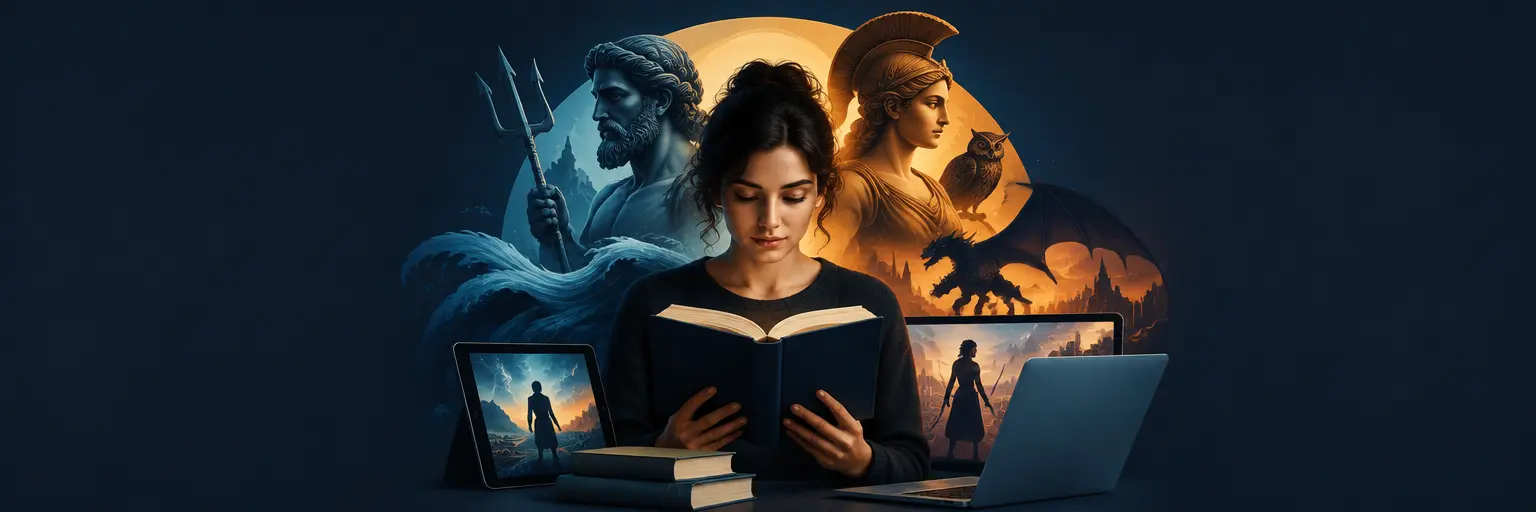
Modern retellings breathe new life into ancient myths, reimagining timeless legends for today’s audiences with fresh perspectives, diverse voices, and bold contemporary settings. From reimagined Greek epics and Norse sagas to reinterpreted folklore from every corner of the globe, these stories explore universal themes—love, power, identity, and fate—through a modern lens. Discover how classic heroes, gods, and monsters are being rewritten for the 21st century, blending tradition with innovation to challenge old narratives and resonate deeply with current social and cultural conversations. Whether in novels, films, TV series, or graphic novels, these retellings are not just updates; they are transformative acts of storytelling that keep mythology alive, relevant, and endlessly compelling for new generations.
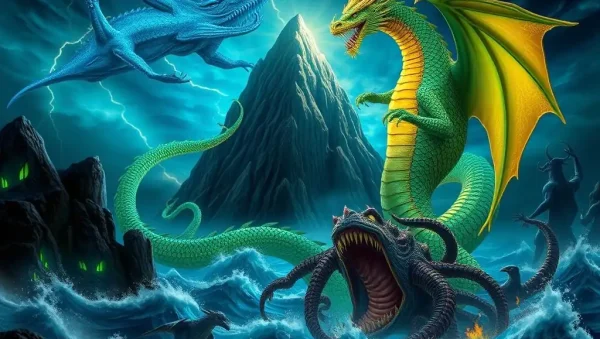
🗣️ Explore how dragons in modern media reignite age-old myths, transforming legendary creatures like Krakens and monsters into symbols that shape contemporary…
Read article
🔥 Discover how Norse mythology streaming series are transforming modern entertainment, bringing the legendary tales of Asgard to global audiences and showcasing…
Read article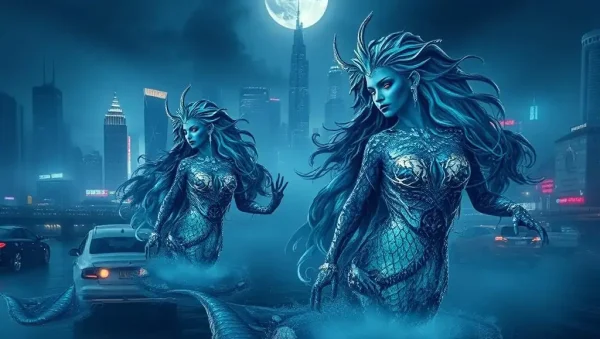
🌟 Discover how mythic creatures in urban fantasy breathe new life into legends, transforming cityscapes into enchanting battlegrounds where sirens and other…
Read articleWelcome to Modern Retellings, a dynamic subcategory within Mythology in Literature and Media at Mythology and Legends. Here, we delve into how timeless myths—from Greek and Norse to Egyptian and Indigenous traditions—are reborn in contemporary novels, films, series, and graphic novels. These aren't mere translations; they are bold reimaginings that shift perspectives, update settings, and challenge classic archetypes, making ancient wisdom resonate with modern audiences. Expect deep dives into narrative transformations, cultural commentary, and the creative process behind your favorite mythological adaptations.
Modern retellings often strip away the black-and-white morality of original myths, presenting gods and heroes as deeply flawed, relatable figures. Authors like Madeline Miller (Circe) and Natalie Haynes (A Thousand Ships) give voice to sidelined characters, turning villains into protagonists and heroes into cautionary tales. These works explore trauma, agency, and redemption, inviting readers to question who truly holds power in ancient stories.
Expect analyses of character arcs that modernize motivations—from Patroclus’s gentle humanity to Medusa’s victimhood. We examine how these reinterpretations critique modern issues like toxic masculinity, patriarchy, and mental health, making mythology a mirror for today’s social dilemmas. Whether in prose, poetry, or film, these retellings prove that ancient figures remain infinitely adaptable templates for exploring human complexity.
Modern retellings are not limited to Greco-Roman lore; they span the globe, transplanting myths into urban cities, dystopian futures, or alternate histories. For instance, Rick Riordan’s Percy Jackson series brings Greek gods to modern America, while N.K. Jemisin’s Great Cities trilogy weaves global mythologies into contemporary fantasy. These crossovers make unfamiliar legends accessible and highlight universal themes across cultures.
We explore how authors blend traditional folklore with local realities—like Hindu epics in Indian sci-fi or African trickster tales in Caribbean literature. These retellings often reclaim colonized narratives, giving marginalized voices a platform to rewrite their own heritage. By mapping mythological frameworks onto new geographies, they question the boundaries of identity, belonging, and cultural memory in a globalized world.
Visual media has become a powerful vehicle for modern retellings, from Marvel’s Thor to Netflix’s Kaos. These adaptations transform mythic figures into pop culture icons, often prioritizing spectacle over fidelity. Yet, they also introduce ancient stories to massive audiences, sparking renewed interest in original texts. We dissect the choices behind these productions—costume design, dialogue, and plot deviations—to understand what resonates with modern viewers.
This section also covers animated features, Japanese anime (like Record of Ragnarok), and video games (e.g., God of War) that reinterpret myths through interactive storytelling. We analyze how visual retellings simplify or complicate mythic symbolism, and how they influence public perception of mythology itself. From box-office hits to indie films, we trace the evolving visual language of ancient narratives.
One of the most transformative trends in modern retellings is the reclaiming of female and queer voices. Works like The Song of Achilles and Hades (the video game) center LGBTQ+ relationships, while novels like Pandora’s Jar by Natalie Haynes dismantle misogynistic portrayals of mythological women. These retellings challenge the male gaze embedded in classical sources, offering fresh feminist critiques of power, consent, and agency.
Expect discussions on how authors subvert traditional gender roles—e.g., making Athena a vulnerable narrator or Hephaestus a disabled anti-hero. We also explore retellings from non-Western perspectives, such as The Palace of Illusions by Chitra Banerjee Divakaruni, which narrates the Mahabharata through Draupadi’s eyes. This wave of inclusivity not only diversifies mythological canon but also proves that ancient stories can evolve to reflect contemporary values without losing their essence.
Modern retellings increasingly merge mythology with genres like dark academia, psychological thrillers, and speculative fiction. Books like Ariadne by Jennifer Saint and The Witch’s Heart by Genevieve Gornichec infuse myth with gothic atmospheres and emotional suspense. Alternatively, works like American Gods introduce mythic beings into the modern world, exploring faith and capitalism through speculative lenses.
We examine how these hybrids create new narrative tensions—e.g., gods struggling with irrelevance in a digital age or prophecies failing in deterministic universes. These retellings often deconstruct the very structure of myth, playing with time loops, alternate endings, and unreliable narrators. For readers seeking innovation, this subcategory showcases how mythology continues to birth entirely new genres while staying rooted in ancient symbolism.
A modern retelling is a creative reinterpretation of an existing myth, set in a contemporary era or with updated themes, characterizations, or social commentary. It retains core mythological elements—such as characters, motifs, or plot beats—but reimagines them to resonate with current audiences, often flipping perspectives or addressing modern issues like gender equality or mental health.
Popularity stems from their ability to make ancient tales feel relevant and accessible. They offer fresh angles on familiar narratives, allowing readers to engage with timeless issues like power, love, and betrayal through a modern lens. Additionally, they provide a creative outlet for marginalized voices to reclaim and diversify mythological canon, meeting today’s demand for inclusive storytelling.
An adaptation typically retells a story with minimal changes to plot or setting, while a retelling actively reworks the narrative, altering character motivations, settings, or outcomes. Retellings often challenge the original’s moral framework or give voice to secondary characters, making them a critical commentary rather than a faithful reproduction. Adaptations may also be historical, but retellings are inherently contemporary in intent.
They rarely are, and that’s intentional. Retellings prioritize emotional truth and thematic resonance over literal fidelity. While they preserve core mythological figures or events, they subvert traditional depictions to explore new questions. For purists, this may seem unfaithful, but many authors argue they uncover hidden layers in myths, making them more honest to human experience than the original tellings.
No, modern retellings span global cultures and languages. Indian epics like the Ramayana have inspired countless retellings—both in regional cinema and international novels—while African, East Asian, and Indigenous myths also feature prominently in contemporary fiction, film, and graphic novels. The trend is worldwide, with each culture reinterpreting its own legends to address local and universal contemporary concerns.