
Mythic Beasts Return: Dragons, Krakens, and Monsters in Modern Media

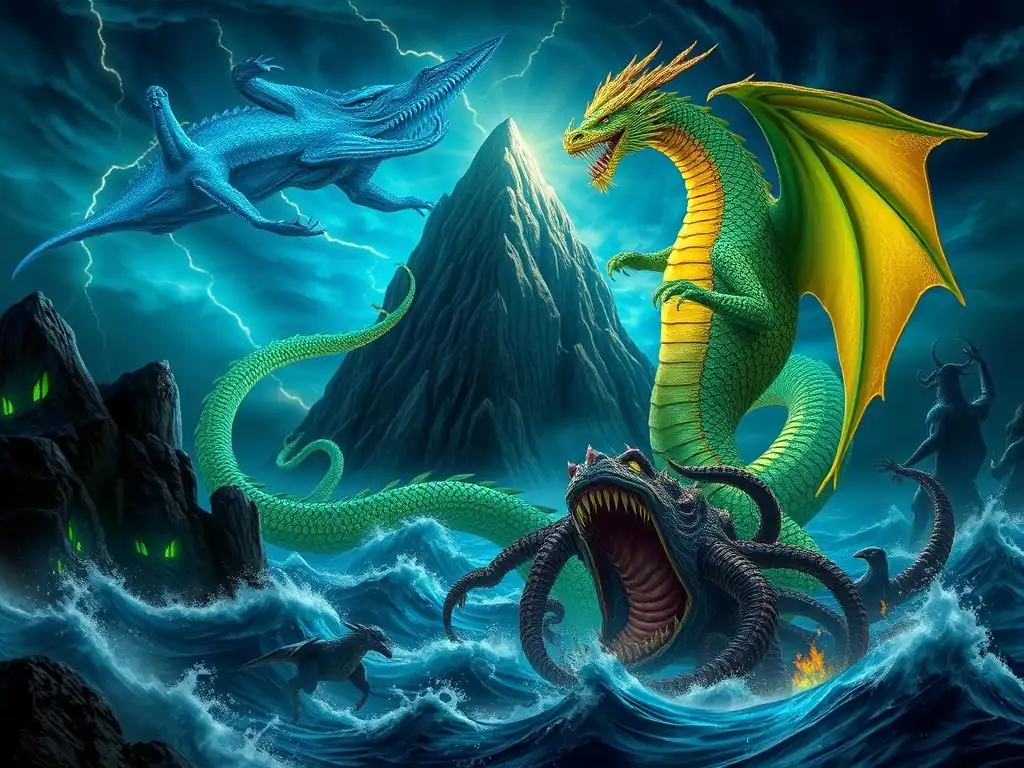
Welcome, fellow myth-seeker! Ever wondered why the scales and shadows of ancient legends still flicker across our screens and pages? Here at Mythology and Legends, we delve into the enduring power of these narratives. Prepare to uncover the secrets behind their timeless appeal, starting with a fiery investigation: Dragons in modern media. What makes these mythical behemoths so captivating, even today? Join us as we explore the roaring resurgence of dragons and other mythic beasts, and discover how they continue to shape our imaginations.
- Mythic Beasts Return: Vampires, Werewolves, and Angels in Modern Media
- Vampires in Modern Media: A Bloody Renaissance
- Werewolves Unleashed: Lycanthropic Terrors in Pop Culture
- Other Mythical Monsters: Angels in Today's Entertainment
- Why Mythic Beasts Still Captivate Us: Exploring the Psychological Appeal
- The Impact of Modern Media on Mythological Understanding
- Vampires, Werewolves, and Angels: A Comparative Analysis in Contemporary Narratives
- The Future of Mythic Beasts in Media: Trends and Predictions
- Exploring the Dark Side: When Mythic Beasts Represent Real-World Issues
-
Frequently Asked Questions
- How prevalent are dragons in modern media compared to other mythical creatures?
- What accounts for the enduring popularity of dragons in contemporary storytelling?
- In what ways have depictions of dragons in modern media evolved from traditional myths?
- What are some examples of how dragons are used to explore contemporary themes in modern media?
- How does the portrayal of dragons differ across various cultures and media platforms in the modern era?
- Final Reflection: Echoes of Myth in a Modern World
- Unleash Your Inner Mythmaker!
Mythic Beasts Return: Vampires, Werewolves, and Angels in Modern Media
The landscape of contemporary entertainment is teeming with creatures drawn from ancient myths and folklore. From the shadowy corners of horror to the epic sweeps of fantasy, vampires, werewolves, angels, and a host of other mythical beings are experiencing a significant resurgence. This pervasive presence highlights a deep-seated fascination with the extraordinary and the supernatural, reflecting both timeless human anxieties and evolving cultural perspectives.
Audiences worldwide are captivated by these figures, whether they appear as terrifying monsters, tragic anti-heroes, or divine guides. The enduring appeal of mythical beasts underscores their power as archetypes, capable of embodying complex themes and sparking our collective imagination. This return to prominence is not merely a rehashing of old tales but a dynamic process of reinvention, where classic lore is filtered through modern sensibilities, technology, and narrative forms.
This exploration delves into the specific resurgence of vampires, werewolves, and angels, examining their evolution and impact in modern media. We will uncover the reasons behind their persistent popularity, trace their transformations across different platforms, and analyze what their presence tells us about contemporary society.
While the focus here is on these three prominent figures, it's worth noting that this trend extends to a vast menagerie of mythical creatures, including iconic figures like dragons in modern media, Krakens, and countless others, each finding new life and meaning in the narratives of today. The digital age, with its myriad platforms from streaming services to video games, provides fertile ground for these ancient beings to thrive, reaching wider audiences than ever before and continuing to shape our understanding of myth and legend.
Vampires in Modern Media: A Bloody Renaissance
The vampire, a creature synonymous with darkness, seduction, and eternal life, has arguably experienced one of the most significant revivals in recent popular culture. Shaking off the dust of old horror tropes, modern vampires inhabit a diverse range of genres, from romantic fantasy to gritty crime dramas and even comedy. This widespread presence, spanning literature, film, television, and video games, speaks to the incredible adaptability and enduring fascination surrounding the blood-drinking immortal.
What began as a figure of pure terror has evolved into a complex character capable of eliciting sympathy, desire, and profound philosophical contemplation. The sheer volume of vampire-centric content produced in the last two decades alone is staggering, indicating a robust market and a seemingly insatiable public appetite for tales of the undead.
This modern renaissance is characterized by a willingness to experiment with the core mythology. While elements like immortality, vulnerability to sunlight (though often modified), and the need for blood remain central, contemporary narratives frequently explore the psychological toll of eternal life, the complexities of vampire society, and the challenges of coexisting with humans.
This nuanced approach allows for richer character development and thematic depth, moving beyond simple predator-prey dynamics to explore themes of identity, morality, belonging, and the very definition of humanity. The success of this modern wave demonstrates that ancient myths can be revitalized and made relevant to new generations, proving that the vampire, in its many forms, is far from dead.
The Enduring Appeal of Vampires in Contemporary Storytelling
The persistent allure of vampires in contemporary narratives can be attributed to their potent combination of primal fears and compelling desires. At their core, vampires embody the fear of the unknown, the predatory other lurking in the shadows, and the violation of the body. Yet, they also represent forbidden desires: eternal youth, immortality, heightened senses, and often, intense romantic passion.
This duality makes them incredibly versatile characters, capable of driving narratives that are simultaneously thrilling and emotionally resonant. The concept of immortality, in particular, offers a unique lens through which to explore themes of history, memory, loss, and the changing world, providing a perspective unavailable to mortal characters.
Furthermore, vampires often serve as powerful metaphors for various aspects of the human condition and societal issues. They can symbolize addiction, representing an insatiable need that drives the character's actions and relationships.
They can embody aristocratic decadence or represent marginalized outsiders forced to live apart from mainstream society. The inherent conflict between their monstrous nature and any lingering humanity provides fertile ground for exploring morality, redemption, and the capacity for good or evil.
For instance, the Twilight saga, which sold over 160 million copies globally by 2021, tapped into themes of forbidden love and adolescent intensity, while series like HBO's True Blood, which peaked at over 5 million viewers per episode during its run, explored social commentary through the lens of vampire integration into human society. Even comedic takes, such as the critically acclaimed What We Do in the Shadows, nominated for numerous Emmy Awards, find humor in the mundane challenges of immortal existence, proving the myth's flexibility.
From Gothic Literature to the Silver Screen: Vampire Evolution
The vampire's journey through media began long before the silver screen, finding its definitive literary form in Bram Stoker's Dracula, published in 1897. This novel codified many of the vampire tropes we recognize today. The transition to film began relatively early with F.W.
Murnau's unauthorized adaptation Nosferatu in 1922, which presented the vampire as a truly monstrous figure. Universal Pictures' Dracula in 1931, starring Bela Lugosi, solidified the image of the suave, aristocratic vampire in popular culture, an image further refined and popularized by Hammer Film Productions in the UK throughout the late 1950s, 60s, and 70s, often featuring Christopher Lee as Dracula. These early cinematic portrayals primarily focused on the horror aspect, depicting vampires as unambiguous villains to be vanquished.
The evolution continued in literature with Anne Rice's The Vampire Chronicles, beginning with Interview with the Vampire in 1976. Rice introduced more introspective, conflicted, and often sympathetic vampires, delving into their pasts, their existential struggles, and their complex relationships. This shift paved the way for the diverse portrayals seen today.
Films like Near Dark (1987) and Blade (1998) offered grittier, action-oriented takes, while television series like Buffy the Vampire Slayer (1997-2003) and its spin-off Angel (1999-2004) explored the concept of vampires grappling with their souls and seeking redemption. This trajectory shows a clear move from the purely monstrous figure of early lore to a multifaceted character capable of embodying a wide spectrum of moralities and narrative roles, a transformation that mirrors the evolution seen in the portrayal of many mythic beasts, including the diverse interpretations of dragons in modern media.
Werewolves Unleashed: Lycanthropic Terrors in Pop Culture
Werewolves, the shapeshifters bound to the lunar cycle, represent another powerful and enduring presence in modern pop culture. Unlike the often sophisticated vampire, the werewolf taps into more primal fears: the loss of control, the beast within, and the terrifying transformation from human to monster. This visceral horror is central to their appeal, making them a staple of the horror genre across various media.
However, like vampires, werewolves have also undergone significant reinterpretations, moving beyond simple tales of terror to explore complex themes of identity, community, and the struggle between civilization and wildness. Their inherent duality provides rich narrative possibilities, allowing creators to explore the tension between human consciousness and animal instinct.
The modern portrayal of werewolves is often marked by impressive special effects, showcasing the transformation itself as a moment of intense horror and physical agony. This visual spectacle has become a hallmark of werewolf media, adding to the creature's terrifying impact.
Yet, beneath the fur and claws, the core myth of the werewolf continues to resonate because it speaks to universal anxieties about our own capacity for violence, our hidden desires, and the parts of ourselves we struggle to control. Whether depicted as a cursed individual, a member of an ancient pack, or a symbol of untamed nature, the werewolf remains a potent figure in the pantheon of mythic beasts.
The Werewolf's Deep Dive into Film and Games
Film has long been a primary medium for showcasing the werewolf myth, with early classics like The Wolf Man (1941) establishing many enduring tropes, including the silver bullet vulnerability. This film's success led to numerous sequels and imitators. The 1980s saw a resurgence with landmark films like An American Werewolf in London (1981) and The Howling (1981), which pushed the boundaries of practical effects for transformations and blended horror with dark humor.
More recent film series like Underworld (beginning in 2003), which grossed over $500 million worldwide across its installments, pitted werewolves (Lycans) against vampires in a long-running war, showcasing them as organized factions rather than solitary monsters. The Twilight saga also featured werewolves, portraying them as shapeshifting protectors rather than traditional monsters, further illustrating the myth's adaptability to different genre conventions and target audiences.
Video games have also embraced the werewolf, allowing players to experience the lycanthropic curse firsthand. Games like The Elder Scrolls V: Skyrim (2011), which sold over 60 million copies by 2023, included a prominent werewolf transformation ability, allowing players to access enhanced physical power at the cost of certain restrictions. Bloodborne (2015) features beastly transformations and enemies heavily influenced by werewolf lore, contributing to its atmospheric horror.
These interactive experiences offer a unique perspective on the myth, allowing players to explore the power and peril of embodying the beast. The presence of werewolves in both linear narratives and interactive worlds demonstrates their sustained relevance and appeal across diverse entertainment formats.
Beyond Horror: Modern Interpretations of the Werewolf Myth
While horror remains a primary genre for werewolves, modern media has increasingly explored the myth through different lenses, pushing beyond simple tales of terror. One significant interpretation positions lycanthropy as a metaphor for adolescence and the struggles of coming-of-age. The Teen Wolf film (1985) and its highly successful television adaptation (2011-2017) used the werewolf transformation as a clear allegory for puberty, grappling with physical changes, social acceptance, and finding one's identity. This approach softened the horror elements and focused on the personal journey of the protagonist.
Other interpretations delve into the psychological and social dimensions of the myth. Werewolves can represent the struggle against one's own nature, the battle between instinct and reason, or the feeling of being an outcast or monster in society's eyes. Some narratives explore the theme of inherited trauma or curses passed down through generations.
The pack dynamic is also frequently explored, examining themes of loyalty, hierarchy, and the tension between individual freedom and group belonging. This broader approach allows the werewolf myth to comment on a range of human experiences, from the personal turmoil of transformation to the complexities of social integration, showing that this ancient creature can embody far more than just a monstrous threat.
Other Mythical Monsters: Angels in Today's Entertainment
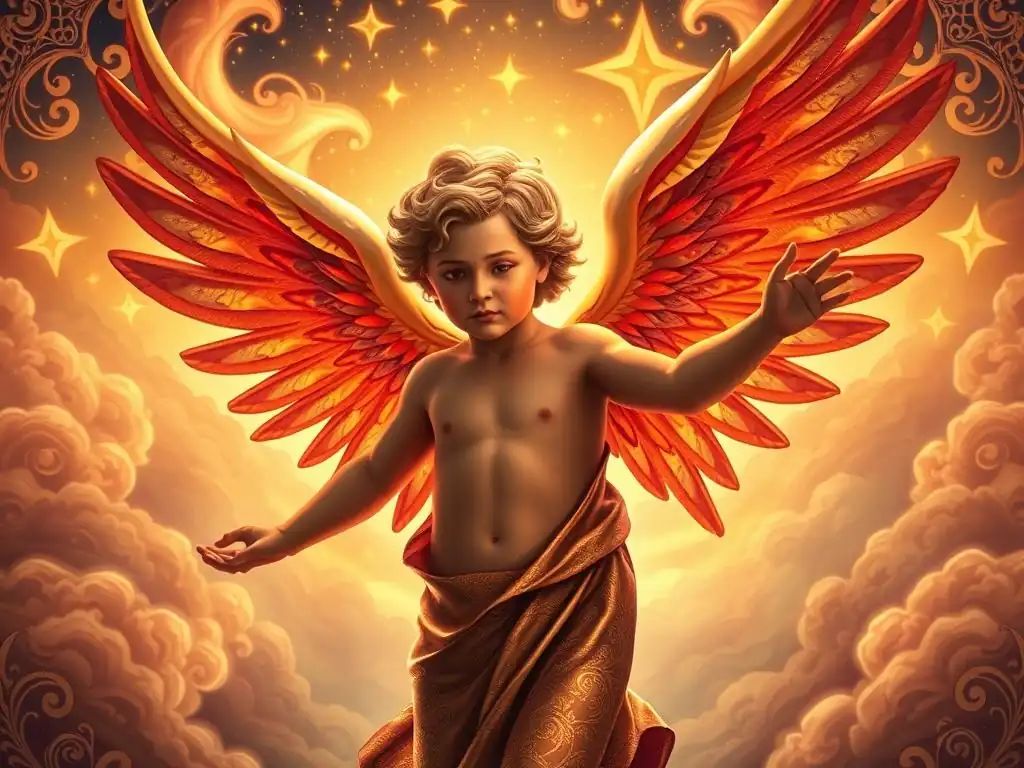
Beyond the more monstrous figures of vampires and werewolves, beings of divine or celestial origin, particularly angels, have also seen a notable resurgence in modern media. Often associated with goodness, guidance, and divine intervention, angels offer a contrast to the creatures of darkness.
However, contemporary narratives frequently explore the complexities of angelic nature, delving into themes of free will, obedience, divine judgment, and the potential for corruption. This renewed interest reflects a broader fascination with spirituality, morality, and the cosmic struggle between good and evil, often presenting angels not just as ethereal beings but as powerful, sometimes terrifying, entities with their own agendas and internal conflicts.
The portrayal of angels in modern media is incredibly varied, ranging from benevolent protectors to formidable warriors and even antagonists. This diversity allows them to fit into numerous genres, including fantasy, urban fantasy, horror, drama, and even action. Their presence often raises profound questions about faith, destiny, the nature of good and evil, and humanity's place in the universe. Like other mythic beasts such as dragons in modern media, angels are being re-imagined and adapted to suit contemporary storytelling needs, proving that figures from religious and mythological traditions can be powerful sources of inspiration for secular entertainment.
Fallen Angels: Revivals and Reinventions
The concept of fallen angels, those cast out from heaven, holds a particular fascination in modern media. Figures like Lucifer and other rebellious angels are frequently depicted as complex antagonists, anti-heroes, or even protagonists, exploring themes of rebellion, pride, and the consequences of defying divine authority. This portrayal often humanizes these figures, giving them motivations and backstories that go beyond simple evil. Series like Supernatural (2005-2020), which ran for an impressive 15 seasons, featured a complex mythology involving angels, archangels, and Lucifer himself, exploring their roles in the cosmic battle and their interactions with humanity.
Netflix's popular series Lucifer (2016-2021), based on characters from DC Comics' Vertigo imprint, reimagined the Devil as a charming, albeit hedonistic, nightclub owner in Los Angeles who helps solve crimes. This reinvention completely subverts traditional portrayals, focusing on themes of free will, personal responsibility, and the search for identity and redemption.
Films like Constantine (2005) and the Prophecy series (1995-2005) also explored darker, more militant aspects of angelic beings and their conflicts, often blurring the lines between good and evil. These narratives demonstrate a clear trend towards exploring the moral ambiguity and internal struggles of fallen angels, making them compelling figures for contemporary audiences.
Guardian Angels: Modern Takes on Ancient Lore
While fallen angels capture the imagination with their rebellion, the concept of guardian angels and benevolent celestial beings also persists, though often with a modern twist. Traditional portrayals, such as the long-running television series Touched by an Angel (1994-2003), which garnered significant viewership, depicted angels as compassionate messengers sent to help humans in need, focusing on themes of faith, hope, and divine intervention. However, more recent interpretations often add layers of complexity or integrate angels into broader fantasy or action narratives.
In some modern stories, guardian angels are depicted as powerful warriors tasked with protecting humanity from supernatural threats, blurring the lines between celestial beings and fantasy archetypes. Films like Michael (1996) offered a more unconventional, somewhat humorous take on an archangel walking among humans.
In fantasy series, angels might be ancient, powerful beings involved in cosmic conflicts, as seen in parts of Philip Pullman's His Dark Materials (book trilogy 1995-2000, TV adaptation 2019-2022), where angels are intellectual, non-corporeal beings involved in philosophical and physical battles. These modern takes often retain the core idea of angels as beings associated with higher powers or purposes but present them in ways that fit contemporary narrative styles, whether as figures of comfort, formidable allies, or enigmatic forces.
Why Mythic Beasts Still Captivate Us: Exploring the Psychological Appeal
The enduring presence and popularity of mythic beasts in modern media, encompassing everything from vampires and werewolves to angels and dragons in modern media, speaks to a deeper psychological resonance. These creatures are not merely entertaining figures; they tap into fundamental aspects of the human psyche and collective unconscious. Their power lies in their ability to personify abstract concepts, explore universal fears and desires, and offer a pathway into worlds beyond our everyday reality. This connection to something ancient and profound is a key driver of their continued appeal across cultures and generations.
Our fascination with these beings is rooted in our innate need to understand the world around us, to explore the boundaries of possibility, and to confront the unknown. Mythic beasts provide a safe space to grapple with complex ideas and emotions. They offer a lens through which to examine our own nature, our place in the world, and the forces, both internal and external, that shape our lives. This psychological depth ensures that these creatures remain relevant, capable of inspiring new stories and sparking the imagination of audiences worldwide.
Archetypes and Symbolism: Decoding the Meaning of Mythical Creatures
One of the primary reasons mythic beasts hold such power is their connection to archetypes – universal, archaic patterns and images that derive from the collective unconscious, as described by psychologist Carl Jung. Creatures like vampires, werewolves, and angels embody fundamental archetypal figures. The vampire can represent the Shadow (the darker, repressed aspects of the self), the Lover (intense, often destructive passion), or the figure of Death.
The werewolf embodies the Wild Man or Wild Woman archetype, representing primal nature, instinct, and the struggle for control. Angels can represent the Self (wholeness, connection to the divine), the Wise Old Man/Woman (guidance, wisdom), or the Persona (the face we show the world, contrasting with the hidden monster).
Beyond archetypes, these creatures are rich in symbolism. Vampires symbolize immortality, forbidden desire, and the fear of decay or disease. Werewolves symbolize transformation, the duality of human nature, and the power of instinct. Angels symbolize purity, divine will, hope, judgment, or cosmic order.
Even dragons, in their varied mythologies, symbolize power, chaos, wealth, wisdom, or the untamed forces of nature. This deep symbolic resonance allows storytellers to imbue their narratives with layers of meaning, enabling audiences to connect with the creatures on a subconscious level. The symbols speak to universal human experiences, making the myths relevant regardless of the specific cultural origin of the creature.
Escapism and Imagination: The Power of Fantasy Worlds
Mythic beasts offer a powerful avenue for escapism, transporting audiences from the mundane realities of everyday life into worlds of fantasy and wonder. These worlds, populated by extraordinary beings and governed by different rules, provide a sense of adventure and possibility. Engaging with stories featuring vampires, werewolves, angels, or dragons allows us to suspend disbelief and explore scenarios that are impossible in our own lives. This imaginative journey can be thrilling, cathartic, and even inspiring, providing a temporary respite from the pressures and limitations of the real world.
Furthermore, mythic beasts stimulate our imagination, prompting us to envision alternative realities and ponder profound questions. What would it truly be like to live forever? What does it mean to lose control of one's own body? How do divine forces interact with the human world?
These questions fuel creativity and encourage us to think beyond the conventional. The visual and narrative potential of these creatures provides artists, writers, and game developers with endless possibilities for creating compelling content. The very act of imagining these beings, their powers, and their worlds is an exercise in expanding our own creative horizons, reinforcing the vital role of fantasy in human culture.
The Impact of Modern Media on Mythological Understanding
Modern media's pervasive reach and diverse platforms have a profound impact on how myths and legends are understood and perceived by contemporary audiences. For many people, their first or primary exposure to creatures like vampires, werewolves, or even dragons in modern media comes not from ancient texts or folklore studies, but from popular movies, television shows, and video games. This widespread dissemination means that media portrayals often become the dominant, sometimes even definitive, versions of these myths in the public consciousness, shaping collective understanding in significant ways.
This influence is a double-edged sword. On one hand, media exposure keeps ancient stories alive, introducing them to new generations and sparking interest in their origins. On the other hand, media adaptations inevitably alter the original myths, sometimes significantly, to fit narrative conventions, genre demands, or contemporary tastes. This can lead to a blending or confusion of different mythological traditions and a focus on certain aspects of a creature's lore while ignoring others. Understanding this dynamic is crucial to appreciating the complex relationship between ancient myth and modern entertainment.
Shaping Perceptions: How Movies and Games Influence Our View of Myths
Movies and games have an immense power to shape public perception of mythological creatures. For example, the romantic and conflicted vampire popularized by Twilight or Anne Rice is often the first image that comes to mind for many younger audiences, rather than the purely monstrous figure of Stoker's Dracula.
Similarly, the idea of werewolves as tribal shapeshifters in the Underworld series or protective figures in Twilight adds layers to the traditional lone monster narrative. The portrayal of dragons in modern media, from the terrifying Smaug in The Hobbit films (approximate combined box office over $2.9 billion) to the intelligent, trainable dragons of How to Train Your Dragon franchise (combined box office over $1.6 billion), has vastly expanded public imagination beyond the simple fire-breathing hoarders of older tales.
Video games, through their interactive nature, can create particularly strong impressions. Experiencing the transformation into a werewolf in Skyrim or battling angelic forces in a game provides a visceral connection to the myth. While these portrayals are often simplified or adapted for gameplay, they contribute significantly to the collective mental image of these creatures. This media influence means that contemporary understanding of myths is often a hybrid of ancient lore and modern interpretation, with the latter frequently holding more sway in popular culture.
Preserving and Evolving Legends: The Role of Retellings
Modern media serves as a powerful, albeit transformative, force in preserving legends. By retelling ancient stories and re-imagining mythical creatures, creators ensure that these figures remain relevant and visible in the cultural landscape. A myth that might otherwise be confined to academic texts or niche folklore communities gains new life and reaches a global audience through a hit television series or a popular video game.
This process of retelling is not merely preservation; it is also evolution. Myths have always been dynamic, changing as they were passed down through generations and across cultures. Modern media continues this tradition, adapting the stories to reflect contemporary values, fears, and narrative styles.
Each new interpretation adds another layer to the creature's mythology. The sympathetic vampire, the conflicted werewolf, the morally ambiguous angel – these are additions to the lore that reflect modern sensibilities. While some purists might lament the departure from original sources, this constant process of adaptation is arguably what keeps myths alive and meaningful.
It demonstrates the inherent flexibility of these stories and figures, their capacity to absorb new ideas and remain compelling across vastly different historical and cultural contexts. The ongoing evolution of Dragons in modern media is a prime example, with diverse portrayals ranging from elemental forces to intelligent companions.
Vampires, Werewolves, and Angels: A Comparative Analysis in Contemporary Narratives
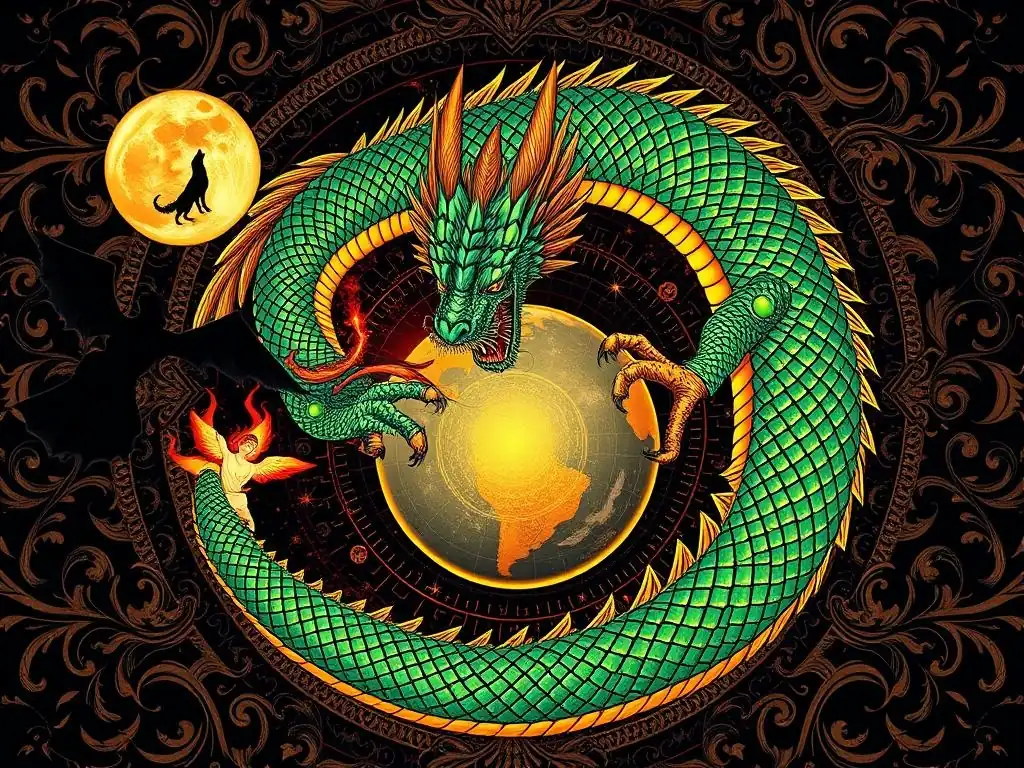
Examining vampires, werewolves, and angels side-by-side in contemporary narratives reveals interesting parallels and contrasts in how different types of mythic beings are utilized to explore similar themes. While they originate from distinct mythological traditions and embody different primal fears and desires, their modern portrayals often intersect in their exploration of complex morality, identity, and the struggle between different aspects of nature or being. Analyzing their roles provides insight into the kinds of stories modern audiences are drawn to and the ways ancient archetypes are adapted to address contemporary concerns.
Despite their superficial differences – the vampire's eternal stillness versus the werewolf's frenetic transformation, the angel's celestial grace versus the monster's earthly terror – these creatures often serve similar narrative functions. They challenge human protagonists, embody external or internal conflicts, and force characters (and audiences) to confront difficult questions about good and evil, nature and nurture, and the limits of humanity. This comparative analysis highlights the versatility of mythic beasts as storytelling tools.
Portrayal of Morality
One of the most striking similarities in the modern portrayal of vampires, werewolves, and angels is the widespread exploration of moral ambiguity. Gone are the days when these creatures were strictly defined as purely evil or purely good.
- Vampires: While figures like Stoker's Dracula were unambiguously monstrous, modern vampires frequently grapple with their need to feed on humans. Characters like Louis in Interview with the Vampire or Angel in Buffy the Vampire Slayer are tormented by their past actions and seek redemption. Even more villainous vampires are often given complex motivations or tragic backstories.
- Werewolves: Similarly, the werewolf curse is often presented as a source of suffering rather than inherent evil. Many werewolf narratives focus on the protagonist's struggle to control the beast and avoid harming innocents. The "pack" dynamic in some stories introduces complex social structures and moral codes within werewolf communities that differ from human society.
- Angels: Perhaps most surprisingly, angels, traditionally figures of divine goodness, are frequently depicted with significant moral complexity in modern media. Fallen angels are obvious examples, but even ostensibly "good" angels can be portrayed as cold, ruthless, dogmatic, or indifferent to human suffering, acting according to a divine plan that is inscrutable or even seemingly cruel from a human perspective. This shift reflects a modern skepticism towards absolute good and evil.
This trend towards moral complexity across different types of mythic beasts suggests a contemporary audience preference for nuanced characters and narratives that explore the grey areas of morality rather than simple black and white distinctions.
Symbolic Significance
While their specific symbols differ, vampires, werewolves, and angels all serve as potent symbols for fundamental human experiences and concepts in modern narratives.
- Vampires: Continue to symbolize themes of death, immortality, and forbidden desire. However, modern stories often layer this with symbolism related to addiction, alienation, and the burden of history. They can also represent the fear of the 'other' or marginalized groups.
- Werewolves: Primarily symbolize the duality of human nature – the struggle between our rational, civilized self and our primal, instinctual urges. They also represent transformation, the loss of control, and the fear of the monstrous within. In some contexts, they symbolize social outcasts or marginalized communities.
- Angels: Symbolize spirituality, divine guidance, judgment, and the cosmic order. Modern interpretations add layers related to bureaucracy, dogma, blind faith, or the potential for corruption even in beings of light. They can represent hope, despair, or the overwhelming power of forces beyond human comprehension.
Comparing their symbolic roles highlights how different mythic forms can be used to explore overlapping human concerns – identity, control, good vs. evil, society vs. the individual – but through distinct lenses. The vampire explores these through the lens of eternal life and forbidden intimacy, the werewolf through physical transformation and instinct, and the angel through divine connection and cosmic conflict. This rich symbolic potential ensures their continued relevance as vehicles for storytelling that resonates on a deeper level.
The Future of Mythic Beasts in Media: Trends and Predictions
The current popularity of mythic beasts in media shows no signs of waning. As technology evolves and storytelling formats diversify, the ways in which these ancient creatures are brought to life will continue to expand and innovate. Several trends suggest the direction in which the portrayal of vampires, werewolves, angels, and other figures like dragons in modern media is heading. These trends reflect not only technological advancements but also evolving cultural interests and a growing global perspective in entertainment. The future promises even more varied, immersive, and perhaps unexpected interpretations of these timeless figures.
Predicting the exact trajectory is impossible, but observing current developments allows for educated speculation. We are likely to see continued experimentation with genre, format, and narrative perspective. The increasing interconnectedness of global cultures will undoubtedly influence which myths gain prominence and how they are depicted. Ultimately, the future of mythic beasts in media will be shaped by the same forces that have always driven the evolution of folklore: the human desire to tell stories, to explore the unknown, and to find meaning in the extraordinary.
Increased Representation of Diverse Mythologies
A significant trend expected to continue is the move beyond the predominantly Western European folklore that has historically dominated popular media. While vampires, werewolves, and angels (rooted in European folklore and Abrahamic traditions) will likely remain popular, there is a growing interest in creatures from Asian, African, Indigenous, and other global mythologies. Audiences are increasingly seeking out fresh stories and diverse perspectives, creating a market for myths that are less familiar in mainstream Western entertainment.
This could lead to the rise of creatures like the Bake-danuki (Japanese shapeshifting raccoon dogs), the Adze (West African vampire-like spirit), or figures from Native American folklore (handled with cultural sensitivity and collaboration). Even within the realm of dragons in modern media, there's potential for greater representation of Eastern dragons (often benevolent, associated with water and wisdom) alongside the more common Western, fire-breathing, hoard-guarding type. This expansion of mythological source material will enrich the landscape of mythic beasts in media, offering new forms, powers, and cultural contexts for storytellers to explore, moving beyond the well-trodden paths of familiar monsters.
Integration of Interactive Storytelling
The growth of interactive media, particularly video games, is set to play an even larger role in the future of mythic beasts. Games allow for a level of immersion and personal connection with mythological worlds and creatures that linear narratives cannot fully replicate. Experiences where players interact directly with vampires, battle alongside or against angels, or even embody a werewolf or a dragon, offer unique ways to engage with these myths. The increasing sophistication of graphics, artificial intelligence, and virtual/augmented reality technologies will make these experiences even more compelling and realistic.
Beyond traditional video games, we may see mythic beasts integrated into interactive narratives across various platforms, such as choose-your-own-adventure style games, interactive films, or even educational experiences that explore the origins of myths. This trend leverages technology to make ancient stories feel immediate and personal, allowing audiences to not just watch or read about mythic creatures but to step into their worlds and potentially influence their destinies. This shift towards active participation represents an exciting evolution in how myths are consumed and kept alive in the digital age.
Exploring the Dark Side: When Mythic Beasts Represent Real-World Issues
One of the most powerful aspects of mythic beasts is their capacity to serve as metaphors for real-world issues, fears, and societal challenges. By externalizing abstract or complex problems in the form of a monster or a supernatural entity, storytellers can explore sensitive topics in a way that is both engaging and thought-provoking.
Vampires, werewolves, angels, and other creatures provide a symbolic language for discussing everything from personal struggles like addiction and mental health to broader societal issues like prejudice, inequality, and the impact of power. This metaphorical function is a key reason for their enduring relevance beyond simple entertainment.
When viewed through this lens, the monstrous or supernatural elements of these creatures become less about literal threats and more about the human condition and the complexities of the world we inhabit. This allows media featuring mythic beasts to function not just as escapism but as a form of social commentary, holding a mirror up to our own anxieties and societal flaws. Understanding this metaphorical layer deepens our appreciation for the narratives and highlights the continued importance of mythological thinking in making sense of our world.
Mythic beasts frequently serve as powerful metaphors for social and political issues.
- Vampires: Can symbolize the aristocracy or ruling class preying on the common people, representing economic exploitation or social inequality. Their immortality and hidden nature can represent powerful, unseen forces controlling society. They can also be metaphors for disease or addiction, spreading their condition and consuming others.
- Werewolves: Often symbolize marginalized groups or the fear of the 'other'. Their transformation can represent a hidden identity or a condition that forces them outside of normal society, leading to prejudice and persecution. The struggle to control the beast can be a metaphor for managing mental illness, repressed anger, or societal pressures that force conformity.
- Angels: While often representing divine order, they can also symbolize rigid dogma, oppressive authority, or bureaucratic indifference when portrayed negatively. Fallen angels can embody political rebellion or the consequences of challenging established power structures.
- Even figures like dragons in modern media can serve as metaphors. A dragon hoarding vast wealth might symbolize corporate greed or economic inequality. A destructive dragon could represent natural disasters, war, or unchecked technological power.
By using these creatures as stand-ins, creators can critique societal structures, explore the consequences of prejudice, or comment on the darker aspects of human nature without being overly didactic. The fantastic element provides a layer of distance that can make difficult topics more approachable for audiences.
The Fear Factor: How Mythical Creatures Reflect Human Anxieties
At their most basic level, mythic beasts tap into fundamental human fears. The fear of death and the unknown (vampires), the fear of losing control and the beast within (werewolves), the fear of divine judgment or cosmic indifference (angels), the fear of overwhelming, destructive power (dragons, Krakens) – these are universal anxieties that transcend time and culture. By giving form to these fears, mythic creatures allow us to confront them in a controlled environment. Watching a horror movie or reading a fantasy novel featuring these beings provides a cathartic experience, allowing us to feel fear and tension safely.
Furthermore, the specific anxieties reflected by these creatures evolve with society. Contemporary fears about global pandemics might subtly influence how vampire stories are told, focusing more on the spread of a condition. Anxieties about societal division and intolerance might be reflected in stories about werewolf packs vs. human communities.
Concerns about surveillance or loss of privacy could be subtly woven into narratives involving powerful, all-seeing angelic forces. The ability of mythic beasts to adapt and reflect contemporary fears is a key reason for their continued relevance. They are not just relics of the past but living symbols that continue to speak to our deepest hopes and anxieties.
Frequently Asked Questions
How prevalent are dragons in modern media compared to other mythical creatures?
Dragons maintain a significant presence. While other creatures like krakens and werewolves appear, dragons often dominate due to their versatility and symbolic power. They frequently appear in movies, TV shows, and video games.
What accounts for the enduring popularity of dragons in contemporary storytelling?
Their adaptability is key. Dragons can represent many things: power, wisdom, chaos, or even companionship. This allows them to fit into diverse narratives across genres.
In what ways have depictions of dragons in modern media evolved from traditional myths?
Modern depictions often diverge significantly. While traditional myths portray dragons as fearsome beasts, modern media sometimes presents them as benevolent creatures or even protagonists with complex personalities.
What are some examples of how dragons are used to explore contemporary themes in modern media?
Dragons can symbolize ecological concerns. For example, they can represent the destructive power of industry or the need for environmental balance. They can also explore themes of prejudice.
How does the portrayal of dragons differ across various cultures and media platforms in the modern era?
Variations exist, but Western depictions often emphasize fire-breathing, winged reptiles. Eastern portrayals, like Chinese dragons, are generally more serpentine and associated with good fortune and wisdom. Media platforms further influence their design and role.
Final Reflection: Echoes of Myth in a Modern World
The enduring fascination with mythical creatures like dragons, krakens, and other fantastical beasts isn't simply a nostalgic throwback; it's a powerful reflection of our ongoing anxieties and aspirations. These creatures, once relegated to the dusty pages of folklore, continue to resonate deeply within our collective consciousness, shaping our narratives and influencing how we understand ourselves and the world around us. Their persistent presence in modern media speaks volumes about our need for both escapism and a deeper engagement with timeless archetypes.
The enduring power of these myths lies in their ability to adapt and evolve, mirroring the changing social and cultural landscape. They are vessels for our hopes and fears, reflecting our anxieties about environmental destruction (think of the ecological implications often woven into modern dragon narratives), our fascination with power and control (the kraken's overwhelming might), and our yearning for the extraordinary in an increasingly ordinary world. Myth is a potent instrument for shaping the world, not just reflecting it.
This quote perfectly encapsulates the active role these mythical beasts play in our modern storytelling, constantly being reinterpreted and reimagined to address contemporary concerns.
Consider the dragons you've encountered in recent films, games, and books. What did they represent? What fears or desires did they embody?
I urge you to reflect on the mythical creatures that have captivated you, and consider the messages they convey about our own time. By understanding the enduring power of these ancient myths, we can gain a deeper appreciation for the stories we tell ourselves, and the enduring human need to grapple with the fantastical and the unknown. Let the echoes of these mythic beasts inspire you to explore the depths of your own imagination and the narratives that shape our shared reality.
Unleash Your Inner Mythmaker!
Thanks for diving into the fascinating world of mythic beasts with us! We hope you gained a fresh perspective on how these ancient creatures continue to captivate our imaginations. Ready to take the next step?
- Craft your own mythical creature! Let your creativity soar and design a unique beast, blending elements from the article or inventing something entirely new. Sketch it out, write its story, or even build a 3D model—the possibilities are endless!
- Share your creation with our community! Post your design or story in the comments below—let’s build a bestiary together!
- Explore further! Delve deeper into the mythology of your favorite creature from the article. What other stories can you uncover?
What legendary creature is your muse calling you to create today?