From Settlement to Saga: How Iceland Created Its National Narrative
🌍 Discover how Icelandic national narrative formation transformed from early settlements into a rich saga, shaping cultural identity and collective memory. This…
Read article
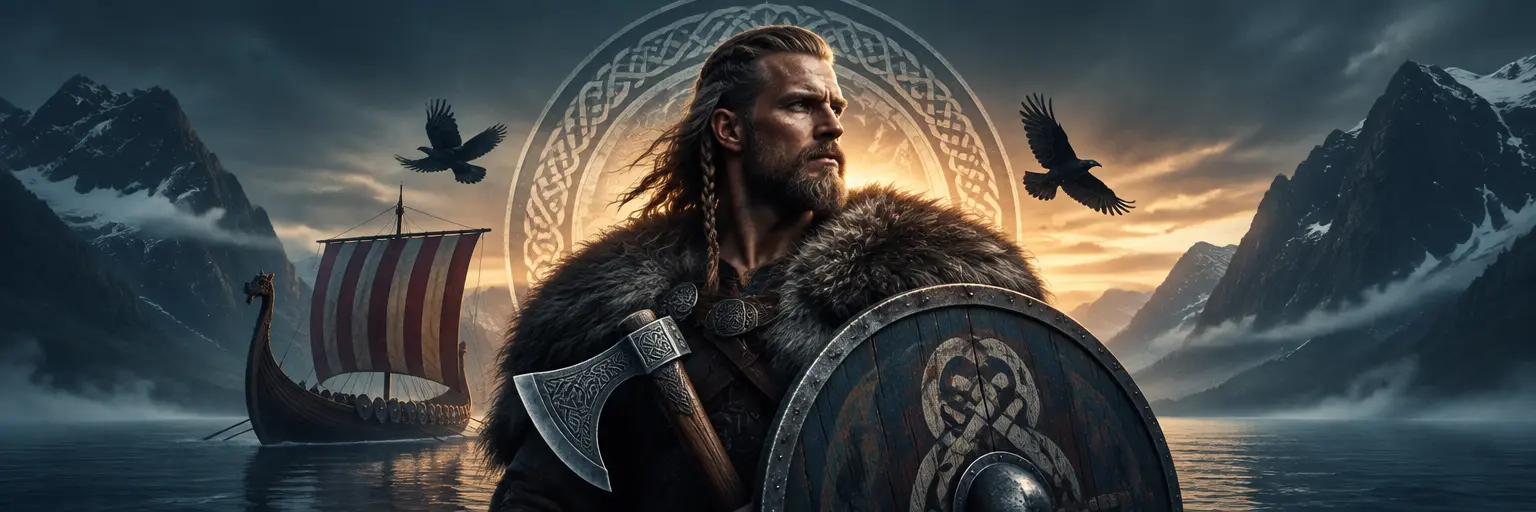
Dive into the epic world of Viking Sagas, where fearless explorers, cunning warriors, and mythic heroes navigate a realm of gods, giants, and fate. These timeless Norse narratives—from the legendary Volsunga Saga to the adventurous tales of Erik the Red—blend raw historical grit with supernatural wonder, revealing the deep roots of Celtic and Norse mythology. Uncover the gripping drama of blood feuds, dragon hoards, and prophetic dreams that shaped Viking identity and continue to influence modern fantasy and pop culture. Perfect for history buffs and mythology enthusiasts alike, these sagas offer a thrilling window into an age of honor, betrayal, and unyielding courage. Explore how these ancient stories echo in today’s literature, film, and art, proving that the spirit of the North still burns bright.
🌍 Discover how Icelandic national narrative formation transformed from early settlements into a rich saga, shaping cultural identity and collective memory. This…
Read article
🌟 Dive into the intricate world of Skaldic poetry, where decoding complex verse reveals rich cultural narratives. Explore Skaldic poetry translation techniques…
Read article
🌍 Dive into "The Saga of the Greenlanders," a compelling tale of resilience and discovery. These Greenland saga hardship exploration stories illuminate…
Read article
🌍 Dive into the epic world of sagas, exploring Viking seafaring techniques and routes that shaped legendary journeys, revealing how navigation and…
Read articleDive into the Viking Sagas subcategory of Norse and Celtic Mythology, where ancient Iceland’s prose epics collide with heroic poetry, family feuds, and supernatural voyages. These thirteenth-century narratives, preserved in medieval manuscripts, are not just stories—they are historical lenses into Viking exploration, honor codes, and pagan-to-Christian transitions. Here, you’ll uncover the sagas’ raw power, from the Njáls saga’s legal drama to the Völsunga saga’s dragon-slaying mythos, and learn how these tales still shape modern fantasy, film, and identity.
Family sagas (Íslendingasögur) anchor you in realistic Icelandic settings—farmsteads, assemblies, and blood feuds—where characters face moral dilemmas over loyalty, vengeance, and kinship. Expect meticulous detail on social customs, law codes, and the harsh Nordic landscape, making them invaluable for historians and storytellers alike.
Legendary sagas (Fornaldarsögur) leap into mythic time, featuring dragons, shape-shifters, and heroes like Ragnar Lodbrok. These tales prioritize adventure over realism, blending warrior bravado with supernatural tests. For fantasy writers, this genre offers a treasure trove of archetypes—cursed rings, valkyrie interventions, and epic quests—that directly inspired Tolkien’s Middle-earth.
Njáls saga remains the crown jewel of Icelandic literature, weaving a 50-year feud that erupts into burning farms and courtroom showdowns. Its psychological depth—especially the doomed friendship between Gunnar and Njáll—makes it a masterclass in tragic narrative. Focus on the famous “burning of Njáll” scene for its visceral tension.
For mythic power, the Völsunga saga introduces Sigurd, who slays the dragon Fáfnir and wins the cursed gold. This saga’s influence stretches to Wagner’s Ring Cycle and modern retellings. Expect themes of betrayal, prophecy, and the inescapable weight of fate—ideal for readers exploring Norse cosmology’s fatalistic core.
Sagas are not pure fiction; they encode real genealogies, land claims, and trade routes. The Eyrbyggja saga, for instance, maps out tenth-century settlement patterns, while Greenlendinga saga documents the first European footfall in North America—500 years before Columbus. Reading them offers a living archive of Viking expansion, shipbuilding, and runic literacy.
They also reveal the spiritual shift from paganism to Christianity. Many sagas depict chieftains converting under pressure, blending Thor’s hammer with the cross. This hybrid worldview appears in Heimskringla, Snorri Sturluson’s royal history, where mythological allusions serve political ends—a nuanced backdrop for understanding how myths adapt to new eras.
Embedded verses, or skaldic poetry, interrupt prose to intensify emotion—praise for fallen warriors, insults during feuds, or cryptic prophecies. These meters use dense kennings (e.g., “whale-road” for sea) that challenge translators but reward close reading. The Haraldskvæði in Heimskringla shows how court poets shaped rulers’ legacies.
Understanding skaldic forms helps you appreciate the sagas’ oral performance culture. Reciting these verses was a political act; a skilled skald could immortalize or mock a chieftain. For modern creators, this offers a lesson in using layered language—every word carries symbolic weight, making saga adaptation both a puzzle and a delight.
From Netflix’s Vikings to Neil Gaiman’s Norse Mythology, sagas fuel contemporary storytelling. The Ragnarök arc in Marvel films borrows directly from Völsunga saga, while Icelandic crime novels often echo saga-like revenge patterns. This cross-pollination keeps Norse lore vital, proving that these ancient texts resonate with modern anxieties about honor, climate, and migration.
Moreover, UNESCO recognizes saga manuscripts as documentary heritage, sparking tourism and academic study. By reading this subcategory, you’ll understand why sagas remain a global cultural touchstone—not mere relics, but living templates for epic narratives that grapple with timeless human conflicts.
They blend history with fiction. Family sagas often contain real genealogies and events but add dramatic dialogues and supernatural elements. Legendary sagas are more mythic. Cross-reference with archaeology and chronicles to separate fact from embellishment, yet treat them as valuable cultural records.
Sagas are prose narratives, often about historical figures and events, while eddas (Poetic and Prose Edda) are collections of mythological and heroic poems. The Edda focuses on gods and creation myths; sagas center on human heroes and feuds, though both share Norse cosmology.
Not strictly. Start with Völsunga saga for a myth-filled hero journey, then move to Njáls saga for realism. The Prose Edda offers a systematic overview. Reading sagas enhances mythological comprehension, but each is self-contained enough for newcomers.
Egil’s Saga is accessible due to its mix of poetry, battles, and family drama. It introduces key Norse themes—honor, exile, and magic—without overly complex genealogy. Alternatively, Hrafnkell’s Saga is short and focused, perfect for a first taste.
Tolkien drew heavily from Völsunga saga for the One Ring’s corrupting nature and the dragon Smaug. He also borrowed the “doomed hero” trope from Fóstbrœðra saga. The sagas’ emphasis on loyalty, fate, and landscapes directly shaped Middle-earth’s narrative architecture.