Celtic Creatures: Encounters with Beasts and Beings from the Otherworld
🧙️ Dive into Celtic folklore creatures explained as we explore legendary beasts and beings from the Otherworld, revealing their cultural significance and…
Read article
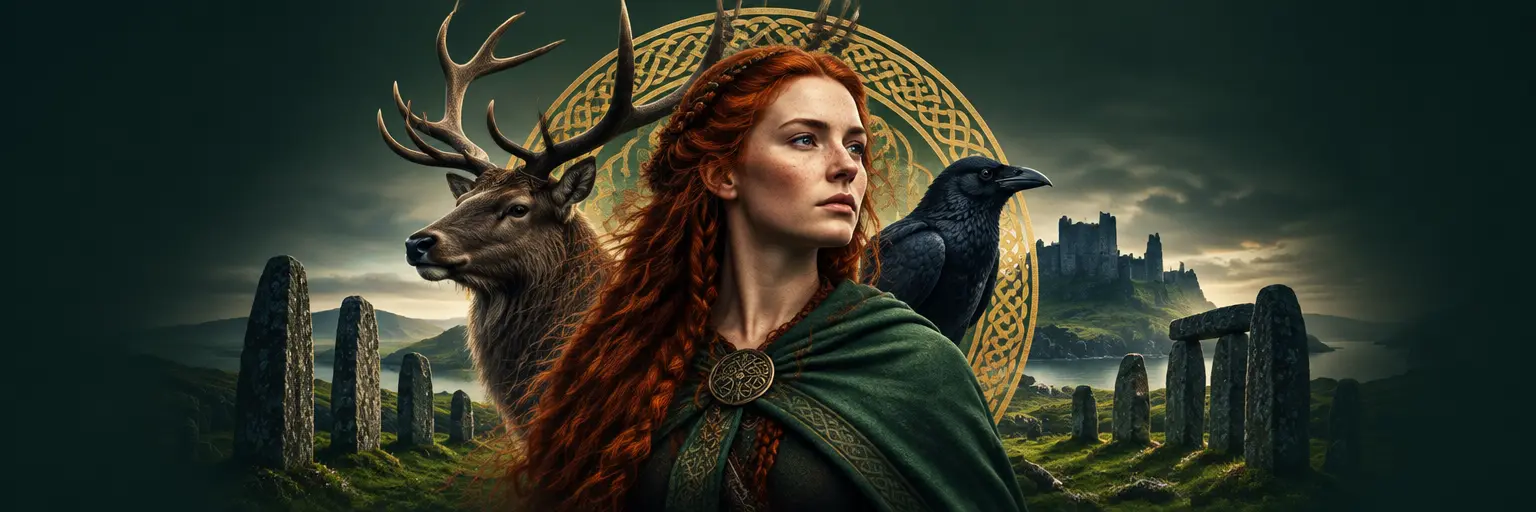
Celtic Legends delve deep into the misty realms of ancient Ireland, Scotland, and Wales, where heroic warriors, mischievous fairies, and powerful deities shape epic tales of magic and destiny. From the haunting lament of the Banshee to the heroic exploits of Cú Chulainn and the mystical quests of King Arthur, these stories capture the soul of a culture steeped in nature worship and heroic valor. Explore how these ancient narratives continue to influence modern fantasy, literature, and film, offering timeless lessons on bravery, loyalty, and the thin veil between the mortal world and the Otherworld. Uncover the rich symbolism of sacred groves, enchanted cauldrons, and shape-shifting creatures, and see why Celtic mythology remains a vibrant source of inspiration for storytellers and seekers of wisdom today.
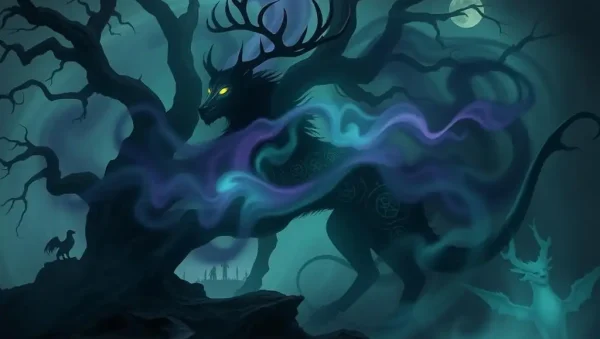
🧙️ Dive into Celtic folklore creatures explained as we explore legendary beasts and beings from the Otherworld, revealing their cultural significance and…
Read article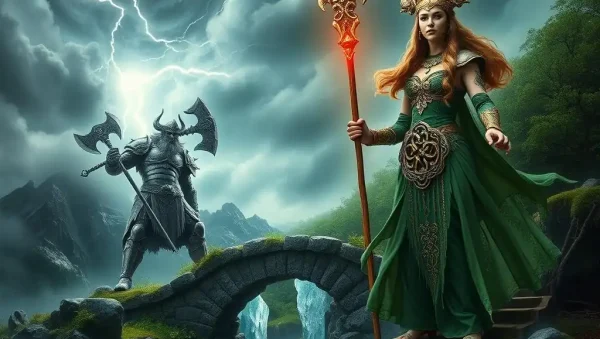
✨ Explore the fascinating Norse Celtic mythology comparison, revealing how these rich pantheons reflect their cultures’ values, beliefs, and stories. Discover the…
Read article
🌟 Dive into the enchanting world of the Sidhe, exploring their mysterious realm and the rich Sidhe folklore beliefs and meanings that…
Read articleDive into the mystical tapestry of Celtic Legends, a subcategory of Norse and Celtic Mythology on Mythology and Legends. Here, we unravel the heroic sagas, magical creatures, and sacred landscapes that shaped the ancient Irish, Scottish, Welsh, and Breton cultures. From the cunning trickster tales of the Tuatha Dé Danann to the tragic romance of Tristan and Isolde, this collection blends historical context, mythological analysis, and modern cultural impact—perfect for both curious beginners and devoted scholars seeking authentic, SEO-rich folklore content.
Expect to encounter legendary warriors like Cú Chulainn, whose warp-spasm and heroic stand at the Cattle Raid of Cooley define Irish valor, and Fionn mac Cumhaill, leader of the Fianna, whose wisdom and strength are immortalized in poetic tales. These narratives explore themes of honor, fate, and sacrifice, providing a gateway to understanding Celtic social values and warrior codes. Through detailed character breakdowns, you’ll learn how these heroes mirror the landscape—rugged, unpredictable, and deeply mystical.
Each legend is annotated with historical origins, regional variations, and symbolic interpretations. For example, the tragic fate of Deirdre of the Sorrows showcases the tension between personal desire and communal duty. By comparing these quests with Greek or Norse counterparts, we highlight what makes Celtic heroism uniquely introspective yet fiercely physical—a balance of poetic sensitivity and brutal bravery that continues to inspire modern fantasy literature and films.
Discover the awe-inspiring creatures that inhabit Celtic lore, from the shapeshifting púca and the seductive selkie to the terrifying dullahan (headless horseman). We also delve into the intricate hierarchies of the Áes Sí—the fairy folk—who live in ancient mounds and can grant fortune or curse entire lineages. Each entry explains regional names, physical descriptions, and the moral lessons these beings impart to mortals who cross their paths.
These legends often serve as cautionary tales about respecting nature and the unseen world. For instance, the Banshee’s wail is not just a death omen but a reminder of familial bonds and ancestral memory. You’ll also find comparative analysis with Norse elves and dwarves, illustrating mutual influences across the Celtic Sea. This section is rich with folklore cross-references, making it an essential resource for writers, game designers, and cultural historians seeking authentic monster mythos.
Step into the misty groves of oak and stone circles where druids performed rituals, communicated with spirits, and preserved oral traditions. We examine legendary locations like Newgrange, Stonehenge (in its Celtic context), and the mystical Isle of Avalon, explaining their astronomical alignments and mythological significance. You’ll learn how these places became portals to the Otherworld, where heroes could journey for wisdom or eternal youth.
Moreover, we decode druidic knowledge—from ogham script to seasonal festivals like Samhain and Beltane—showing how these practices influenced later Christian folklore and modern neopaganism. The interplay between nature worship and political power is a central theme, as druids were advisors to kings and keepers of law. Through primary source quotes from classical writers and medieval manuscripts, we reconstruct a vivid, plausible picture of Celtic spirituality that remains resonant today.
Celtic legends brim with maritime adventures, such as the Voyage of Bran and Saint Brendan’s Navigatio, where heroes sail to enchanted islands beyond the horizon. These tales are rife with symbolism—going beyond geographical exploration to spiritual pilgrimage and confrontation with divine forces. We dissect the motifs of magical boats, singing birds, and crystal towers, linking them to Celtic cosmological maps of the Otherworld.
Expect detailed analyses of the immrama (voyage tales) and echtrae (adventure tales) genres, highlighting their differences from Greek odysseys. For example, Bran’s crew is lured by a woman’s song, reminiscent of Sirens, yet the celtic version emphasizes the transience of time—centuries pass in a single gale. These stories offer poignant meditations on mortality, longing, and the thin boundary between the mundane and the divine, making them fertile ground for psychological and literary criticism.
Uncover heart-wrenching love stories that define Celtic romanticism: Tristan and Isolde, Diarmuid and Gráinne, and the doomed love of Naoise and Deirdre (the “Exile of the Sons of Uisneach”). These narratives are not mere romances but complex ethical dilemmas involving loyalty, betrayal, and the uncontrollable nature of desire. We explore how these tales were adapted into medieval romances by French and English courtly poets, cementing their place in Western literature.
Additionally, we analyze transformation motifs—gods turning into swans, lovers becoming mist—which symbolize the fluidity of identity and the power of grief. The tragic ending of the Children of Lir (turned into swans for nine centuries) is a profound allegory for the endurance of memory and the slow healing of trauma. Through psychoanalytical and feminist lenses, we reveal how these legends discuss agency, fate, and the cost of ambition, giving modern readers timeless emotional resonance.
Finally, we connect ancient legends to contemporary culture. Explore how Celtic Legends have influenced J.R.R. Tolkien’s Lord of the Rings, Marvel’s Thor (with its Celtic easter eggs), and neo-pagan movements like Wicca. We trace the Victorian romanticization of Celtic folklore—from Lady Charlotte Guest’s translation of the Mabinogion to Yeats’ poetry—and how these reimaginings shaped modern identity politics in Ireland, Scotland, and Wales.
We also cover digital retellings, video games (e.g., Hellblade, Fate series), and cinematic adaptations that both preserve and distort original themes. This section serves as a cultural bridge, showing how Celtic legends remain a living, adaptive mythology that speaks to issues like ecological stewardship, gender roles, and postcolonial identity. With cross-referenced timelines and reading lists, you’ll gain the tools to trace any modern reference back to its primordial source.
While both are ancient Germanic and Indo-European traditions, Norse mythology is chiefly concerned with a pantheon of gods (Odin, Thor) and an apocalyptic Ragnarok, whereas Celtic legends focus on hero cycles, fairy realms, and a more decentralized divine presence. Norse tales emphasize honor and inevitable fate; Celtic myths emphasize the thin veil to the Otherworld, shapeshifting, and cyclical time. Geographically and culturally distinct, they share some motifs—like world trees (Yggdrasil vs. Irish sacred ash)—but diverge in narrative tone and ritual practice.
Some legends have kernel of truth—like the Iron Age Hillfort at Tara or the Battle of Clontarf—but most are mythopoetic creations layered with supernatural elements. Archaeological evidence suggests certain heroes might be amalgamations of several war chiefs, while locations such as Newgrange predate Celtic culture, later adopted into their lore. Thus, they are better seen as cultural memory encoded in symbolism than as literal history, though they offer invaluable insight into the lives, fears, and values of ancient Celtic societies.
Key medieval manuscripts include the Book of Leinster, Book of Kells (though more biblical), and the Mabinogion from Wales. For Irish myths, the Lebor Gabála Érenn (“Book of Invasions”) and Táin Bó Cúailnge are foundational. Scottish and Breton legends emerge from oral ballads later transcribed. Start with scholarly editions by the Celtic Studies Association, and pair with works by Kuno Meyer or Sir John Rhys for commentary. Modern translations like Thomas Kinsella’s Táin are widely accessible.
Early Irish monks integrated pagan motifs into saints’ lives—for example, Saint Patrick’s confrontation with the druids mirrors mythological contests, and Saint Brigid is often seen as a Christianized goddess of the same name. Imrama, or voyage tales, transformed into saintly sea pilgrimages (Saint Brendan’s). Thus, many Celtic Christian miracles feature wells, sacred trees, and shape-changing demons—preserving pre-Christian traditions while renaming them for a new faith, creating a syncretic blend unique to Celtic spirituality.
Absolutely, as long as you respect cultural origins and avoid harmful stereotyping. Many fantasy franchises (e.g., Dungeons & Dragons Feywild, The Witcher’s druids) have borrowed heavily. For original work, treat the source material ethically: consult academic translations, credit your influences, and consider consulting with Celtic cultural experts if using sacred rituals. Public domain translations are free, but be aware that some modern retellings are copyrighted. We also provide a dedicated “Creation Corner” with plot seeds and character archetypes to spark your imagination.